Top 100 Cute Animals Ranked by Pure Adorableness
Ever wondered which animals reign supreme in the cuteness kingdom? From tiny mammals with oversized eyes to fluffy birds that look like cotton balls, the animal kingdom is packed with creatures that make our hearts melt. This comprehensive ranking celebrates 100 of the world’s most adorable animals, based on features like fluffiness, eye size, playful behavior, and that indefinable “aww” factor.
- What Makes an Animal Cute? The Science Behind Adorableness
- The Ultimate Cuteness Rankings: 100-81
- Adorable Excellence: Rankings 80-61
- Peak Cuteness: Rankings 60-41
- 60. Otter (Asian Small-Clawed)
- 59. Clouded Leopard
- 58. Kinkajou
- 57. Jerboa
- 56. Emperor Penguin Chick
- 55. Loris (Pygmy Slow)
- 54. Bush Baby (Galago)
- 53. Pomeranian Dog
- 52. Lynx
- 51. Beaver
- 50. Harvest Mouse
- 49. Capybara
- 48. Margay
- 47. Sable
- 46. White-Tailed Deer Fawn
- 45. Pointer Puppy
- 44. Desert Fox (Fennec)
- 43. Ring-Tailed Lemur
- 42. Owl (Barn Owl Chicks)
- 41. Red Panda Cub
- The Elite of Adorable: Rankings 40-21
- 40. Cavalier King Charles Spaniel
- 39. Prairie Dog
- 38. Least Weasel
- 37. Mountain Pygmy Possum
- 36. Sand Cat
- 35. Cottontail Rabbit
- 34. Dormouse
- 33. Klipspringer
- 32. Baby Polar Bear
- 31. Angora Rabbit
- 30. African Wild Dog Pup
- 29. Stoat (Ermine)
- 28. Pika
- 27. Harp Seal Pup
- 26. Mini Lop Rabbit
- 25. Pygmy Hippopotamus
- 24. Japanese Dwarf Flying Squirrel
- 23. Bengal Cat Kitten
- 22. Arctic Fox (Summer)
- 21. Bichon Frise
- The Cutest of the Cute: Rankings 20-11
- The Top 10 Cutest Animals on Earth
- Honorable Mentions: Animals That Almost Made the List
- How to Appreciate Cute Animals Responsibly
- The Conservation Connection: Why Cuteness Matters
- Why We're Hardwired to Love Cute Animals
- Final Thoughts: Celebrating Nature's Adorable Diversity
What Makes an Animal Cute? The Science Behind Adorableness
Before we dive into our rankings, let’s explore what triggers our cuteness response. Scientists have identified key features that make animals irresistibly adorable:
- Large eyes relative to head size (baby schema effect)
- Round faces and soft, curved features
- Fluffy or soft-looking fur/feathers
- Small body size and compact proportions
- Playful, clumsy, or gentle behavior
- Non-threatening features (small teeth, rounded ears)
These traits activate the nurturing centers in our brains, triggering protective instincts and emotional responses. Now, let’s count down the cutest creatures on Earth!
The Ultimate Cuteness Rankings: 100-81
100. Sea Otter
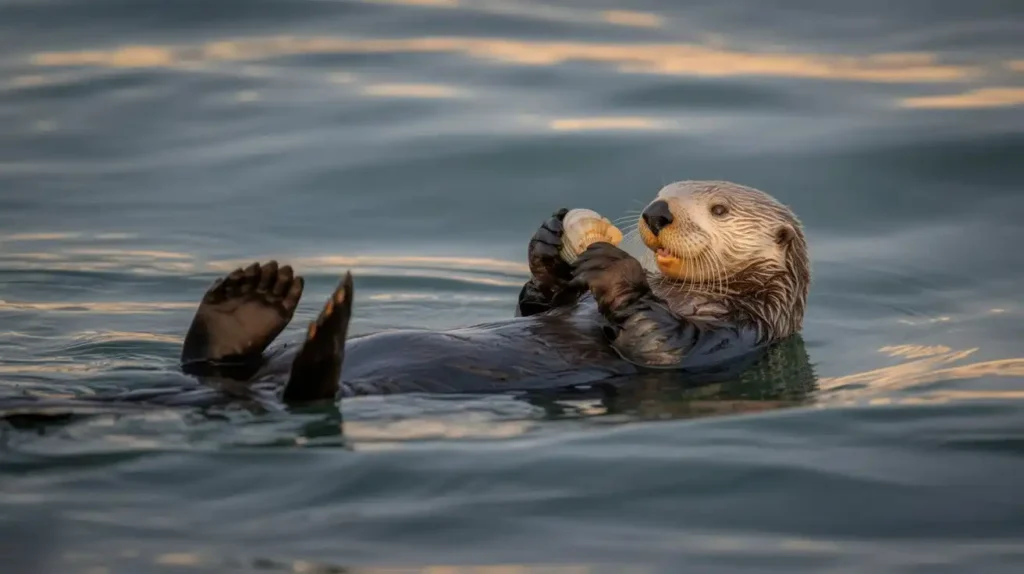
Floating on their backs while holding hands with their mates, sea otters are nature’s cuddlers. They use rocks as tools and wrap themselves in kelp to avoid drifting away—practical and adorable.
99. Koala
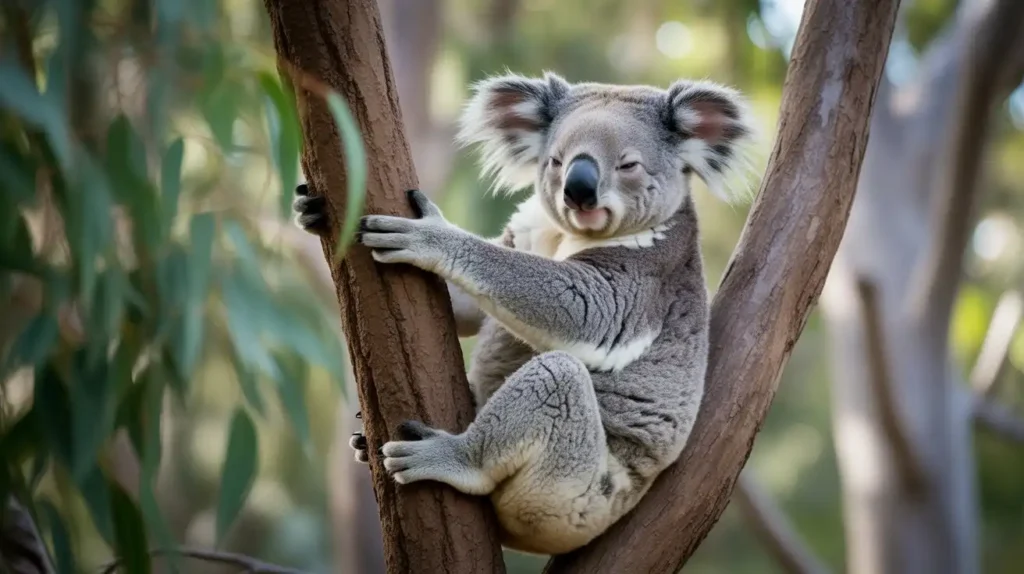
These eucalyptus-munching marsupials spend 18-22 hours sleeping daily, making them the ultimate relaxation icons. Their fluffy ears and button noses are impossibly cute.
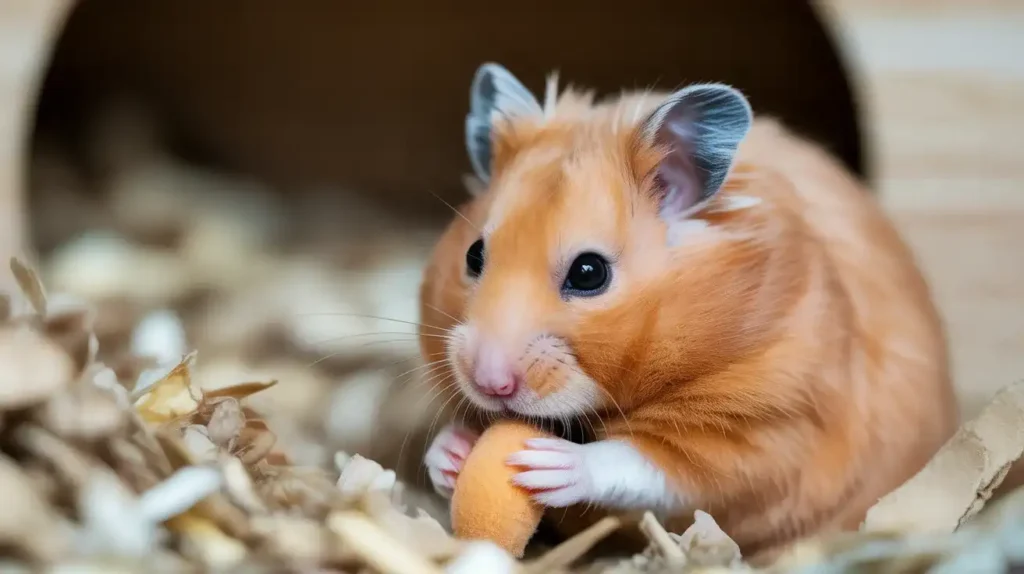
98. Hamster
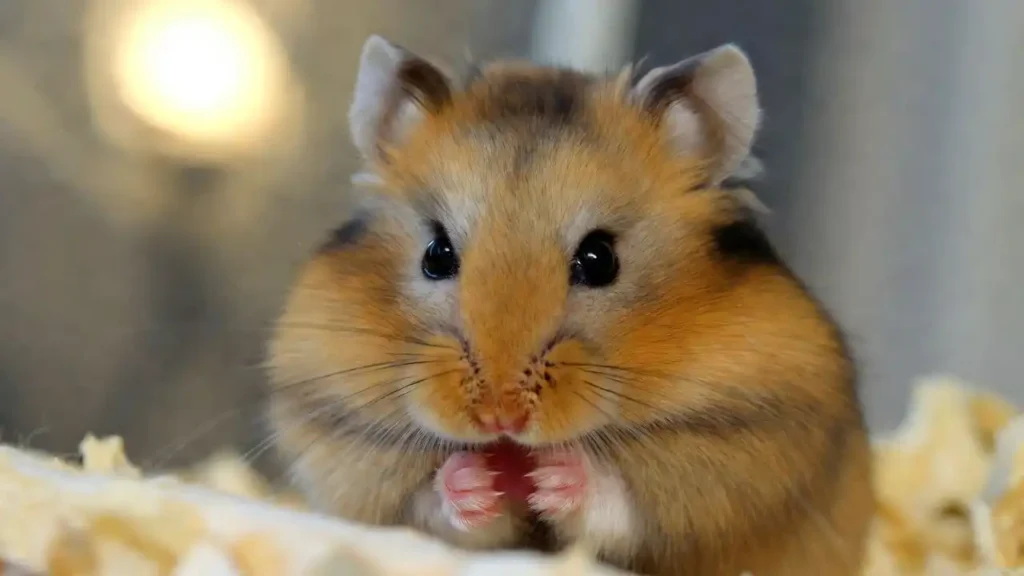
Cheek pouches stuffed with food, tiny paws, and constant grooming make hamsters perpetual cute machines. Syrian hamsters are particularly photogenic.
97. Pygmy Marmoset
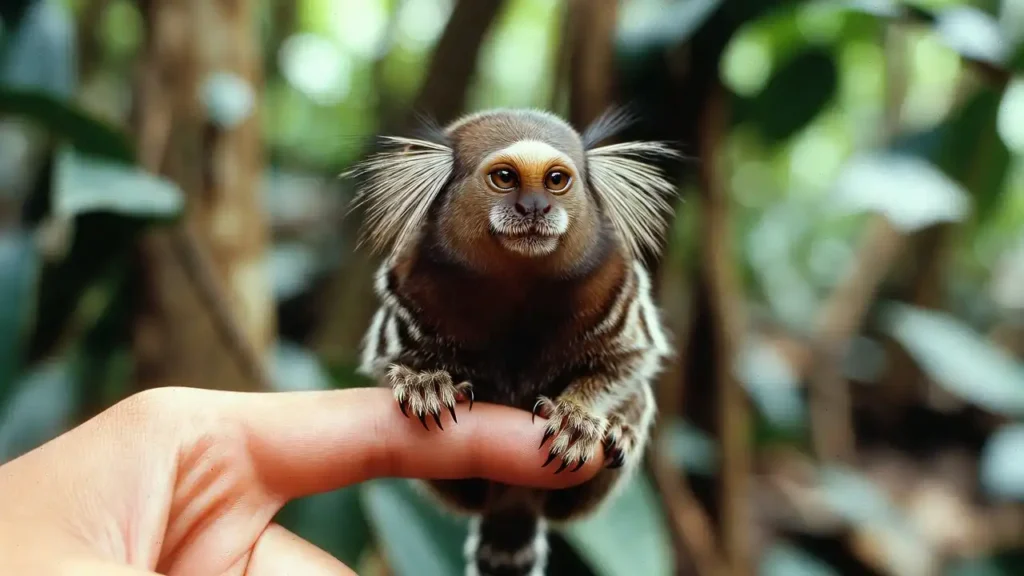
The world’s smallest monkey fits in your palm, with wide eyes and a lion-like mane. These South American primates communicate with high-pitched calls.
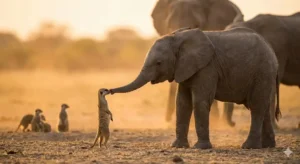
96. Meerkat
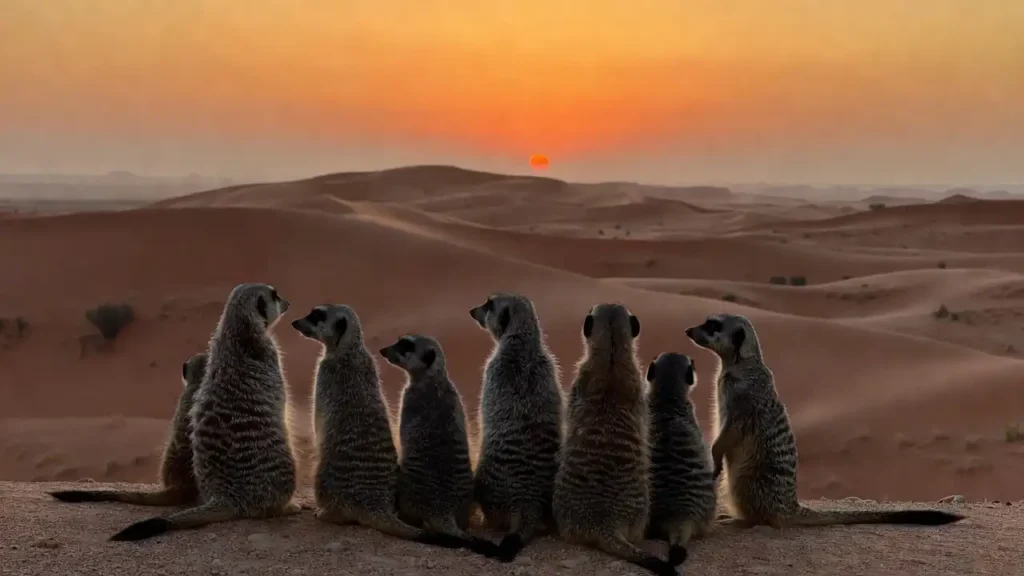
Standing upright on lookout duty, meerkats combine vigilance with adorability. Their social behavior and cooperative parenting amplify their charm.
95. Baby Elephant
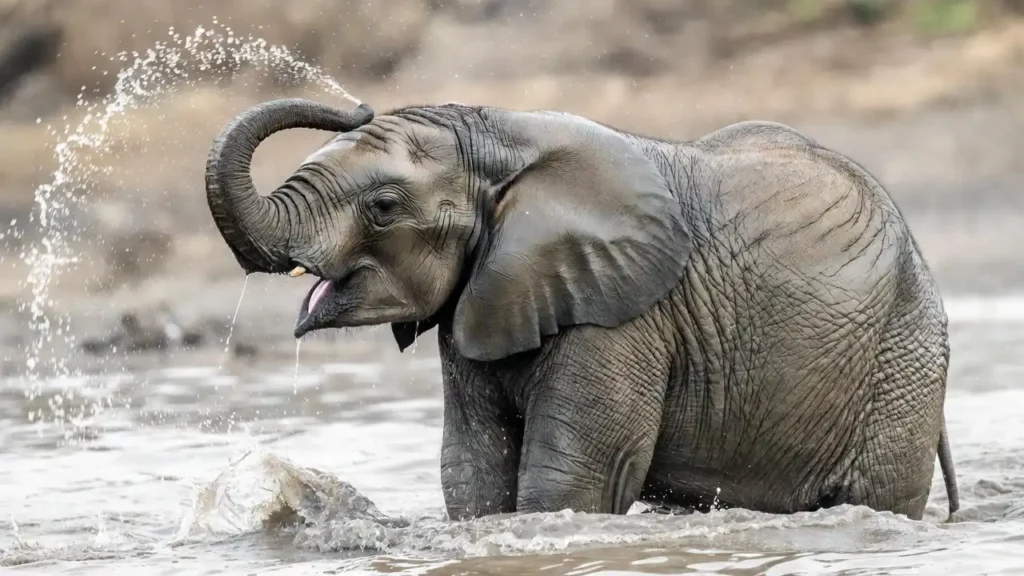
Oversized ears, tiny tusks, and clumsy movements make elephant calves irresistible. They suck their trunks like human babies suck thumbs.
94. Red Squirrel
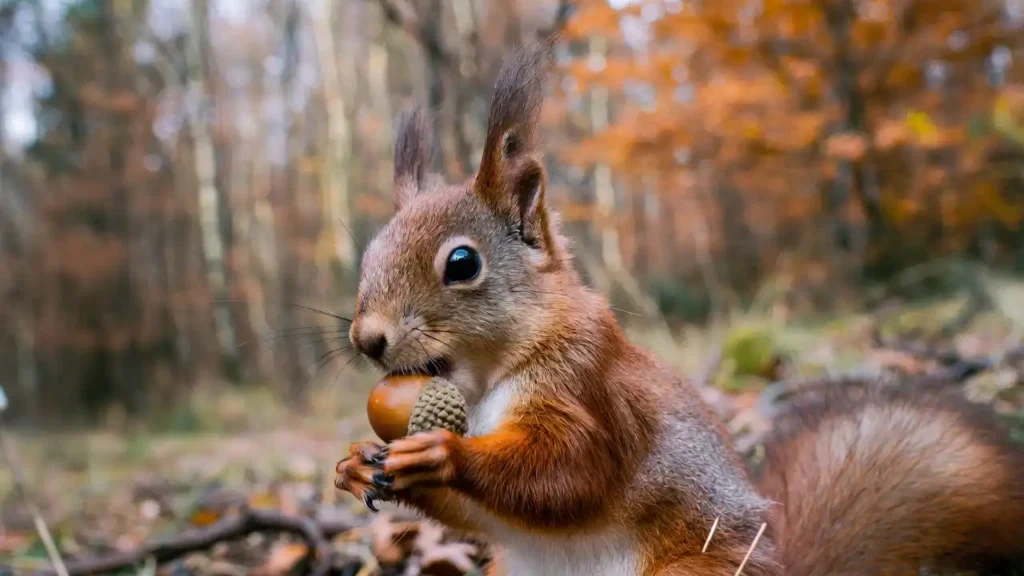
With tufted ears and bushy tails, red squirrels look like woodland sprites. Their acrobatic abilities and food-hoarding behavior add entertainment value.
93. Raccoon
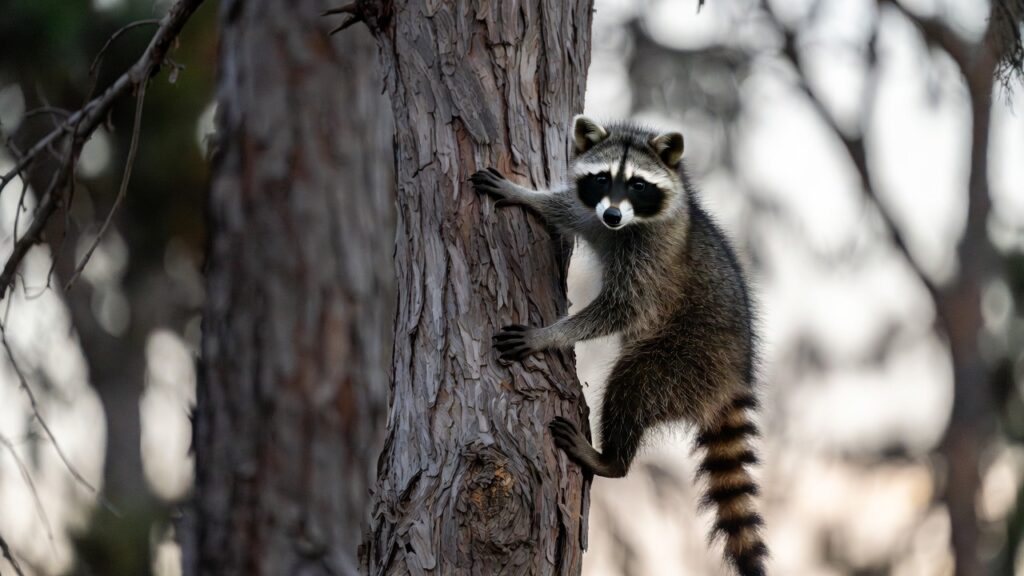
Those bandit masks and dexterous paws give raccoons personality. Baby raccoons, called kits, are especially endearing with their wobbly walks.
92. Hedgehog
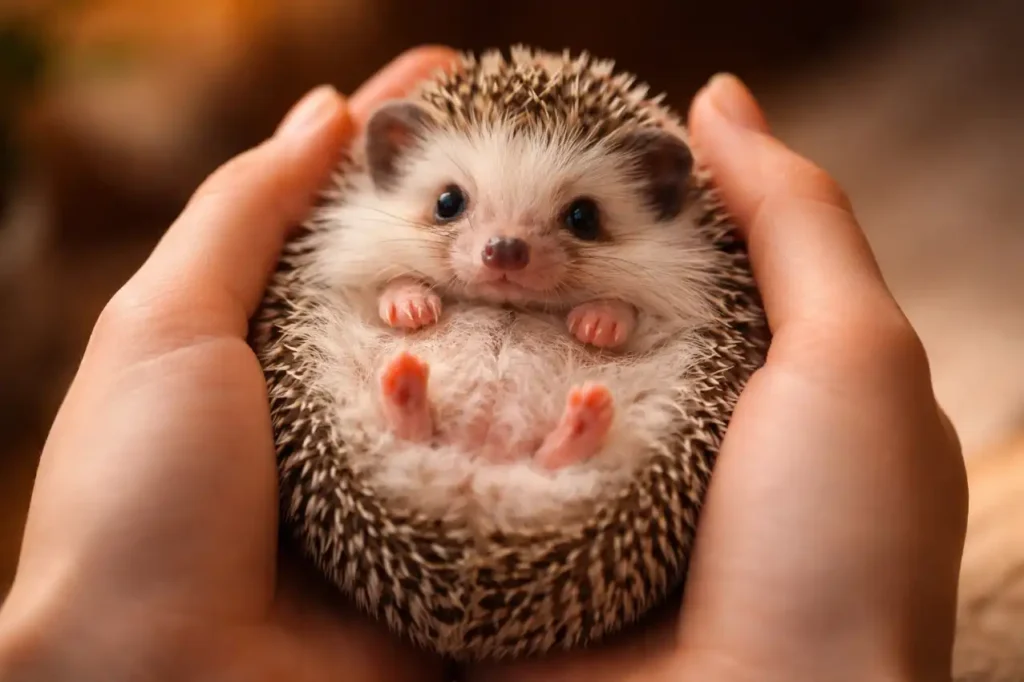
Despite their spines, hedgehogs have adorable faces and the endearing habit of curling into defensive balls. African pygmy hedgehogs are popular pets.
91. Snow Leopard
Fluffy tails as long as their bodies and pale blue eyes make snow leopards both majestic and cute. They bite their tails to keep warm.
90. Puffin
Called “sea parrots,” puffins have colorful beaks and waddling walks. Their clown-like appearance and monogamous relationships are heartwarming.
89. Sugar Glider
These marsupials glide through the air and have enormous eyes for nighttime navigation. They bond strongly with their colony members.
88. Quoll
Spotted marsupials from Australia with pink noses and bushy tails. Eastern quolls resemble miniature cats with polka dots.
87. Axolotl
With permanent smiles and feathery gills, axolotls look like underwater Pokémon. They can regenerate entire limbs.
86. Guinea Pig
Squeaking for vegetables and “popcorning” when happy, guinea pigs are expressive and social. Long-haired breeds are especially fluffy.
85. Lemur
Ring-tailed lemurs have striking eyes and dramatic striped tails. They sunbathe in yoga-like poses each morning.
84. Bunny Rabbit
Twitching noses, long ears, and soft fur make rabbits perennial favorites. Lop-eared varieties with floppy ears are particularly adorable.
83. Chipmunk
Striped backs and stuffed cheek pouches make chipmunks look perpetually snacking. They’re incredibly photogenic creatures.
82. Slow Loris
Huge eyes and slow movements create an otherworldly cuteness. However, they’re venomous and suffer greatly in illegal pet trade.
81. Dolphin
Permanent smiles, playful behavior, and remarkable intelligence make dolphins ocean ambassadors. Bottlenose dolphins are especially friendly.
Adorable Excellence: Rankings 80-61
80. Baby Sloth
Slow movements and gentle smiles make sloths zen masters of cuteness. Baby sloths cling to their mothers with endearing determination.
79. Chinchilla
The softest fur on Earth (60 hairs per follicle) makes chinchillas living clouds. They take dust baths to clean their luxurious coats.
78. Beluga Whale
Called “sea canaries” for their vocalizations, belugas have bulbous heads and expressive faces. They can change their facial expressions.
77. Dwarf Hamster
Even smaller than regular hamsters, dwarf varieties are pocket-sized cuteness. Roborovski hamsters are the tiniest.
76. Squirrel Monkey
Expressive faces framed by white fur create “mask” patterns. These small primates have proportionally the largest brains of any primate.
75. Caracal
Tufted ears like lynxes and expressive faces combine elegance with cuteness. Caracal kittens are particularly playful.
74. Harbor Seal
Round bodies, whiskered faces, and curious expressions make harbor seals aquatic teddy bears. Pups have heart-melting eyes.
73. Dik-Dik
Africa’s smallest antelope species, standing just 12-16 inches tall. Their enormous eyes and delicate features are captivating.
72. Japanese Macaque
Snow monkeys bathing in hot springs are icons of relaxation. Their pink faces and thick winter coats are distinctly charming.
71. Pygmy Goat
Miniature versions of regular goats with the same playful, jumping behavior. Their tiny bleats are hilariously squeaky.
70. Serval
Long legs, large ears, and spotted coats give servals exotic beauty. They’re incredibly agile hunters with endearing curiosity.
69. Wombat
Cube-shaped poop and backwards pouches make wombats quirky cute. Baby wombats, called joeys, are irresistibly fuzzy.
68. Flying Squirrel
Gliding membranes and huge eyes for nighttime flying create adorable proportions. Southern flying squirrels are particularly social.
67. Tamarin (Golden Lion)
Flame-colored manes around their faces make golden lion tamarins look regal. They’re highly endangered with fewer than 3,200 in the wild.
66. Manatee
Gentle giants that move slowly and eat vegetation peacefully. Their whiskered faces and curious nature are endlessly endearing.
65. Numbat
Striped backs, pointed snouts, and bushy tails make numbats unique. These Australian marsupials exclusively eat termites.
64. Wallaby
Smaller cousins of kangaroos with the same adorable hopping. Rock wallabies are particularly athletic climbers.
63. Binturong
Also called bearcats, they smell like popcorn and have prehensile tails. Their shaggy fur and whiskers create mystical appearances.
62. Scottish Fold Cat
Folded ears and round faces create owl-like expressions. These cats originated from a natural genetic mutation in Scotland.
61. Baby Giraffe
Impossibly long legs and necks make newborn giraffes adorably awkward. They’re 6 feet tall at birth but remarkably gentle.
Peak Cuteness: Rankings 60-41
60. Otter (Asian Small-Clawed)
The smallest otter species with the most dexterous paws. They hold hands and make chirping sounds to communicate.
59. Clouded Leopard
Enormous canine teeth and cloud-patterned coats combine fierce with cute. They’re excellent climbers with long tails for balance.
58. Kinkajou
Nicknamed “honey bears,” kinkajous have prehensile tails and love sweet fruits. Their round faces and large eyes are captivating.
57. Jerboa
Kangaroo rats of the desert with disproportionately long legs. They hop bipedally and have enormous ears for hearing predators.
56. Emperor Penguin Chick
Fluffy gray down and oversized feet make emperor chicks walking puffballs. They huddle together for warmth in Antarctic winters.
55. Loris (Pygmy Slow)
Even smaller than regular slow lorises with proportionally larger eyes. Their slow-motion movements are hypnotically cute.
54. Bush Baby (Galago)
Named for their cry that sounds like a human baby, bush babies have enormous eyes and exceptional jumping abilities.
53. Pomeranian Dog
Fluffy foxface poms look like teddy bears. They’re descended from larger sled dogs but bred down to toy size.
52. Lynx
Tufted ears, spotted coats, and snowshoe paws make lynxes winter beauties. Iberian lynx are critically endangered.
51. Beaver
Engineering geniuses with paddle tails and impressive dam-building skills. Baby beavers (kits) are surprisingly playful.
50. Harvest Mouse
Europe’s smallest rodent, small enough to sit on wheat stalks. They build spherical nests suspended in tall grasses.
49. Capybara
The world’s largest rodent but remarkably gentle and social. Other animals love resting on their backs while they relax.
48. Margay
Small spotted wildcats with proportionally the largest eyes of any cat. They can rotate their ankles 180 degrees for climbing.
47. Sable
Related to martens with luxuriously soft fur and bushy tails. Their expressive faces and curious nature are compelling.
46. White-Tailed Deer Fawn
Spotted coats for camouflage and wobbly legs make fawns spring icons. They curl up motionlessly when mother forages.
45. Pointer Puppy
German shorthaired pointer puppies have oversized ears and spotted coats. Their playful personalities shine through immediately.
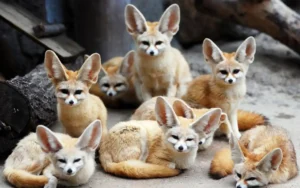
44. Desert Fox (Fennec)
The smallest fox species with ears that can be half their body height. They dissipate heat and amplify adorableness.
43. Ring-Tailed Lemur
Striped tails longer than their bodies and hypnotic orange eyes. They sunbathe with arms outstretched in “sun worship.”
42. Owl (Barn Owl Chicks)
Heart-shaped faces and fluffy white down make barn owl chicks otherworldly. They sway back and forth when threatened.
41. Red Panda Cub
Baby red pandas are miniature versions of already toy-like adults. They develop their characteristic markings gradually.
The Elite of Adorable: Rankings 40-21
40. Cavalier King Charles Spaniel
Bred specifically as companion dogs with expressive eyes and gentle temperaments. Their long, silky ears are perpetually soft.
39. Prairie Dog
Social rodents that “kiss” for identification and live in complex towns. They jump straight up and squeak warnings to neighbors.
38. Least Weasel
The world’s smallest carnivore but disproportionately brave. Their tiny size and elongated bodies create unique cuteness.
37. Mountain Pygmy Possum
Australia’s only hibernating marsupial and one of its smallest. They survive beneath snow for months each year.
36. Sand Cat
Desert-adapted wildcats that retain kitten-like features into adulthood. Enormous ears and fuzzy paws protect against hot sand.
35. Cottontail Rabbit
Wild rabbits with fluffy white tails and alert expressions. Eastern cottontails are the most widespread American rabbit.
34. Dormouse
Hazel dormice spend seven months hibernating and have golden fur. They’re Britain’s only dormouse species and critically declining.
33. Klipspringer
Tiny African antelopes that stand on hoof tips like ballet dancers. They mate for life and live on rocky outcrops.
32. Baby Polar Bear
Emerging from dens as tiny cubs, polar bears are vulnerable yet adorable. They stay with mothers for over two years learning survival.
31. Angora Rabbit
The fluffiest rabbits imaginable with wool requiring regular grooming. English angoras have facial furnishings creating puffball appearances.
30. African Wild Dog Pup
Oversized rounded ears and patchy coloring make pups distinctly adorable. They’re highly endangered with exceptional pack cooperation.
29. Stoat (Ermine)
Brown in summer but pure white in winter except black tail tips. Their bouncing hunting style is entertaining and effective.
28. Pika
Round mountain mammals that collect “hay piles” for winter. American pikas vocalize with distinctive high-pitched calls.
27. Harp Seal Pup
White fluffy coats last only three weeks but create iconic cuteness. They’re born on ice floes in harsh Atlantic conditions.
26. Mini Lop Rabbit
Compact rabbits with folded ears and sweet expressions. They’re social animals requiring companionship and enrichment.
25. Pygmy Hippopotamus
Miniature versions of common hippos weighing only 400-600 pounds. Fewer than 2,500 remain in West African forests.
24. Japanese Dwarf Flying Squirrel
Enormous eyes for nocturnal gliding and impossibly soft gray-brown fur. They’re endemic to Japan’s mountainous forests.
23. Bengal Cat Kitten
Spotted or marbled coats resembling miniature leopards with playful dog-like personalities. They love water and interactive play.
22. Arctic Fox (Summer)
Summer coats are brown-gray but winter transforms them into white puffballs. Their fur is the warmest of any mammal.
21. Bichon Frise
Puffy white clouds of cheerful energy with hypoallergenic coats. Their name means “curly lap dog” in French.
The Cutest of the Cute: Rankings 20-11
20. Netherland Dwarf Rabbit
The smallest rabbit breed with proportionally enormous eyes and tiny ears. They retain juvenile features throughout their lives.
19. Alpaca (Cria)
Baby alpacas are walking teddy bears with soft fleece and curious personalities. They pronk (jump with all four feet) when excited.
18. Munchkin Cat
Short legs from genetic mutation create permanent kitten proportions. They’re surprisingly agile despite their stature.
17. Pygmy Jerboa
The world’s smallest rodent at just 2 inches long. Their kangaroo-like proportions are impossibly adorable at miniature scale.
16. Baby Raccoon
Gray fluffy fur, miniature masks, and tiny human-like paws. Kits stay with mothers learning survival skills for months.
15. Golden Retriever Puppy
Floppy ears, golden coats, and joyful personalities make golden puppies universally beloved. They’re bred for gentle mouths and temperaments.
14. Pallas’s Cat
The fluffiest wildcats with grumpy permanent expressions. Their stocky builds and short legs create round, toy-like silhouettes.
13. Teacup Pig (Miniature Pig)
Despite “teacup” marketing, mini pigs still reach 50-150 pounds. However, piglets are undeniably adorable with curly tails and snouts.
12. Hedgehog (African Pygmy)
Domesticated hedgehogs with approachable personalities and soft underbellies. Their defensive curling and snuffling sounds are endearing.
11. Labrador Retriever Puppy
America’s most popular breed as puppies with oversized paws and boundless energy. Their otter-like tails and soft coats are irresistible.
The Top 10 Cutest Animals on Earth
10. Corgi Puppy
Short legs, large ears, and fluffy butts make corgi puppies internet sensations. Pembroke Welsh corgis were bred to herd cattle.
Why they rank here: Their perpetual smiles and comical proportions trigger maximum cuteness response.
9. Quokka
Known as the world’s happiest animal with permanent smiles and selfie-friendly personalities. These Australian marsupials hop like tiny kangaroos.
Conservation note: Vulnerable species limited mainly to Rottnest Island, Western Australia.
8. Fennec Fox
Desert adaptations create oversized ears on petite 2-3 pound bodies. Their cream-colored fur and huge eyes are captivating.
Fun fact: Their ears can be 6 inches long—half their body height—for cooling and prey detection.
7. Seal Pup (Spotted)
Harbor seal pups and grey seal pups have enormous dark eyes and whiskered faces. They’re born able to swim immediately.
Adorable behavior: Pups make crying sounds when calling for mothers, amplifying their baby appeal.
6. Baby Panda
Black eye patches, clumsy rolling movements, and tiny size at birth (4-5 ounces) make panda cubs legendary. They develop markings gradually.
Development: Cubs are pink, blind, and hairless at birth but quickly become the world’s most recognized cute animal.
5. Meerkat Pup
Born in underground burrows, meerkat pups emerge with oversized heads and curious expressions. The whole clan helps raise them cooperatively.
Social cuteness: Baby meerkats practice sentinel behavior by watching adults on lookout duty.
4. Koala Joey
Emerging from pouches as miniature versions of adults, joeys cling to mothers’ backs. They eat specialized “pap” from mothers before eucalyptus.
Unique feature: Born at just 0.5 grams, joeys develop entirely in the pouch for six months.
3. Penguin Chick (Emperor)
Fluffy gray down makes emperor chicks unrecognizable as future sleek adults. They huddle in crèches while parents hunt at sea.
Survival cuteness: Their fluffiness provides insulation in -40°F Antarctic temperatures.
2. Red Panda
Cinnamon fur, bushy ringed tails, and waddling walks make red pandas perfect plushie lookalikes. They stand on hind legs when startled.
Behavioral adorableness: They sleep in trees with tails wrapped around themselves for warmth.
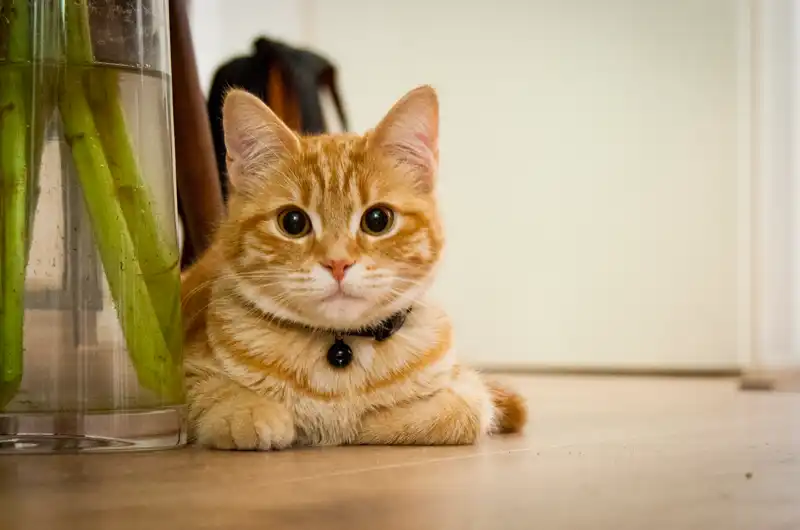
1. Kitten (Domestic Cat)
The ultimate cute animal, kittens have perfected the art of adorableness. Oversized eyes, tiny meows, playful pouncing, and soft fur create irresistible appeal.
Why they’re #1: Kittens possess every scientifically proven cuteness trigger simultaneously—large eyes, round faces, small size, soft features, playful behavior, and helplessness that triggers nurturing instincts. Their ability to bond with humans while maintaining independence creates the perfect companion animal.
Global impact: Cats are the most popular pet globally, with an estimated 600 million domestic cats worldwide.
Honorable Mentions: Animals That Almost Made the List
- Siberian Husky Puppies – Blue eyes and fluffy coats
- Mini Donkey – Gentle giants in miniature form
- Pygmy Owl – Tiny raptors with fierce attitudes
- Baby Kangaroo (joey) – Emerging from pouches
- Dachshund Puppy – Elongated bodies and floppy ears
- Sea Bunny (sea slug) – Aquatic creature resembling a rabbit
- Dumbo Octopus – Deep-sea octopus with ear-like fins
- Samoyed Dog – Perpetually smiling white fluffballs
- Chinstrap Penguin – Distinctive facial markings
- Baby Tapir – Striped and spotted for camouflage
How to Appreciate Cute Animals Responsibly
While these animals trigger our nurturing instincts, it’s crucial to remember they’re wild creatures or require proper care:
For Wild Animals:
- Observe from safe distances – Never approach or feed wildlife
- Support conservation efforts – Donate to reputable organizations
- Choose ethical tourism – Select operators prioritizing animal welfare
- Combat illegal pet trade – Never purchase wild animals as pets
- Respect habitats – Follow Leave No Trace principles outdoors
For Domestic Animals:
- Research breed requirements – Understand commitment before adoption
- Adopt, don’t shop – Millions of animals need homes in shelters
- Provide proper care – Veterinary care, appropriate diet, enrichment
- Consider adult animals – Older pets need love too and often make better companions
- Spay and neuter – Prevent overpopulation and health issues
The Conservation Connection: Why Cuteness Matters
Adorable animals often become “flagship species” that inspire conservation efforts benefiting entire ecosystems. When we protect pandas, we preserve bamboo forests housing hundreds of other species. Supporting red panda conservation protects Himalayan forests crucial for global climate regulation.
Take Action:
- Support wildlife organizations – WWF, Wildlife Conservation Society, Defenders of Wildlife
- Reduce your environmental footprint – Climate change threatens habitats
- Spread awareness – Educate others about conservation issues
- Vote for conservation – Support politicians prioritizing environmental protection
- Volunteer locally – Help wildlife rehabilitation centers or habitat restoration
Why We’re Hardwired to Love Cute Animals
Our attraction to cute animals isn’t just emotional—it’s evolutionary. The same features that make us want to care for human babies trigger similar responses to animals with:
- Neotenous features – Juvenile characteristics retained into adulthood
- Vulnerability signals – Features indicating need for protection
- Non-threatening appearance – Rounded features versus angular predatory looks
- Relatability – Animals with expressive faces we can interpret
This biological programming served our ancestors well for protecting offspring but now extends to countless species, creating powerful emotional connections that drive conservation support.
Final Thoughts: Celebrating Nature’s Adorable Diversity
From the frozen Arctic to tropical rainforests, cute animals capture our hearts across every ecosystem. While these 100 rankings celebrate adorableness, each animal plays vital roles in complex ecological relationships. The sea otter controls sea urchin populations protecting kelp forests. The beaver creates wetlands supporting hundreds of species. Even the humble kitten’s wild ancestors control rodent populations globally.
By appreciating these animals’ cuteness, we’re drawn into deeper understanding of nature’s interconnectedness. Every “aww” moment can become a gateway to conservation awareness, responsible pet ownership, or ecological education.
Whether you’re a wildlife photographer, animal lover, educator, or simply someone who appreciates nature’s beauty, these 100 animals remind us why protecting biodiversity matters. Cuteness may be subjective, but the value of preserving these species for future generations is universal.
What’s your favorite cute animal? Share your thoughts and help spread awareness about protecting the world’s most adorable creatures!
You May Also Like