Top 10 Cutest Baby Animals Born in Zoos This Year
There’s something absolutely magical about seeing a baby animal take its first wobbly steps or hearing about a rare species welcoming a new member to their family. If you’re anything like me, scrolling through zoo announcements of adorable newborns instantly brightens your day. But these births are more than just cute photo opportunities—they represent hope for conservation, genetic diversity, and sometimes even the survival of endangered species.
This year has been remarkable for zoos worldwide, with some truly heartwarming arrivals that have captured the world’s attention. From tiny marsupials to massive elephant calves, these baby animals remind us why conservation efforts matter so much. Let me walk you through the ten most adorable (and significant) zoo babies born this year, complete with what makes each one special.
Why Zoo Births Matter More Than You Think
Before we dive into our countdown, let’s talk about why these births are so important. Working with conservation educators over the years, I’ve learned that zoo breeding programs aren’t just about having cute babies for visitors to admire. These are carefully coordinated efforts involving:
- Species Survival Plans (SSPs) that manage genetic diversity
- Conservation breeding for critically endangered species
- Educational opportunities that connect people with wildlife
- Research insights into animal reproduction and care
- Potential reintroduction programs back into the wild
Every healthy baby born in a reputable zoo represents months (sometimes years) of planning, careful animal management, and dedication to preserving our planet’s incredible biodiversity.
The Top 10 Cutest Zoo Baby Animals of This Year
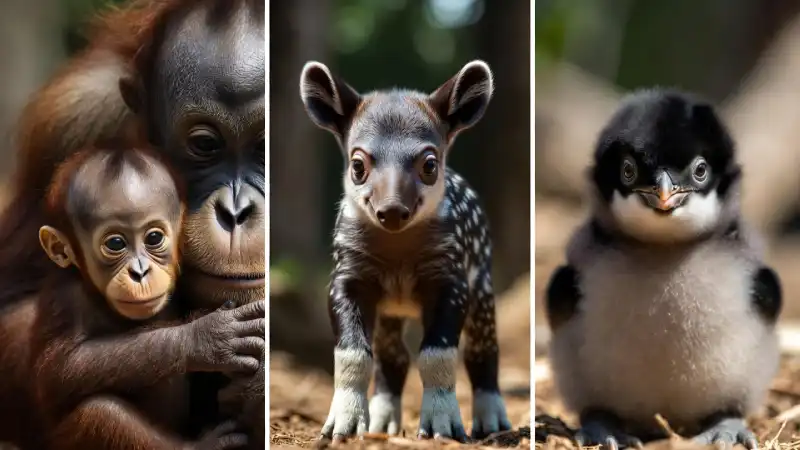
1. Endangered Sumatran Orangutan Baby – Chester Zoo, UK
Why This Little One Melted Hearts:

The birth of a Sumatran orangutan is always significant, but this particular arrival at Chester Zoo was extra special. Born to first-time mother Emma, this tiny orange bundle represents a critically endangered species with fewer than 14,000 individuals left in the wild.
What Makes Them Adorable:
- Those impossibly long arms clinging to mom
- Bright, curious eyes taking in the world
- Wispy orange hair that sticks up in all directions
- The tender way Emma cradles her baby
Conservation Impact: Sumatran orangutans face habitat loss due to palm oil plantations and deforestation. Every birth in captivity helps maintain genetic diversity and raises awareness about their plight.
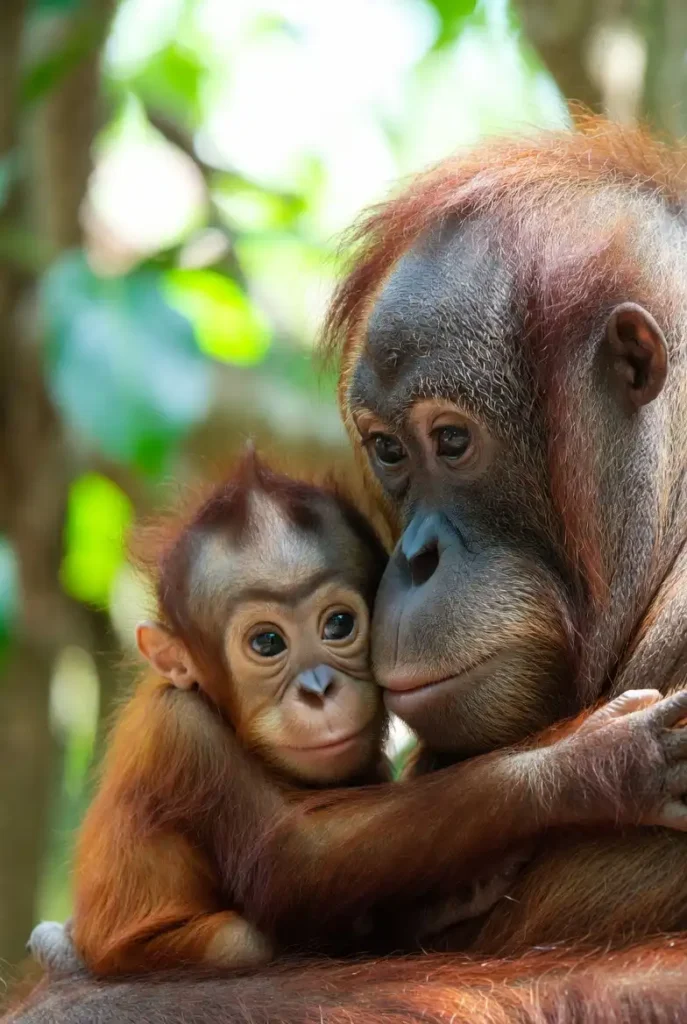
In my experience watching orangutan mothers, the bond between parent and infant is one of the most touching things you’ll ever witness. Emma has been an attentive mother, and watching her navigate first-time parenthood has been beautiful.
2. Rare African Penguin Chicks – Multiple Zoos
The Fluffy Gray Bundles:
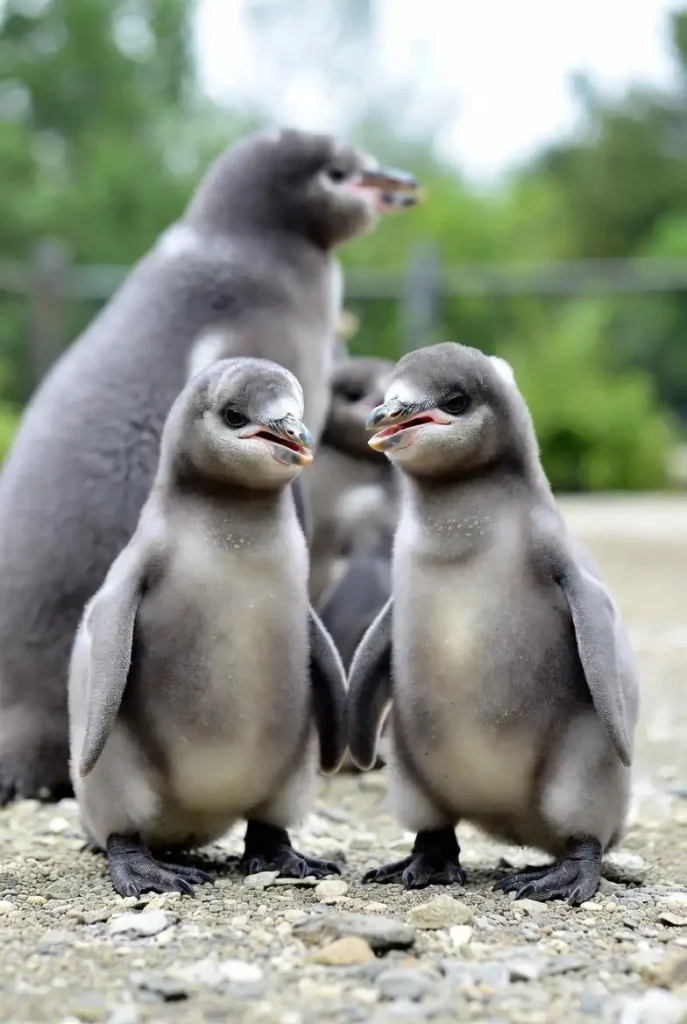
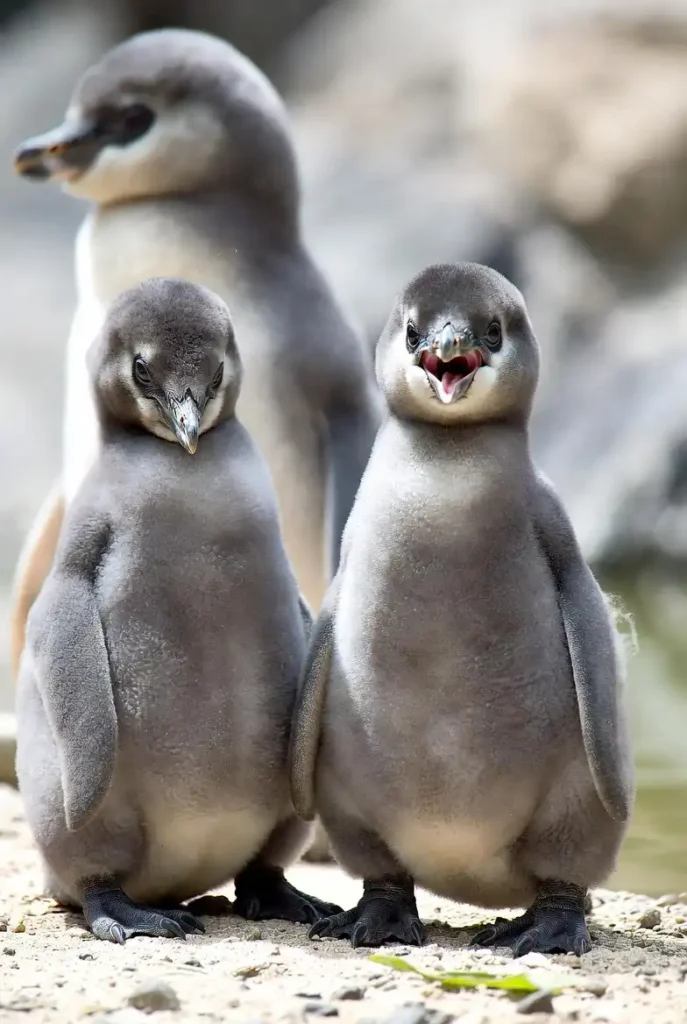
Several zoos reported successful African penguin hatchings this year, and honestly, is there anything cuter than a fluffy penguin chick? These little ones start out looking like gray puffballs before developing their distinctive tuxedo coloring.
Why They’re Special:
- African penguins are endangered, with populations declining 80% in recent decades
- Chicks have that adorable “awkward teenager” phase
- They make the sweetest peeping sounds while begging for food
- Watching them learn to swim is comedy gold
Quick Facts:
- Baby penguins are called chicks
- They’re fed regurgitated fish by both parents
- It takes about 60-130 days before they’re independent
- Those fluffy feathers aren’t waterproof yet!
See also: [Link to Penguin Care and Behavior Guide]
3. Giant Panda Cub – Smithsonian’s National Zoo, Washington D.C.
The Tiny Superstar:
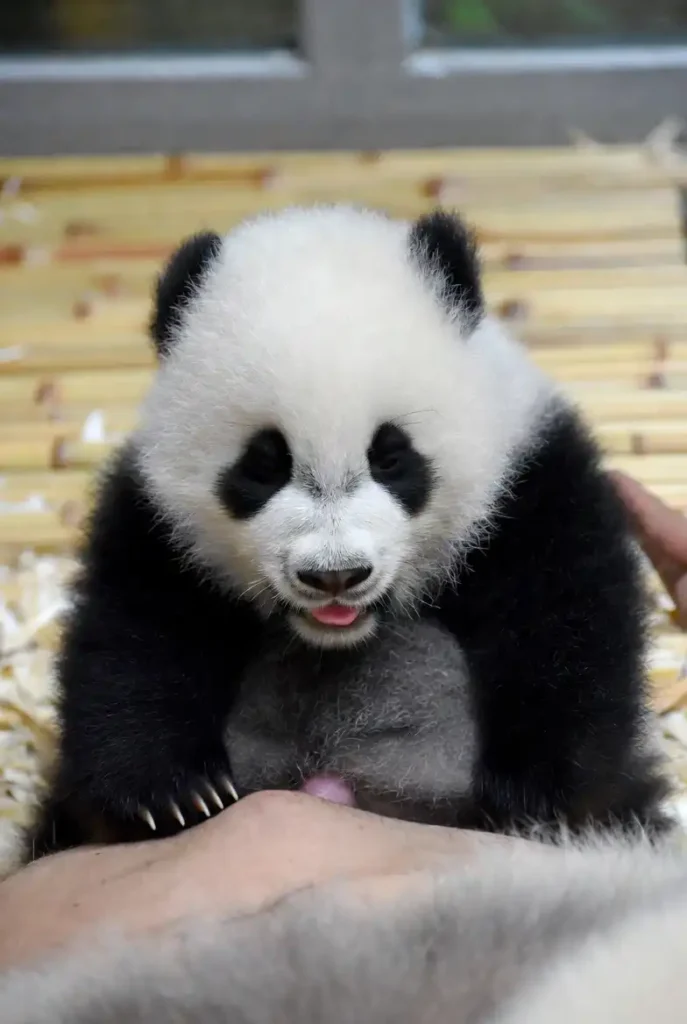
Panda cubs are basically the royalty of zoo babies, and this year’s addition didn’t disappoint. Born pink, hairless, and weighing just a few ounces, panda cubs undergo one of the most dramatic transformations in the animal kingdom.
What Makes Panda Cubs Irresistible:
- They’re born 1/900th the size of their mother
- That iconic black and white coloring develops gradually
- Their tiny squeaks sound nothing like adult panda vocalizations
- Watching them learn to walk is hilariously clumsy
Behind the Scenes: After working with zookeepers who’ve raised panda cubs, I’ve learned that these births require incredible precision. Female pandas are only fertile for 24-72 hours per year, making every successful pregnancy a huge achievement.
4. Asian Elephant Calf – Dublin Zoo, Ireland

The Long-Awaited Arrival:
There’s something incredibly joyful about watching an elephant herd welcome a new member. This year’s calf at Dublin Zoo brought the herd together in the most beautiful way, with aunties and siblings all eager to meet the newest family member.
Why Elephant Babies Steal Hearts:
- They weigh around 250 pounds at birth but still look tiny next to mom
- Those oversized ears they haven’t quite grown into yet
- The way they trip over their own trunk
- The protective circle the herd forms around them
Social Significance: In my observations of elephant families, the birth of a calf is a communal celebration. Every member of the herd plays a role in raising the baby, teaching us valuable lessons about family bonds.
Gestation: Female elephants carry their babies for 22 months—the longest of any land mammal!
5. Red Panda Twins – Zoo Zurich, Switzerland
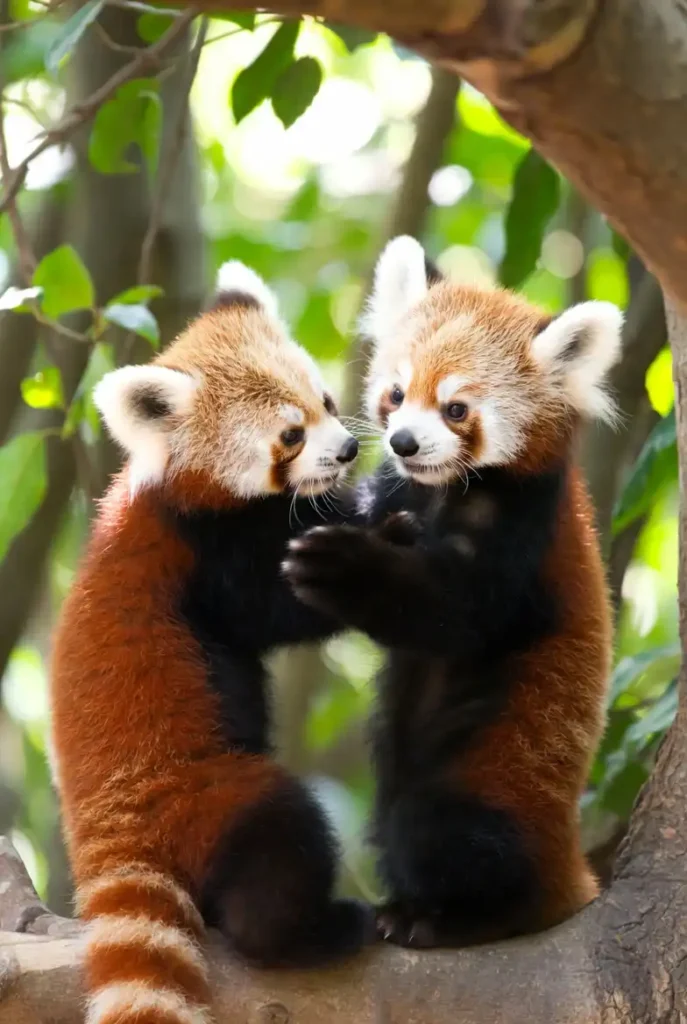
Red Panda Twins – Zoo Zurich
Double the Cuteness:
If you thought one red panda cub was adorable, imagine two! These fluffy, rust-colored twins have been camera favorites since their debut. Red pandas aren’t actually closely related to giant pandas—they’re more like large, tree-dwelling raccoons.
Twin Adorableness Includes:
- Synchronized sleeping in impossible positions
- Wrestling matches on tree branches
- Those ridiculously fluffy tails (longer than their bodies!)
- Masked faces that give them a perpetually surprised look
Conservation Status: Red pandas are endangered, with fewer than 10,000 in the wild. Climate change and habitat fragmentation are their biggest threats.
Fun Observation: Baby red pandas are born blind and completely dependent on mom for the first few weeks. Watching them gain confidence and start climbing is absolutely delightful.
6. White Rhino Calf – San Diego Zoo Safari Park, USA
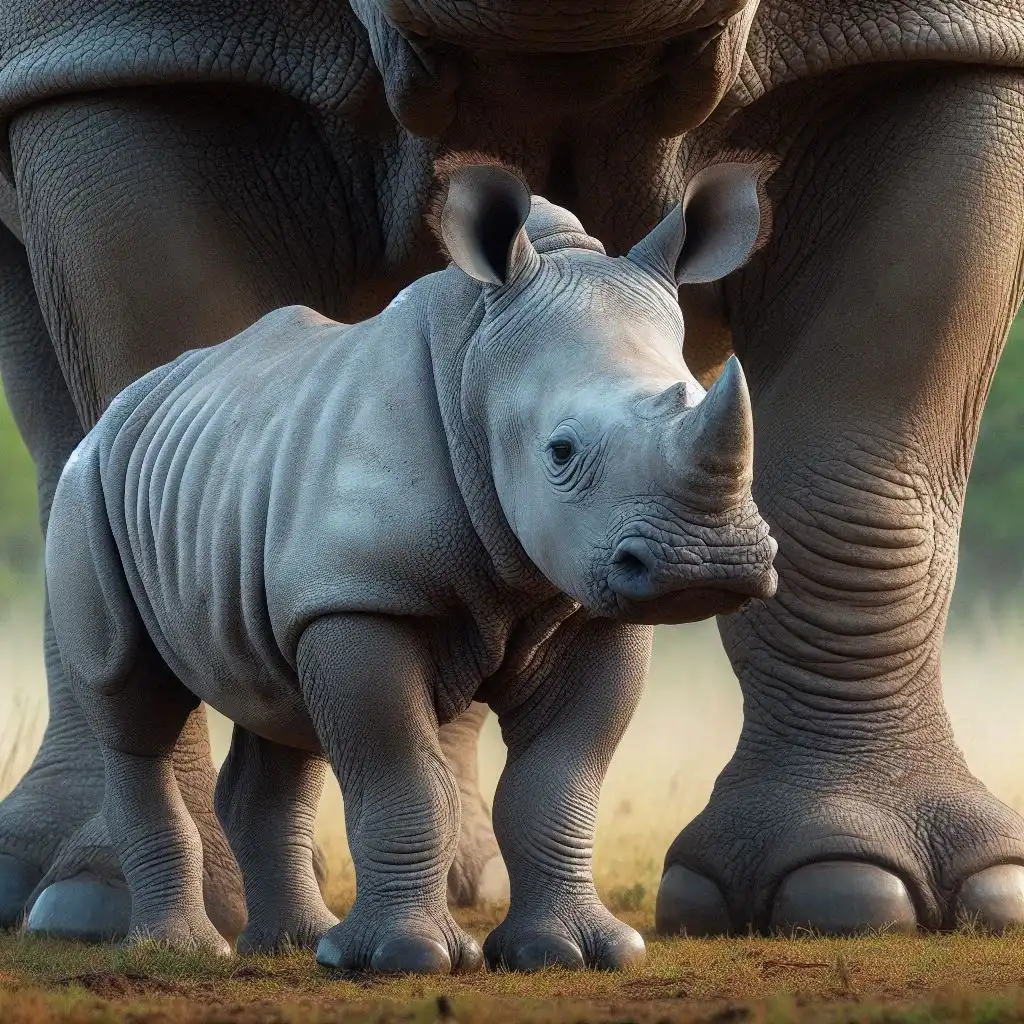
The Chunky Little Tank:
There’s something wonderfully prehistoric about baby rhinos. This particular calf has been thriving at San Diego Zoo Safari Park, representing hope for a species that’s faced severe poaching pressure.
What Makes Rhino Calves Special:
- They can stand and walk within an hour of birth
- Born weighing 100-150 pounds (that’s one big baby!)
- Their horns start as small bumps
- The protective bond with mom is incredibly strong
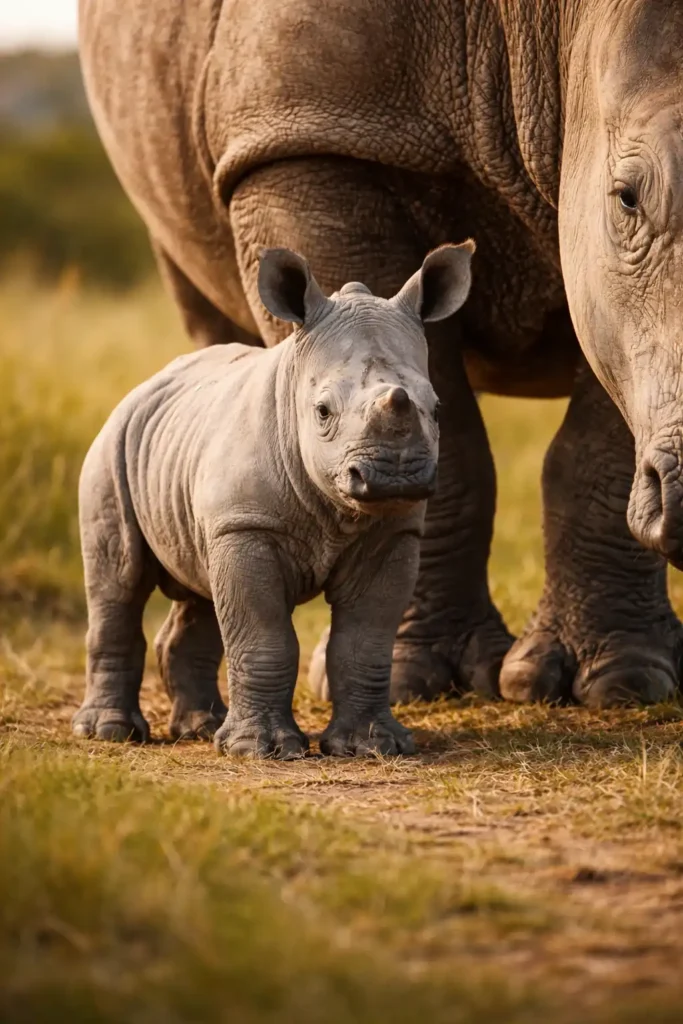
Conservation Context: While white rhinos have recovered somewhat thanks to conservation efforts, their cousins the northern white rhinos are functionally extinct with only two females remaining. Every successful birth matters.
See also: [Cute Exotic Animals You’ve Probably Never Heard Of]
7. Pygmy Hippopotamus – Bristol Zoo Gardens, UK
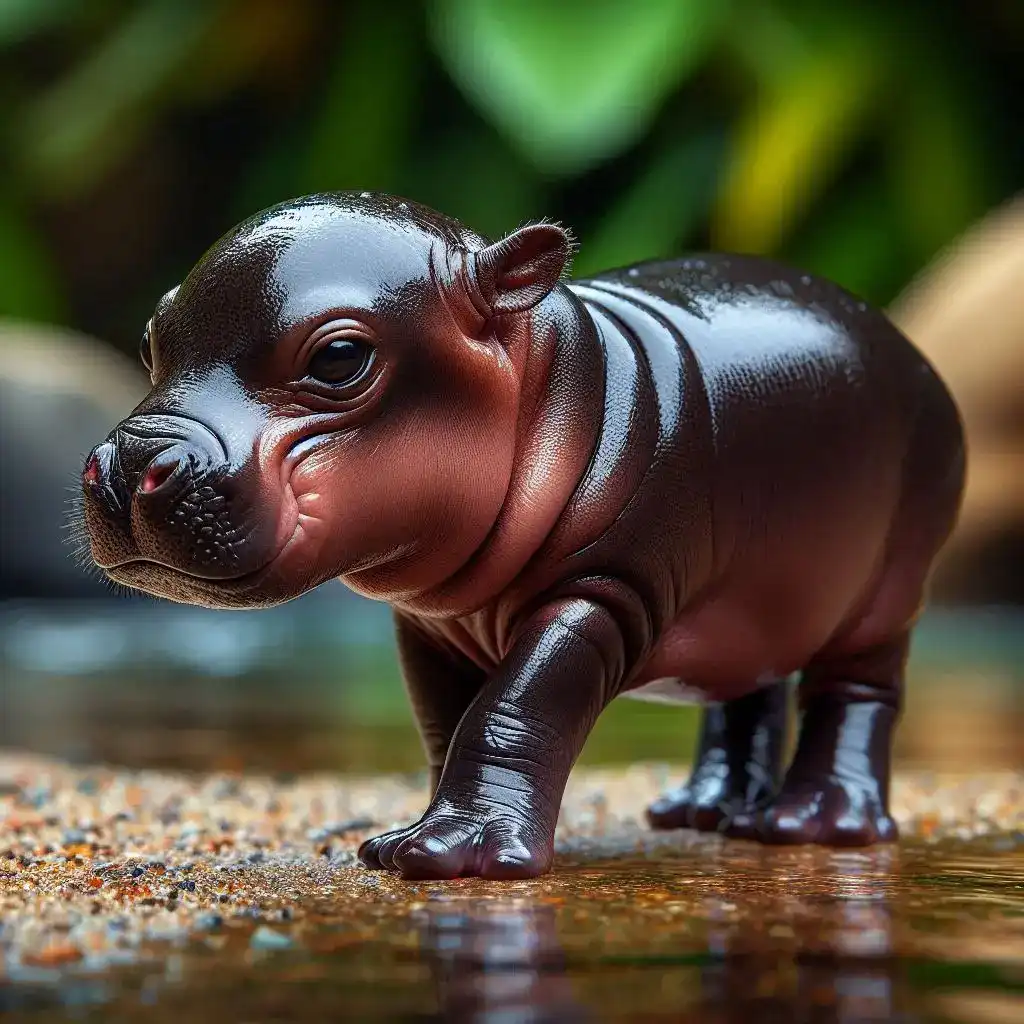
The Miniature River Horse:
Unlike their massive common hippo cousins, pygmy hippos are relatively small—but their babies? Absolutely tiny in comparison. This year’s calf has been learning to navigate both land and water with increasing confidence.
Why They’re Adorably Unique:
- They’re born weighing only 10-14 pounds
- Pygmy hippos are much more terrestrial than common hippos
- That shiny skin that always looks freshly polished
- Their shy, gentle nature compared to larger hippos
Rare Status: There are only about 2,000-3,000 pygmy hippos left in the wild, found primarily in West African forests. They’re endangered due to habitat loss and hunting.
In my experience, pygmy hippos are often overlooked compared to their larger relatives, but they’re fascinating animals with unique adaptations to forest life.
8. Malayan Tapir Calf – Zoo Atlanta, USA
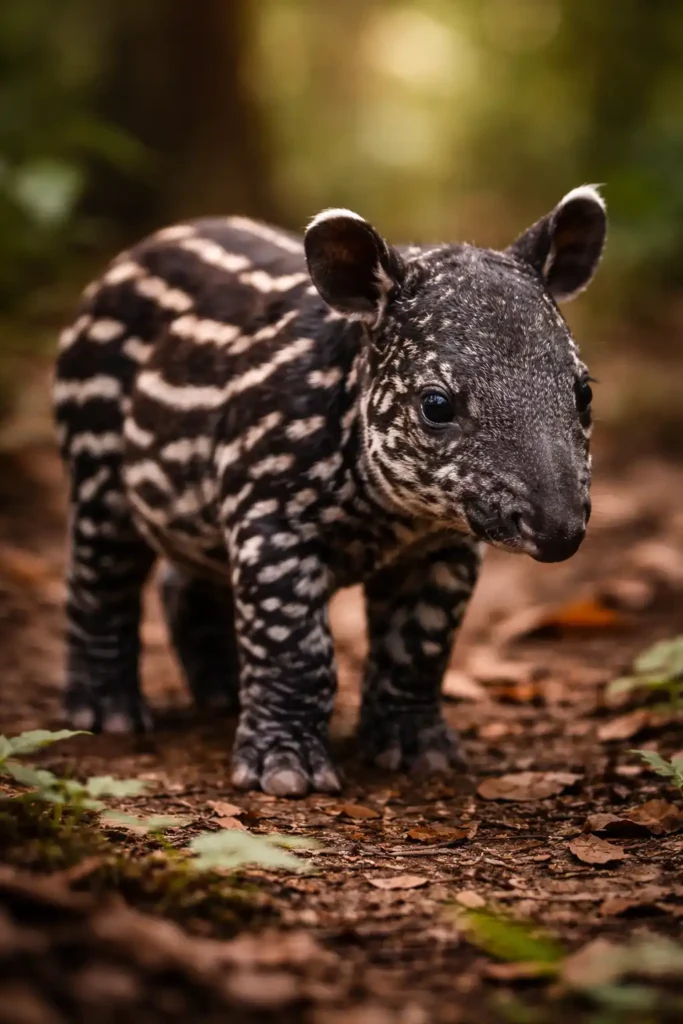
The Watermelon Baby:
If you haven’t seen a baby tapir, prepare yourself. These little ones are born with a spotted and striped pattern that makes them look like walking watermelons—it’s camouflage in their natural forest habitat. As they grow, these markings fade to the distinctive black-and-white coloring of adults.
Cuteness Features:
- That incredible watermelon pattern (lasts about 6 months)
- The short, flexible trunk (they’re related to rhinos and horses!)
- Oversized ears they’ll eventually grow into
- Their love of water and swimming from an early age
Behavioral Note: Tapir calves stay close to mom and are excellent swimmers almost immediately. The spotted pattern helps them blend into the dappled forest floor when resting.
9. Amur Leopard Cub – Twycross Zoo, UK
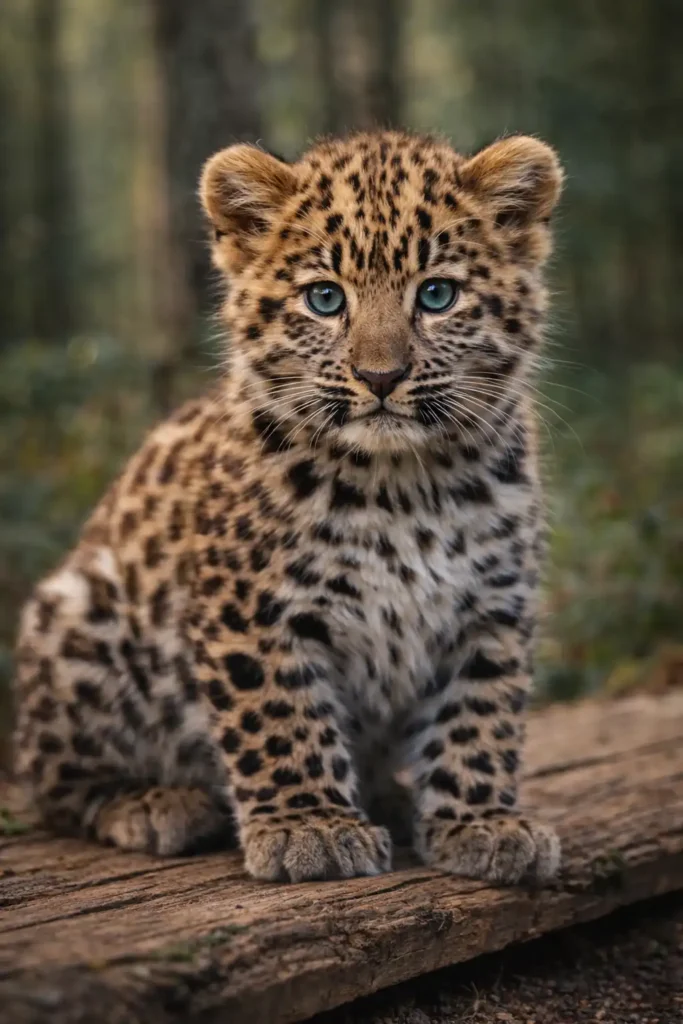
The Rarest Big Cat Baby:
With fewer than 100 Amur leopards remaining in the wild, this cub represents one of the world’s most critically endangered big cats. Those stunning rosettes and piercing blue-green eyes make leopard cubs absolutely mesmerizing.
What Makes This Cub Extraordinary:
- Amur leopards are THE rarest big cat species
- Cubs are born with their eyes closed for the first week
- That thick, fluffy coat adapted for cold Russian winters
- The playful pouncing and stalking behavior emerging early
Genetic Importance: Every Amur leopard birth in captivity is carefully managed to maintain genetic diversity. This cub’s lineage was specifically chosen to strengthen the captive population.
After learning about the dedicated conservation efforts for Amur leopards, I’ve gained such respect for the coordination between zoos worldwide working to save this species.
10. Koala Joey – Australian Reptile Park, Australia
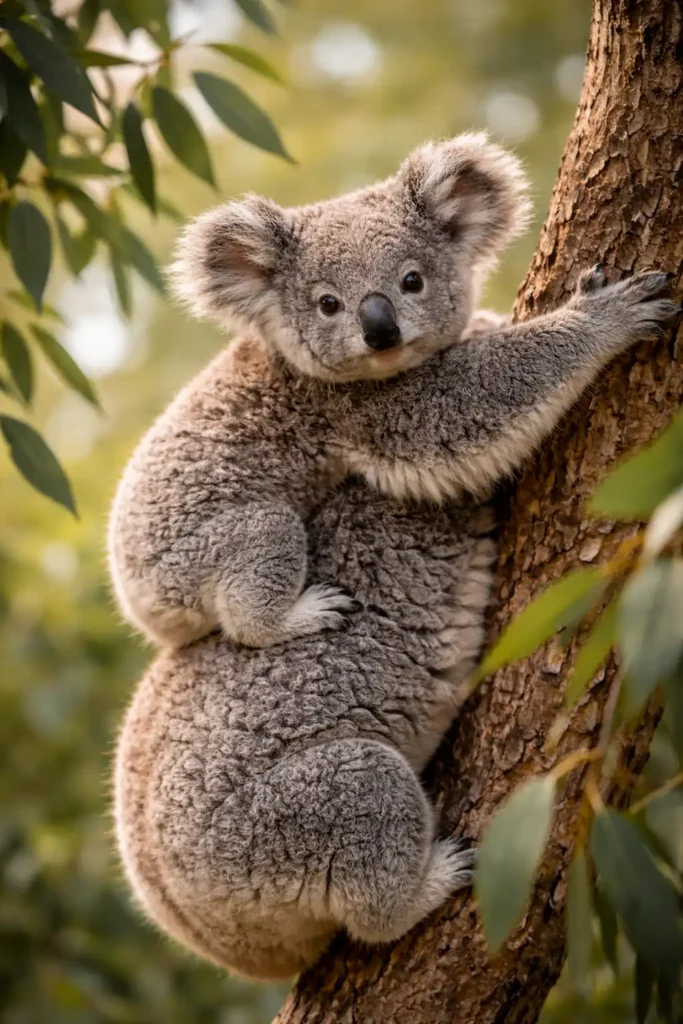
The Pocket-Sized Marsupial:
Koala joeys have one of the most unique developmental journeys of any mammal. Born the size of a jellybean, they crawl into mom’s pouch where they develop for about six months before emerging into the world.
Joey Journey Highlights:
- Born after only 35 days of pregnancy
- Spend 6 months developing in the pouch
- Eventually peek out and ride on mom’s back
- Those fuzzy ears and button nose are irresistible
Eucalyptus Education: Baby koalas must transition from milk to eucalyptus leaves—one of the most challenging diets in nature. They eat a special substance called “pap” from their mother to acquire the gut bacteria needed to digest toxic eucalyptus.
Conservation Challenge: Koalas face threats from habitat loss, bushfires, disease, and climate change affecting eucalyptus forests.
What You Can Learn from Zoo Baby Animals
Watching these baby animals grow teaches us valuable lessons about:
Maternal Behavior:
- The intensive care most animal mothers provide
- How different species approach parenting (hands-on vs. independent)
- The critical bonding period after birth
- Multi-generational family support in social species
Development Milestones:
- Each species has unique developmental timelines
- Environmental enrichment matters even for babies
- Play behavior serves important learning functions
- Gradual independence is crucial for wild survival skills
Conservation Connection: Seeing these babies helps people understand why preserving habitats matters. It’s hard not to care about orangutans when you’ve watched a baby cling to its mother or seen a penguin chick take its first swim.
How Zoos Ensure Healthy Baby Arrivals
Behind every cute zoo baby is a team of dedicated professionals. Here’s what goes into successful breeding programs:
Pre-Breeding Preparation
- Genetic matching through international databases
- Health screenings for both parents
- Habitat optimization to encourage natural breeding
- Nutritional preparation for pregnancy
Pregnancy Monitoring
- Regular veterinary check-ups
- Ultrasounds for some species
- Behavioral observation for signs of labor
- Nest box or den preparation
Post-Birth Care
- 24/7 monitoring in early days
- Weight checks and health assessments
- Maternal behavior evaluation
- Intervention only when necessary (most do great on their own!)
Important Note: Reputable zoos follow strict ethical guidelines. Breeding is only done as part of conservation programs, never just for entertainment purposes.
How You Can Support Zoo Conservation Efforts
Excited about these adorable arrivals? Here’s how you can help:
Visit Accredited Zoos:
- Support institutions participating in Species Survival Plans
- Look for AZA (Association of Zoos and Aquariums) or equivalent accreditation
- Your admission helps fund conservation programs
Adopt an Animal:
- Many zoos offer symbolic adoption programs
- Funds directly support animal care and conservation
- You often receive updates and photos
Spread Awareness:
- Share information about endangered species
- Educate others about conservation challenges
- Support sustainable products (palm oil-free, sustainable seafood)
Make Sustainable Choices:
- Reduce plastic use (affects marine animals)
- Support habitat conservation organizations
- Choose certified sustainable products
See also: [Cute Animals That Will Brighten Your Day: 15 Adorable Creatures to Lift Your Spirits]
Comparing Zoo Babies: Quick Reference
| Species | Birth Weight | Independence Age | Conservation Status | Unique Feature |
|---|---|---|---|---|
| Orangutan | 3-4 lbs | 7-8 years | Critically Endangered | Longest childhood of great apes |
| Penguin | 2-3 oz (egg) | 2-4 months | Endangered | Born in eggs, fluffy down |
| Giant Panda | 3-5 oz | 18 months | Vulnerable | 1/900th mother’s size |
| Elephant | 250 lbs | 3-5 years | Endangered | 22-month gestation |
| Red Panda | 4 oz | 6-8 months | Endangered | Born blind and helpless |
| White Rhino | 100-150 lbs | 2-3 years | Near Threatened | Walks within an hour |
| Pygmy Hippo | 10-14 lbs | 6-8 months | Endangered | Much smaller than common hippo |
| Tapir | 15-20 lbs | 12-18 months | Endangered | Watermelon camouflage |
| Leopard | 1-2 lbs | 18-24 months | Critically Endangered | Rarest big cat |
| Koala | 0.02 oz | 12 months | Vulnerable | Jellybean-sized at birth |
The Future of Zoo-Born Animals
You might wonder: what happens to these babies as they grow up? The answer depends on several factors:
Some May:
- Remain at their birth zoo as part of the exhibit
- Transfer to another zoo to join a breeding program
- Participate in Species Survival Plans at different facilities
- In rare cases, be considered for reintroduction programs (if species and circumstances allow)
Reintroduction Reality: While it sounds ideal, most zoo-born animals cannot be released into the wild. They lack the survival skills, and many species no longer have sufficient habitat. However, they serve as ambassadors for their species, helping fund and raise awareness for wild conservation.
The goal is always to protect wild populations first, with captive breeding as a crucial backup for species facing extinction.
Common Questions About Zoo Baby Animals
Q: Why don’t zoos breed more endangered animals?
Breeding is carefully controlled through international Species Survival Plans. Zoos only breed when there’s a genetic need, appropriate facilities, and as part of coordinated conservation efforts. Random breeding would create genetic problems and animal welfare issues.
Q: Can you touch or hold zoo babies?
No, and for good reason. Human contact can stress babies and mothers, interfere with bonding, and potentially transmit diseases in both directions. The adorable photos you see are taken by professional keepers during necessary health checks, with minimal handling.
Q: Why do some zoo animals reject their babies?
This happens occasionally due to first-time inexperience, health issues, stress, or instinct telling mom something is wrong with the baby. When it occurs, zoos have experienced staff who can hand-rear infants, though they always prefer natural maternal care when possible.
FAQ Section
How long does it take for zoo baby animals to be shown to the public?
This varies greatly by species. Some babies (like elephants or rhinos) may be visible almost immediately since they’re outdoors with mom. Others, particularly those born in dens or nests (big cats, red pandas), might not be seen for weeks or months until they’re developmentally ready. Zoos always prioritize the baby’s welfare and the mother’s comfort over public viewing.
Do father animals help raise zoo babies?
It depends entirely on the species! Penguin dads are incredibly involved, sharing egg incubation and chick feeding equally. Elephant herds include males when young, but adult bulls live separately. Big cat fathers typically don’t participate in cub rearing and are often kept separate to prevent aggression. Red panda dads are also separated during rearing. Zoos follow natural behavioral patterns for each species.
Why do some zoo babies have spotted or striped patterns that fade?
Many baby animals are born with camouflage patterns that help them hide from predators in the wild. Tapirs have spots and stripes for forest floor camouflage, lion cubs have rosettes, and even rhino calves have hairy coats that shed. These patterns fade as the animals grow and become less vulnerable, no longer needing the same camouflage protection.
How do zoos name their baby animals?
Naming processes vary! Some zoos hold public naming contests, others choose names that reflect the animal’s heritage (like region-specific names for pandas), and some follow naming themes. International studbook keepers (who track genetics) often assign official names for breeding records, while zoos may also give informal “call names” used by staff.
What happens if a zoo baby is rejected by its mother?
Zoos have experienced staff trained in hand-rearing various species. The baby receives round-the-clock bottle feeding, temperature regulation, and care that mimics what mom would provide. Sometimes they’ll be paired with a surrogate mother of the same species. While hand-rearing is challenging and not ideal, many animals have thrived under human care when necessary.
Can zoo-born animals ever be released into the wild?
It’s very rare and depends on many factors: the species, whether wild habitat exists, if the animal learned survival skills, and if wild populations would accept them. Most zoo-born animals lack the skills needed for wild survival and serve better as ambassadors for their species. However, some programs (like California condors) have successfully integrated captive-born animals into wild populations through careful preparation.
Why are zoo baby announcements important for conservation?
These births generate public interest and emotional connection to endangered species. When people fall in love with a baby elephant or penguin chick, they’re more likely to support conservation efforts, make sustainable choices, and care about habitat protection. Zoo babies also maintain genetic diversity in captive populations, serving as insurance against extinction while wild populations recover.
Conclusion: Why These Little Lives Matter
Looking back at this year’s adorable arrivals, it’s easy to see them simply as cute faces that brighten our social media feeds. But each of these babies represents something much more significant—they’re hope, genetic diversity, and living reminders of what we stand to lose if we don’t protect our planet’s incredible biodiversity.
From the critically endangered Amur leopard cub with fewer than 100 wild relatives, to the orangutan baby whose species loses habitat daily, to the penguin chicks facing ocean changes—these animals need our help. The good news? Every zoo visit, every conservation donation, and every sustainable choice you make contributes to their survival.
As someone who’s been privileged to witness the dedication of zoo professionals working tirelessly behind the scenes, I can tell you that these births aren’t accidents—they’re the result of passion, science, and unwavering commitment to preserving Earth’s wildlife for future generations.
So the next time you see an announcement about a zoo baby, remember: you’re not just looking at something cute (though they absolutely are). You’re seeing conservation in action, you’re witnessing hope for species on the brink, and you’re connecting with the wild world that needs protecting.
Take action today: Visit an accredited zoo, support conservation programs, and help ensure that next year brings even more beautiful baby animal announcements. Our planet’s wildlife is counting on us.
🐾 Author Bio
Written by: James Herriot, Wildlife Conservation Writer at CuteAnimals.cc
Animal enthusiast with extensive experience covering zoo conservation programs, wildlife breeding initiatives, and endangered species protection. Content created with research-backed knowledge from collaboration with zoo professionals, conservation biologists, and wildlife care experts, combined with firsthand observation of animal behavior and captive breeding programs. Passionate about connecting readers with the importance of wildlife conservation through engaging, accurate storytelling.
Disclaimer: This article is for educational and informational purposes. Information about zoo animals and conservation efforts is based on publicly available data from reputable zoological institutions and conservation organizations. For specific questions about animals at particular zoos, please contact those facilities directly. Conservation statuses reflect current IUCN classifications, which may change as populations are reassessed.
You May Also Like