Top 10 cutest animals that can kill you
Top 10 cutest animals. Nature has a fascinating way of packaging danger in adorable forms. Some of the world’s cutest animals possess surprising abilities to harm or even kill, while others are harmless bundles of joy that simply melt our hearts.
This guide explores the ten most irresistibly cute animals on the planet, revealing which are safe to admire and which hide dangerous secrets beneath their charming exteriors. From fluffy marsupials to wide-eyed primates, these creatures prove that appearances can be deceiving.
Understanding both the appeal and potential dangers of cute animals helps us appreciate them safely while respecting their natural behaviors and capabilities.
Why Cute Animals Captivate Us
The Science of Cuteness
Humans are evolutionarily programmed to respond to “baby schema”—features like large eyes, round faces, and small bodies. These characteristics trigger nurturing instincts that originally helped us care for our own young.
Cute animals exploit these same visual triggers. Their features activate reward centers in our brains, releasing dopamine that creates genuine feelings of happiness and affection.
This neurological response explains why cute animal videos dominate social media. We’re biologically wired to seek out and share images that make us feel protective and joyful.
When Cuteness Masks Danger
Evolution sometimes pairs dangerous capabilities with adorable appearances. This combination can serve as effective camouflage, allowing predators to approach prey or discouraging predators who mistake dangerous animals for harmless ones.
For humans encountering wildlife, cute appearances can create false confidence. People attempt interactions with dangerous animals they’d avoid if those animals looked threatening.
Respecting all wild animals regardless of appearance is crucial. Even genuinely harmless cute animals deserve space and shouldn’t be disturbed for selfies or petting.
The Top 10 Cutest Animals in the World
1. Red Panda: Adorable Tree-Dwelling Marvel
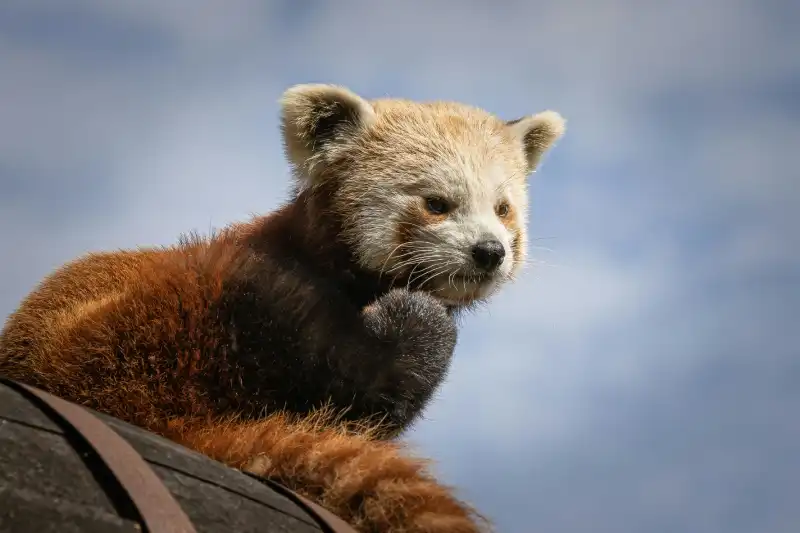
Red pandas claim the top spot with their russet-colored fur, bushy ringed tails, and teddy bear faces. These tree-dwelling mammals waddle adorably and use their tails as blankets when sleeping.
Native to the Himalayas and southwestern China, red pandas primarily eat bamboo despite being classified as carnivores. Their clumsy climbing and playful rolling in snow create viral-worthy moments.
Danger Level: Harmless – Red pandas are shy, gentle creatures that pose no threat to humans. Their main defenses are climbing trees and releasing unpleasant odors when frightened.
2. Slow Loris: Deadly Cuteness in Tiny Packages
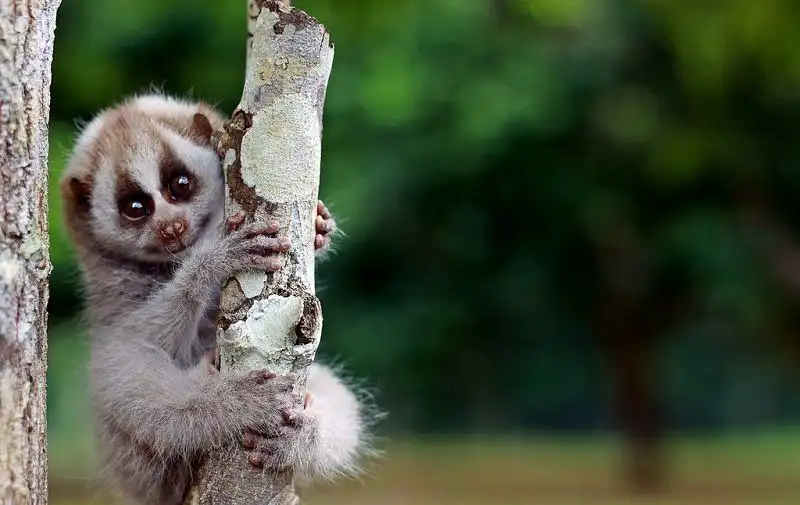
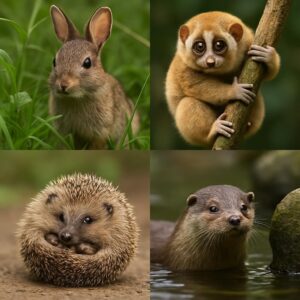
Slow lorises have enormous eyes, soft fur, and slow, deliberate movements that make them appear like living stuffed animals. Their perpetually surprised expressions are irresistibly endearing.
These nocturnal primates from Southeast Asia have become popular in viral videos showing them being tickled or eating rice balls. However, this popularity has devastating consequences for their wild populations.
Danger Level: DANGEROUS – Slow lorises are the world’s only venomous primates. Glands in their elbows produce toxins that they mix with saliva to create poisonous bites. The venom can cause anaphylactic shock in humans and is used to coat their fur as predator defense.
3. Quokka: The Smiling Marsupial
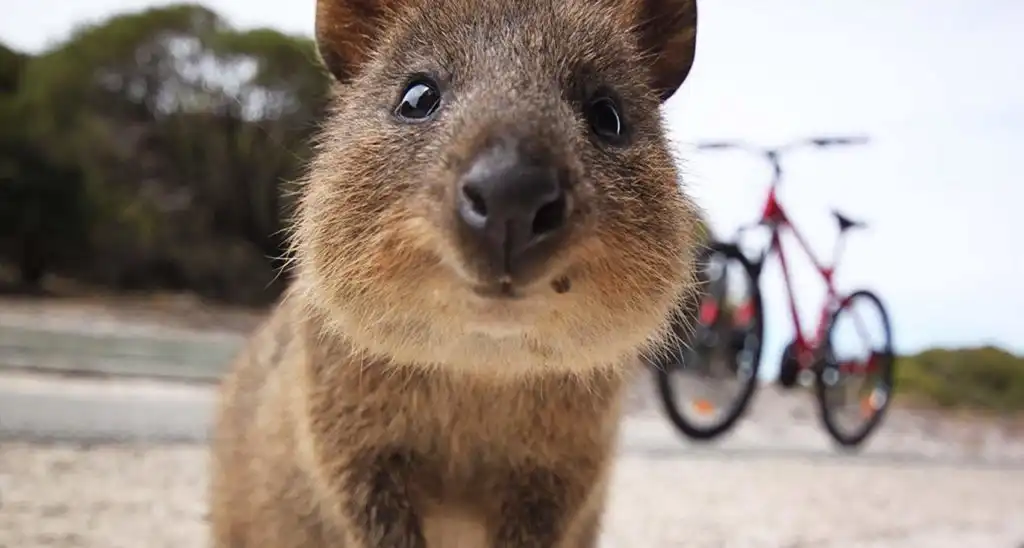
Quokkas are small marsupials from Western Australia with upturned mouths that create permanent “smiles.” Their friendly demeanor and willingness to approach humans make them selfie sensations.
Found primarily on Rottnest Island, these cat-sized animals hop around like miniature kangaroos. Their apparent happiness and photogenic nature have earned them the title “world’s happiest animal.”
Danger Level: Mostly Harmless – Quokkas rarely bite and pose minimal threat. However, they are wild animals and can nip if harassed. Feeding them human food is illegal and harmful to their health.
4. Sea Otter: Aquatic Bundle of Joy
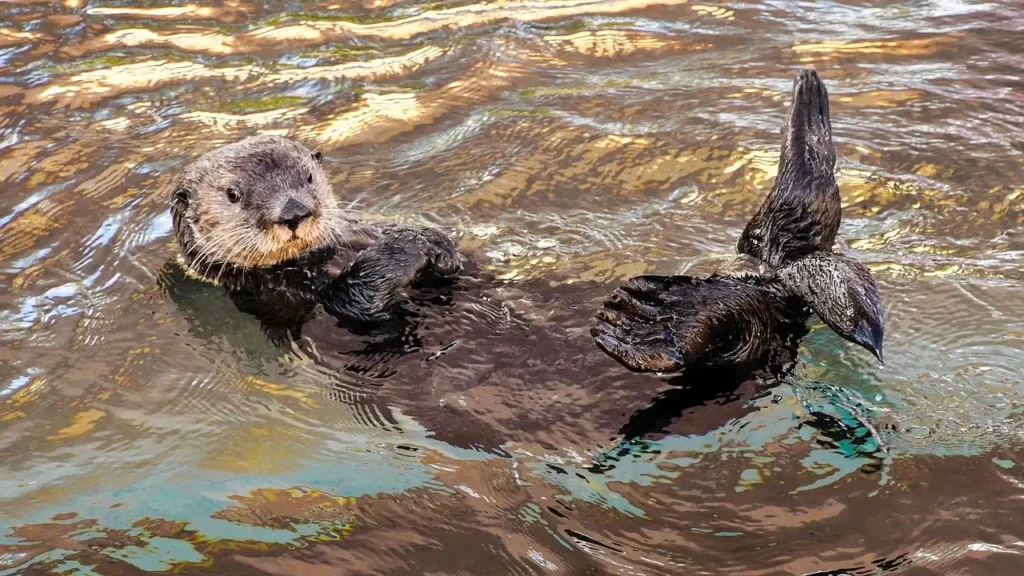
Sea otters float on their backs while holding hands, use rocks as tools, and have the densest fur in the animal kingdom. Their expressive faces and playful behaviors make them ocean favorites.
These marine mammals spend most of their time grooming and eating, consuming up to 25% of their body weight daily. They often keep favorite rocks in pouches under their arms.
Danger Level: Potentially Dangerous – While generally not aggressive toward humans, sea otters have powerful jaws and sharp teeth designed to crack open shellfish. Male sea otters can be aggressive during mating season and have been known to cause serious injuries.
5. Fennec Fox: Desert’s Big-Eared Darling
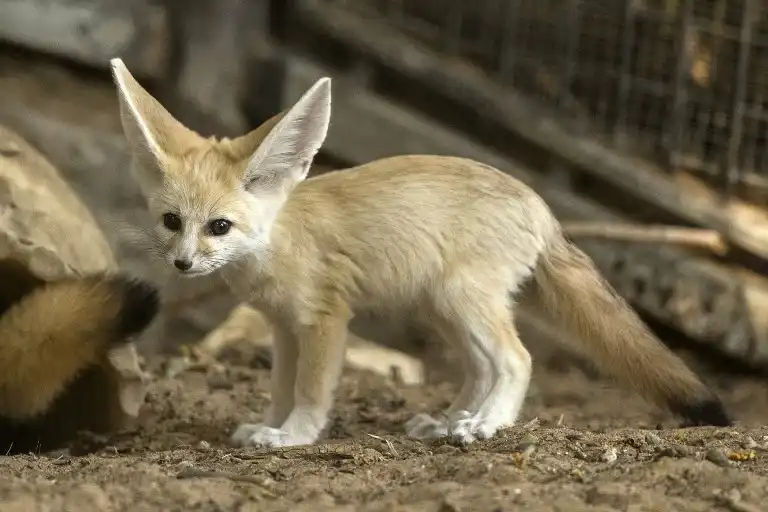
Fennec foxes are the world’s smallest fox species with disproportionately enormous ears that give them an eternally youthful appearance. Their cream-colored fur and playful personalities charm everyone who sees them.
Native to North African deserts, these tiny foxes weigh just 2-3 pounds. Their oversized ears dissipate heat and detect prey underground, making them perfectly adapted to harsh environments.
Danger Level: Low Risk – Fennec foxes are generally timid and prefer flight over fight. While they can bite if cornered or handled roughly, they pose minimal danger to humans.
6. Pufferfish: Adorable Aquatic Assassin
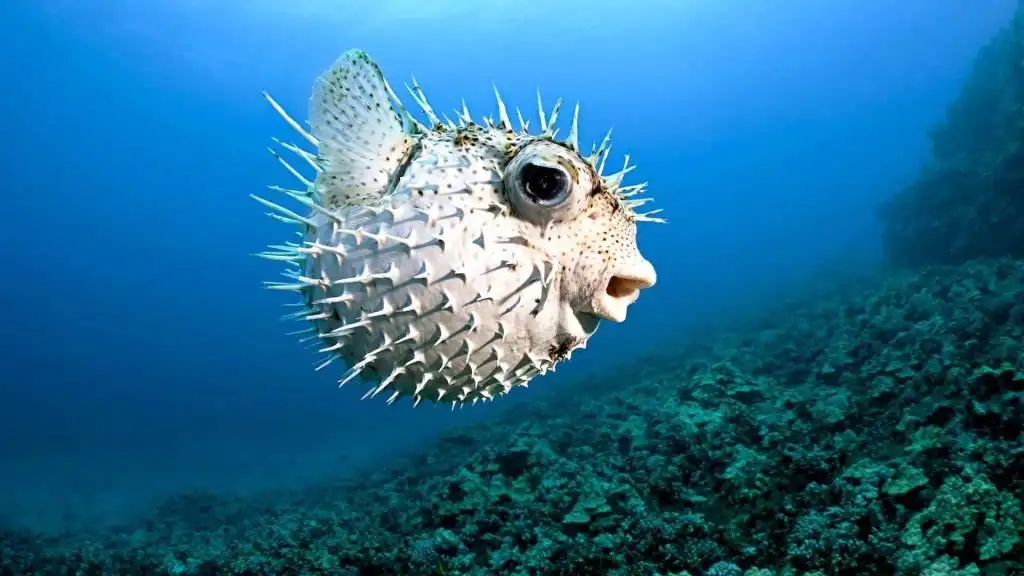
Pufferfish have rounded bodies, large eyes, and curious expressions that make them aquarium favorites. When threatened, they inflate into perfect spheres covered in spines—a defense mechanism that’s both effective and endearing.
These fish “smile” and sometimes recognize their owners, approaching tank glass to interact. Their clumsy swimming style and balloon-like appearance when puffed create comedic moments.
Danger Level: EXTREMELY DANGEROUS – Pufferfish contain tetrodotoxin, one of the deadliest toxins known. This neurotoxin is 1,200 times more poisonous than cyanide and has no known antidote. A single pufferfish contains enough toxin to kill 30 adult humans.
7. Pygmy Marmoset: Finger-Sized Primate
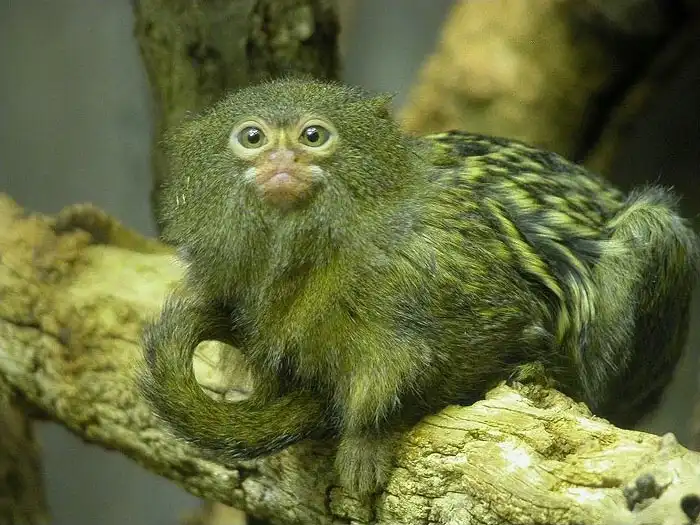
Pygmy marmosets are the world’s smallest monkeys, weighing less than 5 ounces and measuring just 5 inches long. Their tiny size, tufted ears, and expressive faces make them look like living toys.
Native to South American rainforests, these miniature primates live in family groups and communicate through high-pitched calls. They feed primarily on tree sap and can turn their heads 180 degrees.
Danger Level: Low Risk – Pygmy marmosets rarely bite humans and lack the size to cause serious injury. However, they can carry diseases transmissible to humans and don’t make suitable pets despite their appeal.
8. Poison Dart Frog: Vibrant and Venomous
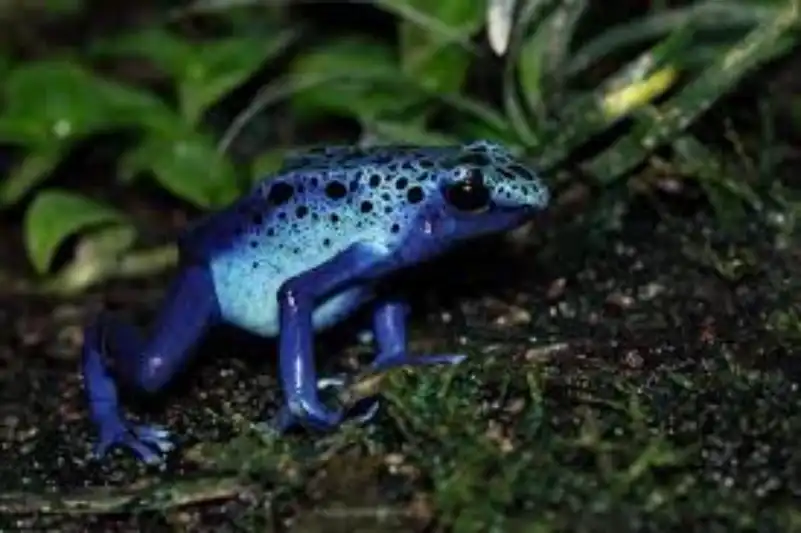
Poison dart frogs come in stunning colors—electric blue, brilliant yellow, and vivid red. Their jewel-like appearance and tiny size (often smaller than a paperclip) make them captivating to observe.
Indigenous peoples used their skin toxins to poison blow darts, hence their name. These frogs are found in Central and South American rainforests, often hopping across forest floors in broad daylight.
Danger Level: POTENTIALLY DEADLY – The golden poison dart frog contains enough batrachotoxin to kill 10 adult humans. Even touching these frogs can be dangerous as toxins can be absorbed through skin. Interestingly, captive-bred frogs lose their toxicity without their wild diet.
9. Hedgehog: Spiny But Sweet
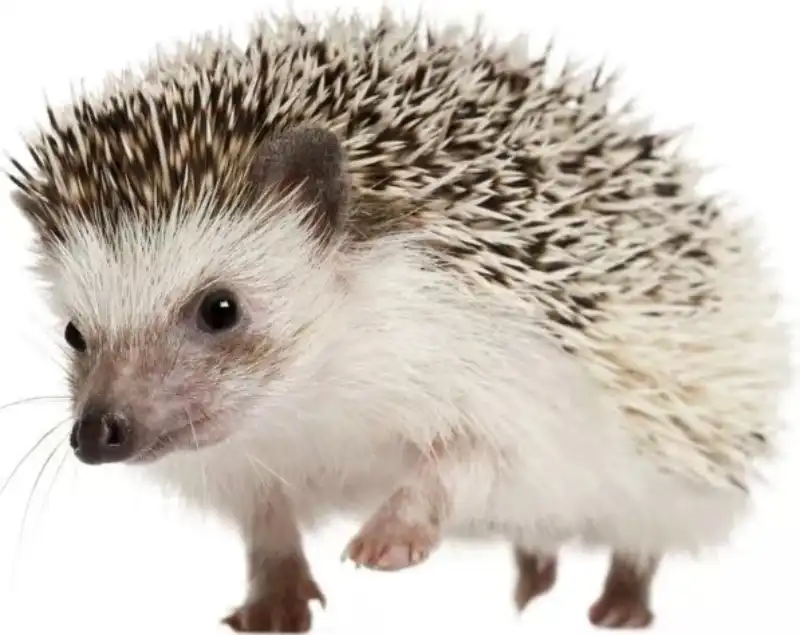
Hedgehogs have become popular pets with their tiny snouts, bright eyes, and endearing habit of curling into spiky balls when startled. Their waddling walk and snuffling sounds add to their charm.
These insectivores are found across Europe, Asia, and Africa. African pygmy hedgehogs are the most common pet variety, with softer spines than their wild relatives.
Danger Level: Harmless – Hedgehogs pose virtually no danger to humans. Their spines aren’t venomous and rarely break skin when handled properly. Their main defense is rolling into a ball.
10. Leopard Seal: Antarctica’s Deceptive Predator
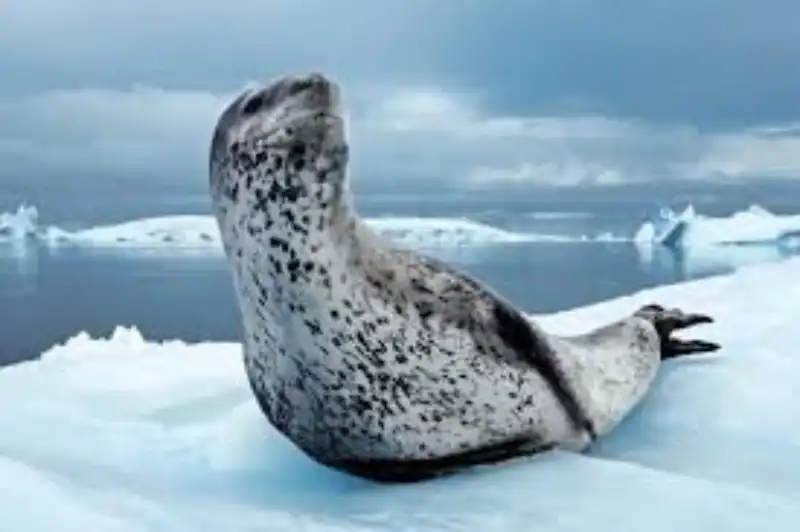
Leopard seals have rounded heads, large eyes, and sleek bodies that appear endearing when they’re not hunting. Their spotted coats and curious nature make them photogenic marine mammals.
These apex predators of Antarctic waters are incredibly powerful swimmers. They sometimes approach divers and photographers, appearing playful and inquisitive.
Danger Level: DANGEROUS – Leopard seals are formidable predators with powerful jaws containing sharp, interlocking teeth. They’ve been known to attack humans, with at least one recorded fatality. Their playful approaches can quickly turn aggressive, and their size (up to 1,300 pounds) makes them incredibly dangerous.
Top 10 cutest animals
| Animal Name | Native Habitat | Size | Cuteness Rating (1-10) | Danger Level | Primary Diet | Conservation Status | Why They’re So Cute |
|---|---|---|---|---|---|---|---|
| Red Panda | Himalayan forests | 3-6 kg | 10/10 | Harmless | Bamboo, fruits, insects | Endangered | Teddy bear face, bushy tail, clumsy movements |
| Slow Loris | Southeast Asian forests | 0.3-2 kg | 10/10 | Dangerous (venomous) | Tree sap, insects, fruits | Vulnerable/Endangered | Enormous eyes, slow movements, perpetual surprise expression |
| Quokka | Western Australia | 2.5-5 kg | 10/10 | Mostly harmless | Grasses, leaves, bark | Vulnerable | Permanent “smile,” friendly demeanor, selfie-ready |
| Sea Otter | North Pacific coasts | 14-45 kg | 9/10 | Potentially dangerous | Shellfish, sea urchins, fish | Endangered | Hand-holding, tool use, expressive face |
| Fennec Fox | North African deserts | 0.7-1.6 kg | 10/10 | Low risk | Insects, rodents, plants | Least Concern | Oversized ears, tiny body, playful personality |
| Pufferfish | Tropical/subtropical oceans | Varies by species | 8/10 | Extremely dangerous (toxic) | Algae, invertebrates, shellfish | Varies by species | Round body, “smile,” inflate ability |
| Pygmy Marmoset | Amazon rainforest | 100-140 g | 9/10 | Low risk | Tree sap, insects, fruit | Least Concern | Finger-sized, tufted ears, miniature features |
| Poison Dart Frog | Central/South American rainforests | 2-6 cm | 9/10 | Potentially deadly (toxic) | Ants, termites, small insects | Varies by species | Vibrant colors, tiny size, jewel-like appearance |
| Hedgehog | Europe, Asia, Africa | 0.5-1.2 kg | 9/10 | Harmless | Insects, worms, snails | Varies by species | Tiny snout, spiny coat, curling behavior |
| Leopard Seal | Antarctic waters | 200-600 kg | 7/10 | Dangerous (predator) | Penguins, fish, seals | Least Concern | Spotted coat, curious behavior, sleek appearance |
Dangerous vs. Harmless: The Cute Animals Comparison
| Category | Harmless Cute Animals | Dangerous Cute Animals | Key Differences | Warning Signs | Safety Recommendations |
|---|---|---|---|---|---|
| Physical Defense | Red Panda, Hedgehog, Quokka | Slow Loris (venom), Leopard Seal (teeth/size) | Harmless have minimal offensive capabilities | Defensive postures, hissing, attempting to flee | Observe from distance, never corner animals |
| Toxicity | Fennec Fox, Pygmy Marmoset, Sea Otter | Pufferfish (tetrodotoxin), Poison Dart Frog (batrachotoxin) | Toxic animals have chemical defenses | Bright warning colors (aposematism) in some species | Never touch brightly colored amphibians or fish |
| Size & Strength | Pygmy Marmoset (100g), Fennec Fox (1kg), Hedgehog (1kg) | Leopard Seal (600kg), Sea Otter (45kg when aggressive) | Large animals can cause injury even without intent | Territorial displays, aggressive posturing | Maintain safe distance from marine mammals |
| Predatory Behavior | Herbivores/insectivores: Red Panda, Quokka, Hedgehog | Apex predators: Leopard Seal; Carnivores: Sea Otter | Predators have hunting instincts that can activate | Stalking behavior, focused attention, approaching rapidly | Never swim with wild predatory marine mammals |
| Human Interaction | Generally tolerant if not harassed | May bite, sting, or use venom when threatened | Wild animals’ unpredictability regardless of appearance | Changes in behavior, restlessness, vocalizations | All wild animals deserve respectful distance |
| Captivity Suitability | Hedgehogs (pets in some regions), Fennec Fox (exotic pet) | Slow Loris (illegal pet trade victim), all others unsuitable | Dangerous animals never make appropriate pets | Online videos showing inappropriate handling | Research legality and ethics before acquiring exotic pets |
| Children Safety | Low risk with proper supervision and distance | High risk – children especially vulnerable | Children can’t recognize danger signals | Curiosity leading to touching/approaching | Teach children to admire wildlife without touching |
Why Dangerous Animals Evolved to Look Cute
Evolutionary Advantages of Deception
Some dangerous animals evolved cute appearances accidentally through adaptations serving other purposes. Large eyes in slow lorises enhance night vision, not cuteness.
Others benefit from appearing harmless. Predators that look non-threatening can approach prey more easily, while prey animals that look cute may confuse or deter some predators.
The phenomenon of dangerous cute animals reminds us that evolution doesn’t consider human aesthetic preferences—traits develop based on survival advantages.
Warning Coloration vs. Deceptive Appearance
Poison dart frogs display bright warning colors (aposematism) that signal “don’t eat me” to predators. While cute to humans, their colors advertise danger to other animals.
In contrast, slow lorises have camouflage coloring that helps them hide. Their large eyes serve vision purposes, not warnings—making them deceptively dangerous.
Understanding these patterns helps us interpret animal appearances more accurately rather than projecting human cuteness standards onto survival adaptations.
Human Perception Biases
We tend to see small animals as cute and assume cuteness equals harmlessness. This cognitive shortcut fails when encountering poison dart frogs or venomous slow lorises.
Marine mammals like leopard seals and sea otters trigger our “cute” response despite being capable predators. Their mammalian features align with what we find appealing.
Recognizing our biases helps us approach wildlife more rationally, appreciating beauty while respecting natural behaviors and capabilities.
Safety Guidelines for Encountering Cute Animals
Wild Animal Interaction Rules
Never attempt to touch, feed, or approach wild animals regardless of how cute they appear. Wildlife is unpredictable and may be protecting territory, young, or food.
Maintain recommended distances—typically at least 25 feet for small animals and 100+ feet for large ones. Use zoom lenses for photography rather than approaching closely.
If an animal approaches you, remain calm, avoid sudden movements, and slowly back away. Never run, as this can trigger chase instincts in predators.
Recognizing Stress Signals
Learn to identify animal distress signals: flattened ears, rigid posture, vocalizations, or attempts to escape. These indicate your presence is unwelcome.
Slow lorises raising their arms aren’t “asking for tickles” as viral videos suggest—they’re accessing venom glands in defensive postures. This misinterpretation has fueled harmful pet trade.
Respecting stress signals prevents animal suffering and protects human safety. When animals show discomfort, increase distance immediately.
Photography Ethics
Capture cute animal moments without disturbing subjects. Use telephoto lenses, remain quiet, and avoid altering animal behavior for better shots.
Never use bait, props, or handlers to create “cute” photos. These practices stress animals and often hide abuse, especially in tourism settings.
Share ethical wildlife photography to set positive examples. Call out and avoid content showing animals in obvious distress or unnatural situations.
The Dark Side of Cute Animal Popularity
Illegal Pet Trade
Cute animals face significant threats from illegal wildlife trade. Slow lorises are brutally captured, have their teeth removed, and sold as pets—a trade driven by viral videos.
Buyers often don’t realize these animals are endangered, carry diseases, and have complex needs impossible to meet in homes. Most die within months of capture.
Supporting ethical wildlife tourism and refusing to engage with exploitative “cute animal” content helps combat this cruel industry.
Habitat Destruction
As cute animals gain fame, their habitats face increased human pressure. Tourist influx to see quokkas, for example, impacts Rottnest Island’s ecosystem.
Social media-driven tourism can overwhelm sensitive habitats before conservation measures are implemented. Viral fame happens faster than protective regulations.
Responsible tourism that prioritizes animal welfare over photo opportunities helps protect cute animals in wild habitats.
Conservation Through Awareness
Fame can benefit conservation when managed properly. Red pandas’ popularity drives funding for habitat protection and breeding programs.
Organizations use cute animals as flagship species to protect entire ecosystems. Saving red panda habitat protects countless less-photogenic species.
Supporting legitimate conservation organizations turns cute animal appreciation into tangible protection efforts.
Cute Animals as Pets: What You Need to Know
Legal and Ethical Considerations
Many cute animals are illegal to keep as pets in most jurisdictions. Slow lorises, pygmy marmosets, and many others are protected by international law.
Even legal exotic pets like hedgehogs and fennec foxes require specialized care, veterinary access, and significant financial investment. Impulse purchases often end badly.
Research thoroughly before considering any exotic pet. Ensure you can provide appropriate diet, housing, veterinary care, and enrichment for the animal’s entire lifespan.
Alternatives to Exotic Pet Ownership
Support accredited zoos and sanctuaries where you can observe cute animals in appropriate environments. These visits fund conservation while providing education.
Sponsor or symbolically adopt endangered cute animals through conservation organizations. This provides financial support without requiring personal ownership.
Volunteer with wildlife rehabilitation centers to work directly with animals while contributing to their welfare and release.
Domestic Alternatives
If you’re drawn to cute animals, consider breeds of domestic dogs and cats that share similar features. Pomeranian dogs offer fennec fox charm, while Scottish Fold cats have similar appeal to exotic species.
Domestic animals have been bred for thousands of years to live with humans. They make better companions than wild animals and don’t threaten conservation.
Adopting from shelters provides homes to animals in need while satisfying desires for cute companions.
Teaching Children About Cute but Dangerous Animals
Age-Appropriate Education
Young children should learn that all wild animals deserve space and respect. Use simple rules like “look but don’t touch” and “wild animals aren’t pets.”
Older children can understand nuance—some cute animals are harmless while others are dangerous, but all deserve respect regardless of threat level.
Use documentaries and books to satisfy curiosity about cute animals safely. Quality media provides close-up views impossible and inappropriate in nature.
Critical Media Literacy
Teach children to question viral animal videos. Ask: “Does this animal look happy? Is someone making it do this? Where did this video come from?”
Explain that many “cute” animal videos show stressed animals, illegal pets, or harmful situations. Help children recognize exploitation disguised as entertainment.
Encourage kids to appreciate animals in natural contexts rather than performing behaviors or wearing clothing for human amusement.
Fostering Respectful Wonder
Cultivate appreciation for cute animals while instilling respect for their wildness. Animals don’t exist for human entertainment—they’re individuals with their own needs and purposes.
Field trips to ethical wildlife facilities, nature walks, and citizen science projects build positive relationships with wildlife based on observation and learning.
Children who develop respectful attitudes toward cute animals grow into adults who support conservation and ethical treatment.
How Cuteness Drives Conservation
The Flagship Species Effect
Cute animals serve as conservation ambassadors, drawing attention and funding to threatened ecosystems. Red pandas protect entire Himalayan forest ecosystems.
People donate more readily to save species they find appealing. While this creates funding disparities, it also generates resources that benefit less-photogenic species sharing habitats.
Strategic use of cute animals in conservation campaigns leverages human psychology for positive environmental outcomes.
Social Media as a Tool
Well-managed social media presence for cute animals raises awareness and directs people toward legitimate conservation organizations rather than pet trade.
Educational content showing cute animals in natural habitats with facts about threats and conservation needs turns viral potential into protection support.
Organizations can track which species and messages resonate, refining conservation communication for maximum effectiveness.
Balancing Fame and Protection
Too much attention can harm cute animals if tourism overwhelms habitats. Conservation requires finding balance between awareness and impact.
Seasonal closures, visitor limits, and guided-only access help protect popular cute animal destinations while still allowing people to appreciate them.
Virtual experiences increasingly provide alternatives to physical visits, reducing pressure on wild populations while satisfying public interest.
The Future of Human-Cute Animal Relations
Climate Change Impacts
Many cute animals face existential threats from climate change. Red pandas lose bamboo forests, while sea otters face ocean acidification affecting shellfish populations.
As cute species decline, conservation urgency increases. Their popularity may drive broader climate action by making abstract threats personally meaningful.
Protecting cute animals requires addressing root causes like habitat loss and climate change, not just treating symptoms.
Evolving Ethics
Public attitudes toward wildlife tourism and exotic pets are shifting. Younger generations increasingly recognize that true animal appreciation means respecting wildness.
Social media platforms are slowly improving policies against animal exploitation content. Public pressure drives these changes as awareness grows.
The future may bring stricter regulations protecting cute animals from exploitation while enabling ethical observation and study.
Technology’s Role
Virtual and augmented reality offer possibilities for intimate, cute animal encounters without disturbing real animals. High-quality footage satisfies curiosity safely.
Drones and remote cameras provide unprecedented access to animal lives without human presence. These technologies advance knowledge while minimizing impact.
Conservation technology—from genetic analysis to satellite tracking—helps protect cute animals more effectively than ever before.
Conclusion: Appreciating Cute Animals Responsibly
The world’s cutest animals deserve our admiration and protection, but that appreciation must be tempered with respect and safety awareness. Not all adorable animals are harmless, and even harmless ones deserve space.
From venomous slow lorises to gentle red pandas, each species on this list evolved features that happen to trigger human cuteness responses. Understanding these animals as complex beings with their own needs—not just as sources of entertainment—deepens appreciation.
When you encounter cute animals in person or online, pause to consider their welfare. Are they in appropriate habitats? Does their behavior suggest stress? Are people interacting appropriately?
Share your love of cute animals by supporting conservation, choosing ethical wildlife experiences, and educating others about the difference between appropriate appreciation and harmful exploitation.
The cutest animals remind us of nature’s diversity and beauty. By respecting them, whether dangerous or harmless, we ensure future generations can also marvel at these extraordinary creatures.
Next time a video of a slow loris or sea otter crosses your feed, take a moment to learn about the real animal behind the cute facade. You might discover that understanding makes them even more fascinating than their appearance alone ever could.
You May Also Like