From Wild to Wonderful – The Journey Into Our Hearts
From the tiniest, bushy-tailed squirrel in your backyard to the majestic, fluffy red panda in a distant bamboo forest, the animal kingdom is overflowing with creatures that instantly capture our affection. But what is it about certain animals that makes us stop, smile, and feel a sense of wonder? This journey “from wild to wonderful” is a fascinating tale of biology, perception, and the ever-evolving bond between humans and the natural world.
This article explores how animals, from the untamed to the domesticated, make the leap into our definition of “wonderful,” and how we can responsibly appreciate their cuteness.
The Science of the “Aww”: Why We Find Animals Cute
Our attraction to cute animals isn’t just a cultural preference; it’s a biological imperative. Scientists point to a concept known as “Kindchenschema” or the “baby schema.” We are hardwired to respond positively to specific features that remind us of human infants, triggering a nurturing and protective instinct.
These features include:
- Large heads and eyes relative to their face
- Round, soft bodies
- Clumsy or playful movements
- Soft textures like fur or feathers
When we see these traits, our brains release dopamine, the “feel-good” chemical, making us feel happy, relaxed, and more attentive. This is nature’s clever way of ensuring we care for our young, and it conveniently extends to the animal kingdom!
The Universal Cuteness Code
This table breaks down the key features that trigger our “cute response” across different species.
| Cute Trait | Why It’s Appealing | Example in the Wild | Example at Home |
|---|---|---|---|
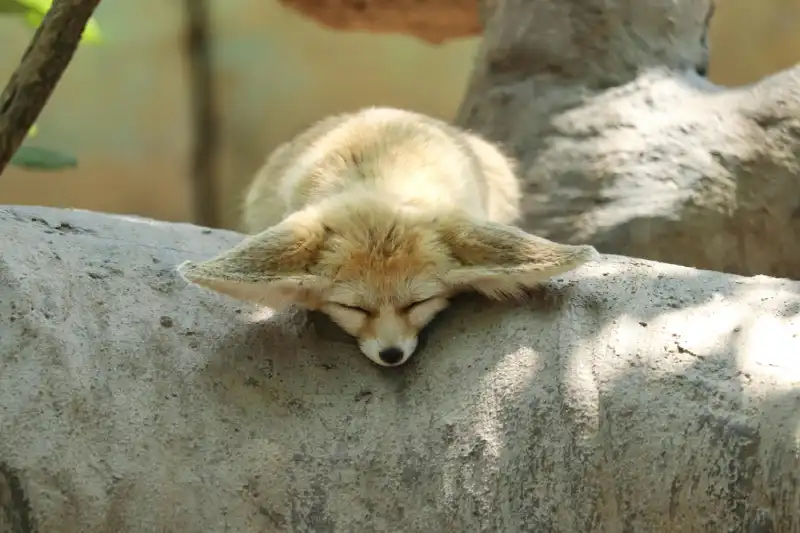
| Large, Forward-Facing Eyes | Signals innocence and need, similar to a human baby. | Tarsier, Fennec Fox | Puppy, Kitten |
| Soft, Rounded Features | Evokes a sense of softness and cuddliness. | Red Panda, Quokka | Hamster, Rabbit |
| Clumsy Movements | Highlights vulnerability and youth. | Baby Elephant, Panda Cub | Puppy learning to walk |
| Playful Behavior | Indicates a joyful, non-threatening nature. | Otter sliding, Dolphin leaping | Kitten chasing a toy |
| Unique Vocalizations | Sounds like chirps or soft mews trigger caregiving. | Baby Penguin cheeps, Fox gekkering | Puppy whimpers, Cat purrs |
From Wild Roots to Wonderful Companions
Many of the animals we adore have incredible journeys from their wild origins to becoming beloved companions or conservation icons.
The Domesticated Descendants
Thousands of years ago, the ancestors of our pets were purely wild. The transformation began with mutual benefit.
- Dogs: Descended from wolves, they began hanging around human camps for scraps. The friendliest, most useful wolves were tolerated, leading to a partnership that evolved into the hundreds of wonderful, diverse breeds we have today.
- Cats: Wildcats were attracted to rodents in early grain stores. Humans valued their pest control, and a symbiotic relationship formed. Their independent yet affectionate nature secured their place in our homes.
The Wild Wonders We Protect
Some animals are too wild to ever be pets, but their undeniable cuteness has made them ambassadors for their species and champions of conservation.
- The Giant Panda: This bear’s roly-poly appearance, black-patched eyes, and seemingly clumsy demeanor have made it a global symbol for wildlife conservation, raising millions of dollars and awareness for habitat protection.
- The Quokka: Dubbed the “world’s happiest animal” due to its permanent smile, the quokka has put Rottnest Island on the map. Its cuteness drives eco-tourism, which in turn funds the preservation of its fragile habitat.
- The Sea Otter: Seen holding hands while sleeping to avoid drifting apart, sea otters represent family and playfulness. Their adorable antics have been pivotal in campaigns to protect marine ecosystems from pollution and overfishing.
The Spectrum of Cute: From Backyard to Beyond
The journey from wild to wonderful isn’t a single path. Animals exist on a spectrum of how they interact with our world, and we can appreciate them at every stage.
The Cute Animal Spectrum: From Wild to Wonderful
| Category | Definition | Key Examples | How to Responsibly Appreciate |
|---|---|---|---|
| The Truly Wild | Thrives independently in its natural habitat. | Red Panda, Snow Leopard, Arctic Fox | Support conservation charities. Observe via documentaries and ethical eco-tourism. |
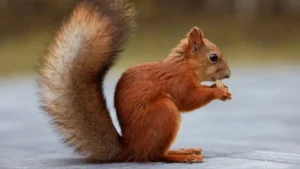
| The Backyard Neighbor | Wild animals that live near human settlements. | Squirrels, Robins, Rabbits | Plant native flora. Put out a bird feeder. Observe from a distance without feeding. |
| The Conservation Ambassador | A wild animal in a sanctuary/zoo that educates the public. | Rescued owls, pandas, elephants | Visit accredited zoos & sanctuaries. Learn their stories and share them. |
| The Domesticated Friend | Bred over generations to live alongside humans. | Dogs, Cats, Guinea Pigs | Adopt, don’t shop. Provide a loving, responsible forever home. |
How to Channel Your Love for CuteAnimals into Action
Admiring cute animal content is a great mood booster, but we can take that positive feeling a step further.
- Become a Citizen Scientist: Use apps like iNaturalist to log observations of the “backyard neighbors” in your area. Your data helps scientists track wildlife populations.
- Support the “Wonderful” Work: Choose a conservation organization dedicated to one of your favorite “wild” animals and set up a small monthly donation. Every bit helps.
- Make Your Yard a Haven: Create a safe space for local wildlife by installing a birdbath, planting pollinator-friendly flowers, or leaving a small, brush pile for shelter.
- Choose Your Content Wisely: Follow wildlife biologists, accredited sanctuaries, and ethical pet owners on social media. Ensure the cute content you consume comes from a place of respect for the animal.
Conclusion: A Relationship Built on Wonder
The journey from wild to wonderful is a powerful force. It begins with a hardwired “aww” in our brains and can grow into a profound respect and a desire to protect. Whether it’s the loyal dog sleeping at your feet or the image of a distant, fluffy panda in a misty forest, these creatures enrich our lives simply by existing.
By understanding and appreciating them responsibly—from a distance for the wild ones, and with committed love for the domesticated ones—we ensure that the wonderful diversity of the animal kingdom continues to inspire joy and wonder for generations to come.
You May Also Like