Fluffy Cat Breeds That Love Cuddles
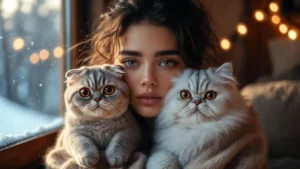
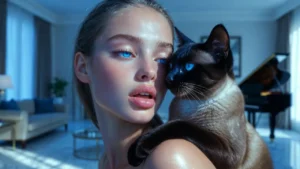
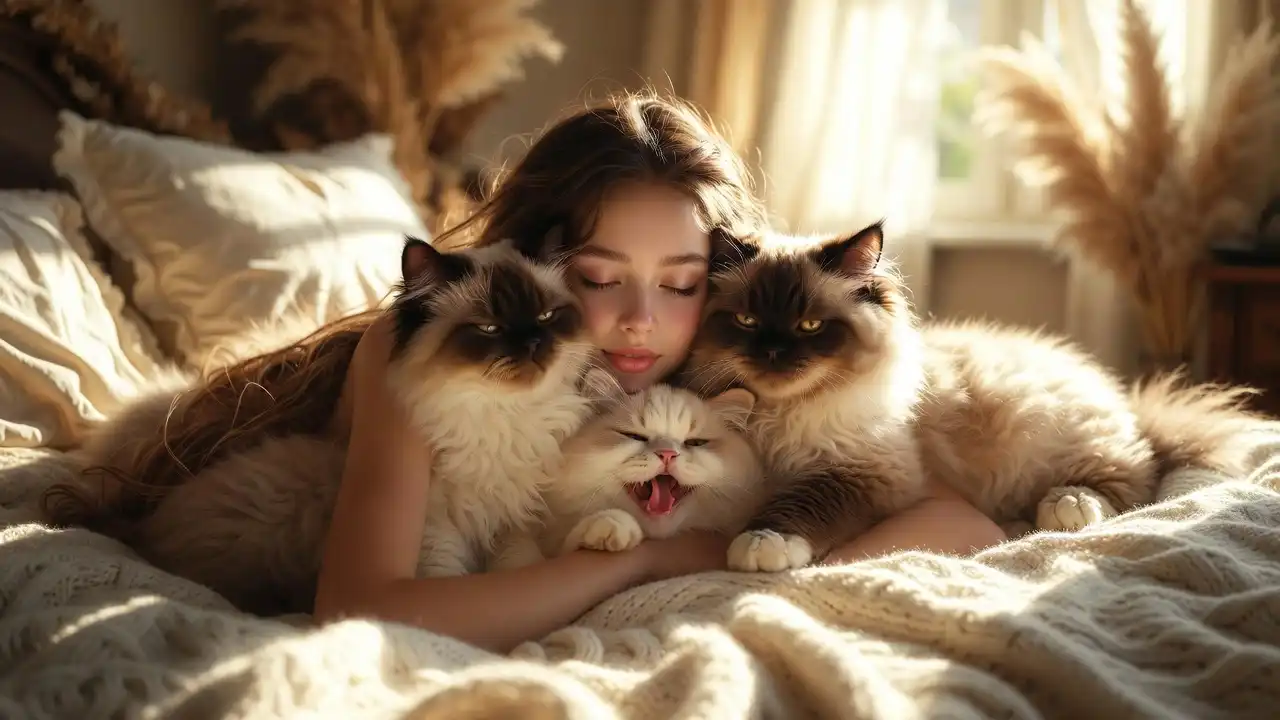
There’s something absolutely magical about sinking your fingers into a cloud of soft fur while a purring cat nestles into your lap. If you’re like me, you’ve probably spent countless evenings with a fluffy feline companion draped across your chest, wondering how you ever lived without this level of cozy perfection.
After working with cat owners for years, I’ve noticed that people searching for “fluffy cat breeds” often have a specific vision in mind: a gentle, affectionate companion who loves being held and actually seeks out human contact. But here’s what many pet parents don’t realize—not all fluffy cats are equally cuddly, and finding the right match depends on understanding both breed tendencies and individual personalities.
What Makes a Cat Cuddly? Understanding Affection in Felines
Before we dive into specific breeds, let’s talk about what “cuddly” actually means in cat terms. Unlike dogs who’ve been bred for thousands of years to bond closely with humans, cats retain more of their independent nature. That makes an affectionate cat all the more special.
A truly cuddly cat doesn’t just tolerate handling—they actively seek it out. They’ll follow you from room to room, jump into your lap without invitation, sleep pressed against you at night, and purr loudly when you pick them up. These cats see you as a source of comfort, warmth, and security, not just a food dispenser.
Important Note: Affection levels vary dramatically within breeds. While certain breeds have tendencies toward cuddliness, individual personality, early socialization, and life experiences play huge roles. A well-socialized “aloof” breed cat can be more affectionate than a poorly socialized “cuddly” breed. Never choose a cat based solely on breed expectations.
According to the ASPCA, a cat’s temperament is shaped by genetics, early kittenhood experiences, ongoing socialization, and their environment. The fluffiness? That’s just a delightful bonus that makes cuddle sessions even better.
Top Fluffy Cat Breeds Known for Their Affectionate Nature
Let me introduce you to some of the fluffiest, most cuddle-loving cat breeds. I’ve worked with many of these beauties over the years, and I can tell you from experience that when you find the right match, the bond is unforgettable.
Ragdoll: The Literal Lap Cat
Ragdolls earned their name honestly—they tend to go limp and relaxed when you pick them up, like a child’s ragdoll toy. With brilliant blue eyes, silky semi-long fur, and a color-point pattern similar to Siamese cats, they’re absolutely stunning.
But their looks are just the beginning. Ragdolls are famous for following their owners around like puppies, greeting you at the door, and draping themselves across your lap the moment you sit down. They’re gentle, patient with children, and tend to be more trusting and relaxed than many other breeds.
I once worked with a family whose Ragdoll, Mochi, would wait by the front door for the kids to come home from school. The moment they walked in, he’d flop onto his back for belly rubs—and actually enjoyed them, unlike most cats who view belly exposure as a trap. That’s Ragdoll personality in a nutshell.
Cuddle Factor: 10/10. These cats were practically bred to be living teddy bears.
Maine Coon: The Gentle Giant
Maine Coons are one of the largest domestic cat breeds, with males sometimes reaching 20+ pounds. Their long, shaggy fur, tufted ears, and bushy tails make them look like small lions—but their personalities are more like friendly dogs in cat bodies.
Despite their size, Maine Coons are known for being gentle, sociable, and surprisingly cuddly. They love being near their people, though they sometimes prefer sitting beside you rather than on you (which makes sense given their size—a 20-pound cat on your lap is a commitment!).
What I love about Maine Coons is their playful nature that extends well into adulthood. They’re the cats who’ll play fetch, learn tricks, and chirp at birds through the window. They bond strongly with their families and often pick a “favorite person” to shadow throughout the day.
Cuddle Factor: 9/10. Affectionate and devoted, though their size means cuddles happen on their terms.
Persian: The Ultimate Lap Warmer
With their flat faces, enormous eyes, and luxuriously long fur, Persians look like they stepped out of a cat food commercial. They’re the epitome of elegance—and they know it.
Persians are typically calm, gentle, and prefer quiet households. They’re not particularly active or playful compared to other breeds, which means they have more energy to dedicate to what they do best: lounging on laps and demanding gentle pets.
In my experience, Persians are selective about their affection. They bond deeply with their families but can be reserved with strangers. Once they trust you, though, they’re devoted lap warmers who purr like small engines.
Important note: Their flat faces require special care, and their long fur needs daily grooming. This isn’t a low-maintenance breed, but for those willing to put in the effort, Persians offer unmatched affection and beauty.
Cuddle Factor: 9/10. They live for lap time, though grooming requirements are significant.
Birman: The Sacred Cat of Burma
Birmans look similar to Ragdolls with their color-point patterns and blue eyes, but they have distinctive white “gloves” on all four paws. Legend says these cats received their markings from a goddess—and honestly, their personalities are divine enough to make you believe it.
Birmans are affectionate, gentle, and incredibly people-oriented. They’re less “floppy” than Ragdolls but equally loving. They enjoy being held, follow their owners around, and often sleep curled up next to or on top of their favorite humans.
What sets Birmans apart is their social nature—they generally get along well with other cats, dogs, and children. They’re adaptable and handle changes better than some more sensitive breeds.
Cuddle Factor: 9/10. Sweet, patient, and always ready for affection.
Siberian: The Hypoallergenic Fluff Ball
Siberians are Russia’s native forest cats, built for harsh winters with their thick, water-resistant triple coat. They’re large, muscular, and surprisingly agile despite their bulk.
Here’s the exciting part for allergy sufferers: Siberians produce lower levels of the Fel d 1 protein that triggers cat allergies. While no cat is truly hypoallergenic, many people with mild cat allergies tolerate Siberians better than other breeds.
Personality-wise, Siberians are adventurous, playful, and deeply loyal. They bond closely with their families and show affection through head bumps, purring, and yes—cuddles. They’re more active than Persians or Ragdolls, so expect play sessions before settling down for lap time.
Cuddle Factor: 8/10. Affectionate and loyal, but they balance cuddles with playtime and exploration.
Himalayan: Persian Personality with Color Points
Himalayans are essentially Persians with Siamese color-point patterns. They share the Persian’s flat face, long fur, and calm temperament but add those striking blue eyes and darker extremities.
Like Persians, Himalayans are devoted lap cats who prefer peaceful environments. They’re gentle, sweet-natured, and form strong bonds with their families. They’re happiest when they can be near you—whether that’s on your lap, beside you on the couch, or sleeping on your bed.
According to breed experts and organizations like the AKC, Himalayans thrive on routine and don’t adapt as quickly to change as more easygoing breeds.
Cuddle Factor: 9/10. Lap warmers extraordinaire, with high grooming needs.
Norwegian Forest Cat: The Nordic Beauty
These Vikings of the cat world have long, thick fur designed for Scandinavian winters. They’re large, muscular, and built for climbing—their strong legs and claws make them excellent tree-climbers.
Norwegian Forest Cats are friendly and people-oriented but maintain a bit more independence than Ragdolls or Persians. They enjoy being near their humans and will cuddle, but often on their own schedule. Think of them as the friend who loves you but also needs their alone time.
They’re gentle, patient, and generally good with children and other pets. Their playful side stays active throughout their lives, and they particularly love climbing to high perches where they can survey their domain.
Cuddle Factor: 7/10. Affectionate but independent, they cuddle when they’re in the mood.
For more detailed information on these breeds and their care requirements, check out our cute animal care guides section.
Comparing Fluffy Cuddly Cat Breeds
Choosing the right fluffy cat means understanding how these breeds differ in personality, care needs, and lifestyle compatibility. Here’s a practical comparison to help you make an informed decision.
| Breed | Size | Energy Level | Grooming Needs | Vocalization | Best For |
|---|---|---|---|---|---|
| Ragdoll | Large (10-20 lbs) | Low to Moderate | Moderate (2-3x/week) | Quiet | Families, first-time owners |
| Maine Coon | Very Large (13-25 lbs) | Moderate to High | Moderate (2-3x/week) | Moderate (chirps) | Active families, multi-pet homes |
| Persian | Medium (7-12 lbs) | Low | High (daily brushing) | Quiet | Quiet homes, dedicated groomers |
| Birman | Medium (6-12 lbs) | Moderate | Moderate (2-3x/week) | Quiet | Families, multi-pet homes |
| Siberian | Large (10-20 lbs) | Moderate to High | Moderate (2-3x/week) | Moderate | Active homes, allergy sufferers |
| Himalayan | Medium (7-12 lbs) | Low | High (daily brushing) | Quiet | Calm households, routine-lovers |
| Norwegian Forest Cat | Large (12-20 lbs) | Moderate to High | Moderate (2-3x/week) | Quiet to Moderate | Active homes, climbing enthusiasts |
Note: Individual cats vary significantly within breeds. Always meet a cat before adoption to assess personality compatibility.
The Reality of Fluffy Cat Ownership: What to Expect
Before you fall completely in love with the idea of a Fluffy, cuddly cat, let’s talk honestly about what these gorgeous creatures actually require. The fluffiness comes with responsibilities that some new cat parents underestimate.
Grooming Is Non-Negotiable
That luxurious coat doesn’t maintain itself. Most long-haired cats need brushing at minimum 2-3 times per week, with some breeds (Persians, Himalayans) requiring daily attention. Skip grooming and you’ll face:
- Painful mats and tangles that pull on skin and restrict movement
- Hairballs that can cause digestive blockages requiring veterinary intervention
- Excess shedding covering every surface in your home
- Skin infections developing under matted fur
- Fecal matter stuck in rear fur (particularly in long-haired cats with loose stools)
What You Can Do Right Now at Home
- Invest in quality grooming tools: Get a stainless steel comb, a slicker brush, and mat-removing scissors designed for pets.
- Start grooming early: Kittens who learn that brushing feels good become adults who tolerate or even enjoy grooming.
- Create positive associations: Brush during calm moments, give treats, and stop before your cat gets irritated.
- Check problem areas daily: Behind ears, under arms, belly, and rear end mat more easily—check these spots even on days you don’t do full grooming.
- Consider professional grooming: Every few months, take your cat to a professional groomer for a thorough bath and trim, especially in summer.
Health Considerations for Fluffy Breeds
Some fluffy breeds have breed-specific health concerns you should know about before committing:
Persians and Himalayans (Brachycephalic breeds): Their flat faces can cause breathing difficulties, dental problems, eye issues requiring daily cleaning, and difficulty eating. They may snore, struggle in hot weather, and have more frequent vet visits than other breeds.
Maine Coons: Prone to hypertrophic cardiomyopathy (heart disease), hip dysplasia, and spinal muscular atrophy. Responsible breeders screen for these conditions, but they’re still concerns.
Ragdolls: Can develop hypertrophic cardiomyopathy and polycystic kidney disease. They’re also prone to bladder stones.
The American Veterinary Medical Association (AVMA) recommends regular veterinary checkups, especially for purebred cats with known genetic predispositions. Early detection of these conditions significantly improves treatment outcomes.
When to Contact Your Veterinarian
While fluffy cats don’t inherently need more vet care than short-haired breeds, watch for these signs:
- Excessive hairballs: More than once or twice monthly could indicate grooming issues or gastrointestinal problems
- Behavioral changes: Sudden decrease in affection, hiding, or aggression can signal pain or illness
- Difficulty breathing: Especially in flat-faced breeds—open-mouth breathing or wheezing needs immediate attention
- Matted fur you can’t remove: Severe mats may need professional removal or even sedation—don’t try to cut them out yourself as you can easily injure your cat
- Weight changes: Large breeds can mask weight gain under all that fur—regular weigh-ins are important
- Limping or stiffness: Particularly in Maine Coons and Norwegian Forest Cats prone to joint issues
Building a Strong Bond with Your Fluffy Cat
Even naturally cuddly breeds need the right environment and handling to develop into the affectionate companions you’re hoping for. After working with many cat owners, I’ve learned that the most loving cat-human relationships are built, not just inherited.
Creating a Cuddle-Friendly Environment
- Respect Their Schedule: Cats are most active at dawn and dusk. If you want cuddle time, plan it for when your cat is naturally winding down—usually mid-morning or evening.
- Create Cozy Spots Near You: Place soft blankets or cat beds on the couch near where you sit. Cats are more likely to cuddle if there’s a comfortable spot already prepared.
- Use Positive Reinforcement: When your cat chooses to sit with you, speak softly, pet gently, and offer treats. Never force physical affection—it creates negative associations.
- Play Before Cuddle Time: A tired cat is a cuddly cat. Engage in active play sessions to burn energy, then settle down together.
- Learn Their Body Language: Purring, slow blinks, kneading, and a raised tail are signs your cat is happy and receptive to affection. Flattened ears, thrashing tail, or avoiding eye contact mean give them space.
“The best cuddle sessions happen when your cat chooses them, not when you demand them. Patience, respect, and understanding their signals build trust that transforms a cat from tolerating affection to actively seeking it.”
Common Mistakes That Reduce Cuddliness
Many well-meaning cat parents accidentally discourage the very behavior they want. Here’s what to avoid:
⚠️ Don’t Make These Mistakes
- Forcing interactions: Chasing your cat to pick them up or holding them when they’re trying to leave teaches them that cuddles are stressful, not enjoyable.
- Rough handling: Even fluffy cats feel pain. Squeezing too hard, picking up by the scruff (painful for adult cats), or sudden movements can make them associate you with discomfort.
- Inconsistent responses: If sometimes you welcome your cat on your lap and other times push them off, they’ll become uncertain and stop trying.
- Neglecting playtime: Cats who don’t get enough exercise or mental stimulation can become hyperactive or withdrawn—neither state is conducive to cuddling.
- Punishing natural behavior: Yelling at a cat for jumping on counters or scratching furniture damages trust. Use positive redirection instead.
Real Life Story: Finding the Perfect Match
Let me share a story that perfectly illustrates why breed is just one piece of the puzzle.
Sarah came to me determined to adopt a Ragdoll. She’d done her research, knew they were cuddly, and wanted a cat who’d be a constant companion while she worked from home. She found a reputable breeder and brought home a beautiful blue-point Ragdoll kitten named Luna.
But Luna wasn’t the velcro cat Sarah expected. She was friendly but independent, preferring to sleep on a cat tree across the room rather than in Sarah’s lap. Sarah felt disappointed and worried she’d done something wrong.
We worked on building their bond—structured playtime, grooming sessions with treats, and creating warm spots near Sarah’s desk. Slowly, Luna began sitting closer. Within six months, Luna would sleep on Sarah’s lap during afternoon work sessions, though she still preferred her own space at night.
The lesson? Luna was affectionate on her own terms. She’d never be the constantly attached cat of Sarah’s dreams, but she was loving in her way. Once Sarah adjusted her expectations and appreciated Luna’s unique personality, their relationship flourished.
Sometimes the “cuddliest” cats come from unexpected places. I’ve known domestic shorthair rescues who are more affectionate than any purebred. Personality matters more than pedigree.
For more tips on understanding your cat’s unique personality, visit our animal behavior tips section.
Frequently Asked Questions
The Joy of Living with a Fluffy, Cuddly Cat
There’s no denying that waking up to a purring fluffball curled against you is one of life’s simple pleasures. The soft fur, the gentle kneading, the trust in those eyes when your cat chooses your lap over all other comfortable spots in the house—these moments make the grooming, the vet bills, and the fur tumbleweeds under your furniture completely worthwhile.
The breeds I’ve shared with you today—Ragdolls, Maine Coons, Persians, Birmans, Siberians, Himalayans, and Norwegian Forest Cats—all have tendencies toward affection and cuddle-worthiness. But remember, they’re individuals first and breed representatives second.
Whether you choose a purebred kitten from a careful breeder or rescue a fluffy adult from a shelter, the key to a loving relationship is patience, respect, and understanding. Create an environment where your cat feels safe. Learn their body language. Respect their boundaries. And celebrate the unique ways they show love, even if it doesn’t match your initial expectations.
The most cuddly cat isn’t necessarily the one from the “cuddliest” breed—it’s the one whose personality meshes with yours, who feels safe in your home, and who chooses to trust you with their affection. That trust, once earned, is the foundation of countless cozy evenings together.
Ready to learn more about bringing a fluffy companion into your life? Explore our trusted pet care resources for guidance on everything from finding reputable breeders to preparing your home for a new cat.
⚕️ Medical Disclaimer
This article is for educational purposes and should not replace professional veterinary advice, diagnosis, or treatment. Always consult a licensed veterinarian for medical concerns about your cat. Every animal is unique, and breed tendencies are generalizations—individual cats may differ significantly from breed descriptions.
🐾 Author Bio
Written by: Jackson Galaxy
Pet Care Writer at CuteAnimals.cc
Animal lover with hands-on experience in animal care, behavior, and training. Content created using research-backed knowledge and real animal owner experience. Passionate about helping people find the perfect feline companions and build strong, loving bonds that last a lifetime.
You May Also Like