
Exotic Animals From South Asian Jungles
Exotic Animals From South Asian Jungles: A Friendly Guide to Nature’s Hidden Wonders
Last Updated: February 2026 | By Jackson Galaxy, Pet Care Writer at CuteAnimals.cc
Why South Asian Jungles Are a Treasure Chest of Wildlife
If you have ever watched a nature documentary and thought, “I can’t believe that animal actually exists,” chances are it was from a South Asian jungle. The dense tropical forests stretching across India, Sri Lanka, Nepal, Bangladesh, Bhutan, and Pakistan are biodiversity hotspots unlike anywhere else on the planet.
After spending years researching and writing about animal behavior, I can tell you — South Asian wildlife is wildly underrepresented in mainstream animal content. Most people can name African safari animals in their sleep, but ask about the jungles of the Western Ghats or the Sundarbans, and you get blank stares.
That is exactly why this article exists. Whether you are a wildlife enthusiast, a student, or simply someone who loves learning about adorable and rare animals, you are in the right place.
South Asia contains 4 of the world’s 36 recognized biodiversity hotspots. The Western Ghats alone host over 7,400 species of flowering plants, 508 species of birds, and 179 amphibian species — many found nowhere else on Earth.
Top Exotic Animals Found in South Asian Jungles
Let me walk you through some of the most incredible creatures calling these jungles home. Many pet parents don’t realize that some of these animals are occasionally (and illegally) traded as exotic pets, so awareness is the first step toward protection.
1. Bengal Tiger — The Undisputed King
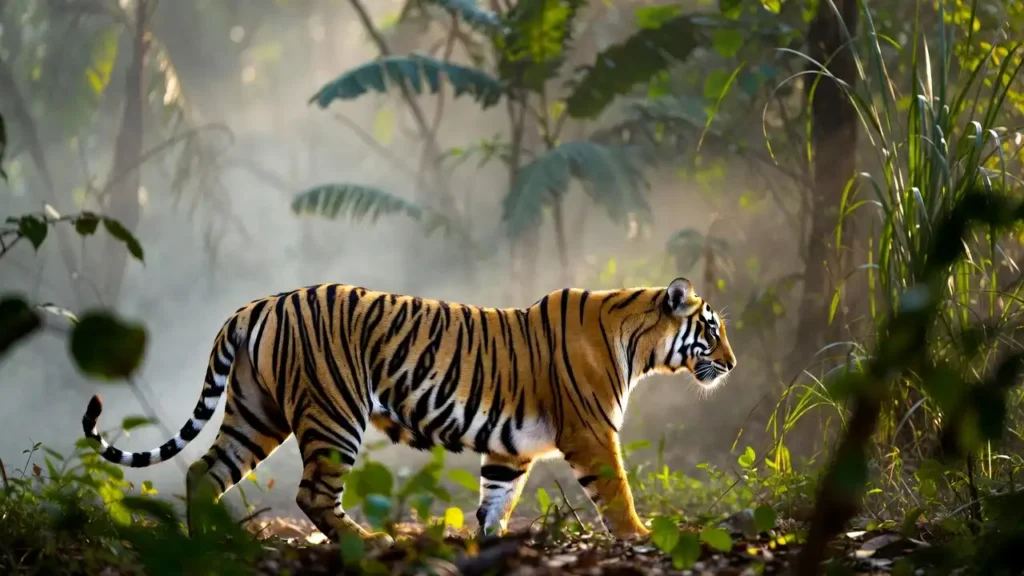
The Bengal tiger is the crown jewel of South Asian wildlife. Found primarily in India, Bangladesh, Nepal, and Bhutan, this majestic cat is both feared and revered. In my experience, no other animal captures the imagination of wildlife lovers quite like a tiger walking silently through morning mist.
Sadly, fewer than 4,500 Bengal tigers remain in the wild. Habitat loss, poaching, and human-wildlife conflict continue to threaten their survival. The Humane Society has been actively advocating for stronger wildlife trade regulations to protect big cats.
2. Slow Loris — The Big-Eyed Heartbreaker
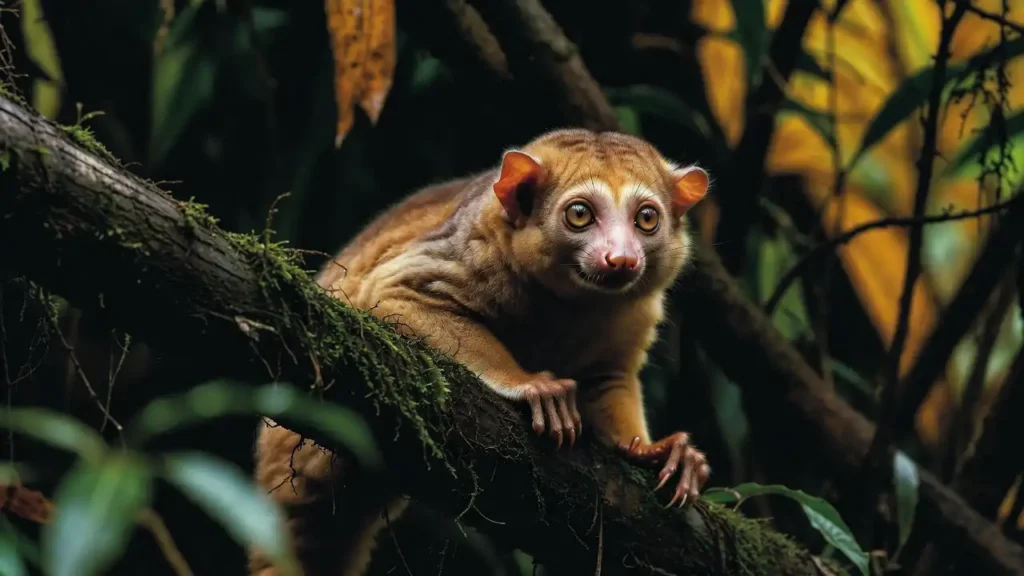
Those enormous round eyes have made the slow loris a viral sensation — but here is the thing most people don’t realize: the slow loris is venomous. It is one of the very few venomous mammals on the planet. They produce a toxin from glands on their elbows that, when mixed with saliva, can cause severe allergic reactions in humans.
After working with many animal welfare advocates, I have noticed a disturbing trend — slow lorises are frequently captured and sold as pets, often with their teeth cruelly removed. This is both illegal and deeply harmful to the animal.
3. Indian Pangolin — The Living Pinecone
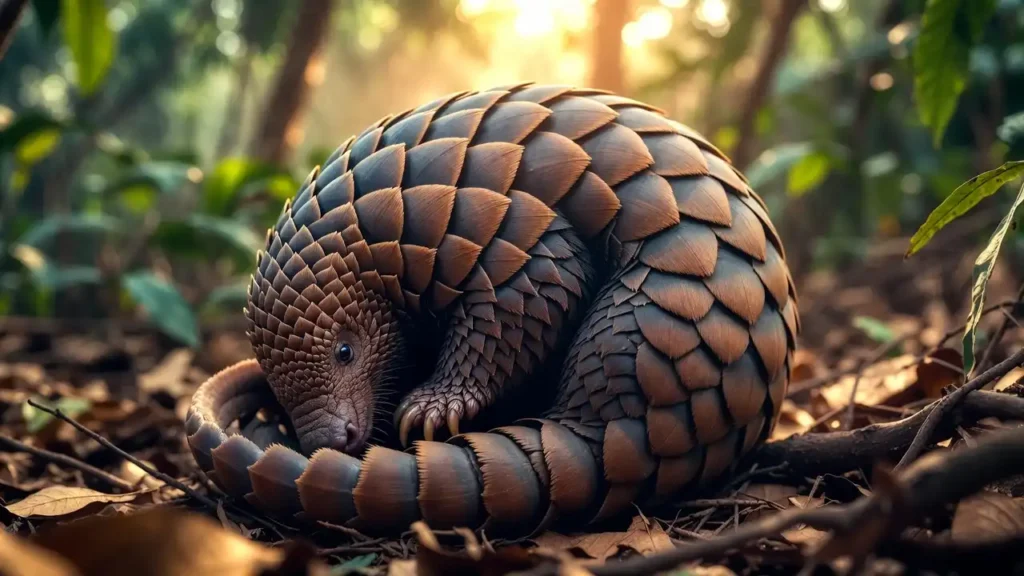
Covered head to tail in hard, overlapping scales, the Indian pangolin looks like something from a fantasy film. These shy, nocturnal creatures curl into a tight ball when threatened — their only defense mechanism. Unfortunately, this makes them easy targets for poachers.
Pangolins are now considered the most trafficked mammals in the world. The ASPCA supports efforts to combat wildlife trafficking and raise awareness about species like the pangolin.
4. Red Panda — The Firefox of the Himalayas
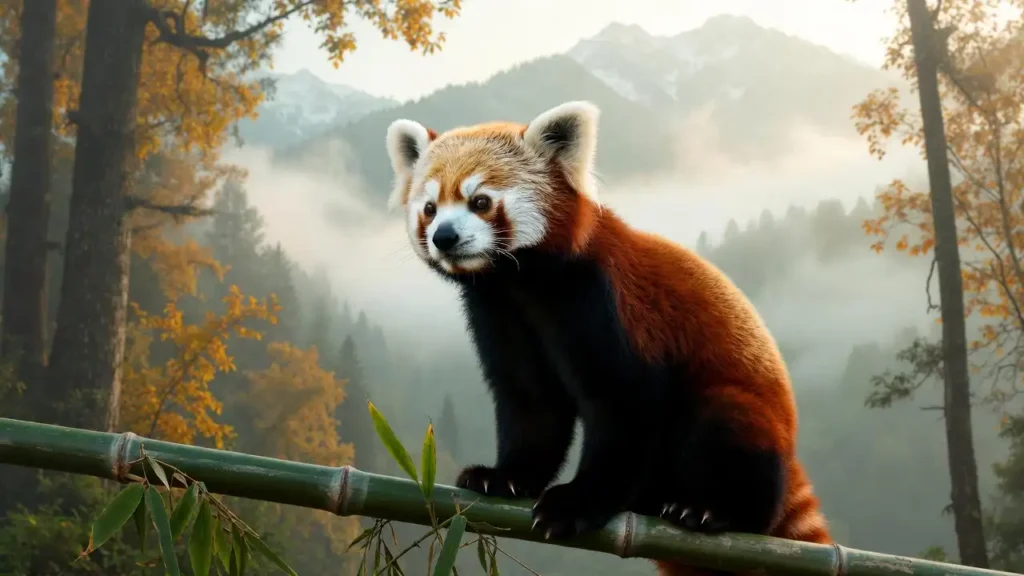
Found in the temperate forests of Nepal, Bhutan, and northeastern India, the red panda is not closely related to the giant panda at all. These adorable, raccoon-sized animals spend most of their time in trees and have a diet consisting mainly of bamboo.
Fewer than 10,000 red pandas are estimated to remain in the wild. Deforestation and climate change are shrinking their already limited habitat at an alarming pace.
5. King Cobra — The Majestic Serpent
The king cobra is the longest venomous snake in the world, reaching up to 18 feet. Despite its fearsome reputation, the king cobra generally avoids humans. It is also the only snake known to build a nest for its eggs — a surprisingly dedicated parent in the reptile world.
6. Sri Lankan Leopard — The Stealthy Shadow
Endemic to Sri Lanka, this leopard subspecies sits at the top of the food chain on the island. They are solitary, powerful, and incredibly elusive. Seeing one in the wild is considered a once-in-a-lifetime experience by most wildlife photographers.
7. Asian Elephant — The Gentle Giant
Smaller than their African cousins, Asian elephants are deeply intelligent and emotionally complex. They mourn their dead, show empathy, and have incredible memories. They are found across India, Sri Lanka, and Nepal, often navigating shrinking forest corridors between human settlements.
If you enjoy discovering animals that look surprisingly approachable, check out our feature on cute wild animals that look friendly but are actually wild.
“The greatness of a nation and its moral progress can be judged by the way its animals are treated.” — This wisdom rings especially true when we look at the endangered species of South Asia’s jungles.
Quick Comparison: South Asian Exotic Animals at a Glance
| Animal | Region Found | Conservation Status | Key Threat | Fun Fact |
|---|---|---|---|---|
| Bengal Tiger | India, Bangladesh, Nepal | Endangered | Poaching & Habitat Loss | No two tigers have the same stripe pattern |
| Slow Loris | India, Sri Lanka, Bangladesh | Endangered | Illegal Pet Trade | One of the only venomous mammals |
| Indian Pangolin | India, Pakistan, Sri Lanka | Endangered | Trafficking | Most trafficked mammal in the world |
| Red Panda | Nepal, Bhutan, NE India | Endangered | Deforestation | Firefox browser was named after them |
| King Cobra | India, Sri Lanka, Bangladesh | Vulnerable | Habitat Destruction | Only snake that builds a nest |
| Sri Lankan Leopard | Sri Lanka | Vulnerable | Human-Wildlife Conflict | Top predator on the island |
| Asian Elephant | India, Sri Lanka, Nepal | Endangered | Habitat Fragmentation | Can recognize themselves in mirrors |
Why Are These Exotic Animals Threatened?
In my experience, most people assume poaching is the biggest problem — and it is significant — but the reality is more layered than that. Here are the primary threats facing South Asian wildlife:
Real-World Case Notes: Learning from the Field
Case Note 1: The Rescued Slow Loris in West Bengal
A wildlife rehabilitation team in West Bengal rescued a slow loris from a street vendor in 2023. The animal had its teeth removed — a common practice in the illegal pet trade to prevent bites. After months of specialized care, the loris was deemed unfit for release back into the wild because it could no longer feed itself properly. It now lives in a sanctuary where it receives daily care.
Takeaway: Buying exotic animals — even when they look cute online — directly fuels suffering. If you ever encounter someone selling a wild animal, report it to local wildlife authorities immediately.
Case Note 2: Tiger Corridor Success in Central India
In central India, a community-led initiative helped create a wildlife corridor connecting two fragmented tiger reserves. Within three years, camera traps documented tigers using the corridor regularly. The project involved relocating a few families voluntarily and compensating local farmers for crop damage from wildlife.
Takeaway: Conservation works when local communities are involved and benefit from protection efforts. Top-down approaches alone rarely succeed.
“Every species lost is a page torn from the book of life that we can never rewrite.”
— A reminder for all wildlife lovers
What Can You Do Right Now to Help?
You do not need to be a wildlife ranger to make a difference. Here are practical, real-world actions anyone can take today:
- ✔ Never buy exotic animals as pets. No matter how cute the video is, wild animals belong in the wild.
- ✔ Support reputable conservation organizations. Groups like the American Veterinary Medical Association (AVMA) provide research-backed information on animal welfare and conservation.
- ✔ Report illegal wildlife trade. If you see exotic animals being sold online or in person, report it to your local wildlife agency.
- ✔ Educate yourself and others. Share articles, documentaries, and facts. Awareness is the first step toward change.
- ✔ Choose sustainable products. Avoid products made from animal parts — especially palm oil products that drive deforestation in South Asia.
- ✔ Donate to or volunteer with wildlife sanctuaries. Many South Asian sanctuaries accept international volunteers and donations.
When to Contact a Wildlife Professional
Many pet parents ask me — what should I do if I encounter a wild or exotic animal in distress? Here is a straightforward guide:
- ⚠ If you find an injured wild animal, do not attempt to handle it yourself. Many exotic species carry diseases or can injure you in self-defense.
- ⚠ Contact your local wildlife rescue or rehabilitation center immediately.
- ⚠ If someone offers to sell you an exotic animal, refuse and report it. The AKC and similar organizations provide guidance on responsible animal ownership.
- ⚠ Never attempt to keep a wild animal as a pet — even if it appears tame. It is almost always illegal and harmful to the animal.
Normal vs. Concerning: Understanding Exotic Animal Behavior
Normal Behaviors
- Nocturnal animals sleeping during the day
- Solitary species avoiding contact
- Seasonal changes in activity levels
- Defensive postures when startled
- Territorial marking behaviors
Concerning Signs
- Wild animal approaching humans without fear
- Visible injuries, limping, or bleeding
- Disorientation or walking in circles
- Excessive drooling or foaming (possible rabies)
- Animal trapped in nets, fences, or structures
Prevention Tips: Coexisting Safely with Wildlife
Whether you live near forested areas or are visiting South Asian jungles for ecotourism, these practical tips will help keep both you and the animals safe:
- 🌿 Maintain Distance: Always observe wildlife from a safe distance. Use binoculars or telephoto lenses instead of approaching.
- 🌿 Never Feed Wild Animals: Feeding creates dependency and increases the risk of aggressive encounters.
- 🌿 Secure Your Trash: In areas near forests, open waste attracts wildlife to human settlements.
- 🌿 Support Eco-Tourism: Choose tour operators who follow ethical wildlife viewing practices.
- 🌿 Teach Children Respect: Help the next generation understand that wild animals are not pets or toys.
Frequently Asked Questions
Final Thoughts: These Animals Need Our Voice
South Asian jungles hold some of the most extraordinary, resilient, and beautiful animals on our planet. From the silent prowl of the Bengal tiger to the gentle gaze of the Asian elephant, these creatures are a living testament to millions of years of evolution.
But here is the honest truth — many of them may not survive the next few decades without our help. Habitat loss is accelerating. The illegal wildlife trade is a billion-dollar industry. Climate change is reshaping ecosystems faster than species can adapt.
The good news? Awareness is growing. Conservation programs are making real progress. And every person who reads an article like this, shares it with a friend, or makes a conscious choice to support ethical practices — that person is part of the solution.
I hope this guide has opened your eyes to the incredible wildlife of South Asia. If you want to keep exploring the amazing world of animals, head over to CuteAnimals.cc where we celebrate, educate, and advocate for animals every single day.
Because every animal deserves to be known, loved, and protected.
Written by: Jackson Galaxy
Pet Care Writer at CuteAnimals.cc
Animal lover with hands-on experience in animal care, behavior, and training. Content created using research-backed knowledge and real animal owner experience.