Discover Amazing CuteAnimals and Their Stories
There’s something universally heartwarming about cute animals that captures our attention and brightens even the darkest days. Whether it’s a fluffy puppy tumbling over its own paws or a tiny hedgehog curled up in a ball, these adorable creatures have an incredible power to lift our spirits and remind us of the simple joys in life.
In this comprehensive guide, we’ll explore the most adorable animals on the planet, share their fascinating stories, and discover what makes them so irresistibly cute. Get ready to fall in love with nature’s most charming creatures!
What Makes Animals Cute?
Before diving into specific animals, let’s explore the science behind cuteness. Researchers have identified several features that trigger our “cute response”:
Baby-like proportions are perhaps the most significant factor. Large eyes relative to face size, round faces, and small bodies all activate the nurturing instinct in humans. This biological response, known as the “baby schema,” ensures that we’re hardwired to protect and care for vulnerable creatures.
Playful behavior also contributes significantly to cuteness. When animals engage in clumsy, energetic, or curious activities, we can’t help but smile. This playfulness signals youth and innocence, which naturally draws our affection.
Soft textures and fluffy fur appeal to our tactile senses. The desire to touch and cuddle something soft is deeply ingrained in human psychology, making fluffy animals particularly irresistible.
The World’s Most Adorable Animals
Land-Dwelling Cuties
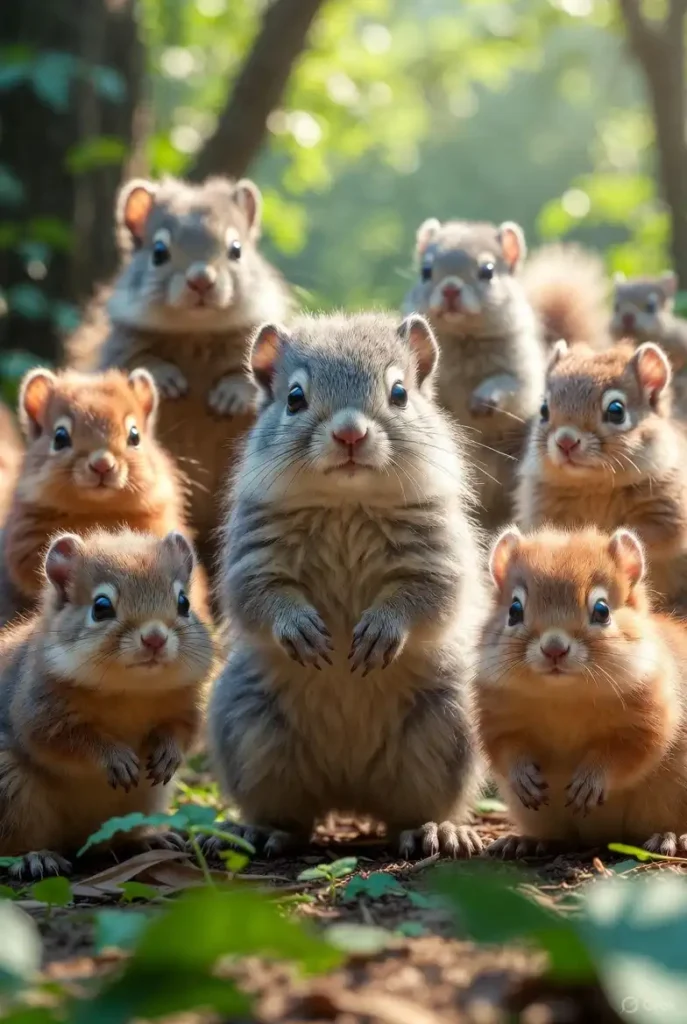
Quokkas have earned the title of “world’s happiest animal” thanks to their perpetual smile. Native to Australia, these small marsupials have become internet sensations for their friendly demeanor and willingness to pose for selfies. Quokkas are herbivores that live primarily on Rottnest Island, where they’ve become a major tourist attraction.
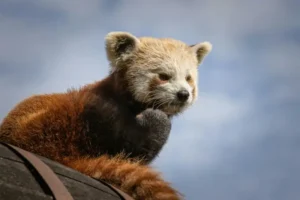
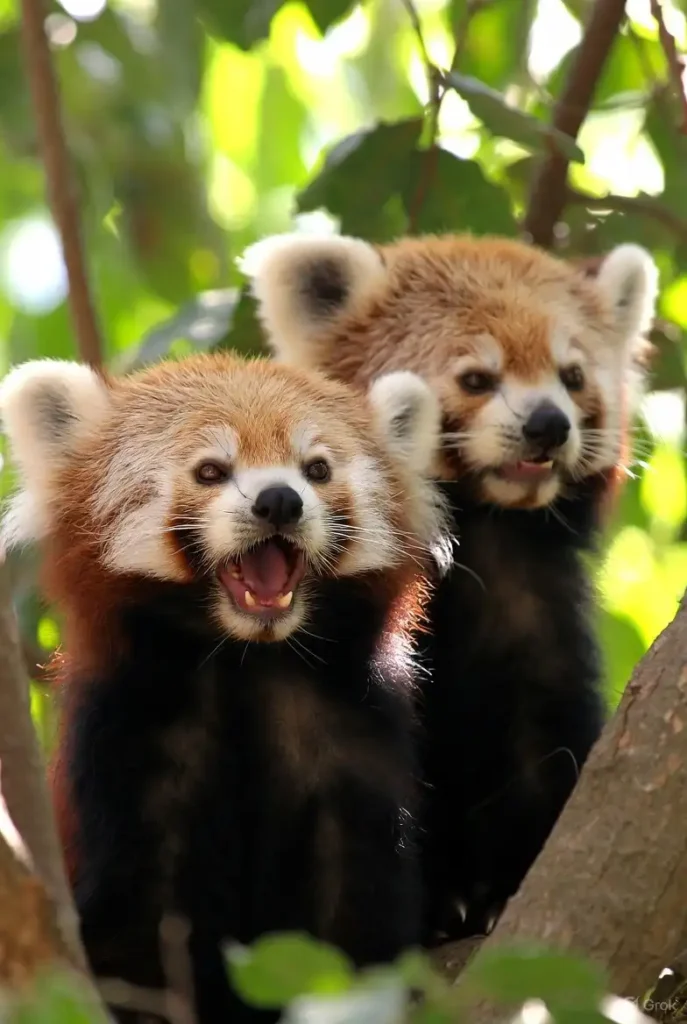
Red Pandas combine the best features of several animals—the face of a cat, the tail of a raccoon, and the personality of a mischievous toddler. Despite their name, they’re not closely related to giant pandas. These arboreal mammals spend most of their time in trees in the Himalayan forests, munching on bamboo and occasionally fruits and insects.
Fennec Foxes boast the largest ears relative to body size of any canid. These desert dwellers from North Africa use their enormous ears not just for hearing but also for heat dissipation. Their tiny size (they weigh just 2-3 pounds) and playful nature make them incredibly endearing.
Aquatic Adorables
Sea Otters are the definition of charming. These marine mammals hold hands while sleeping to avoid drifting apart—a behavior that has melted millions of hearts worldwide. They’re also one of the few animals that use tools, often keeping a favorite rock in a skin pouch to crack open shellfish.
Baby Seals with their huge eyes and white fluffy coats represent peak cuteness in the marine world. Harp seal pups, in particular, have become symbols of ocean conservation efforts. Their vulnerable appearance and dependence on sea ice make them powerful ambassadors for climate action.
Penguins waddle their way into our hearts with their tuxedo-like appearance and devoted parenting behavior. Emperor penguins, for instance, are famous for the male’s incredible commitment—standing in harsh Antarctic conditions for months while incubating a single egg on their feet.
Tiny Treasures

Pygmy Marmosets hold the title of world’s smallest monkey, measuring just 5 inches long (excluding the tail). These miniature primates live in the Amazon rainforest and communicate through a series of squeaks and trills that sound remarkably like bird songs.
Hamsters have been beloved pets for generations. Syrian hamsters, with their chubby cheeks designed for storing food, demonstrate adorable hoarding behavior. Watching a hamster stuff its pouches is entertainment that never gets old.
Sugar Gliders are nocturnal marsupials with a membrane between their limbs that allows them to glide through the air. Their large eyes, tiny hands, and affectionate nature (they bond closely with their owners) make them increasingly popular as exotic pets.
Exploring Discover Amazing CuteAnimals
| Aspect | Details | Why It Matters |
|---|---|---|
| Physical Characteristics | Large eyes, round faces, small noses, soft fur, compact bodies, short limbs, floppy ears | These features trigger the human nurturing response and activate pleasure centers in the brain |
| Behavioral Traits | Playfulness, curiosity, clumsiness, social bonding, vocalizations (chirps, squeaks), interactive responses | Behaviors that mimic human infant actions create emotional connections and entertainment value |
| Habitat Diversity | Forests, oceans, deserts, mountains, grasslands, arctic regions, tropical rainforests | Understanding habitats helps with conservation efforts and appreciation of ecological roles |
| Conservation Status | Ranges from least concern to critically endangered | Many cute animals face threats; their appeal can drive conservation awareness and funding |
| Cultural Impact | Social media presence, merchandise, movies, documentaries, tourism attractions | Cute animals significantly influence pop culture and can generate economic benefits for communities |
| Evolutionary Purpose | Survival mechanisms, mate attraction, predator avoidance, social hierarchy | Cuteness often serves specific survival functions beyond just appealing to humans |
| Human Interaction | Pet ownership, wildlife tourism, rehabilitation programs, educational opportunities | Positive interactions can foster environmental stewardship and responsible animal welfare |
| Scientific Value | Research subjects for behavior, cognition, genetics, ecology, conservation biology | Studying cute animals provides insights into broader biological and ecological principles |
Comparing The CuteAnimals and Their Stories
| Animal Category | Representative Species | Unique Story Element | Habitat & Lifestyle | Conservation Note |
|---|---|---|---|---|
| Marsupials | Quokkas, Sugar Gliders, Koalas | Quokkas are known for approaching humans fearlessly and “smiling” for photos | Primarily Australia; carry young in pouches; arboreal or terrestrial | Habitat loss threatens many species |
| Marine Mammals | Sea Otters, Baby Seals, Dolphins | Sea otters use tools and hold hands while sleeping in kelp forests | Coastal and open ocean environments; highly intelligent and social | Pollution and overfishing impact populations |
| Small Primates | Pygmy Marmosets, Slow Loris, Tarsiers | Slow lorises have toxic saliva—one of few venomous mammals | Tropical forests; nocturnal or diurnal; highly specialized diets | Illegal pet trade is a major threat |
| Rodents | Hamsters, Guinea Pigs, Chinchillas | Chinchillas take dust baths instead of water baths to maintain their incredibly dense fur | Various terrestrial habitats; burrowers and nest builders | Popular as pets; some wild species endangered |
| Canids | Fennec Foxes, Arctic Fox Pups, Puppies | Arctic fox pups are born dark and turn white as they mature for camouflage | Adapted to extreme climates; highly social pack animals | Climate change affects arctic species significantly |
| Felines | Sand Cat Kittens, Black-footed Cats, Scottish Fold Cats | Black-footed cats are Africa’s smallest wild cat but are fierce hunters | Solitary hunters except during mating; highly territorial | Domestic cats widespread; some wild species rare |
| Birds | Puffins, Penguins, Owlets | Puffins can carry multiple fish in their beaks at once—up to 60 at a time | Varied from arctic to tropical; flightless penguins; expert flyers like puffins | Seabirds especially vulnerable to ocean changes |
| Farm Animals | Piglets, Lambs, Baby Goats (Kids) | Baby goats have an instinct to climb and jump on everything from day one | Domesticated; live in herds; provide companionship and resources | Generally well-maintained but factory farming raises welfare concerns |
Heartwarming Stories from the Animal Kingdom
The Otter Who Saved Her Friend
At the Vancouver Aquarium, a sea otter named Tanu became a hero when her companion, Katmai, suffered a seizure in the water. Tanu immediately swam to Katmai’s side and kept her afloat until staff could intervene. This incredible display of empathy demonstrates the deep emotional capacity of these adorable creatures.
The Penguin Who Found Love Twice
Grape-kun, an elderly Humboldt penguin at a Japanese zoo, became an internet sensation when he fell in love with a cardboard cutout of an anime character. While the story began as humorous, it touched hearts worldwide because Grape-kun had been rejected by his previous partner. His caretakers allowed him to spend his final days near his beloved cutout, showing how animals can form unexpected attachments.
The Quokka Family Reunion
Wildlife photographers on Rottnest Island documented a remarkable reunion when a young quokka, separated from its mother during a bushfire, found its way back to her weeks later. The mother’s recognition was immediate, and the two spent hours grooming each other—a touching reminder of the powerful bonds between animal parents and offspring.
How Cute Animals Impact Our Lives
Mental Health Benefits
Research consistently shows that interacting with cute animals provides measurable health benefits. Looking at pictures of baby animals can improve focus and productivity by up to 44%, according to a study from Hiroshima University.
Stress reduction occurs almost instantly when we engage with cute animals. Petting a dog or cat lowers cortisol levels while simultaneously increasing oxytocin, the “bonding hormone.” Even watching videos of cute animals can trigger this response.
Therapeutic applications are expanding rapidly. Animal-assisted therapy now uses everything from traditional pets to miniature horses and even alpacas to help people manage anxiety, depression, PTSD, and other conditions.
Conservation Awareness
Cute animals serve as “ambassador species” that draw attention to broader environmental issues. The plight of polar bears has become synonymous with climate change, while pandas have become symbols of habitat preservation.
This “cuteness factor” isn’t superficial—it has real-world impact. Conservation organizations receive significantly more donations for projects featuring charismatic megafauna than for equally important but less photogenic species.
Educational Value
Cute animals provide entry points for learning about complex biological concepts. Children who might not engage with abstract scientific principles become fascinated when learning about how meerkats cooperate or how otters use tools.
Caring for Cute Animals: Responsible Pet Ownership
Before You Adopt
Not every cute animal makes a suitable pet. While videos of exotic animals living in homes proliferate online, many species have highly specialized needs that most people cannot meet.
Research thoroughly before bringing any animal home. Consider lifespan, space requirements, dietary needs, veterinary care availability, and legal restrictions. A fennec fox might look adorable, but it needs extensive space to dig, is nocturnal (meaning it’s active when you’re trying to sleep), and requires specialized veterinary care.
Adopt don’t shop whenever possible. Millions of adorable animals in shelters need homes, and adoption helps combat the problems associated with breeding mills and exotic animal trafficking.
Meeting Their Needs
Every species has specific requirements for physical and mental wellbeing. Hamsters need wheels for exercise and space to burrow. Rabbits require daily interaction and cannot live solely on carrots (despite popular depictions). Guinea pigs are social animals that should ideally live in pairs.
Enrichment activities are essential for preventing boredom and behavioral problems. Puzzle feeders, rotating toys, safe exploration time, and social interaction keep animals mentally stimulated and happy.
Where to See Cute Animals Ethically
Wildlife Sanctuaries
Legitimate sanctuaries prioritize animal welfare over visitor experience. They don’t allow direct contact with wildlife, don’t breed animals for entertainment, and focus on rescue, rehabilitation, and education.
Look for accreditation from organizations like the Global Federation of Animal Sanctuaries (GFAS). These facilities provide excellent opportunities to observe animals while supporting ethical operations.
Responsible Zoos and Aquariums
Modern accredited zoos play crucial roles in conservation, research, and education. The best facilities participate in Species Survival Plans, maintain naturalistic habitats, and contribute significantly to field conservation projects.
The Association of Zoos and Aquariums (AZA) accreditation indicates high standards for animal care, safety, and conservation efforts.
Wildlife Photography Tours
Guided tours with ethical operators allow you to observe animals in their natural habitats without disturbing them. Whether watching quokkas on Rottnest Island or photographing red pandas in Nepal, these experiences create lasting memories while supporting local conservation efforts.
The Future of Cute Animal Conservation
Challenges Ahead
Climate change, habitat destruction, pollution, and illegal wildlife trade threaten many beloved species. Some of the world’s cutest animals face precarious futures without significant intervention.
The pygmy slow loris, despite being protected, suffers from rampant illegal pet trade fueled partly by viral videos showing them being tickled (which is actually a distress response, not enjoyment).
Technology’s Role
Camera traps and remote sensing technology allow researchers to study elusive species without disturbing them. Artificial intelligence now helps identify individual animals, track populations, and detect poaching activities in real-time.
Genetic rescue programs use cutting-edge science to maintain genetic diversity in small populations, giving critically endangered species better chances of survival.
How You Can Help
Supporting legitimate conservation organizations makes a direct difference. Research charities carefully—look for transparency in how funds are used and evidence of on-the-ground impact.
Responsible tourism supports conservation when done right. Choose operators who follow ethical guidelines, maintain safe distances from wildlife, and contribute to local conservation efforts.
Spreading awareness through social media can be powerful, but verify information before sharing. Misleading or false information about animal care and conservation can cause real harm.
Celebrating Cuteness Responsibly
The joy that cute animals bring to our lives is genuine and valuable. These creatures remind us of our connection to the natural world and our responsibility to protect it. Whether you’re scrolling through photos of baby otters, volunteering at a local shelter, or supporting conservation projects halfway around the world, your appreciation for cute animals can translate into meaningful action.
Remember that behind every adorable face is a living being with specific needs, natural behaviors, and a right to exist in appropriate conditions. By channeling our affection for cute animals into responsible stewardship, we ensure that future generations can also discover and fall in love with these amazing creatures and their stories.
The world of cute animals is vast, diverse, and endlessly fascinating. From the smallest pygmy marmoset to the most charismatic quokka, each species has unique characteristics and compelling stories that deserve our attention, respect, and protection.
| Aspect | Description | Tips for Discovery | Why It Matters |
|---|---|---|---|
| Online Exploration | Dive into viral videos and social media for instant cute fixes. | Follow zoo TikToks or search “cute animals 2025 viral” on platforms like YouTube and Instagram. | Accessible for everyone; builds awareness without travel. |
| Virtual Tours | Experience animals from home via live cams and apps. | Use sites like Explore.org for red panda cams or penguin feeds from aquariums. | Eco-friendly; supports conservation by reducing physical visits. |
| Zoo and Sanctuary Visits | See trendy animals like capybaras or axolotls up close. | Plan trips to places like Melbourne Aquarium (for penguins) or Chengdu Research Base (for pandas). travelbinger.com | Hands-on learning; funds go toward habitat protection. |
| Wildlife Safaris | Spot wild cute animals in their natural habitats. | Join ethical tours in Australia for quokkas or Borneo for orangutans. | Promotes responsible tourism; helps endangered species like red pandas. m.i133.com |
| Conservation Apps | Track and learn about animals digitally. | Download iNaturalist to log sightings or WWF apps for stories on sloths and koalas. | Turns discovery into action; contributes to global data on trendy animals. |
Comparing Cute Animals and Their StoriesNot all cute animals are as they seem online! This table compares their viral personas with real-life tales, drawing from 2025 trends and expert insights. discovermagazine.com +1
| Animal | Viral Story/Persona | Real-Life Story | Fun 2025 Update |
|---|---|---|---|
| Red Panda | Fluffy cinnamon roll with dramatic sneezes; viral for “sassy” antics like Juniper’s tantrums. | Endangered tree-dwellers in Himalayas; agile climbers but vulnerable to habitat loss; more raccoon than panda. | New conservation campaigns in Nepal highlight GPS tracking to protect them. discovermagazine.com |
| Capybara | Chill “cuddle buddy” in memes, hanging with other animals like ultimate zen masters. | World’s largest rodent; social swimmers in South America; friendly but can be territorial in groups. | Surged in popularity with 2025 viral videos of them “hot-tubbing” in natural pools. m.i133.com |
| Axolotl | Smiling salamander with regeneration superpowers; trendy in pet videos and sci-fi nods. | Critically endangered in Mexico; regrow limbs; popular pets but illegal in some U.S. states. | 2025 saw a boom in awareness via social media, boosting rescue efforts for their lakes. discovermagazine.com |
| Pygmy Hippo | Bouncy gremlins like Moo Deng; viral for playful tantrums and tiny size. | Shy, gentle swimmers in zoos; babies weigh 13 pounds; learn from moms in shallow waters. | Post-Moo Deng babies at Thai zoos keep the legacy alive with fresh viral clips. travelbinger.com |
| Fennec Fox | Desert angel with giant ears; steals hearts (and socks) in funny videos. | Smallest wild dog; nocturnal hunters in North Africa; ears help with heat and prey detection. | 2025 trends include more pet awareness, but warnings against illegal trade. m.i133.com |
Hidden Gems: Lesser-Known Cute Animal Stories Resilient Axolotl’s Comeback “walking fish” from Mexico can regrow body parts—talk about a superhero story! In 2025, conservationists focus on cleaning their habitats to save this trendy critter. Capybara Social Circles South America’s gentle giants form “friend groups” with birds and monkeys. Viral 2025 moments show them napping in herds, proving they’re the ultimate chill squad. How to Engage with Cute Animals Responsibly
- Support Conservation: Donate to WWF for red pandas or sloths—every bit helps trendy animals facing habitat threats.
- Ethical Viewing: Stick to official zoo streams to avoid stressing wildlife.
- Share Your Finds: Post your favorite “cute animals 2025” moments with #AdorableAnimals to spread the joy.
- Plan a Trip: Book eco-tours to see quokkas on Rottnest Island—combine adventure with animal stories!
You May Also Like