Cutest Cat Breeds With Big Eyes
Cutest Cat Breeds With Big Eyes
Those Irresistible Saucers of Sweetness—And How to Care for Them Properly
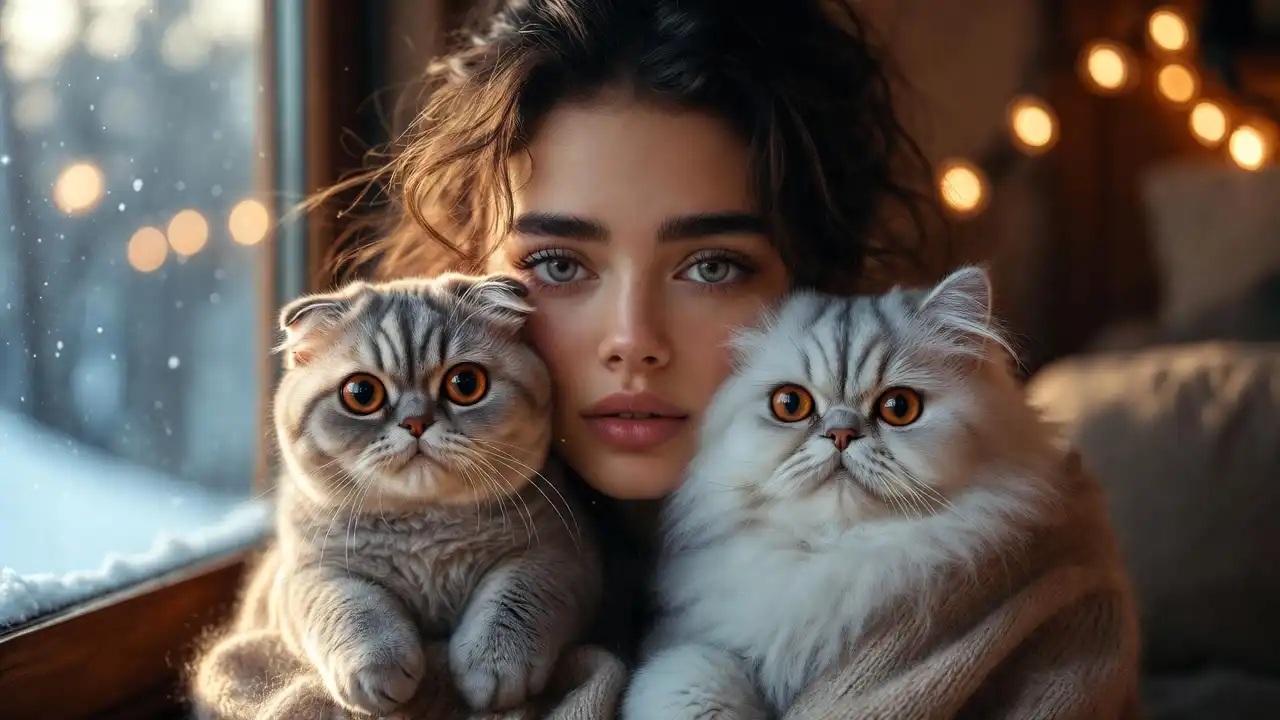
There’s a reason you can’t scroll past a photo of a cat with enormous, soulful eyes. Something deep inside us melts when we see those perfectly round, glistening orbs staring back—full of wonder, mischief, and just a hint of mystery.
Big-eyed cats have taken over the internet, filled our hearts, and become some of the most beloved companions in homes around the world. But behind those mesmerizing eyes are real animals with real needs—not living plushies, not decorative pets, but complex, sensitive creatures who deserve thoughtful care.
In my years working closely with small and delicate animals, I’ve learned that the cutest faces often hide the most specific needs. Let’s celebrate these gorgeous, wide-eyed felines while understanding what it truly takes to give them happy, healthy lives.
“A cat’s eyes are windows to a world of emotion most humans will never fully understand. Those big, beautiful eyes aren’t just for looking cute—they’re communicating constantly. Learn to read them, and you’ll unlock a bond deeper than words.”
— The Soul Behind the Cuteness
Why Some Cute Animals Look Like Babies Forever
Have you ever wondered why certain cats make your heart squeeze? It’s not random—it’s science.
The phenomenon is called neoteny—the retention of juvenile features into adulthood. Big eyes, round faces, small noses, and soft features trigger the same nurturing response in humans that babies do. Our brains are literally wired to find these traits irresistible.
The Features That Make Us Melt
- Large, forward-facing eyes: Signal innocence and youth
- Round faces: Remind us of infant proportions
- Small nose and mouth: Create that “baby face” effect
- Soft, fluffy appearance: Triggers desire to cuddle and protect
- High forehead: Mimics infant head proportions
Cat breeds with big eyes have these features in abundance. But here’s the important part: just because they look like babies doesn’t mean they should be treated like helpless infants. They’re fully capable cats with instincts, intelligence, and emotional needs that require respect.
The Cutest Big-Eyed Cat Breeds
Let’s meet the cats with the most captivating eyes in the feline world.
| Breed | Eye Style | Energy Level | Grooming Needs | Family Suitability |
|---|---|---|---|---|
| Persian | Large, round, copper/blue | Low | Very High (daily) | Calm families, seniors |
| Scottish Fold | Huge, owl-like, round | Moderate | Moderate | Most families |
| British Shorthair | Large, round, copper/gold | Low-Moderate | Low-Moderate | Excellent for all |
| Singapura | Enormous, almond, expressive | High | Low | Active families |
| Burmese | Large, round, golden | High | Low | Families with time |
| Devon Rex | Huge, wide-set, elfin | Very High | Low (special skin care) | Active, playful homes |
| Cornish Rex | Large, oval, prominent | Very High | Low | Energetic families |
| Abyssinian | Large, almond, alert | Very High | Low | Active households |
| Sphynx | Huge, lemon-shaped | High | Moderate (skin care) | Dedicated owners |
| Ragdoll | Large, oval, vivid blue | Low-Moderate | Moderate | Excellent for families |
Each of these breeds has been adored for their captivating eyes, but remember: every cat is an individual. Breed tendencies are guidelines, not guarantees.
The Tiny Animal Paradox: Small Size, Big Personality
Here’s something that surprises many first-time cat owners: the smallest, most adorable cats often have the biggest, boldest personalities.
Why Tiny Animals Act So Bold
A Singapura might weigh only 5 pounds, but they’ll strut around like they own the house—and they kind of do. This fearlessness isn’t a flaw; it’s a survival mechanism. Small animals that act confident often fare better than timid ones.
But this boldness needs proper channeling. I’ve seen many owners unintentionally create anxiety by treating cute animals like babies instead of companions. When we carry them everywhere, never let them explore, and rush to “rescue” them from every minor challenge, we actually increase their insecurity.
How to Bond Without Overwhelming
- Let them come to you: Forced cuddling creates stress, not love
- Respect their “no”: Flattened ears, tail twitching, looking away = they need space
- Create safe spaces: High perches and hiding spots help them feel secure
- Play, don’t just pet: Interactive play builds confidence and trust
- Keep handling positive: Short sessions with treats, never restraint
⚠️ Expert Warning: The Socialization Gap
Don’t Isolate Cute Animals From the World
Because big-eyed cats look so precious and delicate, owners often over-protect them:
- Never letting them meet visitors
- Keeping them in one “safe” room forever
- Picking them up at every unfamiliar sound
- Avoiding any enrichment that seems “scary”
This creates a cat who believes the world IS terrifying. Proper socialization—gradual exposure to new people, sounds, and experiences—builds confident, well-adjusted cats who can handle life’s surprises.
Safety in a Big World for Tiny Animals
Small cats face genuine physical risks that larger, sturdier cats don’t. Being aware of these helps keep your precious companion safe.
Household Hazards
- Recliners and sofa beds: Check before closing—cats hide in mechanisms
- Falling from heights: Cats aren’t always graceful; kittens especially can misjudge
- Being stepped on: Small cats underfoot are easy to overlook
- Doors: Small bodies can slip through closing doors
- Washer/dryer: Always check before starting a cycle
- Children handling: Young kids can squeeze too hard or drop cats
Interactions With Other Animals
If you have dogs or larger cats, supervision is essential:
- Even playful dogs can injure a 5-pound cat accidentally
- Rough play between cats of very different sizes can cause injury
- Ensure small cats have escape routes and high spaces only they can access
- Never leave small cats unsupervised with dogs until trust is established
🐾 Pro Tip: Why Gentle Handling & Supportive Care Matter
Small cats—especially breeds like Singapura, Devon Rex, and Cornish Rex—have delicate frames:
- Always support their hindquarters when picking them up
- Never scruff adult cats—it’s uncomfortable and damages trust
- Use two hands: One under chest, one supporting back legs
- Let them settle before moving: A squirming cat is more likely to fall
- Teach children proper handling: Sit on the floor, let the cat come to them
Gentle, confident handling builds trust. Rough or careless handling creates a cat who hates being touched.
Nutrition for Small-Bodied Animals
Big-eyed beauties often come in smaller packages, and smaller bodies have different nutritional needs than their larger cousins.
Why Small Cats Need Frequent, Energy-Rich Meals
Small cats have faster metabolisms relative to their body size. They burn through energy quickly and can’t store much in reserve.
- Feed smaller, more frequent meals: 3-4 times daily for small breeds
- Choose high-quality, calorie-dense food: Small stomachs need nutrient-rich bites
- Don’t free-feed junk food: Quality matters more when quantity is limited
- Keep fresh water always available: Small cats dehydrate faster
The Hypoglycemia Risk
Very small cats and kittens can experience dangerous drops in blood sugar if they go too long without eating:
Warning Signs of Low Blood Sugar:
- Weakness or wobbling
- Trembling or shivering
- Confusion or disorientation
- Pale gums
- Collapse (severe cases)
Emergency Response: Rub honey or corn syrup on their gums and contact your vet immediately.
Weight Matters More
An extra half-pound on a 6-pound cat is significant—equivalent to an extra 10+ pounds on a human. Obesity stresses small joints, hearts, and organs:
- Weigh your cat monthly on a kitchen scale
- Adjust portions based on body condition, not just weight
- Treats count—keep them under 10% of daily calories
- Consult your vet about ideal weight for your specific cat
Training, Enrichment & Gentle Discipline
Here’s a confession from the animal care world: people skip training cute cats. They think, “She’s so sweet, she doesn’t need rules” or “He’s too little to learn commands.”
This is a mistake that hurts both cat and owner.
Why Training Matters for Big-Eyed Breeds
- Cats thrive on routine: Predictability reduces anxiety
- Mental stimulation prevents boredom: A bored cat is a destructive cat
- Training builds communication: You learn to understand each other
- Commands can save lives: “Come” and “stay” matter in emergencies
Positive Reinforcement Works
Cats respond brilliantly to reward-based training:
- Use tiny treats, praise, or play as rewards
- Keep sessions short (5-10 minutes)
- End on success—even a small one
- Never punish mistakes—redirect to correct behavior
- Be patient—cats learn at their own pace
Safe Indoor Activities for Small Cute Cats
- 🎯 Interactive Wand Toys — Mimics hunting, satisfies prey drive safely
- 🧩 Puzzle Feeders — Mental stimulation that makes meals exciting
- 📦 Cardboard Box Kingdoms — Free entertainment that never gets old
- 🏔️ Cat Trees & Climbing Shelves — Vertical space builds confidence
- 🎾 Crinkle Balls & Soft Toys — Self-play options for solo entertainment
- 🌿 Cat Grass & Safe Plants — Enrichment through natural exploration
Health Considerations in Big-Eyed Cat Breeds
Those gorgeous, oversized eyes come with specific health considerations. Understanding these helps you catch problems early.
Eye-Specific Issues
- Excessive tearing: Common in flat-faced breeds (Persians, Exotic Shorthairs)
- Eye infections: Large, prominent eyes are more exposed
- Entropion: Eyelids rolling inward, irritating the eye
- Progressive Retinal Atrophy: Genetic in some breeds
Breed-Specific Health Concerns
| Breed | Common Health Issues | What to Watch For |
|---|---|---|
| Persian | PKD, breathing issues, tear staining | Noisy breathing, kidney function |
| Scottish Fold | Osteochondrodysplasia (joint issues) | Stiffness, reluctance to jump |
| Devon/Cornish Rex | Skin conditions, temperature sensitivity | Skin irritation, coldness |
| Burmese | Diabetes, heart disease | Weight changes, lethargy |
| Sphynx | HCM, skin conditions | Heart murmurs, skin oiliness |
General Small Cat Health Considerations
- Dental crowding: Small mouths, full-sized teeth—regular dental care essential
- Fragile joints: Luxating patellas more common in small breeds
- Temperature regulation: Small bodies chill and overheat faster
- Anesthesia sensitivity: Small animals need careful dosing
Regular veterinary checkups—at least annually, ideally twice yearly for seniors—help catch issues early when they’re most treatable.
Grooming & Daily Care Commitment
Those stunning big eyes are often set in faces that require regular maintenance. Here’s what to expect.
Eye Care
Big-eyed breeds often need daily eye cleaning:
- Use soft, damp cotton balls or eye wipes
- Wipe from inner corner outward
- Different wipe for each eye to prevent spreading infection
- Watch for changes in discharge color or amount
Coat Care by Type
- Long-haired (Persian, Ragdoll): Daily brushing to prevent mats
- Short-haired (British Shorthair, Burmese): Weekly brushing usually sufficient
- Rex coats (Devon, Cornish): Gentle brushing, plus skin care
- Hairless (Sphynx): Weekly baths to remove skin oils
Other Daily Care
- Nail trimming: Every 2-3 weeks
- Dental care: Daily brushing ideal, dental treats helpful
- Ear cleaning: Weekly check, clean as needed
- Litter box: Scoop daily, full clean weekly
Frequently Asked Questions
Are big-eyed cats good with kids?
It depends on the breed and individual cat, as well as the children’s ages and behavior. Ragdolls and British Shorthairs tend to be patient and tolerant—great for families. Smaller, more delicate breeds like Singapuras and Devon Rex do better with older children who understand gentle handling. The key is teaching kids to respect the cat’s boundaries, never chase or corner them, and always let the cat come to them. Supervise all interactions until you’re confident both child and cat are comfortable together.
Do smaller cats live longer than larger cats?
Unlike dogs, where small breeds typically outlive large breeds significantly, the size-lifespan connection in cats is less dramatic. Most domestic cats, regardless of size, live 12-18 years with proper care. Some smaller breeds like Singapura and Burmese can live into their late teens or even twenties. However, breed-specific health issues matter more than size. A well-bred, health-tested cat of any size, given excellent nutrition and veterinary care, has the best chance at a long life.
How much activity do big-eyed cat breeds actually need?
It varies enormously by breed! Persians and British Shorthairs are couch potatoes happy with 15-20 minutes of gentle play daily. Abyssinians, Devon Rex, and Singapuras are little athletes who need 30-60 minutes of interactive play to stay happy and out of trouble. Most cats do well with two 15-minute play sessions plus environmental enrichment (cat trees, window perches, puzzle feeders). A bored cat is a destructive cat—if they’re knocking things off shelves or attacking your ankles, they need more stimulation.
Are tiny cats harder to care for than average-sized cats?
In some ways, yes. Tiny cats need more frequent feeding (to prevent blood sugar drops), more careful handling (to prevent injuries), and often more vigilant supervision (they can squeeze into smaller spaces and escape more easily). However, they’re not necessarily harder to love! The main challenges are physical management rather than behavioral. If you’re prepared for the extra attention their small size requires, caring for them becomes second nature quickly.
Can big-eyed cats live happily in apartments?
Absolutely! Most big-eyed breeds are excellent apartment cats. Persians, Ragdolls, British Shorthairs, and Scottish Folds are particularly well-suited to smaller spaces due to their calm temperaments. Even higher-energy breeds like Devon Rex and Abyssinians can thrive in apartments IF you provide adequate vertical space (cat trees, wall shelves) and daily interactive play. The key isn’t square footage—it’s enrichment. A small apartment with climbing opportunities, window perches, and an engaged owner beats a large house where the cat is ignored.
Do cute cats get lonely? Should I get two?
Many big-eyed breeds are quite social and can experience loneliness if left alone for long periods. Burmese, Siamese, Devon Rex, and Abyssinians especially crave companionship. If you work long hours, a second cat (properly introduced) can provide company. However, some breeds—Persians, British Shorthairs—are more independent and may not need a feline companion. Consider your lifestyle and the specific breed’s social needs. If getting two, introducing them as kittens is easiest, but adult cats can learn to coexist with patient introductions.
Why are some big-eyed breeds so expensive?
Responsible breeding costs money. Health testing parents for genetic diseases, providing proper veterinary care, quality nutrition, early socialization, and appropriate facilities all add up. Breeds like Scottish Folds, Persians, and Sphynx require additional health screening due to breed-specific concerns. A $2,000+ kitten from a reputable breeder typically comes with health guarantees, initial vaccinations, and support for life. Budget breeders skip health testing, creating cats with expensive medical problems down the road. That initial savings often becomes much larger vet bills later.
Final Thoughts: The Soul Behind Those Beautiful Eyes
There’s no denying it—a cat with enormous, soulful eyes looking up at you is one of life’s purest pleasures. That trust, that curiosity, that quiet demand for attention in those glistening orbs can turn the hardest heart into a puddle.
But those eyes aren’t just for melting hearts. They’re watching, learning, communicating. They’re windows to a complex little soul who needs more than admiration—they need understanding, respect, and proper care.
Here’s what I hope you’ll remember:
- Cute doesn’t mean easy. Every breed has specific needs.
- Respect builds trust. Let them come to you; honor their boundaries.
- They’re cats, not decorations. They need enrichment, training, and agency.
- Those big eyes are communicating. Learn to read what they’re telling you.
- Small companions leave enormous impressions. The love they give is as big as any.
When you earn the trust of a big-eyed cat—when they choose to curl up on your lap, slow-blink at you across the room, or knead your chest while purring—you’ve received something precious. Something that can’t be bought, only built through patience, respect, and love.
That’s the real magic behind those captivating eyes.
Those enormous eyes see everything—your kindness, your patience, your love. Give them something beautiful to reflect. 💕
📋 Disclaimer
This content is for educational purposes only and does not replace professional veterinary advice. Individual cats vary widely in health and temperament regardless of breed. Always consult with veterinarians for guidance specific to your pet’s needs.
🐾 Author Bio
Written by: Dr. Alexandra Rivers, MS, CCAB
Pet-Tech Researcher & Cute Animals Care Specialist at CuteAnimals.cc
Dedicated advocate for small and baby-faced animals with 15 years of experience in ethical care, behavior understanding, and wellness. Dr. Rivers specializes in helping owners understand that behind every cute face is a complete, complex animal deserving of thoughtful, informed care.
Content reviewed using species-aware standards, animal welfare guidelines, and real-life caretaker experiences to ensure trust and accuracy.
You May Also Like