Cute Ocean Animals: 25 Adorable Marine Creatures
The ocean covers more than 70% of our planet and hosts an incredible diversity of life, including some of the most adorable creatures on Earth. From tiny seahorses to playful dolphins, marine animals capture our hearts with their unique appearances and charming behaviors.
Cute ocean animals remind us that the underwater world isn’t just about fearsome sharks and mysterious deep-sea creatures. Many marine species possess the same endearing qualities as land animals—big eyes, playful personalities, and fascinating social behaviors.
This comprehensive guide explores 25 of the ocean’s most adorable inhabitants, revealing what makes them so captivating while highlighting the importance of protecting their fragile marine habitats.
Why Ocean Animals Are So Appealing
Unique Adaptations Create Cuteness
Marine animals evolved fascinating features to survive underwater environments, and many of these adaptations happen to trigger our cuteness response. Large eyes help animals see in dim ocean depths while making them appear perpetually innocent.
Rounded bodies and small appendages that aid swimming create teddy bear-like proportions. Smooth skin and blubbery bodies designed for temperature regulation give many marine mammals their huggable appearance.
Even behaviors developed for survival—like sea otters holding hands or penguins waddling—strike us as adorable because they mirror human actions and emotions.
Colors and Patterns
The ocean’s color palette creates stunning visual appeal. Bright blues, vibrant oranges, and electric yellows stand out against the underwater backdrop, making tropical fish particularly photogenic.
Patterns like spots, stripes, and iridescent scales serve camouflage or communication purposes but also create aesthetic beauty. The symmetry and color combinations found in marine life inspire artists and designers worldwide.
Bioluminescence adds magical qualities to some cute ocean animals. Watching creatures that produce their own light seems like witnessing real-life fantasy.
Behavioral Charm
Many cute ocean animals display behaviors that resonate with human observers. Dolphins’ playfulness, seals’ curiosity, and octopuses’ intelligence create emotional connections.
Social behaviors like penguin colonies, otter rafts, and whale pods demonstrate family bonds and cooperation we find heartwarming. These interactions show that marine animals experience complex social lives.
Even simple behaviors like turtles swimming gracefully or jellyfish pulsing rhythmically have meditative, calming qualities that attract human attention.
25 Adorable Marine Creatures
1. Sea Otter: The Tool-Using Floater
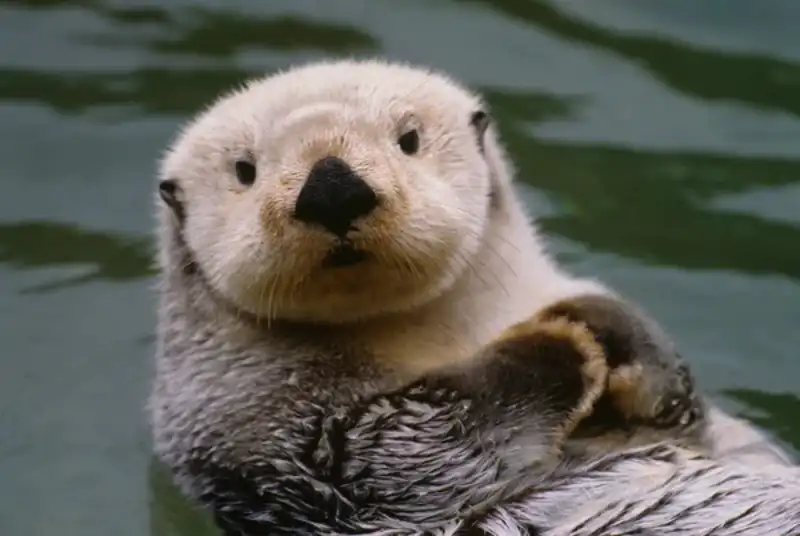
Sea otters are perhaps the ocean’s most universally beloved creatures. These marine mammals float on their backs, often holding hands with companions to avoid drifting apart while sleeping.
They use rocks as tools to crack open shellfish and keep favorite stones in pouches under their arms. Baby sea otters (pups) rest on their mothers’ bellies, riding the waves like tiny, fuzzy boats.
Why They’re Cute: Dense fur (the thickest of any animal), playful behavior, hand-holding, expressive faces, and devoted parenting make them irresistible.
2. Clownfish: The Striped Celebrities
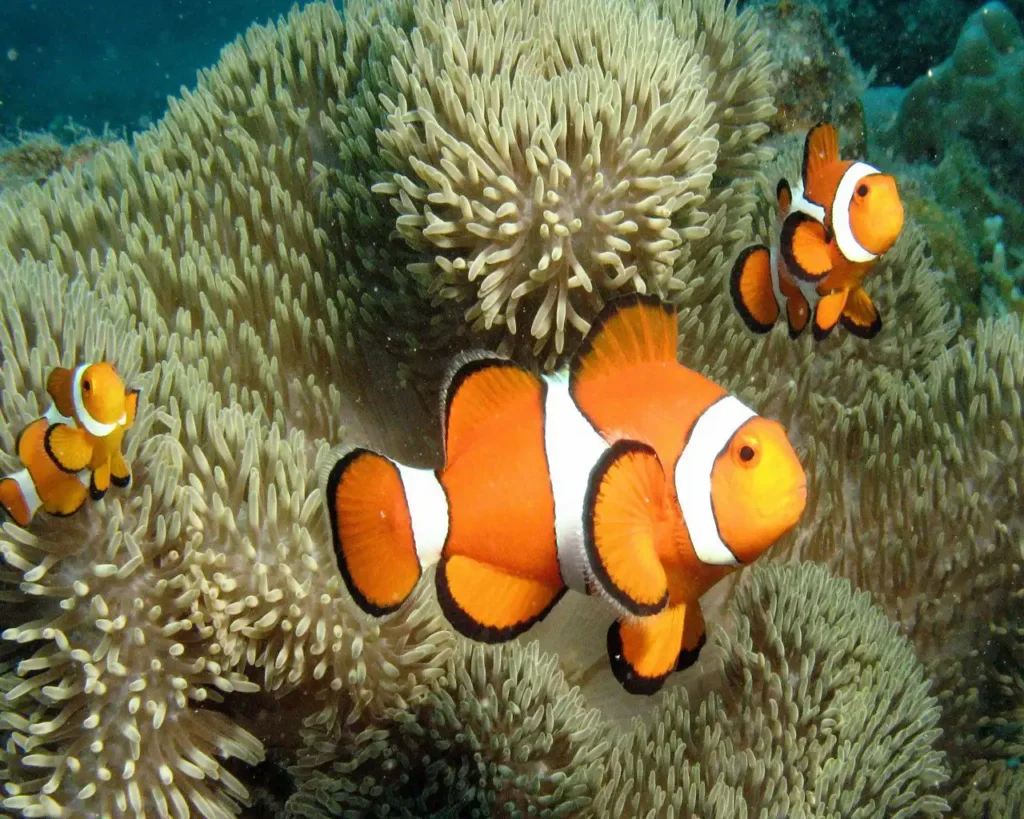
Made famous by animated films, clownfish are small, vibrant orange fish with distinctive white stripes. They live symbiotically with sea anemones, which would sting most other fish.
These tiny fish have amusing swimming styles—quick, darting movements followed by hiding in anemone tentacles. Their size (typically 3-4 inches) makes them appear perpetually young.
Why They’re Cute: Bright colors, waddling swim style, tiny size, and their protective relationship with “home” anemones create endearing appeal.
3. Seahorses: The Upright Swimmers
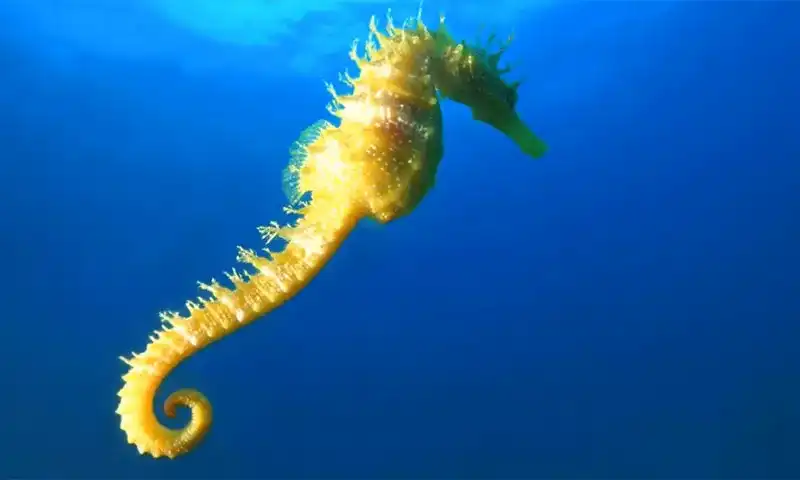
Seahorses are impossibly unique with horse-like heads, curled tails, and upright swimming positions. These tiny fish (most species are under 6 inches) move through water with delicate, fluttering fin movements.
Males carry and birth babies—one of nature’s rare examples of male pregnancy. They’re monogamous and perform elaborate courtship dances, intertwining tails with partners.
Why They’re Cute: Unique shape, tiny size, gentle movements, devoted partnerships, and the surprising fact that dads give birth.
4. Penguins: The Tuxedoed Waddlers
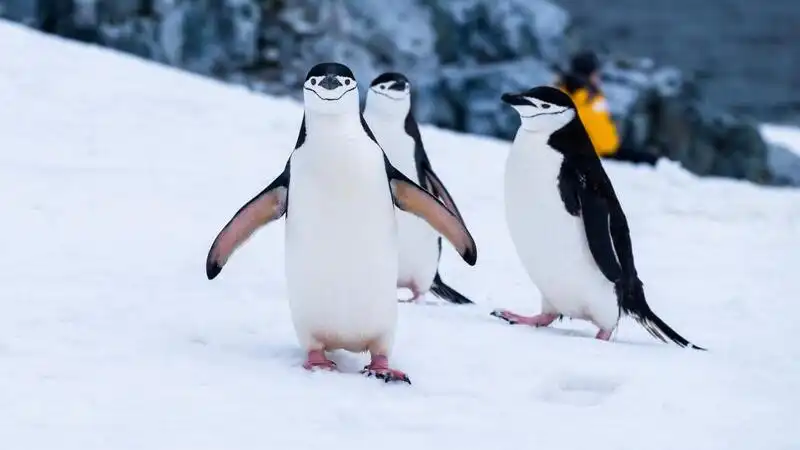
Penguins are flightless birds that waddle comically on land but transform into graceful torpedoes underwater. Their formal “tuxedo” appearance and upright posture give them distinguished charm.
Emperor penguin chicks are balls of gray fluff that huddle together for warmth. Adult penguins propose with pebbles and maintain lifelong partnerships, returning to the same mate each breeding season.
Why They’re Cute: Waddling walk, tuxedo coloring, devoted parenting, fluffy chicks, and their apparent “formality” despite clumsy land movement.
5. Dolphins: The Smiling Acrobats
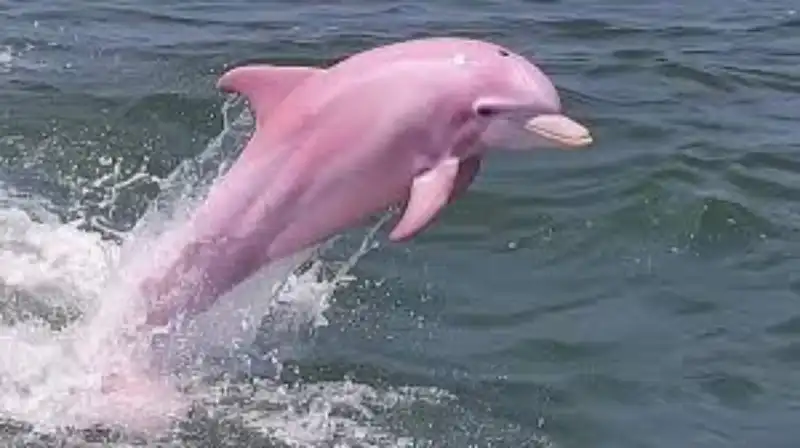
Dolphins are highly intelligent marine mammals with permanent “smiles” created by their beak shape. They’re incredibly social, traveling in pods and displaying playful behaviors like surfing waves and leaping from water.
These animals demonstrate self-awareness, use tools, communicate with complex vocalizations, and have been observed helping injured companions and even rescuing humans.
Why They’re Cute: Perpetual smile, playful personality, acrobatic displays, obvious intelligence, and friendly interactions with humans.
6. Sea Turtles: Ancient Mariners
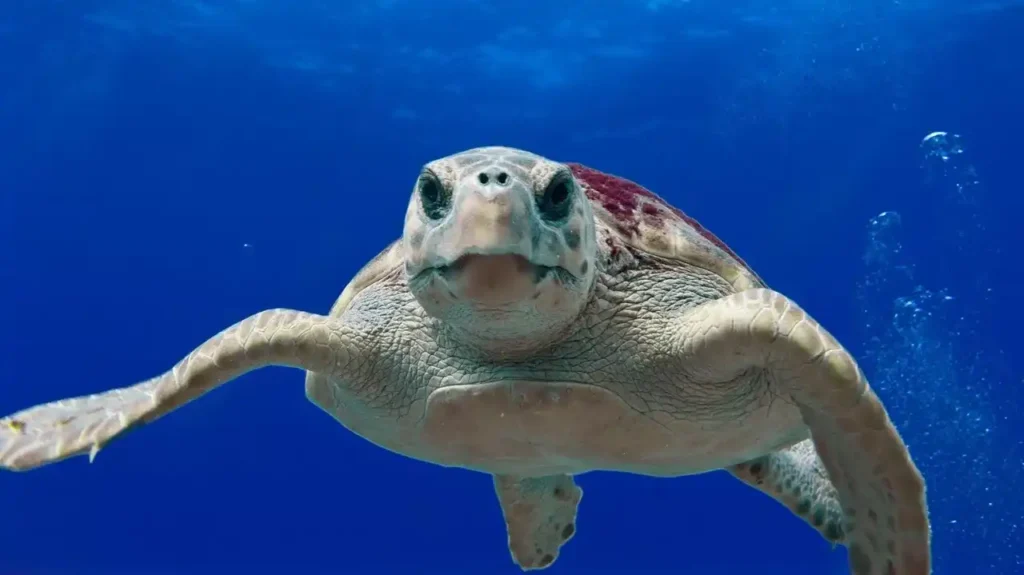
Sea turtles glide through oceans with gentle grace, their flippers moving like wings. These ancient reptiles have existed for over 100 million years, surviving the asteroid that killed dinosaurs.
Baby sea turtles are particularly adorable—tiny versions of adults making their first scramble from beach nests to ocean. They use flippers that seem oversized for their small bodies.
Why They’re Cute: Gentle nature, wise-looking faces, graceful swimming, determined baby turtles, and their ancient, peaceful presence.
7. Pufferfish: The Inflatable Adorables
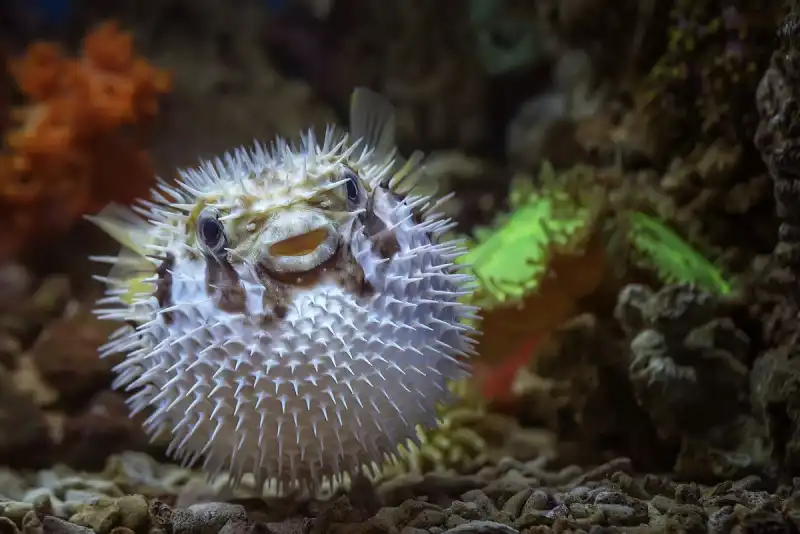
Pufferfish are round, curious fish that inflate into perfect spheres when threatened. Their ability to “puff up” makes them look like floating balloons covered in spines.
These fish have large, expressive eyes and beak-like mouths that create perpetual smiles. Some species are highly intelligent and recognize their caretakers in aquariums.
Why They’re Cute: Round shape, big eyes, inflation ability, curious personality, and their surprised expression when puffed.
8. Manatees: Gentle Sea Cows
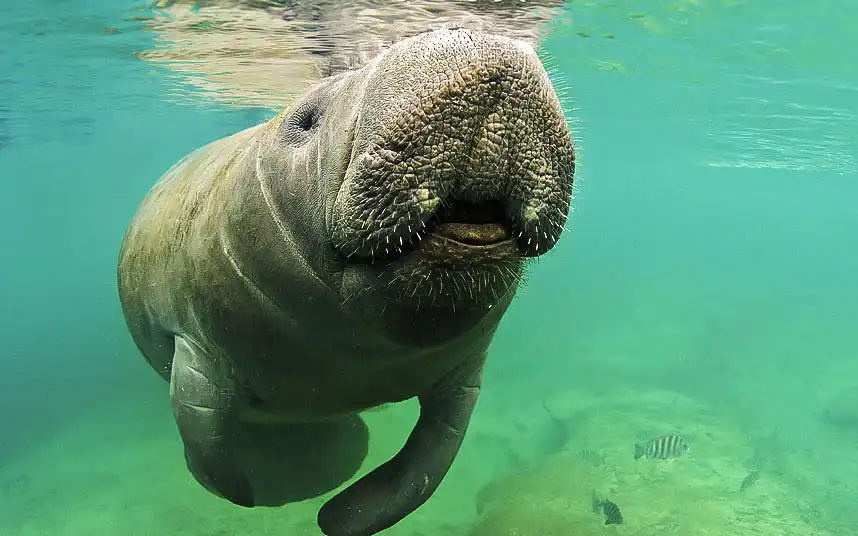
Manatees are large, slow-moving marine mammals with wrinkled skin, whiskers, and perpetually friendly expressions. Despite weighing up to 1,200 pounds, they’re completely harmless herbivores.
These gentle giants move through water with surprising grace. They’re curious and sometimes approach swimmers, though touching wild manatees is illegal in many places to protect them.
Why They’re Cute: Gentle demeanor, whiskers, slow movements, friendly curiosity, and their peaceful grazing behavior.
9. Nudibranch (Sea Slugs): Living Jewels
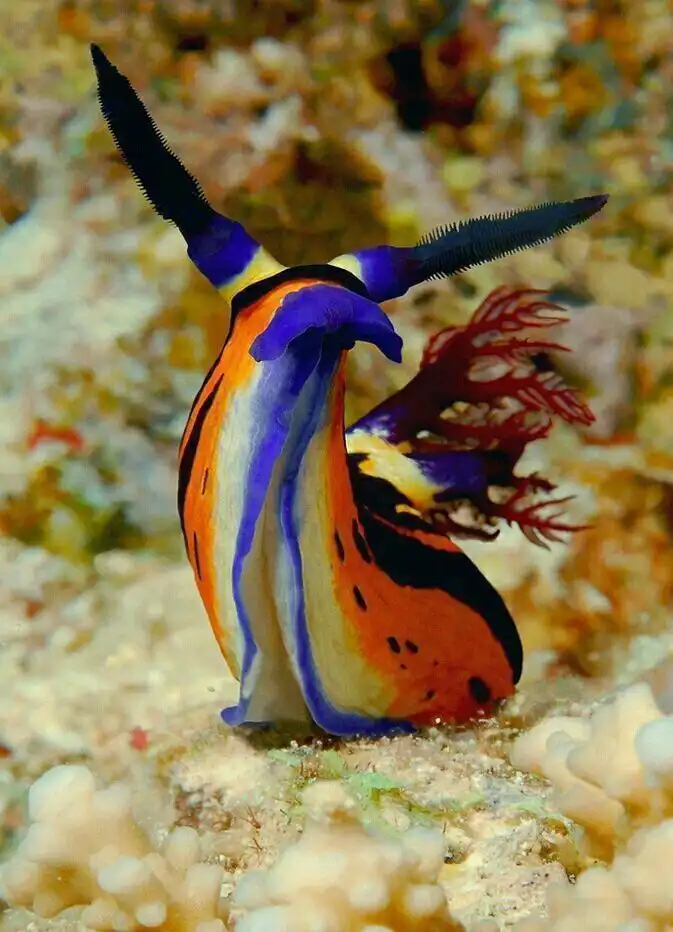
Nudibranchs are shell-less mollusks that come in every color imaginable—electric blue, vibrant pink, neon yellow. Their bizarre, beautiful shapes include frills, horns, and feathery gills.
These tiny creatures (most under 2 inches) crawl slowly across reefs like miniature underwater dragons. Despite the name “slug,” they’re among the ocean’s most visually stunning animals.
Why They’re Cute: Incredible colors, tiny size, unique shapes, slow movement, and their alien-like beauty.
10. Beluga Whales: The White Smilers
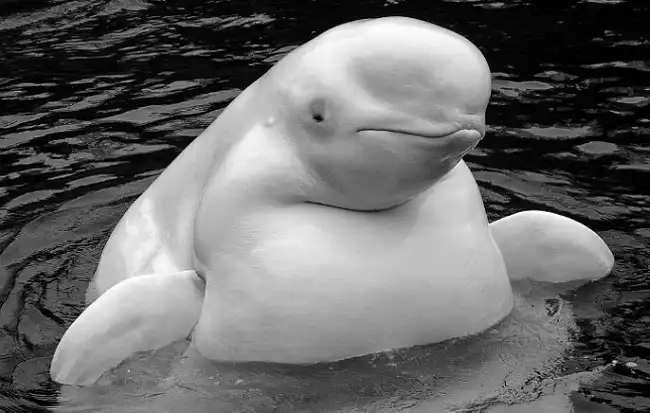
Beluga whales are entirely white with bulbous foreheads (melons) and what appear to be permanent smiles. These social whales are highly vocal, earning them the nickname “canaries of the sea.”
They’re incredibly expressive, changing their melon shape to produce different sounds and facial expressions. Belugas are curious and playful, often interacting with boats and divers.
Why They’re Cute: White coloring, smiling appearance, vocalizations, flexible faces, and playful, curious nature.
11. Octopuses (Small Species): Eight-Armed Cuties
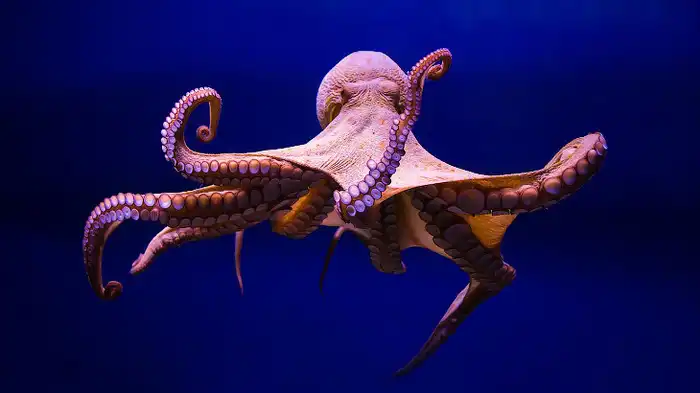
Smaller octopus species combine intelligence with endearing appearances. Their large eyes, color-changing abilities, and eight wiggly arms create fascinating appeal.
Dumbo octopuses have ear-like fins that make them look like flying elephants. Coconut octopuses carry shells as portable homes, and all octopuses demonstrate remarkable problem-solving abilities.
Why They’re Cute: Big eyes, color changes, intelligent behaviors, and species-specific features like dumbo ears or carrying shells.
12. Harbor Seals: The Puppy Dogs of the Sea
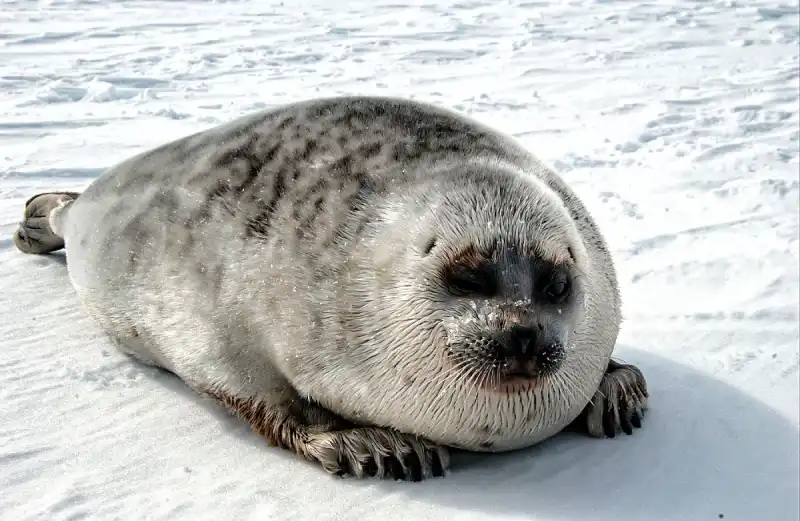
Harbor seals have large, dark eyes, whiskers, and spotted coats. Their rounded bodies and curious personalities make them appear like aquatic puppies.
These seals are incredibly playful, often approaching boats and divers with apparent curiosity. Seal pups are particularly adorable with their fluffy white coats and big eyes.
Why They’re Cute: Puppy-like faces, whiskers, curiosity, playfulness, and the incredibly cute pups.
13. Starfish: The Five-Armed Wonders
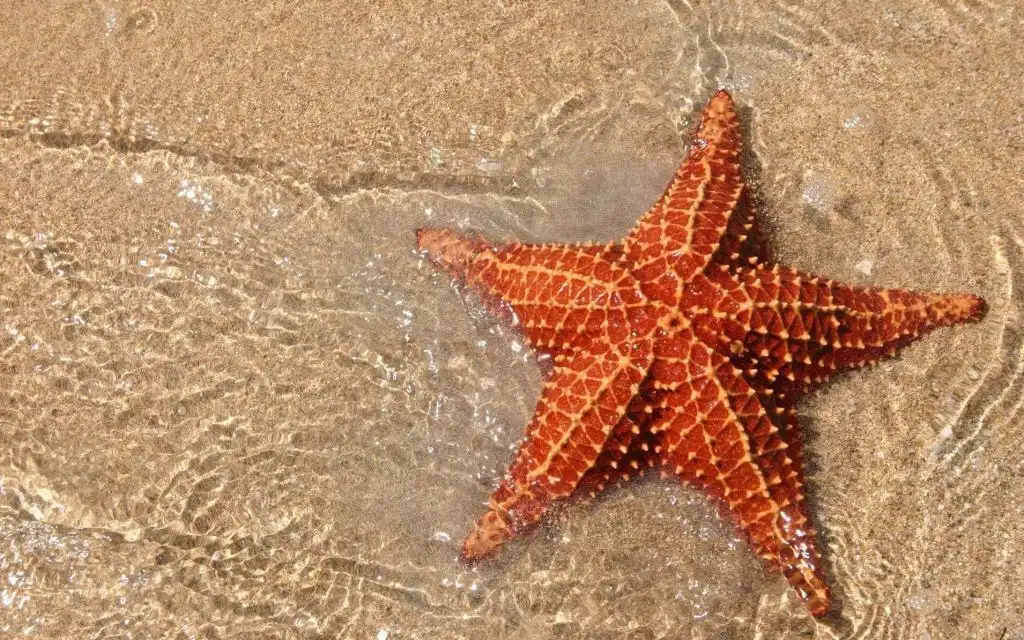
Starfish (sea stars) come in vibrant colors and patterns with five (or more) arms radiating from central bodies. Their slow movement and unique symmetry create visual appeal.
Some species are brightly colored—orange, purple, red, blue—standing out against ocean floors. Their ability to regenerate lost arms adds to their fascinating nature.
Why They’re Cute: Star shape, bright colors, slow movement, unique symmetry, and surprising regeneration abilities.
Starfish are amazing animals, beautiful creatures with astonishing shapes. But why did nature give them such unusual bodies?The starfish is a very ancient inhabitant of our planet.
Scientists believe this animal species already existed 400 million years ago! Biology classifies starfish as echinoderms. We are accustomed to seeing starfish with five arms, but there are species with 6 to 12 and even 40 to 50 arms. They range in size from a few centimeters to one meter.It’s hard to believe, but a starfish’s arms serve more than just locomotion; they also house important digestive and reproductive organs.
Starfish have highly developed regenerative mechanisms, and if one of their arms is lost, the starfish can regenerate. And sometimes, when attacked by a predator, a starfish can even shed its arms to avoid being eaten. New ones will grow!Furthermore, at the end of each starfish arm are eyespots, which help the animal perceive light and navigate.
Furthermore, at the base of each arm in males are two gonads, which open during mating season and contain sperm, while in females, the base of the arms contains eggs.Starfish have neither lungs nor gills.
They breathe through specialized growths on their surface. They can also roll over from their backs to their bellies and back again. But outside the water, they are completely helpless—if the surf washes a starfish ashore, it will be unable to return to the water on its own.
14. Anglerfish (Juvenile): Before the Transformation
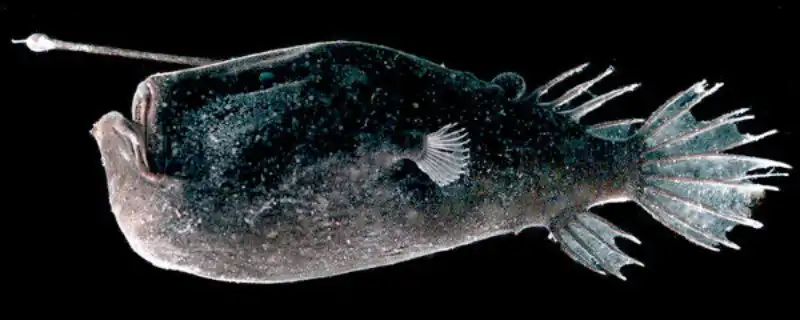
Baby anglerfish are translucent, tiny creatures that look nothing like their fearsome deep-sea adult forms. These juveniles are delicate and almost completely see-through.
The transformation from cute juvenile to monstrous adult is one of nature’s most dramatic changes. Juvenile anglerfish drift in open water before descending to dark depths.
Why They’re Cute: Translucent bodies, tiny size, delicate appearance—they’re cute specifically because they don’t yet look like adult anglerfish!
All sorts of creatures have emerged on Earth as a result of natural selection. Deep-sea anglerfish (Ceratioidei) inhabit harsh conditions at great depths, where the water is icy, the pressure reaches colossal levels, and food supplies are minimal.
They live at depths of one and a half to three kilometers. A distinctive feature of these fish is a modified ray of the dorsal fin, which acts as a lure and is shaped like a fisherman’s fishing rod (hence their nickname).
At the end of the rod (illia), hanging over a huge mouth with sharp, needle-like teeth, is a small skin outgrowth (esca), filled with millions of luminescent bacteria. It is to this light that other inhabitants of the ocean floor, small and not so small, swim, like moths to a flame. To enhance the effect of the esca, the anglerfish can control the brightness and frequency of the flashes. To do this, it simply constricts or dilates blood vessels, regulating the amount of oxygen entering the esca, which “ignites” or, conversely, “extinguishes” the luminescent bacteria.
The operating principle and design of the rods vary among anglerfish species—from the simplest, hanging over the head, to more complex ones that can extend from a channel on the back and retract, drawing the prospective prey directly into the mouth.
15. Axolotl (Marine Relatives): The Smiling Salamanders
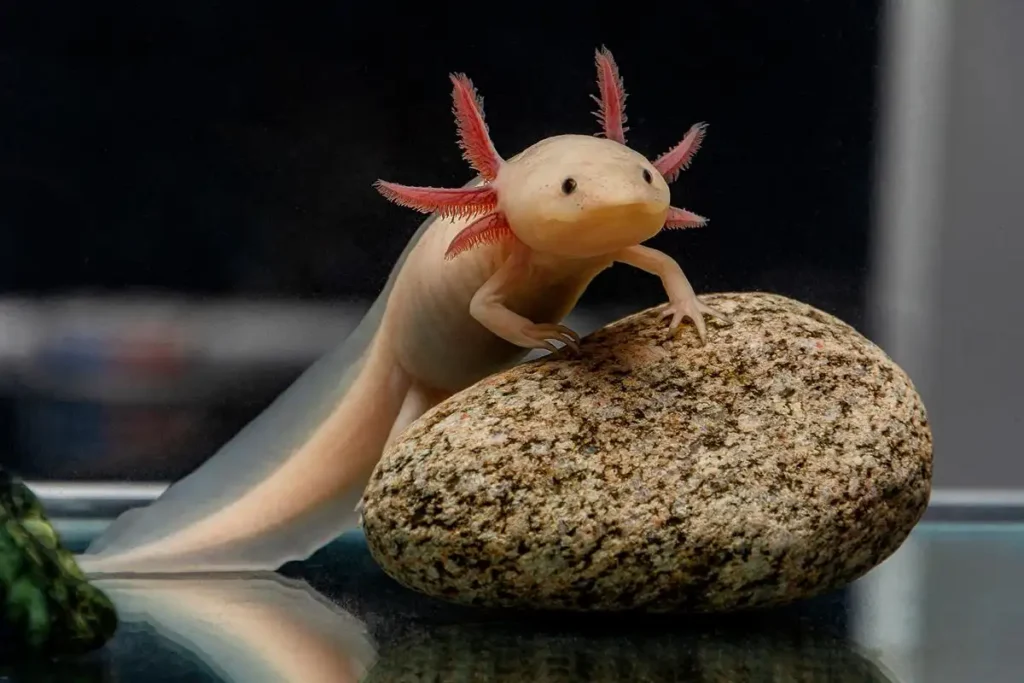
While true axolotls are freshwater, their marine relatives (certain salamanders in larval stage) share similar features—external gills like feathery crowns and permanent smiles.
These amphibians retain juvenile features throughout their lives (neoteny). Their ability to regenerate any body part makes them subjects of extensive scientific research.
Why They’re Cute: Perpetual smile, feathery gills, gentle swimming, and remaining “babies” their entire lives.
The axolotl is a fairly large amphibian, growing up to 30 cm in length. Each adult requires at least 40 liters of water. Horizontal aquariums with a large bottom area and considerable depth are preferred.
Axolotls can be housed together, but all animals in the group must be approximately the same size, otherwise larger individuals will prey on smaller ones. However, adding fish and arthropods to their group is not recommended, as axolotls are active predators.
The axolotl’s natural habitat is limited to just two Mexican lakes: Chalco and Xochimilco. These mountain lakes are characterized by cool, crystal-clear water. These parameters are extremely important to maintain when keeping an axolotl as a pet.
A comfortable water temperature for amphibians is approximately 13-20°C, and temperatures above 23-24°C can kill the animal. Chillers and water coolers are used to cool the aquarium water, and even ice bottles can be used during particularly hot periods. The aquarium should be equipped with a thermometer to monitor the water temperature.
16. Flying Fish: The Gliding Marvels
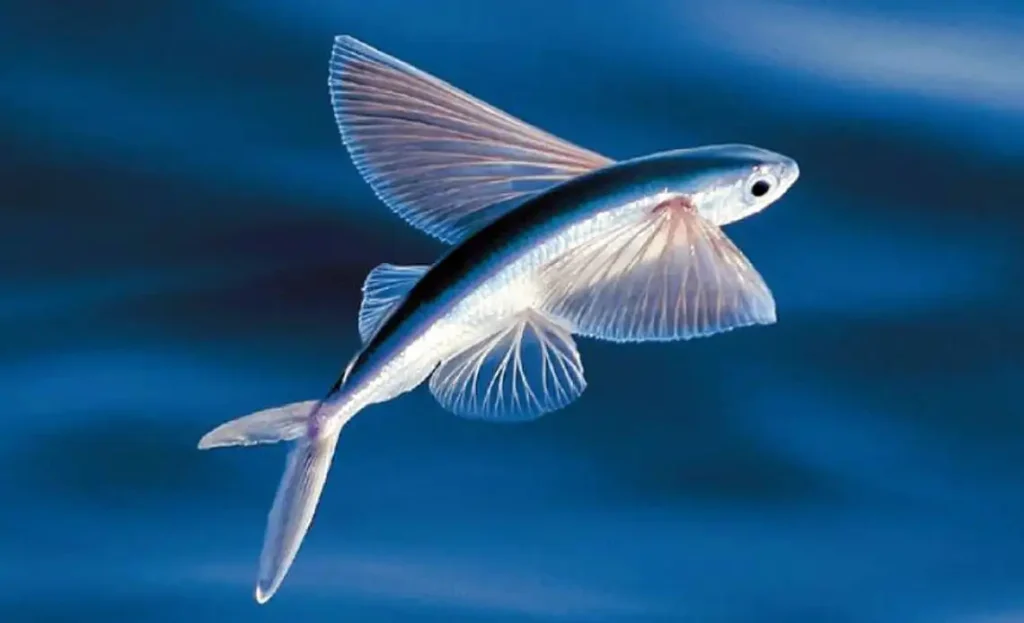
Flying fish have enlarged pectoral fins that allow them to glide above water for hundreds of feet. Watching schools of these fish “fly” is mesmerizing.
Their large eyes and streamlined bodies give them sleek appeal. Baby flying fish are particularly tiny and perform miniature flights that seem impossible for their size.
Why They’re Cute: Impressive flight ability, large eyes, sleek appearance, and the seemingly impossible feat of fish flying.
Within every animal family, we can find species that behave completely differently from other members of the taxon. One such unique creature is the flying fish,, which soars across the water like seagulls. If you’ve seen the movie “Life of Pi,” you’ll likely remember the scene where the flying fish fly over the boat and the Bengal tiger catches them with its open mouth.
The most distinctive feature of flying fish is their unusually large, wide, and high-set pectoral fins, which allow them to move across the surface of the water. Their body shape
resembles a torpedo, and its tail fin allows it to reach very high speeds underwater.
Flying fish are capable of gliding through the water, during which their pectoral fins expand, forming a kind of wing. In addition to the extremely useful pectoral fins, they also benefit from forked caudal fins, the lower part of which is longer than the upper part.
Many species also have large pelvic fins with six rays, providing stability during flight. The dorsal fin, with 12-14 rays, is positioned well back.Flying fishes of the genus Exocoetus (dipterans) are distinguished by a single pair of fins and a streamlined body shape.
They are very fast fliers. Meanwhile, representatives of the genus Cypselurus (swifttails) have a flattened silhouette and two pairs of fins, allowing them to spend maximum time in the air. Flying fishes of the genus Fodiator acutus (fodiators) have a pointed snout with a protruding lower jaw, while other species have a blunt snout.
17. Jellyfish (Small Species): Graceful Drifters
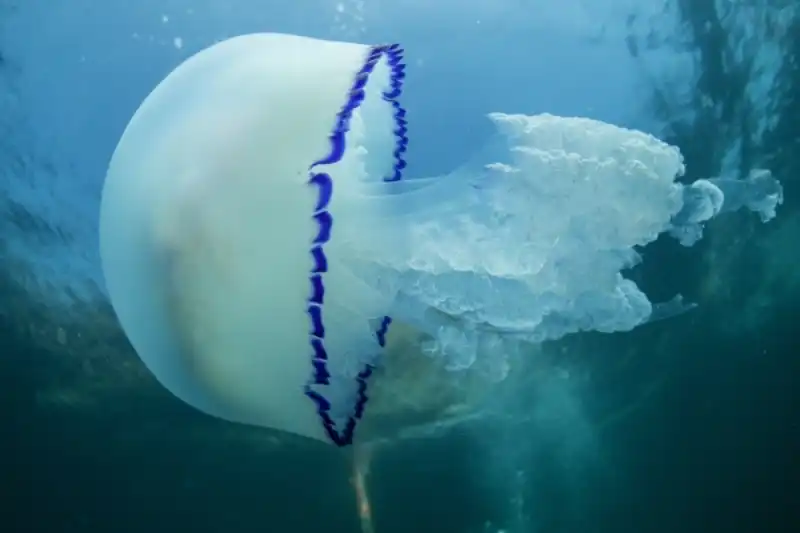
Moon jellies, comb jellies, and other small species pulse gracefully through water with translucent bells and trailing tentacles. Their rhythmic movements are hypnotic.
Some species bioluminesce, creating light shows as they drift. Their ethereal, alien appearance combined with graceful movement creates unique appeal.
Why They’re Cute: Translucent beauty, graceful pulsing, bioluminescence in some species, and meditative movement patterns.
The rootworm jellyfish is not very dangerous to humans; there are even plans to organize their commercial harvesting in the Black and Azov Seas, following the example of Asian countries, where this jellyfish is considered a delicacy, Temir Britayev, head of the Laboratory of Marine Invertebrates at the Russian Academy of Sciences, told NSN .
Residents are complaining that the Sea of Azov is experiencing an infestation of rootworm jellyfish. They say touching the tentacles of the jellyfish can cause a sting. The large number of these creatures makes swimming in the sea impossible. Locals believe the infestation is caused by increased salinity due to the warm winter and reduced freshwater inflow from the rivers. Britayev noted that the Black Sea has previously seen outbreaks of various “unpleasant jellyfish.”
18. Cuttlefish: The Color-Changing Charmers
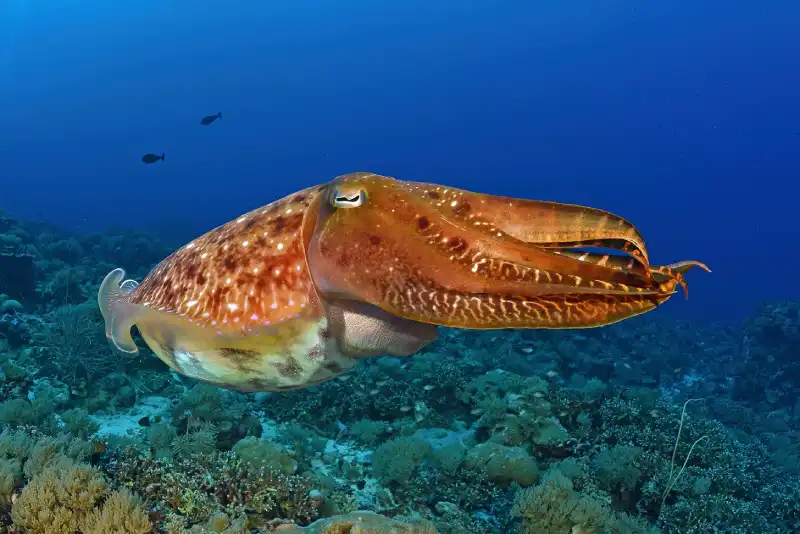
Cuttlefish are cephalopods with large, w-shaped pupils and color-changing abilities rivaling octopuses. They communicate through rapid color and pattern changes across their bodies.
These intelligent animals use camouflage for hunting and social signaling. Baby cuttlefish are miniature versions that display full adult behaviors immediately after hatching.
Why They’re Cute: Unique eyes, color changes, intelligent behaviors, and tiny babies with adult capabilities.
Perhaps the reason for this is the modest size of these animals: among cuttlefish living on Earth today, no species reaches a size that would qualify as an octopus. One of the largest modern cuttlefish, the broad-armed cuttlefish (
Sepia latimanus ), found off the western shores of the Pacific Ocean, barely reaches a weight of 10 kilograms and a length of 1.5 meters (including tentacles). The most common size of cuttlefish is 20-30 centimeters, and there are species whose adults do not exceed two centimeters in length.
19. Sea Lions: The Playful Performers
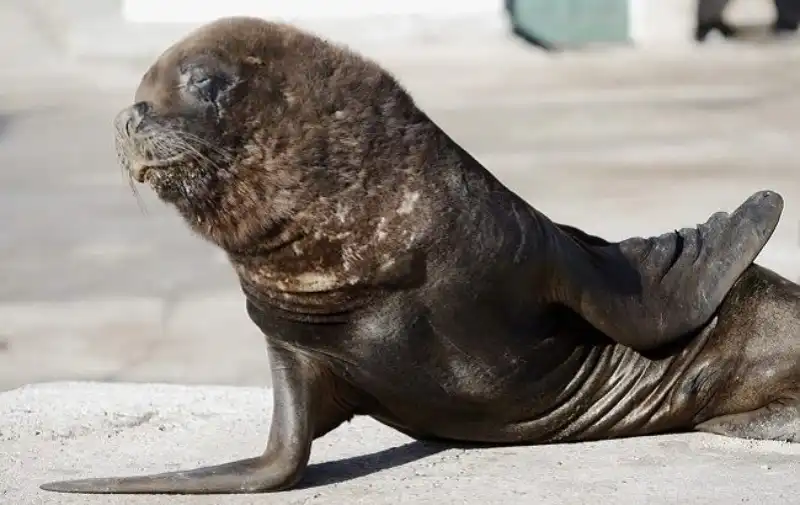
Sea lions are larger than seals with external ear flaps and long flippers. These intelligent animals are incredibly playful, curious, and social.
They bark, play with objects, surf waves for fun, and seem to enjoy interacting with humans. Their dog-like faces and playful antics make them crowd favorites at zoos and in the wild.
Why They’re Cute: Playful nature, barking sounds, dog-like appearance, curiosity, and obvious enjoyment of life.
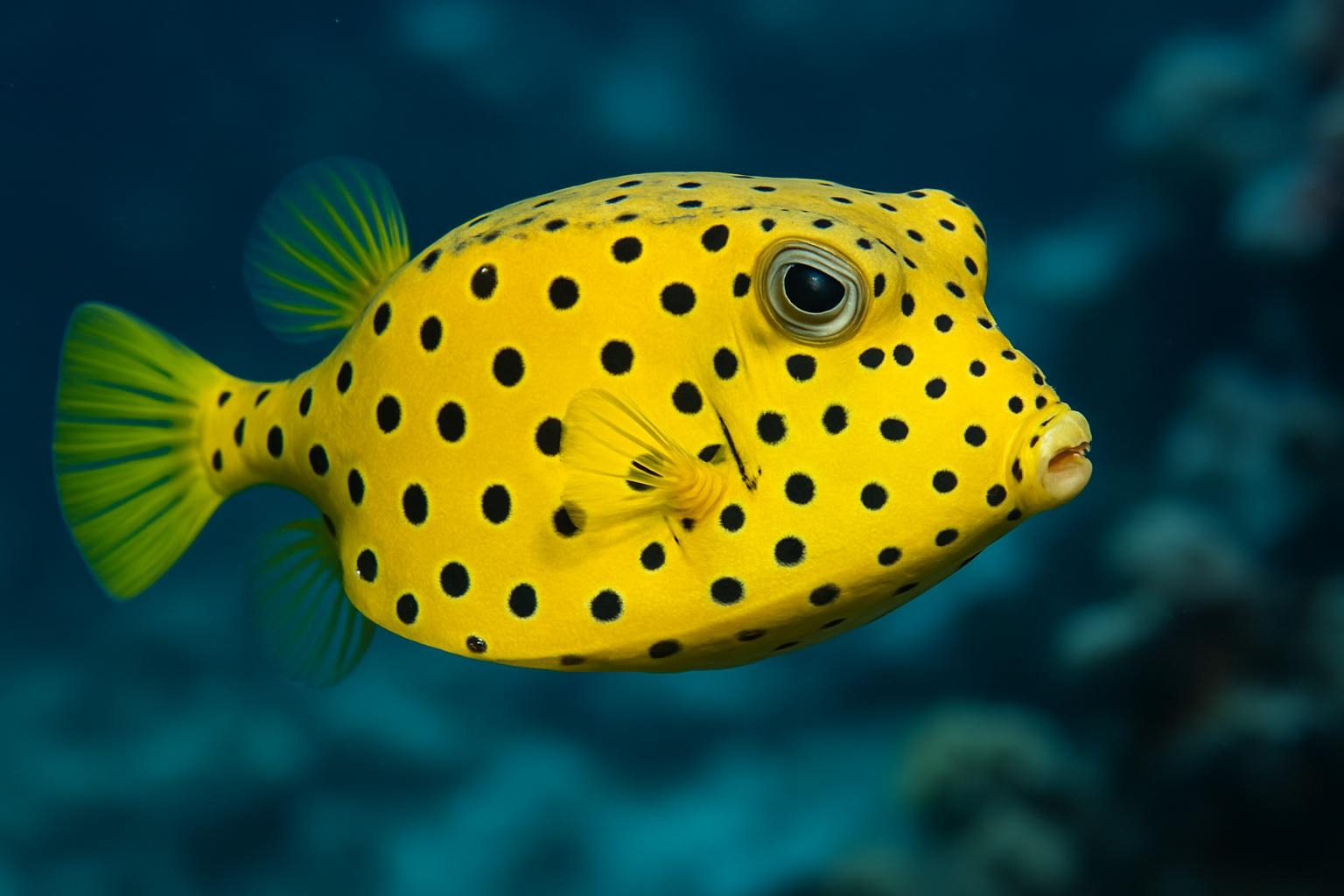
20. Boxfish: The Cube-Shaped Cuties
Boxfish have rigid, box-shaped bodies that make swimming look challenging. Despite their awkward shape, they maneuver surprisingly well with rapidly fluttering fins.
Yellow boxfish are particularly adorable with their bright coloring and apparent “smile.” They look like living boxes with fins, eyes, and tails attached.
Why They’re Cute: Impossible box shape, bright colors, challenged but determined swimming, and perpetual smile expression.
21. Leafy Sea Dragon: The Ornate Drifter
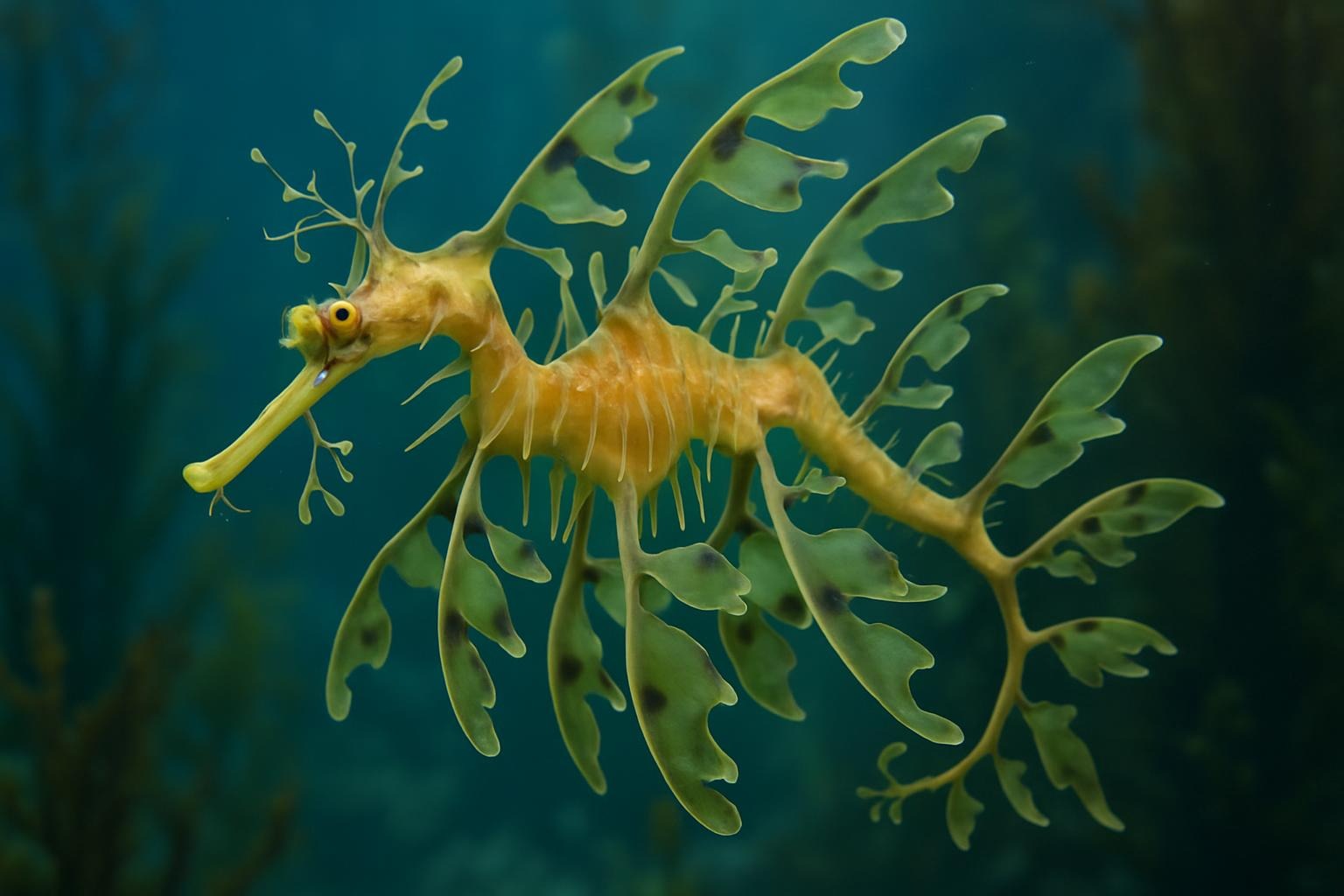
Leafy sea dragons are seahorse relatives covered in leaf-like appendages that make them look like floating seaweed. These elaborate decorations provide perfect camouflage.
They move with grace despite ornate features, drifting through kelp forests. Males carry eggs on their tails like seahorses, making them devoted fathers.
Why They’re Cute: Elaborate, beautiful appearance, graceful movement, perfect camouflage, and devoted paternal care.
22. Baby Whale Sharks: Gentle Giants in Training
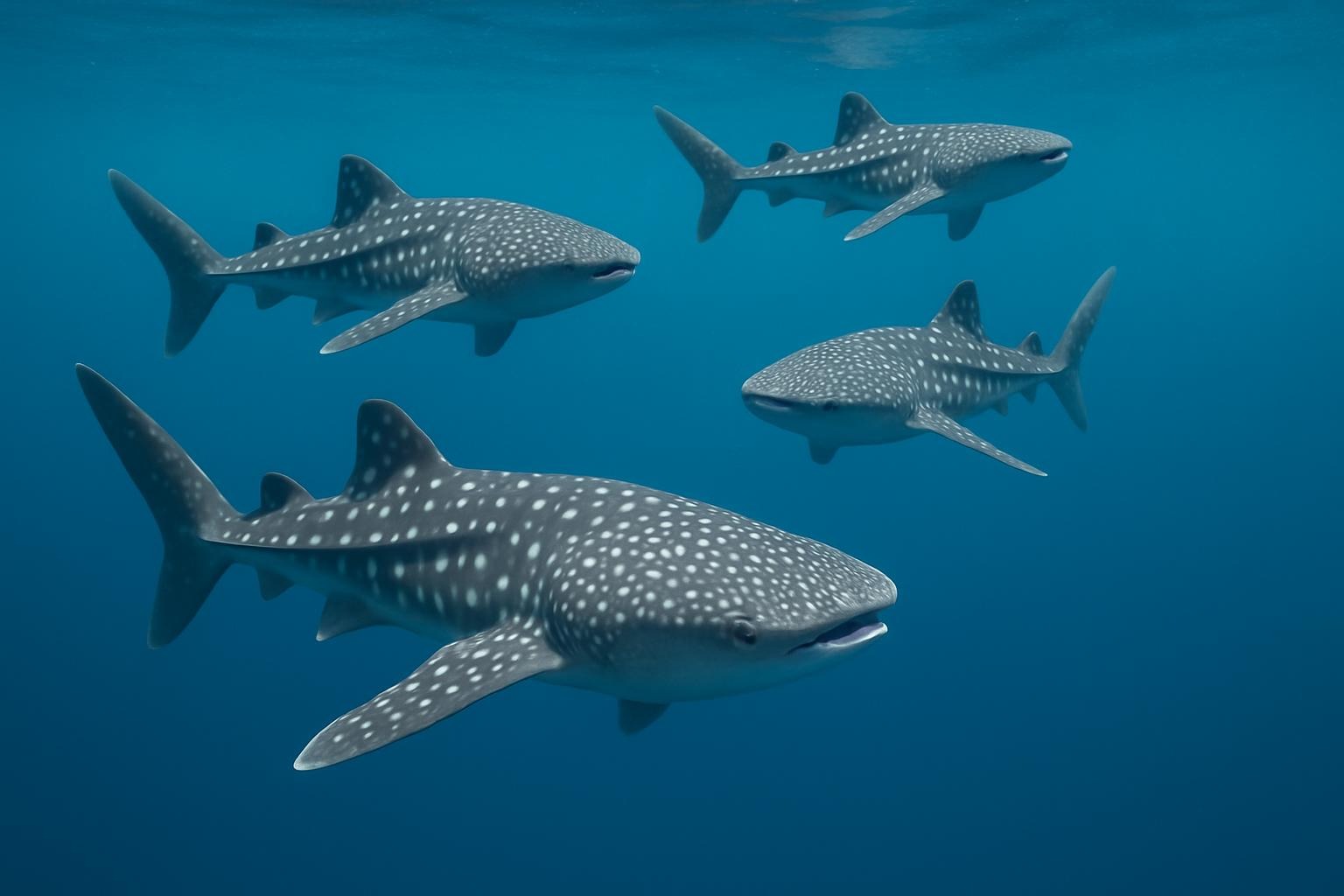
Whale sharks are the world’s largest fish, but babies are relatively small (around 2 feet) and have disproportionately large mouths. These filter-feeders are completely harmless.
Their spotted patterns are unique to each individual like fingerprints. Despite their size potential, they’re gentle and often allow swimmers to accompany them.
Why They’re Cute: Polka-dot patterns, gentle nature, large mouths on small bodies (as babies), and peaceful swimming.
23. Frogfish: The Master of Disguise
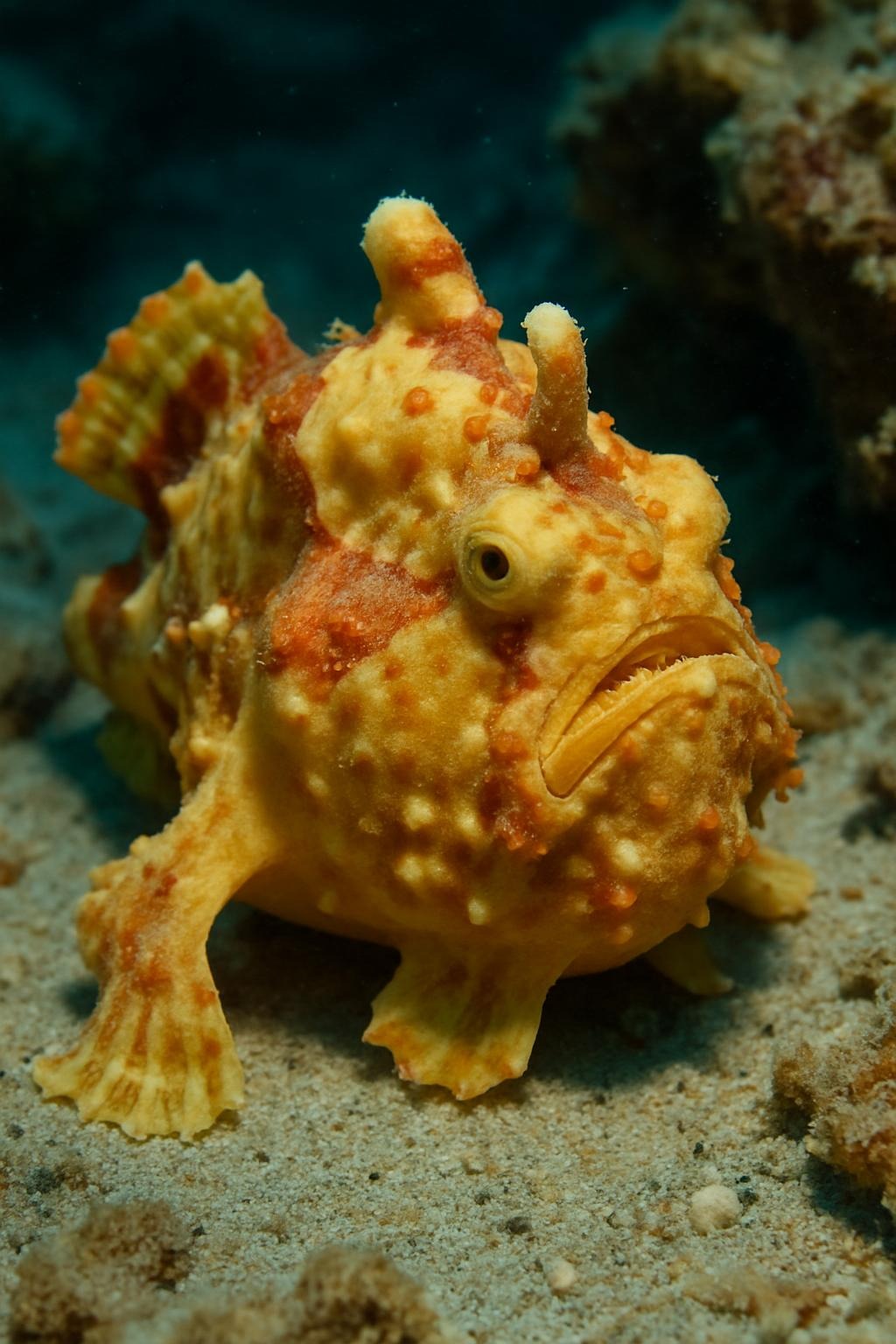
Frogfish are small, lumpy fish that waddle along ocean floors using their fins like legs. They come in incredible colors and textures that match their surroundings perfectly.
These fish have grumpy expressions and awkward movement that’s endearing. They’re ambush predators but their hunting style involves waiting motionlessly rather than chasing.
Why They’re Cute: Walking on fins, grumpy faces, incredible camouflage, lumpy appearance, and patient hunting style.
24. Harp Seals: The White Fluffy Babies
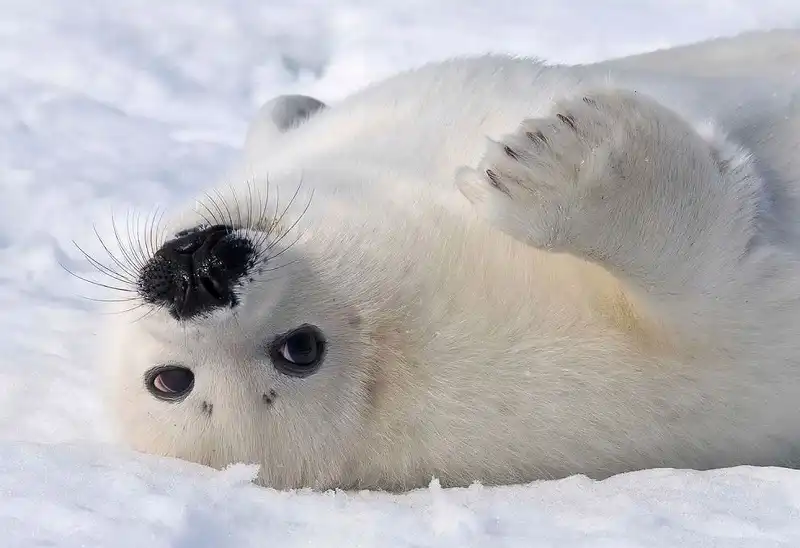
Harp seal pups are born with fluffy white coats that make them look like living stuffed animals. Their large dark eyes contrast beautifully with white fur.
This white coat provides camouflage on Arctic ice and insulation in cold waters. Pups molt to gray spotted coats as they mature, but babies are peak cuteness.
Why They’re Cute: Fluffy white fur, enormous eyes, helpless appearance as babies, and contrast against ice backgrounds.
Harp seals are herd animals and prefer to stay close to one another, but they choose their resting and feeding times independently of others. They spend most of their time in the water; they are excellent swimmers, covering hundreds of kilometers.
When hunting for fish, they dive to depths of 200 meters and hold their breath for up to 20 minutes. They can reach speeds of up to 30 km/h. They migrate constantly, forming schools.
To move on land, they use their forelimbs, pushing off while lying on their bellies. Members of this species enjoy lounging in the sun, and in bad weather, they take refuge in the sea. To quickly dive underwater, these animals break through the ice with their heads on solid surfaces.
Females establish rookeries for the period of parturition and nursing. Males join them toward the end of the period, but they remain separate; they will move when it’s time to mate.
From late March to early summer, their fur and skin shed. The process is painful, so the seals spend these months simply lying around and eating almost nothing. When the shedding stops, the coots return to their normal routine.
The harp seal inhabits the waters of the White and Barents Seas, and the western Kara Sea. Its northern range extends from Spitsbergen Island to Severnaya Zemlya. To the west, the species cannot be found beyond an imaginary line running through the Norwegian Sea, the coasts of Iceland and Greenland, the Gulf of St. Lawrence, and Newfoundland.
Harp seals differ in some characteristics depending on where they live, so after studying them, scientists identified two subspecies: western and eastern.
25. Blobfish (In Natural Habitat): Misunderstood Cuties
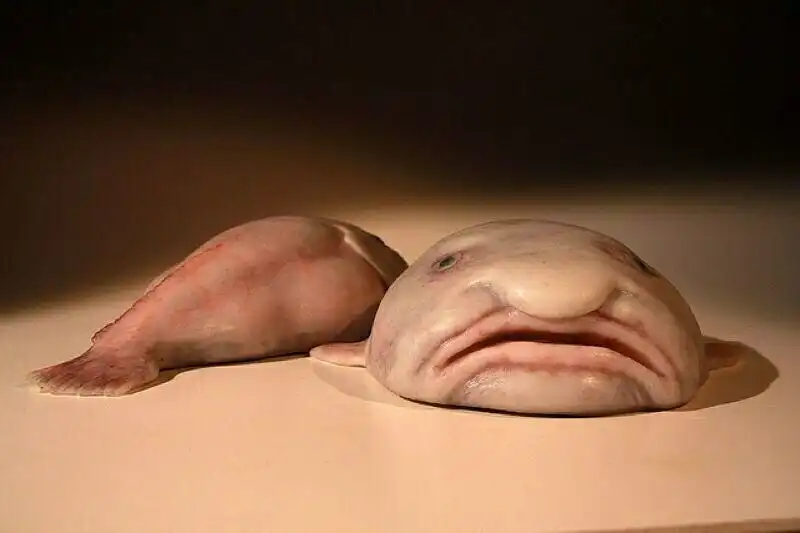
Blobfish are famously “ugly” when brought to surface, but in their natural deep-sea habitat with proper pressure, they look relatively normal—like grumpy, gelatinous fish.
Their reputation as “world’s ugliest animal” is unfair because we only see them decompressed. In proper conditions, they’re just unusual-looking bottom dwellers.
Why They’re Cute: Misunderstood nature, grumpy expression, and the fact that they look much better in their natural environment than viral photos suggest.
There are creatures we only see in photographs, but they leave a stronger imprint on our memories than ordinary zoo inhabitants. The blobfish is one of them. It looks like a sad face floating in the silence of the depths. When you first see it, it seems like a joke or a jelly toy.
But in reality, it is a very real creature that lives where there is almost no light. People rarely see it alive, because when it rises to the surface, its body changes due to pressure differences. This is why we are accustomed to its “blurry” appearance, although in the wild, it looks completely different.
We often view the blobfish as a meme or a curious specimen. But behind this lies a fascinating story about survival in the harshest ocean conditions. It lives at depth, where the pressure is a hundred times greater than at the surface. It’s dark, cold, and dangerous. Its body has adapted to these conditions so much that it barely holds its shape outside the water.
And although it’s been called the ugliest fish, it poses no threat, doesn’t hunt people, and doesn’t bite. It’s a calm, slow-moving fish that simply swims along the bottom, waiting for food to come its way. Today, we’ll tell you about it honestly: without exaggeration, but with respect.
The blobfish, or Psychrolutes marcidus, is a deep-sea fish found off the coasts of Australia and Tasmania. Its name comes from its appearance: its body appears gelatinous, like a melted drop of wax. We’re used to seeing it as “soft and flattened,” but that’s only how it appears after rising to the surface.
In the wild, underwater, the blobfish looks more like a regular fish, with small eyes and fins. It lacks muscles in the traditional sense because its habitat requires little movement. Its primary function is to conserve energy and avoid drowning in the ocean’s darkness. Therefore, its body is very light and composed almost entirely of gelatinous tissue.
The first descriptions of the blobfish appeared over a hundred years ago, but it only became popular in the 21st century. The reason is simple: it was photographed on land after being caught, when its body had lost its natural shape.
This is how the image of the “saddest fish in the world” arose. Its face resembled a person tired of life. Jokes, memes, and caricatures then appeared. However, behind this amusing image lies a creature that daily withstands pressures of hundreds of atmospheres. It’s not its fault that it looks this way in the air. Its appearance is a result of survival. And, as Jacques-Yves Cousteau said:
The blobfish most often shocks people with its appearance on land. Its body appears to be melting, its eyes bulging, and its mouth downturned. But this isn’t its true appearance. In the deep ocean where it lives, the pressure is a hundred times greater than what we experience on the surface.
This pressure compresses its body, making it appear denser and more “fishy.” When the fish is brought to the surface, the pressure instantly decreases, and its body “swells” like jelly. This isn’t a deformation, but a matter of physics—the water stops compressing the tissues, causing them to expand. Because of this, it has become a symbol of strange creatures, although in its natural environment it looks much more natural.
Underwater, its body maintains its shape, its eyes don’t bulge, and its mouth doesn’t appear so sad. Moreover, it has fins, a small tail, and can move, albeit slowly.
But most importantly, it doesn’t swim actively like other fish. It lives near the very bottom, hovering slightly above the ground, without wasting energy on sudden jerks. This is its lifestyle. It survives not by strength, but by calm. Therefore, when we look at photos of it on land, it’s worth remembering: this is not “the ugliest fish,” but a victim of a sudden change in pressure. And the problem here isn’t the fish itself, but the fact that we are seeing it outside the wild.
Complete Guide to Cute Ocean Animals
| Marine Creature | Ocean Region | Size | Cuteness Rating (1-10) | Intelligence Level | Diet | Lifespan | Primary Threat | Conservation Status |
|---|---|---|---|---|---|---|---|---|
| Sea Otter | North Pacific coast | 1-1.5m | 10/10 | Very High | Sea urchins, shellfish, fish | 10-20 years | Oil spills, pollution | Endangered |
| Clownfish | Tropical Indo-Pacific | 8-11cm | 9/10 | Moderate | Algae, zooplankton | 6-10 years | Climate change, collection | Least Concern |
| Seahorses | Coastal worldwide | 2-35cm (species vary) | 10/10 | Moderate | Small crustaceans | 1-5 years | Bycatch, traditional medicine | Varies (many Vulnerable) |
| Penguins | Southern hemisphere | 30cm-1.2m (species vary) | 10/10 | High | Fish, krill, squid | 15-20 years | Climate change, overfishing | Varies by species |
| Dolphins | Worldwide oceans | 2-4m | 10/10 | Very High | Fish, squid | 20-45 years | Fishing nets, pollution | Varies by species |
| Sea Turtles | Tropical/subtropical | 60cm-2m | 9/10 | Moderate | Jellyfish, seagrass, algae | 50-100 years | Plastic pollution, nesting site loss | Endangered/Vulnerable |
| Pufferfish | Tropical/subtropical | 2.5cm-60cm | 8/10 | Moderate-High | Algae, invertebrates | 5-10 years | Reef destruction | Varies by species |
| Manatees | Coastal Americas, Africa | 3-4m | 9/10 | Moderate-High | Seagrass, algae | 40-60 years | Boat strikes, cold stress | Vulnerable |
| Nudibranchs | Worldwide | 0.5-30cm | 8/10 | Low | Sponges, algae | 1 year | Pollution, climate change | Not assessed |
| Beluga Whales | Arctic/subarctic | 4-6m | 9/10 | Very High | Fish, squid, crustaceans | 35-50 years | Pollution, noise | Near Threatened |
| Small Octopuses | Worldwide | 15cm-1m | 9/10 | Very High | Crabs, shrimp, fish | 1-2 years | Overfishing | Varies by species |
| Harbor Seals | Northern hemisphere | 1.5-2m | 9/10 | High | Fish, squid | 25-35 years | Pollution, entanglement | Least Concern |
| Starfish | Worldwide | 12cm-1m | 7/10 | Low | Mollusks, algae | 5-35 years | Ocean acidification | Varies by species |
| Juvenile Anglerfish | Deep ocean worldwide | 1-5cm (larvae) | 7/10 | Low | Tiny zooplankton | Weeks as juvenile | Natural predation | Not assessed |
| Marine Salamanders | Coastal worldwide | 10-30cm | 8/10 | Low-Moderate | Small invertebrates | 5-15 years | Habitat loss | Varies by species |
| Flying Fish | Tropical/subtropical | 15-50cm | 7/10 | Low-Moderate | Plankton | 2-5 years | Overfishing | Least Concern |
| Small Jellyfish | Worldwide | 2cm-40cm | 8/10 | Very Low | Plankton, small fish | Few months-2 years | Pollution | Varies |
| Cuttlefish | Tropical/temperate | 15-50cm | 8/10 | Very High | Fish, crustaceans | 1-2 years | Overfishing | Varies by species |
| Sea Lions | Worldwide (excluding Atlantic) | 2-3.5m | 9/10 | Very High | Fish, squid | 20-30 years | Overfishing, entanglement | Varies by species |
| Boxfish | Tropical reef waters | 10-45cm | 8/10 | Low-Moderate | Algae, invertebrates | 5-10 years | Reef destruction | Least Concern |
| Leafy Sea Dragon | Southern Australian coast | 20-24cm | 9/10 | Low-Moderate | Plankton, small crustaceans | 5-10 years | Collection, habitat loss | Near Threatened |
| Baby Whale Sharks | Tropical worldwide | 55cm at birth | 8/10 | Moderate | Plankton, small fish | 70-100 years | Ship strikes, fishing | Endangered |
| Frogfish | Tropical/subtropical | 2.5-38cm | 7/10 | Low-Moderate | Fish, crustaceans | 5-10 years | Habitat destruction | Varies by species |
| Harp Seal Pups | Arctic Atlantic | 80-95cm at birth | 10/10 | Moderate | Fish, crustaceans | 30 years | Climate change, hunting | Least Concern |
| Blobfish | Deep waters (Australia/NZ) | 30cm | 6/10 (in habitat) | Low | Crustaceans, mollusks | Unknown | Deep sea trawling | Not assessed |
Comparing Cute Ocean Animals by Habitat
| Habitat Zone | Animals Found There | Adaptations for Cuteness | Viewing Accessibility | Conservation Challenges | Best Time to See | Interaction Safety |
|---|---|---|---|---|---|---|
| Shallow Coral Reefs | Clownfish, Boxfish, Seahorses, Nudibranchs, Starfish | Bright colors, small size, unique shapes | High – snorkeling/diving | Coral bleaching, pollution | Year-round (best in calm seas) | Generally safe, don’t touch |
| Kelp Forests | Sea Otters, Sea Lions, Leafy Sea Dragons | Dense fur, playfulness, elaborate features | Moderate – diving required | Climate change, pollution | Year-round | Observe from distance |
| Open Ocean | Dolphins, Flying Fish, Sea Turtles, Whale Sharks | Streamlined bodies, intelligence, grace | Moderate – boat tours | Plastic pollution, overfishing | Migration seasons | Safe at distance, no touching |
| Coastal Waters | Harbor Seals, Manatees, Harp Seals, Penguins | Blubber, whiskers, waddling | High – shore viewing possible | Boat strikes, habitat loss | Breeding/molting seasons | Observe from legal distances |
| Polar Regions | Penguins, Beluga Whales, Harp Seal Pups | Insulation, social behavior, white coloring | Low – requires travel | Climate change, ice loss | Summer months (best access) | Cold weather gear required |
| Deep Sea | Blobfish, Juvenile Anglerfish, Deep Octopuses | Unusual shapes, bioluminescence | Very Low – requires submarines | Deep sea trawling, unknown threats | Year-round (rarely accessible) | Not applicable (too deep) |
| Rocky Shores | Frogfish, Small Octopuses, Starfish | Camouflage, texture, tide pool residence | High – tide pool viewing | Habitat destruction, collection | Low tide | Safe viewing, no handling |
Why Protecting Cute Ocean Animals Matters
Ecosystem Importance
Cute ocean animals aren’t just aesthetic additions—they’re crucial ecosystem components. Sea otters control sea urchin populations, maintaining kelp forest health that supports thousands of species.
Sea turtles transport nutrients between ocean zones and help maintain seagrass beds. Their feeding behaviors shape marine plant communities across vast areas.
Even small animals like nudibranchs control sponge populations on reefs. Every species, regardless of size or cuteness, plays roles in maintaining ocean health.
Climate Change Indicators
Many adorable marine animals serve as climate change indicators. Coral-dependent species like clownfish reveal reef health, while polar species like penguins and seals show ice loss impacts.
Manatees congregate in warm water refuges during cold snaps—when these refuges disappear due to development or climate shifts, populations suffer.
Monitoring cute ocean animals provides early warning systems for broader ecosystem changes. Their struggles often predict challenges facing less-visible species.
Economic Value
Cute ocean animals drive significant ecotourism revenue. Dolphin watching, penguin tours, and diving to see sea turtles support coastal communities worldwide.
This economic value provides incentives for conservation. Communities that benefit from wildlife tourism become stakeholders in protection efforts.
The presence of charismatic cute animals often funds research and conservation for entire marine ecosystems, benefiting all species living there.
Threats Facing Cute Marine Creatures
Plastic Pollution
Ocean plastics harm cute animals directly and indirectly. Sea turtles mistake plastic bags for jellyfish and starve with stomachs full of indigestible waste.
Microplastics enter food chains, accumulating in fish that dolphins, seals, and sea lions eat. These toxins cause reproductive problems and immune system damage.
Ghost fishing gear (abandoned nets and lines) entangles seals, sea lions, turtles, and whales. Thousands of animals die annually from this preventable threat.
Climate Change
Rising ocean temperatures cause coral bleaching, destroying habitats for clownfish, seahorses, and countless other reef species. Warming waters force animals to shift ranges, often into less suitable habitat.
Ocean acidification weakens shells and skeletons of marine life, particularly threatening species like starfish and shellfish that cute animals eat.
Melting sea ice threatens polar species like penguins, belugas, and harp seals. These animals depend on ice for breeding, resting, and hunting.
Overfishing and Bycatch
Industrial fishing depletes food sources for cute ocean animals. When humans overfish, dolphins, seals, and seabirds struggle to find enough to eat.
Bycatch kills thousands of dolphins, turtles, and seals annually. These animals get caught in nets intended for fish and drown or suffer injuries.
Seahorse populations face decimation from both targeted fishing (for traditional medicine and aquarium trade) and incidental capture in shrimp trawls.
Habitat Destruction
Coastal development destroys manatee habitats and sea turtle nesting beaches. Construction increases boat traffic, raising collision risks for slow-moving marine mammals.
Bottom trawling devastates deep sea habitats where blobfish and other unique species live. This fishing method is essentially underwater clear-cutting.
Coral reef destruction from warming waters, pollution, and physical damage eliminates homes for numerous cute ocean animals depending on reef ecosystems.
How to Help Cute Ocean Animals
Reduce Plastic Use
Single-use plastics are primary ocean pollutants. Carry reusable bags, bottles, and containers. Refuse plastic straws, utensils, and unnecessary packaging.
Participate in beach cleanups to remove existing pollution. Every piece of plastic removed from beaches is one less piece potentially harming marine life.
Support legislation banning or reducing single-use plastics. Policy changes create systemic solutions beyond individual actions.
Make Sustainable Seafood Choices
Choose seafood certified by sustainable fishing organizations like Marine Stewardship Council (MSC). These certifications indicate fishing methods that minimize bycatch and habitat damage.
Avoid species known to be overfished or caught using destructive methods. Seafood watch guides (available as apps) help consumers make informed choices.
Reducing overall seafood consumption decreases pressure on ocean ecosystems. Consider plant-based alternatives or sustainably farmed options.
Support Marine Conservation
Donate to organizations protecting marine habitats and cute ocean animals. Groups like Ocean Conservancy, Sea Shepherd, and local marine sanctuaries fund critical conservation work.
Symbolic animal adoptions through these organizations support research and protection efforts while providing educational materials about specific species.
Volunteer with beach monitoring programs, citizen science projects, or marine mammal rescue organizations. Direct involvement creates personal investment in ocean health.
Responsible Wildlife Tourism
Choose ethical wildlife tour operators that prioritize animal welfare. Responsible operators maintain safe distances, limit group sizes, and employ naturalist guides.
Never touch, chase, or harass marine wildlife for photos. Cute ocean animals are wild animals deserving respect and space.
Report violations of wildlife protection laws. Your observations help enforcement agencies protect vulnerable species from harassment or illegal collection.
Climate Action
Reduce personal carbon footprint through energy efficiency, renewable energy, and reduced consumption. Climate change is the biggest long-term threat to ocean ecosystems.
Support political candidates and policies addressing climate change. Systemic change requires political will backed by voter demand.
Educate others about connections between climate change and ocean health. Many people don’t realize how warming temperatures affect marine life.
Experiencing Cute Ocean Animals Ethically
Best Viewing Locations
Monterey Bay, California offers incredible sea otter viewing from shore. The Monterey Bay Aquarium also showcases numerous cute marine species with excellent educational programming.
The Great Barrier Reef (Australia) provides opportunities to see clownfish, sea turtles, nudibranchs, and more in natural habitats through ethical diving operations.
Galápagos Islands host unique marine life including sea lions, penguins, and marine iguanas. Strict regulations protect animals while allowing carefully managed tourism.
Antarctica cruises offer penguin, seal, and whale encounters in pristine environments. Choose operators following International Association of Antarctica Tour Operators (IAATO) guidelines.
Aquarium Experiences
Accredited aquariums serve as ambassadors for ocean conservation while providing close encounters with cute ocean animals. Choose facilities with Association of Zoos and Aquariums (AZA) accreditation.
Many aquariums offer behind-the-scenes tours, feeding experiences, and educational programs teaching about marine conservation. These experiences fund research and rescue operations.
Virtual aquarium tours and live webcams allow armchair ocean exploration. These options provide access without travel-related carbon emissions.
Snorkeling and Diving
Snorkeling requires minimal training and equipment, making it accessible for viewing shallow-water cute ocean animals like colorful fish, sea turtles, and starfish.
Scuba diving opens deeper waters where you might encounter octopuses, cuttlefish, seahorses, and larger animals. Certification courses teach skills while emphasizing environmental responsibility.
Always follow marine park regulations, never touch wildlife or coral, and maintain buoyancy control to avoid damaging fragile ecosystems.
Photography Ethics
Capture cute ocean animal memories without disturbing subjects. Use zoom lenses, natural light, and patience rather than flash, bait, or harassment.
Share photos with educational captions explaining species, behaviors, and conservation needs. Quality wildlife photography raises awareness and inspires protection efforts.
Report and avoid content showing animal harassment. Social media engagement with unethical content drives demand for more harmful interactions.
Teaching Children About Ocean Animals
Age-Appropriate Education
Young children connect with cute ocean animals through stories, toys, and simple facts. Books featuring real animals teach biology basics while satisfying natural curiosity.
Elementary students can understand ecosystems, food chains, and basic conservation concepts. Field trips to aquariums or beaches provide hands-on learning experiences.
Teens can engage with complex topics like climate change, overfishing, and conservation policy. Service learning projects allow them to contribute meaningfully to ocean protection.
Hands-On Activities
Tide pool exploration teaches children about intertidal ecosystems while allowing observation of starfish, crabs, and small fish. Teach “look but don’t touch” principles.
Beach cleanup competitions make conservation fun while teaching about pollution impacts. Children often become passionate advocates after seeing trash quantities firsthand.
Citizen science projects like jellyfish tracking or turtle nest monitoring involve children in real research while building ocean connections.
Media and Resources
Quality documentaries like “Blue Planet” showcase cute ocean animals while explaining ecological relationships. Watch together and discuss what children observe.
Interactive apps and games teach ocean facts through engagement. Many aquariums offer apps enhancing visits with digital scavenger hunts and animal information.
Children’s books about specific animals—”The Pout-Pout Fish,” “Commotion in the Ocean”—make learning enjoyable while building reading skills.
The Future of Ocean Cuteness
Conservation Success Stories
Some cute ocean animals are rebounding thanks to conservation efforts. Sea otter populations have recovered significantly since hunting bans, though they remain vulnerable.
Humpback whales, while not covered in detail here, show how protection can restore populations. Similar efforts are underway for many cute marine species.
Marine protected areas create safe havens where cute ocean animals can thrive without fishing pressure, pollution, or excessive human disturbance.
Emerging Threats
New challenges constantly emerge. Noise pollution from shipping and sonar disrupts dolphin and whale communication. Warming waters push species into unfamiliar ranges.
Deep sea mining threatens ecosystems we barely understand, potentially harming species like blobfish and other deep dwellers before we’ve studied them.
Microplastics are increasingly found in marine animals at all ocean levels. Long-term impacts are still being understood but appear concerning.
Hope for Tomorrow
Growing awareness of ocean health drives positive change. Younger generations understand connections between human activities and marine ecosystem health.
Technology enables better monitoring and protection. Satellites track illegal fishing, drones monitor whale populations, and AI helps identify individual animals for study.
The charismatic appeal of cute ocean animals draws people into broader conservation efforts. Loving otters or penguins often leads to caring about entire ocean ecosystems.
Conclusion: Protecting Ocean Adorableness
The ocean’s 25 cutest animals represent just a fraction of marine diversity, but their appeal creates unique opportunities for conservation. When people care about cute animals, they’re more likely to support ocean protection.
Every adorable sea otter, playful dolphin, an
You May Also Like