Cute Halloween Animals: Adorable Creatures of the Night
Halloween brings to mind spooky decorations and scary creatures, but many animals associated with this festive season are actually incredibly adorable. From misunderstood bats to charming black cats, these cute Halloween animals deserve appreciation beyond their spooky reputation.
Whether you’re looking for Halloween costume inspiration, educational content for kids, or simply want to see the softer side of nocturnal wildlife, this guide celebrates the creatures that make Halloween extra special.
Get ready to fall in love with the cute animals that go bump in the night!
Why Halloween Animals Are Actually Adorable
Halloween has long been associated with mysterious creatures of the night, but popular culture often overlooks how genuinely cute these animals are. Behind the scary folklore lies a world of fascinating, photogenic species.
Many Halloween animals have suffered from unfair superstitions throughout history. Bats were considered bad omens, black cats were linked to witchcraft, and owls were thought to predict death.
Modern science reveals the truth: these cute Halloween animals are beneficial, intelligent, and worthy of our admiration. Understanding them helps break down harmful myths while appreciating their natural beauty.
The Most Adorable Halloween Animals
Bats: Tiny Flying Puppies of the Night
Bats top the list of misunderstood cute Halloween animals. With over 1,400 species worldwide, many bats have faces remarkably similar to puppies or foxes when viewed up close.
Fruit bats have large, expressive eyes and fuzzy faces that look perpetually curious. Baby bats, called pups, cling to their mothers while wrapped in tiny wing membranes like miniature capes.
These nocturnal mammals are essential for ecosystems, pollinating plants and controlling insect populations. A single bat can consume thousands of mosquitoes in one night, making them beneficial neighbors rather than creatures to fear.
Black Cats: Halloween’s Feline Ambassadors
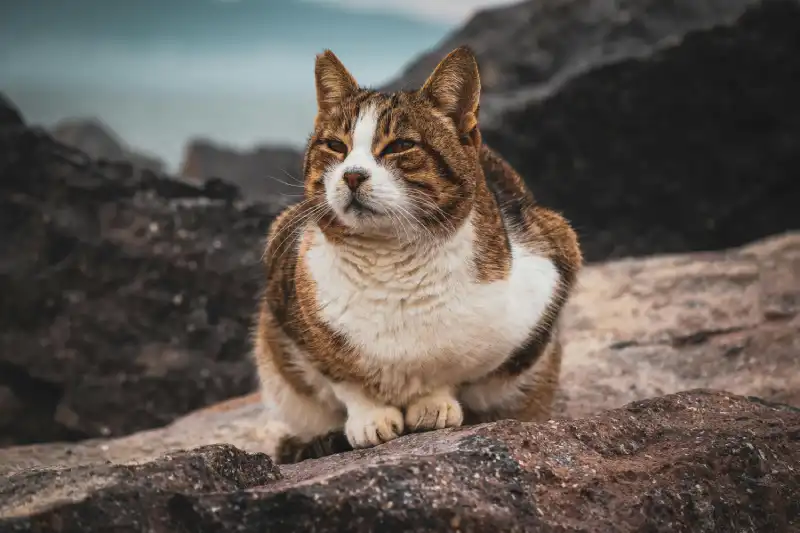
Black cats are iconic Halloween symbols, yet they’re among the most elegant and affectionate cute animals you’ll encounter. Their sleek midnight coats and bright eyes create striking appearances.
Studies show black cats are just as friendly and playful as cats of any other color. Their association with Halloween stems from medieval superstitions, not actual behavior.
October is often “Black Cat Awareness Month” in animal shelters, highlighting these beautiful felines who sometimes face adoption challenges due to old prejudices. Their Halloween popularity helps showcase their true charm.
Owls: Wide-Eyed Nocturnal Beauties
Owls embody Halloween’s mysterious atmosphere while being undeniably cute. Their large, forward-facing eyes and round faces trigger our instinctive response to baby-like features.
Species like the Northern saw-whet owl are barely larger than a soda can, with fluffy plumage that makes them look like animated stuffed animals. Barn owls have heart-shaped faces that appear almost cartoon-like.
Baby owls, or owlets, are bundles of fluffy down feathers. Their awkward hopping and head-bobbing behaviors create endlessly entertaining moments that frequently go viral online.
Raccoons: Masked Mischief Makers
Raccoons wear natural “masks” that make them perfect cute Halloween animals. Their burglar-like facial markings and nimble paws give them a mischievous appearance that’s both festive and endearing.
These intelligent mammals are highly adaptable and curious. Videos of raccoons washing food, opening containers, and interacting with household items showcase their problem-solving abilities.
Baby raccoons have oversized paws and ears they haven’t quite grown into, creating that clumsy-cute factor that melts hearts. Their chittering vocalizations sound almost like purring when content.
Spiders: Eight-Legged Adorable Wonders
While many people fear spiders, some species qualify as genuinely cute Halloween animals. Jumping spiders have large, forward-facing eyes that give them puppy-like expressions.
The peacock spider of Australia performs elaborate dances with colorful abdominal flaps, looking more like tiny performers than scary creatures. Their miniature size (often smaller than a pencil eraser) adds to their charm.
Lucas the Spider, an animated character based on real jumping spiders, has helped millions of people see these arachnids in a new light. Real jumping spiders display similar curious, almost playful behaviors.
Ravens and Crows: Intelligent Gothic Birds
Ravens and crows are Halloween staples with their glossy black feathers and association with mystery. These birds are among the most intelligent animals on Earth, capable of solving complex puzzles.
Their playful nature often surprises people. Crows have been observed sliding down snowy roofs repeatedly for apparent enjoyment and playing with objects out of pure curiosity.
Baby crows are fluffy gray bundles that make adorable begging sounds. Adult crows form strong family bonds and even hold “funerals” for deceased flock members, showing emotional depth.
Skunks: Misunderstood Striped Sweethearts
Skunks get a bad reputation due to their defensive spray, but these cute Halloween animals are actually docile and beneficial for gardens. Their distinctive black and white coloring fits Halloween’s color scheme perfectly.
When not threatened, skunks are gentle creatures that waddle adorably while foraging. They eat grubs, beetles, and other garden pests, making them helpful to have around.
Baby skunks, called kits, are born with closed eyes and rely completely on their mothers. Their miniature size and fluffy tails make them irresistibly cute during their first weeks.
Sugar Gliders: Tiny Halloween Acrobats
Sugar gliders are small marsupials with large eyes and gliding membranes that spread like capes when they leap. Their nocturnal nature and “flying” ability make them perfect cute Halloween animals.
These social creatures form strong bonds with their colony members and communicate through various chirps and barks. Their tiny paws can grasp small objects with remarkable dexterity.
In flight, sugar gliders look like tiny superheros with their outstretched membranes. They can glide up to 150 feet between trees, navigating nighttime forests with precision.
Complete Guide to Cute Halloween Animals
| Animal Species | Halloween Connection | Adorable Features | Nocturnal? | Beneficial to Humans? | Fun Fact |
|---|---|---|---|---|---|
| Bats | Gothic imagery, vampire legends | Puppy-like faces, fuzzy bodies, tiny size | Yes | Pollination, insect control | Can eat 1,000+ mosquitoes per hour |
| Black Cats | Witch familiars, superstition | Sleek coats, bright eyes, playful nature | No (crepuscular) | Companionship, rodent control | Considered good luck in many cultures |
| Owls | Wisdom symbols, night hunters | Large eyes, fluffy feathers, head rotation | Yes | Rodent population control | Can rotate heads 270 degrees |
| Raccoons | Masked bandits, trickster figures | Hand-like paws, facial masks, fluffy tails | Yes | Pest insect consumption | Can remember solutions for 3+ years |
| Jumping Spiders | Web decorations, scary reputation | Large forward eyes, fuzzy bodies, tiny size | No (diurnal) | Insect pest control | Have better vision than most mammals |
| Ravens/Crows | Omens, Edgar Allan Poe imagery | Glossy feathers, intelligent eyes | No (diurnal) | Carrion cleanup, seed dispersal | Can recognize individual human faces |
| Skunks | Black and white coloring, night wanderers | Bushy tails, waddling walk, small faces | Yes | Garden pest elimination | Can aim spray with accuracy up to 10 feet |
| Sugar Gliders | Flying creatures, big eyes | Huge eyes, gliding membranes, tiny size | Yes | Entertainment, education | Have opposable thumbs on back feet |
Halloween Animals: Myth vs Reality Comparison
| Animal | Halloween Myth | Adorable Reality | Misunderstood Behavior | Conservation Status | Where to See Them |
|---|---|---|---|---|---|
| Bats | Blood-sucking vampires | Fruit-eating, nectar-sipping pollinators | Erratic flight is hunting, not attacking | Many species endangered | Bat houses, caves, dusk viewing |
| Black Cats | Bad luck, witch companions | Affectionate pets, no different from other colors | Independence mistaken for aloofness | Domestic (overpopulated) | Animal shelters, homes |
| Owls | Death omens, scary predators | Fluffy, curious, beneficial hunters | Scary calls are communication | Varies by species | Wildlife sanctuaries, nature preserves |
| Raccoons | Rabies carriers, dangerous pests | Intelligent, clean (wash food), family-oriented | Nighttime activity mistaken for aggression | Least Concern | Urban/suburban backyards (observe from distance) |
| Spiders | Deadly biters, aggressive | Shy, rarely bite humans, fascinating hunters | Presence in homes is pest control | Most species stable | Gardens, homes, nature centers |
| Ravens/Crows | Harbingers of doom | Playful, problem-solvers, loyal | Gathering behaviors are social, not ominous | Least Concern | Parks, urban areas, countryside |
| Skunks | Aggressive sprayers | Gentle, spray only when threatened | Stomping/hissing are warnings, not attacks | Least Concern | Suburban areas at dusk/dawn |
| Sugar Gliders | Exotic pests | Social, bonding marsupials | Nocturnal activity and barking are natural | Least Concern | Licensed breeders, some zoos |
Creating Halloween Celebrations Around Cute Animals
Halloween Decorations Featuring Adorable Animals
Skip the scary stereotypes and embrace cute Halloween animals in your decor. Use realistic illustrations or photos of bats with their puppy-like faces rather than cartoon vampires.
Display black cat decorations that showcase their elegance and beauty. Choose owl decorations with big eyes and fluffy appearances that highlight their natural charm.
Create a “nocturnal animal” theme that educates visitors about the reality of these misunderstood creatures while maintaining festive fun.
Educational Halloween Activities for Kids
Halloween provides perfect opportunities to teach children about cute Halloween animals. Organize bat house building workshops that combine crafts with conservation education.
Create scavenger hunts featuring facts about nocturnal animals. Each clue can reveal a surprising truth about bats, owls, or other Halloween creatures.
Host “meet and greet” sessions with rescue animals like rehabilitated owls or educational ambassadors from wildlife centers. Hands-on learning transforms fear into fascination.
Halloween Pet Costumes Inspired by Nocturnal Creatures
Dress your pets as cute Halloween animals for festive photos. Bat wing harnesses for cats create adorable flying mammal looks without restricting movement.
Small dogs can wear owl costumes complete with feathered hoods and big eye designs. Ensure all costumes are comfortable and don’t impede vision or breathing.
Skip costumes entirely and use themed photo backdrops with Halloween animals for stress-free pet photography that still captures the spirit.
Photography Tips for Halloween Animals
Capturing Nocturnal Cute Animals
Photographing cute Halloween animals requires special techniques due to their nighttime activity. Use fast lenses (f/2.8 or wider) to gather maximum light without disturbing subjects.
Infrared or red light illumination allows observation without disrupting natural behaviors. Many trail cameras now offer excellent night photography capabilities.
Practice patience and stillness. Nocturnal animals are often more active than daytime species once comfortable with your presence.
Ethical Wildlife Photography for Halloween
Never use flash photography on nocturnal animals as their eyes are extremely light-sensitive. Maintain respectful distances and never bait or lure wildlife for photos.
Research local regulations about wildlife interaction. Some areas prohibit approaching certain species even for photography.
Consider visiting wildlife rehabilitation centers or sanctuaries where you can photograph cute Halloween animals while supporting conservation efforts.
Indoor Pet Photography with Halloween Themes
Create safe Halloween photoshoots with your pets as cute Halloween animals. Use natural window light supplemented with soft artificial lighting.
Keep sessions short to prevent stress. Reward cooperative pets with treats and praise throughout the experience.
Use editing apps to add festive elements like digital backgrounds, small props, or themed overlays that don’t require uncomfortable costumes.
Conservation of Halloween Animal Species
Threats Facing Nocturnal Wildlife
Many cute Halloween animals face serious conservation challenges. Bat populations worldwide are declining due to white-nose syndrome, habitat loss, and wind turbines.
Light pollution disrupts nocturnal animal behaviors, affecting feeding, mating, and migration patterns. Urbanization destroys natural habitats that many species depend on.
Climate change shifts ecosystems faster than some animals can adapt. Species with specialized diets or habitat requirements are particularly vulnerable.
How to Help Halloween Animals
Install bat houses to provide roosting sites where natural caves and trees have been lost. A single bat house can support colonies that consume millions of insects annually.
Reduce outdoor lighting or use motion-activated lights to minimize light pollution. Red or amber lights are less disruptive to wildlife than white or blue lights.
Support organizations dedicated to nocturnal animal conservation. Groups like Bat Conservation International and local wildlife rehabilitation centers rely on donations and volunteers.
Creating Wildlife-Friendly Halloween Celebrations
Choose decorations made from sustainable, recyclable materials rather than single-use plastics. Avoid decorations with lights that could disorient migrating birds or bats.
Keep cats indoors during Halloween when increased nighttime activity might put them at risk. This also protects local wildlife from predation.
Educate trick-or-treaters about the cute Halloween animals they might encounter. Share fun facts that build appreciation rather than fear.
Halloween Animal Encounters: Safety and Ethics
When You Meet Nocturnal Wildlife
If you encounter cute Halloween animals in the wild, observe from a distance. Never attempt to touch or feed wild animals, no matter how adorable they appear.
Raccoons, skunks, and bats can carry rabies, though infection rates are lower than commonly believed. Admire from afar and contact wildlife professionals if an animal appears sick or injured.
Teach children that wild animals deserve respect and space. Even the cutest creatures can bite or scratch when frightened.
Rescuing Injured Halloween Animals
If you find an injured bat, owl, or other Halloween animal, don’t handle it directly. Contact local wildlife rehabilitation centers for guidance.
Some situations that appear dire, like baby birds on the ground, may be normal fledgling behavior. Research or call experts before intervening.
Keep pets and children away from injured wildlife while waiting for professional help. Stress can worsen injuries or prevent successful rehabilitation.
Supporting Wildlife Rehabilitation
Wildlife rehabilitation centers care for injured cute Halloween animals year-round. Consider donating supplies like towels, newspaper, or financial contributions.
Many centers offer volunteer opportunities for animal lovers. Tasks range from food preparation to facility maintenance and educational programs.
Attend open houses or educational events to learn more about local wildlife. These experiences deepen appreciation for the animals that share our communities.
Halloween Animals in Popular Culture
How Media Shapes Perceptions
Movies and TV shows significantly influence how we view cute Halloween animals. Films like “Hotel Transylvania” portray bats as friendly characters, countering negative stereotypes.
Children’s books featuring adorable owls, black cats, and spiders help young readers develop positive associations. Educational programming combines entertainment with accurate information.
Social media has revolutionized wildlife appreciation. Viral videos of cute Halloween animals reach millions, changing public perception one adorable clip at a time.
Positive Representation Matters
Accurate, endearing portrayals of Halloween animals in media drive real-world conservation support. When people see bats as cute rather than scary, they’re more likely to protect them.
Halloween provides annual opportunities to reshape narratives around nocturnal wildlife. Seasonal content can reach audiences who might not typically engage with conservation messages.
Creators have responsibility to balance entertainment with education, ensuring cute Halloween animals are portrayed with both charm and ecological accuracy.
Seasonal Activities Celebrating Halloween Animals
October Wildlife Watching
Fall offers excellent opportunities to observe cute Halloween animals preparing for winter. Bats congregate before hibernation or migration, creating spectacular viewing opportunities.
Owls become more vocal during fall courtship periods. Evening walks in natural areas might reveal their calls and silhouettes against twilight skies.
Raccoons fatten up for winter, becoming more active in their food searches. Observe from windows as they visit backyard habitats at dusk.
Halloween-Themed Nature Walks
Many nature centers and parks host Halloween-themed nighttime walks focusing on nocturnal wildlife. These guided experiences provide safe, educational encounters with cute Halloween animals.
Programs often include bat detector demonstrations, owl calling sessions, and discussions about animal adaptations. Participants gain appreciation for creatures often only heard, not seen.
Check local park districts and nature organizations for October programming that highlights the adorable side of spooky season wildlife.
Virtual Halloween Animal Experiences
Can’t get outdoors? Numerous organizations offer live streams and virtual programs about cute Halloween animals. Zoos, aquariums, and wildlife centers provide behind-the-scenes access.
Educational YouTube channels feature high-quality footage of nocturnal animals in their natural habitats. These resources bring wildlife appreciation into any home.
Interactive online games and apps teach children about Halloween animals through fun, engaging formats that combine learning with entertainment.
The Science Behind Halloween Animal Adaptations
Why Nocturnal Animals Are So Cute
Many nocturnal cute Halloween animals have evolved large eyes to gather maximum light in darkness. These oversized eyes trigger our instinctive response to baby-like proportions.
Soft fur or feathers provide both insulation and silent movement. The tactile quality of these adaptations enhances their huggable appearance.
Compact body shapes conserve heat and energy during cool autumn nights. Rounded forms align perfectly with human perceptions of cuteness.
Remarkable Sensory Abilities
Halloween animals possess extraordinary senses that seem almost supernatural. Bats use echolocation, essentially seeing with sound, to navigate complete darkness.
Owls hear with such precision they can catch prey under snow without seeing it. Specialized feather structures silence their flight to near-total quietness.
Nocturnal animals often have reflective layers behind their retinas called tapetum lucidum. This creates the eye-shine visible in photos and adds to their mysterious appearance.
Communication and Social Behavior
Many cute Halloween animals are far more social than stereotypes suggest. Bats form tight-knit colonies with sophisticated communication systems.
Crows and ravens demonstrate remarkable intelligence, using tools, planning for future needs, and teaching younger generations. Their complex social structures rival primates.
Even solitary animals like owls engage in elaborate courtship behaviors, including duets and gift-giving, revealing unexpected emotional depth.
DIY Projects Celebrating Halloween Animals
Building Bat Houses
Constructing bat houses provides crucial habitat while offering family-friendly Halloween projects. Plans are widely available online through conservation organizations.
Mount houses 12-20 feet high in sunny locations for optimal use. One bat house can support dozens of individuals, each consuming thousands of insects nightly.
Paint houses dark colors to retain heat. Rough interior surfaces give bats secure grip surfaces for roosting.
Creating Wildlife-Friendly Gardens
Design gardens that support cute Halloween animals throughout the year. Native plants provide food sources for insects that bats and birds feed on.
Include water features for drinking and bathing. Shallow dishes with stones for perching accommodate small animals safely.
Leave fallen leaves and brush piles for overwintering insects and small mammals. These natural features enhance habitat value while requiring less maintenance.
Halloween Crafts Featuring Accurate Animals
Create Halloween decorations that celebrate the true appearance of cute Halloween animals. Use quality photos as references for realistic features.
Craft bat decorations with furry bodies and dog-like faces. Make owl ornaments with detailed feather patterns and expressive eyes.
Involve children in research about each animal while crafting. This transforms decoration-making into educational experiences that build lasting appreciation.
Conclusion: Embracing the Adorable Side of Halloween
Cute Halloween animals deserve celebration beyond scary stereotypes. These remarkable creatures contribute essential ecological services while being genuinely adorable.
This Halloween season, look past outdated superstitions to discover the true charm of nocturnal wildlife. Share accurate information that helps others appreciate bats, owls, black cats, and other misunderstood animals.
By celebrating cute Halloween animals honestly, we build support for their conservation while creating more meaningful, educational holiday experiences. The creatures that inspired Halloween’s spooky traditions are far more fascinating and lovable than folklore suggests.
Whether you’re decorating your home, choosing costumes, or simply enjoying autumn evenings, remember the adorable animals that make this season special. Their real-life adaptations are more impressive than any myth, and their cuteness needs no exaggeration.
This Halloween, be an advocate for the creatures of the night. Share their stories, protect their habitats, and help others see that the most magical part of Halloween might just be the real animals that inspired it all.
You May Also Like