Cute Forest Animals: Woodland Creatures That Steal Hearts
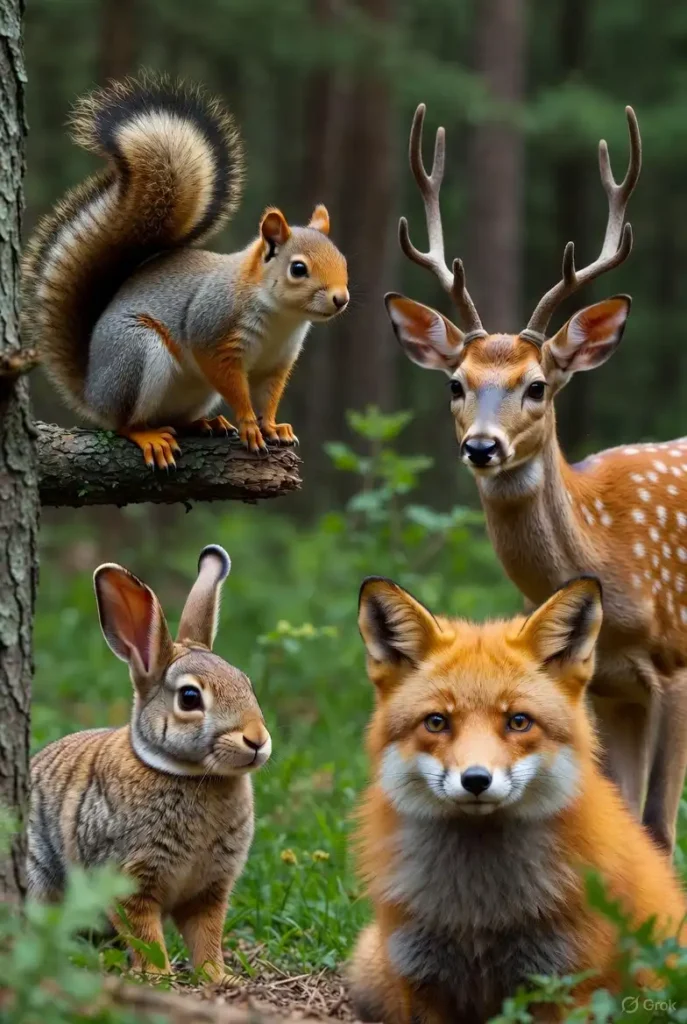
The forest is home to some of nature’s most adorable creatures. From tiny chipmunks stuffing their cheeks with acorns to fluffy baby foxes taking their first steps, woodland animals have a special way of capturing our hearts. These enchanting creatures play vital roles in forest ecosystems while melting hearts with their undeniable charm.
- Why We Find Forest Animals So Irresistible
- The Most Adorable Forest Dwellers
- Exploring Cute Forest Animals: Key Characteristics
- The Woodland Creatures That Steal Hearts: Behavioral Traits
- Baby Forest Animals: Maximum Cuteness
- Where to Find Cute Forest Animals
- Photography Tips for Capturing Forest Cuteness
- Conservation: Protecting Our Forest Friends
- Forest Animals in Popular Culture
- Creating Forest-Friendly Spaces
- The Therapeutic Value of Forest Animals
- Conclusion: Celebrating Woodland Wonders
Why We Find Forest Animals So Irresistible
There’s something magical about encountering wildlife in their natural habitat. Forest animals trigger our nurturing instincts with their big eyes, soft fur, and playful behaviors. These characteristics aren’t just cute—they’re evolutionary adaptations that help these creatures survive in the wild.
Research shows that we’re naturally drawn to animals with baby-like features: large eyes relative to head size, round faces, and small bodies. Forest dwellers like squirrels, rabbits, and deer fawns possess these traits in abundance, making them instant favorites among nature lovers.
The Most Adorable Forest Dwellers
Red Foxes: Nature’s Playful Tricksters
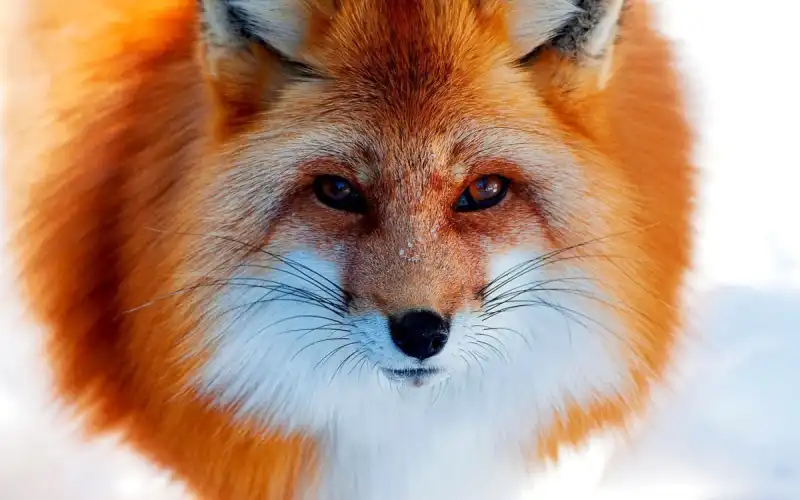
Red foxes are perhaps the most photogenic forest residents. With their russet coats, bushy tails, and intelligent expressions, these clever canines embody woodland charm. Fox kits are especially adorable, tumbling over each other as they practice hunting skills through play.
These adaptable creatures thrive in forests across the Northern Hemisphere. Despite their “sly” reputation in folklore, foxes are actually quite shy and prefer to avoid human contact.
Squirrels: Acrobatic Entertainers
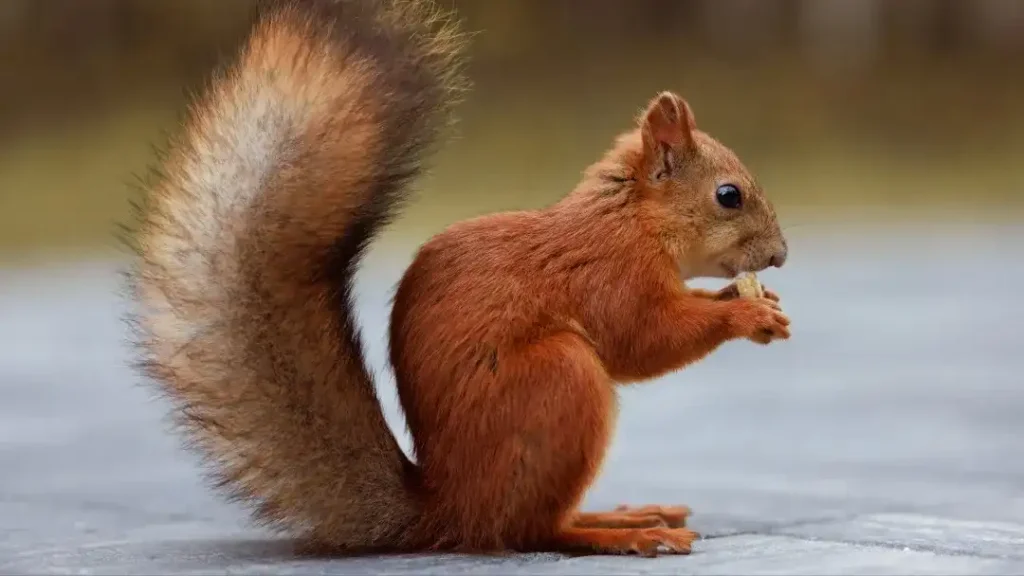
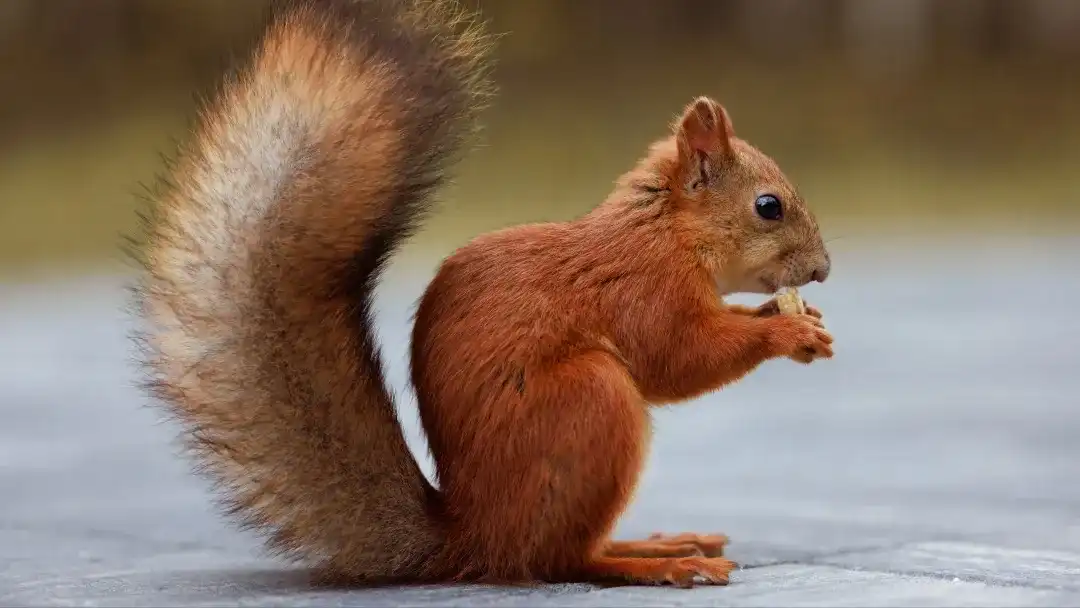
Gray squirrels, red squirrels, and flying squirrels bring endless entertainment to forest trails. Their bushy tails, which they use for balance and communication, make them instantly recognizable. Watching a squirrel leap from branch to branch or frantically bury nuts for winter is pure delight.
Flying squirrels deserve special mention for their adorable factor. These nocturnal gliders have enormous eyes adapted for nighttime vision and a furry membrane that allows them to soar between trees.
Chipmunks: Tiny Hoarders with Personality
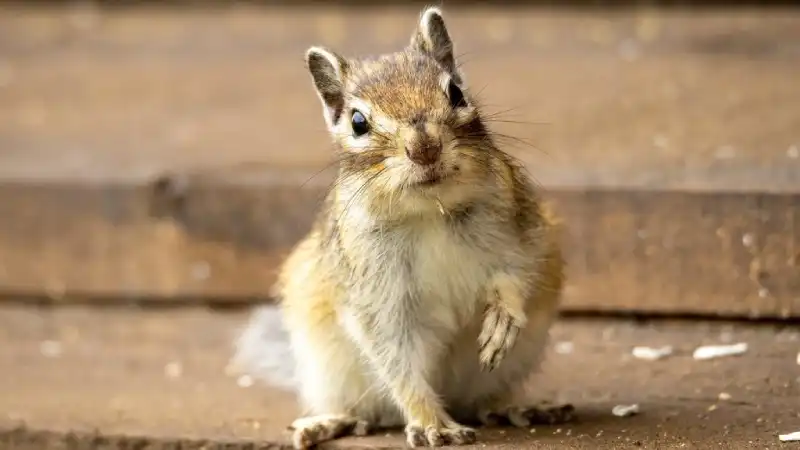
With their distinctive stripes and chubby cheeks, chipmunks rank high on the cuteness scale. These ground-dwelling cousins of squirrels can stuff an impressive amount of food into their expandable cheek pouches, creating a comically round appearance.
Chipmunks are solitary creatures that build elaborate underground burrow systems. Despite their small size, they’re feisty and vocal, producing a variety of chirps and trills.
Rabbits and Hares: Soft and Sweet
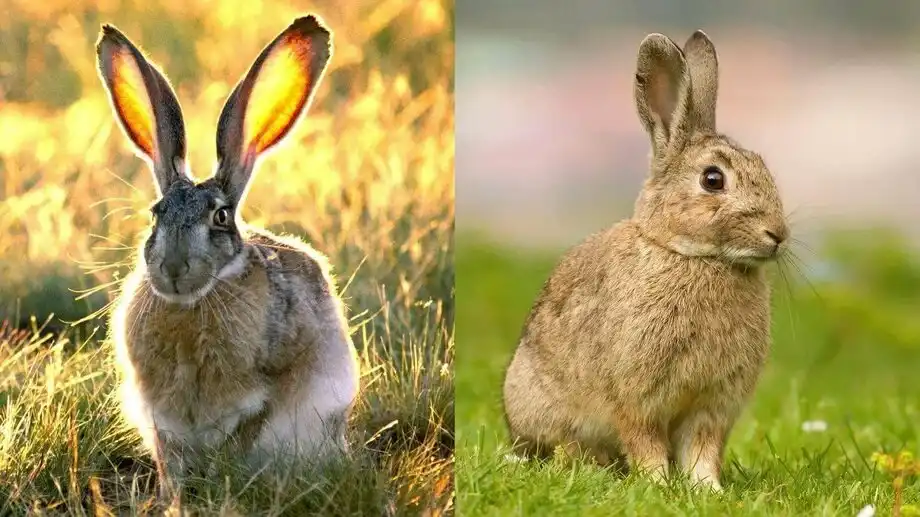
Cottontail rabbits and snowshoe hares are the epitome of softness. Their velvety fur, twitching noses, and powerful hind legs make them captivating to observe. Baby rabbits, called kittens, are born blind and hairless but quickly develop into fluffy bundles of joy.
These herbivores are most active during dawn and dusk, a behavior called being crepuscular. Their excellent hearing helps them detect predators in the dense forest underbrush.
Raccoons: Masked Bandits with Charm
Raccoons may be mischievous, but they’re undeniably cute with their distinctive facial masks and ringed tails. Their dexterous paws allow them to manipulate objects with surprising skill, often leading to amusing encounters at campsites.
Baby raccoons, called kits, are particularly endearing as they waddle behind their mothers, learning to climb and forage. Raccoons are highly intelligent and have excellent problem-solving abilities.
Deer: Graceful Forest Icons
White-tailed deer fawns are among the most universally beloved forest animals. Their spotted coats provide camouflage, while their large eyes and delicate features tug at heartstrings. Watching a fawn take its wobbly first steps is an unforgettable experience.
Adult deer maintain their graceful beauty, moving through forests with elegant ease. Their seasonal behaviors, including the dramatic autumn rut, make them fascinating subjects for wildlife enthusiasts.
Exploring Cute Forest Animals: Key Characteristics
| Animal | Size | Distinctive Features | Habitat Preference | Cuteness Factor |
|---|---|---|---|---|
| Red Fox | 18-33 inches | Bushy tail, pointed ears, russet coat | Mixed woodlands, forest edges | Playful kits, intelligent eyes, fluffy fur |
| Gray Squirrel | 9-12 inches | Bushy tail, agile climbers | Deciduous and mixed forests | Acrobatic antics, bushy-tailed charm |
| Chipmunk | 5-6 inches | Striped back, cheek pouches | Forest floors, rocky areas | Stuffed cheeks, tiny size, energetic behavior |
| Cottontail Rabbit | 15-19 inches | Cotton-ball tail, long ears | Forest edges, meadows | Soft fur, twitching nose, gentle nature |
| Raccoon | 16-28 inches | Facial mask, ringed tail, dexterous paws | Wooded areas near water | Masked face, clever antics, curious nature |
| White-tailed Deer | 3-7 feet | Spotted fawns, graceful build | Various forest types | Spotted babies, large gentle eyes, elegant movement |
| Flying Squirrel | 8-12 inches | Gliding membrane, huge eyes | Mature hardwood forests | Enormous eyes, gliding abilities, nocturnal mystery |
| Porcupine | 25-36 inches | Quills, slow-moving | Forested hillsides | Waddling gait, innocent face, surprisingly gentle |
The Woodland Creatures That Steal Hearts: Behavioral Traits
| Behavior | Animals | Why It’s Adorable | When to Observe | Conservation Value |
|---|---|---|---|---|
| Cheek Stuffing | Chipmunks, Ground Squirrels | Creates comically round faces | Late summer, early fall | Seed dispersal aids forest regeneration |
| Tree Climbing | Squirrels, Raccoons, Bear Cubs | Shows impressive agility and occasional clumsiness | Year-round, especially spring | Maintains healthy tree ecosystems |
| Grooming Sessions | Foxes, Raccoons, Deer | Demonstrates family bonds and care | Early morning, evening | Parasite control, social structure |
| Playful Wrestling | Fox Kits, Bear Cubs, Young Rabbits | Mimics adorable human play behavior | Spring and summer | Develops survival skills for adulthood |
| Food Washing | Raccoons | Shows surprising intelligence | Near water sources, night | Demonstrates cognitive abilities |
| Hopping/Bounding | Rabbits, Deer Fawns | Creates bouncy, joyful movement | Dawn and dusk | Energy-efficient locomotion |
| Nest Building | Squirrels, Birds, Chipmunks | Reveals industrious nature | Fall preparation period | Creates ecosystem microhabitats |
| Mutual Grooming | Deer, Foxes | Strengthens social connections | Throughout the day | Reinforces herd/family structure |
Baby Forest Animals: Maximum Cuteness
Baby animals, regardless of species, possess an extra dose of adorability. Forest youngsters are no exception, with their oversized features, clumsy movements, and exploratory nature.
Spring: The Season of Forest Babies
Spring brings a baby boom to woodland habitats. Fox kits emerge from dens, fawns take their first steps, and squirrel kittens venture onto branches. This timing ensures that abundant food resources support growing families.
Mother animals are especially protective during this period, teaching their young essential survival skills. Observing these family dynamics from a respectful distance offers heartwarming wildlife viewing opportunities.
Development and Independence
The journey from helpless infant to independent adult varies by species. Rabbits are born altricial (underdeveloped) and require weeks of maternal care, while deer fawns can walk within hours of birth, though they remain hidden for weeks.
Watching young animals develop their adult behaviors through play and practice is endlessly entertaining. Whether it’s fox kits pouncing on imaginary prey or young squirrels misjudging jumps, these learning moments are both cute and crucial.
Where to Find Cute Forest Animals
Best Habitats for Wildlife Watching
Deciduous and mixed forests offer the greatest diversity of cute woodland creatures. Forest edges where woodlands meet meadows are particularly productive, providing both cover and food sources.
Look for areas with water sources, as many animals need to drink regularly. Streams, ponds, and wetlands within forests attract a variety of species throughout the day.
Optimal Viewing Times
Dawn and dusk are prime times for forest animal activity. Many species are crepuscular, meaning they’re most active during these low-light periods. Early morning offers the best chance to observe deer, rabbits, and some bird species.
Nocturnal animals like flying squirrels and some fox species require patience and often special equipment like night-vision cameras or red-light flashlights that don’t disturb their natural behaviors.
Seasonal Considerations
Each season offers unique wildlife viewing opportunities. Spring brings babies, summer shows families foraging together, autumn features preparation behaviors like nut gathering, and winter reveals tracks in snow that tell stories of nighttime forest activities.
Photography Tips for Capturing Forest Cuteness
Equipment and Settings
A telephoto lens (200-400mm) allows you to photograph animals without disturbing them. Fast shutter speeds freeze action, while wider apertures create beautiful background blur that makes subjects pop.
Natural light works best for capturing true colors and textures of fur and features. Avoid using flash, which can startle animals and create unnatural-looking images.
Ethical Wildlife Photography
Never bait, chase, or stress animals for a photograph. The welfare of wildlife always comes before getting the shot. Maintain appropriate distances and use long lenses to avoid intrusion.
Respect posted regulations in parks and nature reserves. Some areas restrict access during sensitive breeding seasons to protect vulnerable populations.
Patience Pays Off
The best wildlife photography requires patience and persistence. Spend time observing animal behavior patterns to predict movements and position yourself accordingly. The most magical moments often come to those who wait quietly.
Conservation: Protecting Our Forest Friends
Threats to Forest Animals
Habitat loss remains the primary threat to cute forest creatures. Urban development, logging, and agriculture fragment forests, isolating populations and reducing available resources.
Climate change affects food availability, breeding cycles, and habitat suitability. Some species are adapting, while others struggle with rapidly changing conditions.
How You Can Help
Support conservation organizations working to protect forest habitats. Even small donations contribute to land preservation, research, and public education efforts.
Create wildlife-friendly spaces in your own yard if you live near forests. Native plantings, brush piles, and water sources support local populations.
Practice responsible wildlife viewing by maintaining distance, staying on trails, and never feeding wild animals. Human food can make animals sick and create dangerous dependencies.
Forest Animals in Popular Culture
From Folklore to Film
Forest creatures have enchanted human imagination for centuries. From Aesop’s fables featuring clever foxes to modern films like “Bambi” and “Over the Hedge,” woodland animals continue captivating audiences.
These cultural representations, while sometimes anthropomorphized, have helped people develop emotional connections with wildlife and support conservation efforts.
Social Media Stars
Today’s wildlife photographers and videographers share intimate glimpses of forest life through social media. Viral videos of baby foxes playing or squirrels performing acrobatic feats introduce millions to the charm of woodland creatures.
While entertainment value is high, these platforms also raise awareness about habitat conservation and the importance of protecting wild spaces.
Creating Forest-Friendly Spaces
Supporting Local Wildlife
If you live near wooded areas, consider how your property management affects local animals. Leaving dead trees (snags) standing provides crucial habitat for cavity-nesting species.
Reduce lawn areas in favor of native plant gardens that provide food and shelter. Berry-producing shrubs, nut trees, and flowering plants support diverse wildlife communities.
Backyard Coexistence
Learning to coexist with forest neighbors enriches our lives while supporting biodiversity. Secure garbage cans to prevent raccoon raids, use fencing to protect gardens from deer, and appreciate wildlife for their ecological roles rather than viewing them as pests.
The Therapeutic Value of Forest Animals
Nature’s Stress Relief
Observing wildlife has documented mental health benefits. Studies show that time spent watching animals in nature reduces stress, lowers blood pressure, and improves mood.
The simple act of watching squirrels play or deer graze can provide mindful moments that ground us in the present and connect us with the natural world.
Educational Opportunities
Forest animals provide endless learning opportunities for children and adults alike. Understanding animal behavior, ecology, and conservation develops environmental literacy and stewardship values.
Wildlife watching encourages curiosity, patience, and respect for other living beings—valuable life lessons from our forest friends.
Conclusion: Celebrating Woodland Wonders
Cute forest animals do more than steal our hearts—they play essential roles in healthy ecosystems. From dispersing seeds to controlling insect populations, these charming creatures contribute to forest vitality.
By appreciating their cuteness while respecting their wildness, we can foster connections that inspire conservation action. Every forest walk offers potential encounters with woodland magic, reminding us why these animals deserve our protection and admiration.
Whether you’re an avid wildlife photographer, casual hiker, or nature enthusiast, the forests await with endless opportunities to experience the charm of their most adorable residents. Step into the woods with an open heart and watchful eyes—you never know which cute creature might cross your path.
You May Also Like