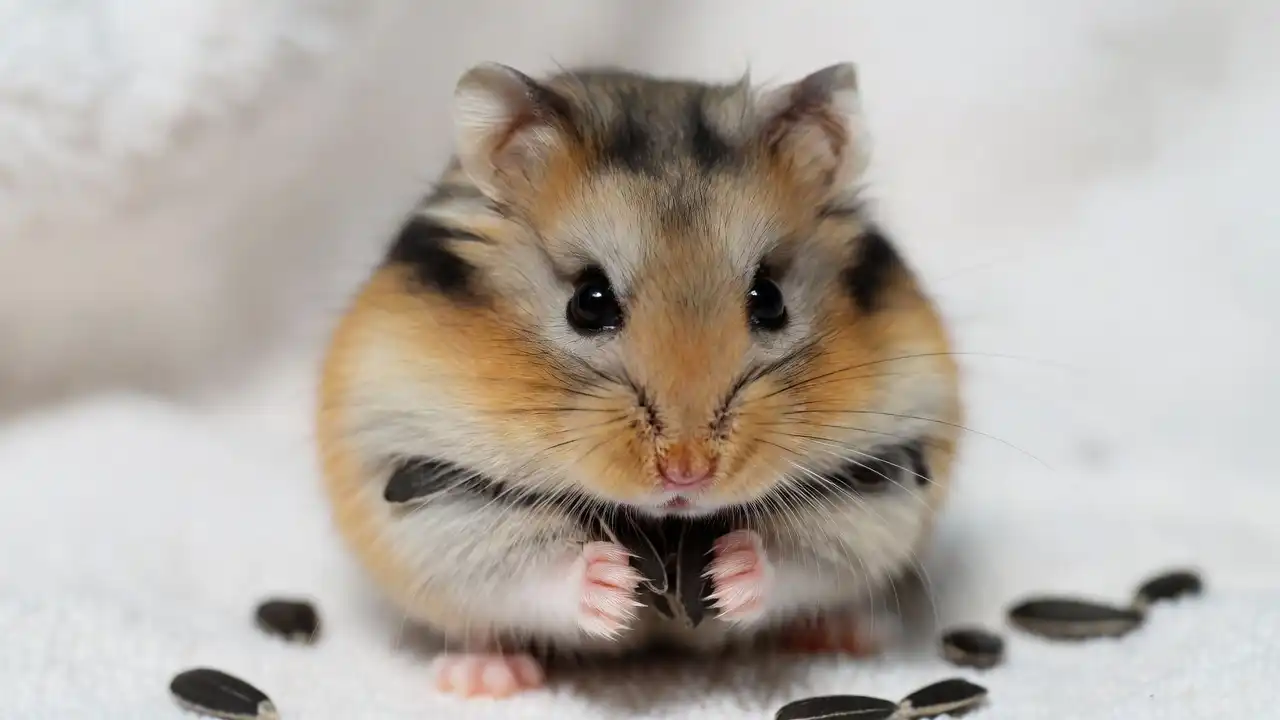
Cute Dwarf Hamster Varieties
The first time I held a dwarf hamster, I couldn’t believe something so tiny could have such a huge personality. This little Campbell’s dwarf, barely bigger than a golf ball, looked up at me with bright, curious eyes and promptly stuffed a sunflower seed into each cheek pouch before scurrying up my arm. I was absolutely smitten.
After years of working with hamster owners and caring for these pint-sized companions myself, I’ve learned that choosing the right dwarf hamster variety makes all the difference in your experience as a pet parent. Each type has its own personality quirks, care needs, and charm—and understanding these differences helps you find the perfect match for your home and lifestyle.
What Makes Dwarf Hamsters Different?
When most people think “hamster,” they picture the classic Syrian hamster—the chubby, golden teddy bear variety. Dwarf hamsters are an entirely different experience. These miniature marvels typically measure just 2-4 inches long and weigh between 0.5-2 ounces, making them significantly smaller than their Syrian cousins.
But size isn’t the only difference. Dwarf hamsters are generally more social (some varieties can even live in same-sex pairs if introduced young), more active, and have faster metabolisms that require different care approaches. According to the ASPCA, understanding these species-specific needs is crucial for providing proper care.
Quick Dwarf Hamster Fact: Despite their tiny size, dwarf hamsters can run up to 5 miles per night on their wheels! Their high energy levels and fast metabolisms mean they need more frequent feeding and more enrichment than larger hamster species. Many pet parents don’t realize that “small” doesn’t mean “low energy” with these little dynamos.
The Main Dwarf Hamster Varieties
There are four primary types of dwarf hamsters you’ll encounter as pets, each with distinct characteristics, temperaments, and care requirements. Let me introduce you to each variety so you can find your perfect tiny companion.
Campbell’s Dwarf Hamster

Campbell’s dwarf hamsters are the most commonly available variety in pet stores, and they’re wonderful little characters. With their rounded bodies, small ears, and furry feet, they look like tiny teddy bears come to life.
Appearance: They come in various colors including agouti (brown-grey), argente (cinnamon), albino, and black. Most have a dark dorsal stripe running down their back. Their fur is dense and soft, and unlike some other varieties, their fur-covered feet make them look like they’re wearing tiny slippers.
Temperament: In my experience, Campbell’s dwarfs are curious and active but can be a bit nippy if not handled gently from a young age. They’re not naturally inclined to cuddle like Syrian hamsters, but with patient, consistent handling, many become quite tame. They’re more interested in exploring than sitting still.
Social needs: Campbell’s can sometimes live in same-sex pairs if introduced as juveniles and given enough space, but this isn’t guaranteed. Watch for fighting and be prepared to separate them if needed.
Winter White Dwarf Hamster (Siberian Hamster)
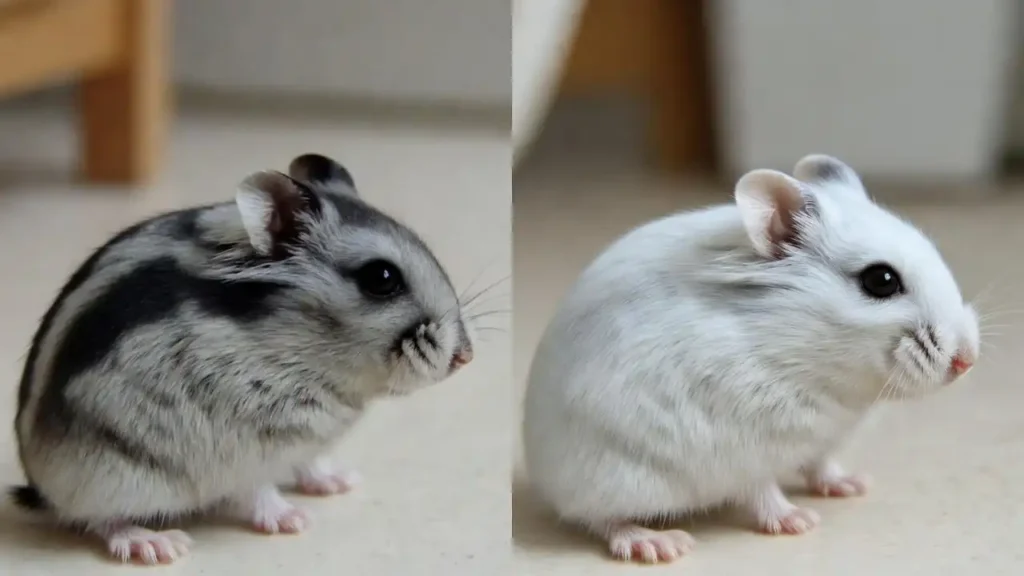
Winter Whites are absolutely magical. Named for their ability to change coat color from dark grey to nearly pure white in winter months (in response to shorter daylight hours), they’re like little seasonal chameleons.
Appearance: Normal coloring includes dark grey fur with a distinctive black dorsal stripe and white belly. In winter or under certain lighting conditions, their coat can turn almost completely white—though this doesn’t happen with all individuals in captivity. They have rounder bodies and smaller ears than Campbell’s, giving them an even more adorable appearance.
Temperament: Winter Whites tend to be calmer and more handleable than Campbell’s dwarfs. Many hamster enthusiasts consider them the best dwarf variety for beginners because they’re generally gentler and less likely to bite. They’re still active and playful but often more tolerant of handling.
Note: Winter Whites and Campbell’s can interbreed (creating hybrids), and many pet store “Winter Whites” are actually hybrids. True Winter Whites are less common in the pet trade.
Roborovski Dwarf Hamster (Robo Hamster)
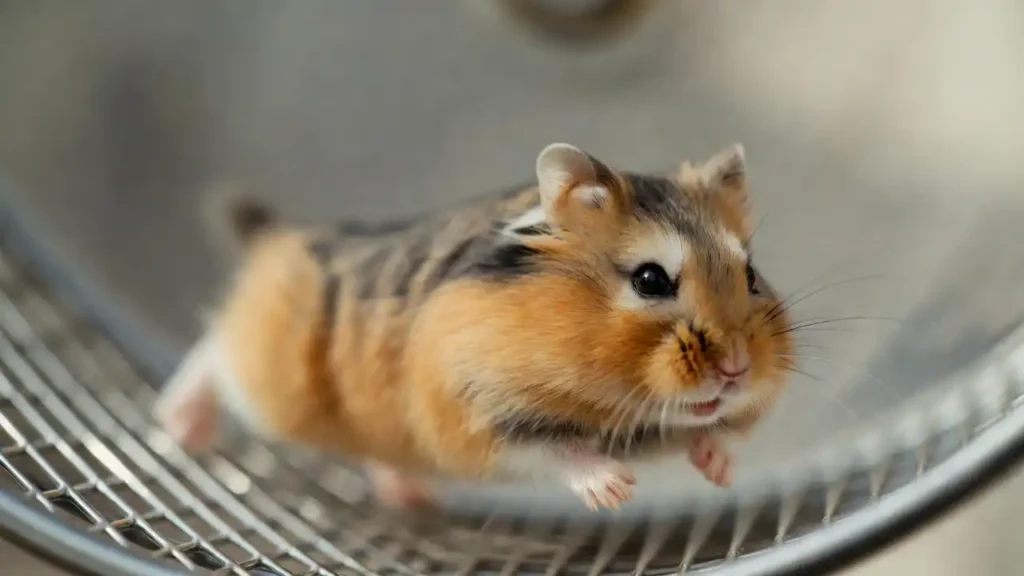
If you want to watch a hamster rather than handle one extensively, Roborovskis might be your perfect match. These are the smallest and fastest of all dwarf hamsters—watching them zoom around is pure entertainment.
Appearance: Robos are the tiniest dwarf hamsters, measuring just 1.5-2 inches long. They’re golden-brown on top with white bellies and distinctive white “eyebrow” markings above each eye that give them a perpetually surprised expression. They lack the dorsal stripe that other dwarf varieties have.
Temperament: These little speedsters are incredibly fast and generally don’t enjoy being handled. They’re not aggressive—they just prefer to be left alone to do their own thing. Think of them as the “look but don’t touch” variety. They’re perfect for people who want the joy of observing hamster behavior without the expectation of cuddles.
Social needs: Robos are more social than other dwarf varieties and often do well in same-sex pairs or small groups, especially if raised together. They’re less territorial and more likely to successfully cohabitate.
I once worked with a family who adopted two Roborovski sisters, and watching them interact was like having a tiny hamster theater in their living room. The girls would sleep curled together, share food, and take turns on the wheel—absolutely adorable.
Chinese Hamster
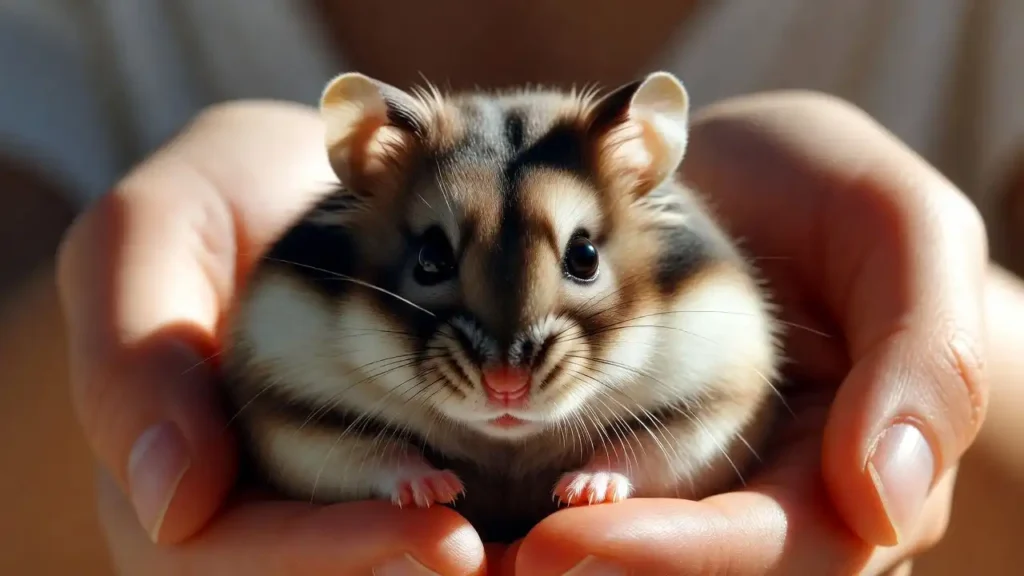
Chinese hamsters aren’t technically “dwarf” hamsters despite being small—they’re actually in a different genus. However, they’re often grouped with dwarf varieties because of their size and similar care requirements.
Appearance: Chinese hamsters are longer and more slender than true dwarf hamsters, with a mouse-like appearance. They have longer tails than other hamster varieties (about an inch long, though still short by rodent standards), large ears, and typically sport a dark brown coat with a black dorsal stripe and ivory belly.
Temperament: These hamsters are generally calm, gentle, and can become quite tame with regular handling. They’re often described as the most dog-like hamster variety—some individuals will even come when called! They’re curious, intelligent, and often enjoy human interaction once they trust you.
Social needs: Chinese hamsters are solitary and territorial. They must be housed alone as adults.
Important note: Chinese hamsters are illegal to own in some states (including California and New Jersey) due to concerns about them becoming invasive if released. Always check local regulations before adopting.
For more information on small pet varieties and their unique characteristics, check out our comprehensive guides at CuteAnimals.cc.
Comparing Dwarf Hamster Varieties
Understanding how these varieties differ helps you choose the right hamster for your lifestyle and expectations. Here’s a practical comparison of the main characteristics.
| Variety | Size | Temperament | Handleability | Social Housing | Best For |
|---|---|---|---|---|---|
| Campbell’s | 2-4 inches | Active, curious, can be nippy | Moderate (needs patience) | Possible with caution | Experienced owners, observers |
| Winter White | 3-4 inches | Calm, gentle, curious | Good (best for beginners) | Possible with caution | First-time owners, families |
| Roborovski | 1.5-2 inches | Very active, fast, shy | Low (observation pet) | Yes (often successful) | Patient observers, busy schedules |
| Chinese | 3-5 inches | Calm, intelligent, gentle | Excellent (very tame) | No (must be solitary) | Interactive pet seekers |
Note: Individual hamsters vary significantly within breeds. Always interact with a specific hamster before adoption to assess personality compatibility.
What Dwarf Hamster Owners Need to Know
After working with many hamster owners over the years, I’ve noticed that people often underestimate the specific needs of dwarf hamsters. Their small size doesn’t mean they’re low-maintenance—in fact, they often need more attention to detail than larger pets.
Housing Requirements
Despite their tiny size, dwarf hamsters need spacious enclosures. The absolute minimum is 450 square inches of continuous floor space, but bigger is always better. According to veterinary behaviorists and organizations like the Humane Society, inadequate space leads to stress behaviors like bar chewing, excessive running, and even aggression.
Essential Housing Checklist
- Cage size: Minimum 450 sq inches floor space; 600+ sq inches is ideal
- Bar spacing: No more than 0.25-0.4 inches apart (dwarf hamsters can squeeze through tiny gaps!)
- Bedding depth: At least 6 inches for burrowing (paper-based bedding recommended)
- Wheel size: 6.5-8 inches diameter depending on variety (must run with straight backs)
- Multiple hideouts: At least 2-3 different hiding spots to reduce stress
- Chew toys: Untreated wood, safe chews to maintain dental health
Dietary Needs
Dwarf hamsters have fast metabolisms and different nutritional needs than Syrian hamsters. They’re particularly prone to diabetes, so diet management is crucial.
- Quality Hamster Mix: Choose a mix specifically formulated for dwarf hamsters. Avoid mixes with lots of colorful bits—these are often sugary fillers.
- Fresh Vegetables (limited): Small amounts of broccoli, cucumber, carrot. Introduce slowly and watch for diarrhea.
- Protein Sources: Occasional mealworm, small piece of cooked egg, or plain cooked chicken (once or twice weekly).
- Fresh Water Daily: Use a bottle with a metal sipper tube, changed daily to prevent bacterial growth.
- Foods to AVOID: Citrus fruits, garlic, onion, chocolate, processed human foods, sticky foods, and sugary treats. Campbell’s and Winter Whites are especially diabetes-prone.
Common Health Concerns
Understanding what’s normal versus concerning helps you provide better care and catch problems early.
Normal behaviors:
- Nocturnal activity—most active at dawn and dusk, sleeping during the day
- Hoarding food in cheek pouches and hiding spots
- Frequent grooming and scratching (not excessive)
- Burrowing and rearranging bedding
- Chewing on cage bars occasionally (if frequent, indicates stress or inadequate enrichment)
⚠️ When to Contact Your Veterinarian
- Wet tail: Diarrhea with wetness around the tail area (can be fatal if untreated)
- Respiratory issues: Wheezing, sneezing, discharge from nose or eyes
- Lumps or bumps: Especially around cheek pouches or belly
- Weight loss or decreased appetite: Noticeable over a few days
- Lethargy during normal active hours: Unusual sleepiness in evening/early morning
- Overgrown teeth: Difficulty eating, drooling, weight loss
- Eye injuries: Cloudiness, swelling, or one eye closed
The American Veterinary Medical Association (AVMA) emphasizes that exotic pets like hamsters need veterinarians experienced in small animal care. Not all vets treat hamsters, so establish a relationship with an exotic vet before emergencies arise.
Handling and Bonding with Dwarf Hamsters
Many pet parents don’t realize that dwarf hamsters require different handling techniques than larger hamsters. Their small size and quick movements mean you need patience and specific approaches to build trust.
Taming Your New Hamster
Days 1-3: Leave them alone to settle in. Resist the urge to handle—let them adjust to new sights, sounds, and smells. Speak softly near the cage so they get used to your voice.
Days 4-7: Start offering treats through the cage bars. Let your hamster approach you rather than reaching in. Sunflower seeds or small pieces of unsweetened cereal work well.
Week 2: Place your hand (palm up, flat, still) in the cage with a treat. Let your hamster climb on your hand voluntarily. Don’t grab—let them explore on their terms.
Week 3 onward: Gradually increase handling time. Use the “cup method”—scoop with both hands forming a cup rather than grabbing from above (which triggers predator fear response).
“The key to bonding with a dwarf hamster isn’t forcing interaction—it’s earning trust. Every hamster has their own timeline. Some become hand-tame within weeks; others need months. Patience always wins over pressure.”
Common Handling Mistakes
- Waking them during the day: This stresses them and makes them more likely to bite. Handle during evening hours when they’re naturally active.
- Grabbing from above: This mimics bird attacks and triggers fear. Always approach from the side or below.
- Handling too high up: Hamsters have poor depth perception and falling can cause serious injury. Handle low to the ground or over a soft surface.
- Forcing interaction: If your hamster is trying to escape or showing stress (ears back, freezing, or attempting to bite), put them back and try later.
- Inconsistent handling: Daily short sessions build trust better than occasional long sessions.
For more tips on building bonds with small pets, explore our animal behavior guides where we cover trust-building techniques for various species.
Real Owner Experiences: Choosing the Right Variety
Let me share two stories that illustrate how important it is to match hamster variety to your expectations and lifestyle.
Emma’s Roborovski Discovery
Emma wanted a hamster for her 8-year-old daughter, thinking it would teach responsibility and provide a cuddly companion. She chose a Roborovski hamster from the pet store because it was “so tiny and cute.”
Within days, Emma’s daughter was frustrated. The hamster was impossible to catch, ran away whenever she tried to hold it, and seemed terrified of human interaction. The daughter felt rejected and thought the hamster didn’t like her.
When Emma contacted me, I explained that Robos aren’t handleable pets—they’re observation pets. This wasn’t a problem with the hamster or her daughter’s care; it was a mismatch between expectations and breed characteristics.
We reframed the experience: instead of trying to hold the hamster, Emma’s daughter became a “hamster scientist,” observing and documenting behaviors. They set up an amazing habitat with tunnels and enrichment, and the daughter spent hours watching the Robo explore. She learned patience, observation skills, and respect for an animal’s boundaries. The hamster thrived without the stress of forced handling.
The lesson: Robos are wonderful pets when you appreciate them for what they are—zippy little entertainers, not cuddly companions.
David’s Chinese Hamster Success
David wanted a small pet for his apartment but wanted something more interactive than fish. He did his research and specifically sought out a Chinese hamster, understanding they tend to be calmer and more handleable.
His Chinese hamster, Peanut, exceeded expectations. With patient, consistent handling starting from day one, Peanut became remarkably tame. Within a month, Peanut would climb onto David’s hand when the cage opened, seemed to recognize David’s voice, and would even fall asleep in his palm during evening TV time.
David told me that Peanut felt more like a tiny dog than a hamster—curious about everything David did, interested in being involved, and genuinely seeming to enjoy interaction rather than just tolerating it.
The lesson: Choosing a variety known for the temperament you want, combined with proper handling techniques, sets you up for success.
Frequently Asked Questions
Choosing Your Perfect Dwarf Hamster Companion
Finding the right dwarf hamster variety for your home isn’t about choosing the “best” type—it’s about finding the best match for your lifestyle, expectations, and what you want from the relationship.
If you want an interactive, handleable companion and are willing to invest time in taming, consider a Winter White or Chinese hamster. If you prefer observing fascinating behaviors without hands-on interaction, Roborovskis might be your perfect match. If you’re experienced with hamsters and enjoy the challenge of working with a more independent personality, Campbell’s dwarfs can be incredibly rewarding.
Whatever variety you choose, remember that these tiny creatures are complex individuals with real needs, preferences, and personalities. They deserve proper housing, appropriate diet, respectful handling, and veterinary care from exotic pet specialists when needed.
The most important thing isn’t which variety you choose—it’s that you’re prepared to meet their needs and appreciate them for exactly who they are. When you do that, even the smallest hamster can leave the biggest pawprint on your heart.
Ready to learn more about caring for your dwarf hamster? Explore our comprehensive guides at CuteAnimals.cc where we cover everything from habitat setup to understanding tiny pet behaviors.
🐾 Author Bio
Written by: Jackson Galaxy
Pet Care Writer at CuteAnimals.cc
Animal lover with hands-on experience in animal care, behavior, and training. Content created using research-backed knowledge and real animal owner experience. Passionate about helping small pet owners understand their companions’ unique needs and build enriching, respectful relationships with even the tiniest family members.