Cute Animals With Big Round Eyes
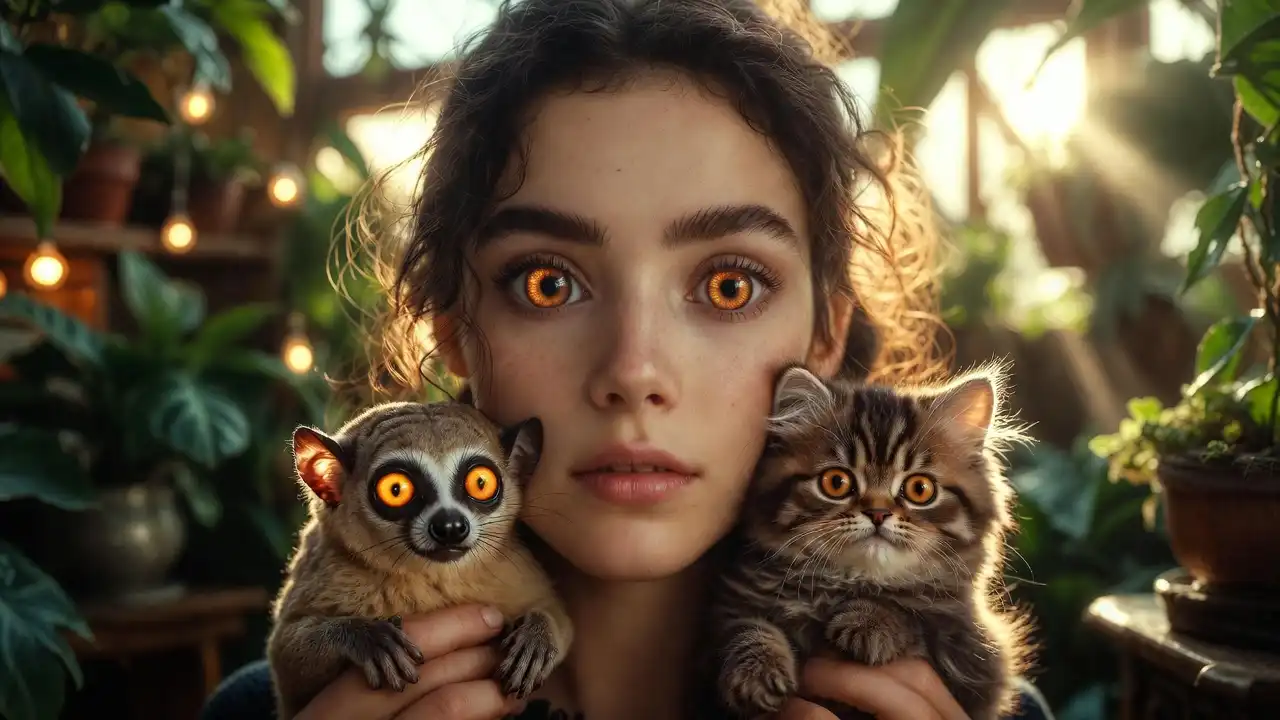
You know that instant melting feeling when you lock eyes with an animal with huge, soulful eyes? Those oversized peepers do something to us. They make us want to protect, cuddle, and shower them with treats. But after working with many animal owners over the years, I’ve learned that those big beautiful eyes aren’t just there to make us go “aww”—they tell us so much about the animal’s needs, health, and how we should care for them.
Whether you’re captivated by a wide-eyed owl, a sweet-faced slow loris, or your own round-eyed companion at home, understanding why some animals have such prominent eyes—and what that means for their care—can make you a better, more informed animal lover.
Why Do Some Animals Have Such Big, Round Eyes?
Big eyes aren’t just about looking adorable. They’re evolutionary adaptations that serve very specific purposes. Animals with large eyes relative to their head size typically fall into a few categories: nocturnal hunters, prey animals that need wide-angle vision, or species that live in low-light environments.
The bigger the eye, the more light it can gather. This is why owls, tarsiers, and bush babies have those massive, captivating eyes—they hunt or forage at night when light is scarce. More eye surface means more photoreceptors, which translates to better night vision.
For prey animals like deer, rabbits, and many rodents, large eyes positioned on the sides of their heads give them nearly 360-degree vision. They can spot predators approaching from almost any direction. It’s a survival feature, not a fashion statement.
Quick Biology Fact: An animal’s eye size often indicates their activity pattern. Diurnal (daytime) animals tend to have smaller eyes relative to body size, while nocturnal and crepuscular (dawn/dusk active) animals have proportionally larger eyes to maximize light intake.
And then there’s the cuteness factor. Animals with forward-facing, large, round eyes trigger what scientists call “baby schema”—the same protective instinct we feel toward human infants. Round features, big eyes, and small noses make us want to nurture and care for them. It’s hardwired into our brains, according to research from organizations like the ASPCA.
Popular Animals Known for Their Big, Round Eyes
Let’s talk about some of the most iconic big-eyed animals you might encounter—whether in the wild, at sanctuaries, or right in your home. Each has unique care needs tied directly to those captivating eyes.
Wild Animals With Mesmerizing Eyes
- Tarsiers: These tiny primates have the largest eyes relative to body size of any mammal. Each eye is as big as their brain! They’re strictly nocturnal and incredibly sensitive to light and stress.
- Slow Loris: Their huge eyes and sweet faces have sadly made them targets for illegal pet trade. They’re venomous, nocturnal, and suffer terribly in captivity. Never support keeping them as pets.
- Owls: Forward-facing eyes give them incredible depth perception for hunting. Their eyes are tubular, not round, and can’t move in their sockets—that’s why they rotate their heads up to 270 degrees.
- Bush Babies (Galagos): Their massive eyes help them leap through trees at night. They’re highly active, social animals that need extensive space and enrichment.
- Tree Frogs: Many species have prominent, bulging eyes that help them spot prey and predators. Their eyes also help them swallow food by retracting into their head!
Companion Animals With Soulful Eyes
Many pet parents don’t realize that the animals sharing their homes also have proportionally large eyes, and those eyes need special attention.
- Cavalier King Charles Spaniels: Their large, round, dark eyes are breed hallmarks but are prone to eye issues like dry eye and progressive retinal atrophy.
- Chihuahuas: Those bug-eyes are adorable but vulnerable to injury and corneal ulcers due to prominence and exposure.
- Persian Cats: Flat faces and large eyes can lead to tear overflow and eye infections requiring daily cleaning.
- Rabbits: Side-positioned large eyes give them wide vision but limited depth perception straight ahead. They have a blind spot right in front of their nose.
- Hamsters and Gerbils: Their prominent eyes can be injured easily during handling or by cage accessories with sharp edges.
For more guidance on caring for these special companions, check out our cute animal care guides that cover breed-specific and species-specific needs.
What Big Eyes Mean for Animal Care
In my experience working with animals with prominent eyes, I’ve noticed that many pet parents underestimate how much extra care those eyes require. Bigger eyes often mean more exposure, more vulnerability, and more maintenance.
Common Eye-Related Health Issues
| Condition | Common in Animals With… | Signs to Watch For | Action Needed |
|---|---|---|---|
| Corneal Ulcers | Protruding eyes (brachycephalic breeds) | Squinting, redness, discharge, cloudiness | Immediate vet visit |
| Dry Eye (KCS) | Dogs with large, exposed eyes | Thick mucus, dull eye surface, frequent blinking | Vet exam + daily medication |
| Eye Proptosis | Brachycephalic breeds (shallow eye sockets) | Eye bulging out of socket (trauma-related) | EMERGENCY – go to vet NOW |
| Progressive Retinal Atrophy | Certain breeds genetically predisposed | Night blindness, dilated pupils, bumping into things | Vet diagnosis + adaptation support |
| Entropion/Ectropion | Dogs and cats with loose facial skin | Eyelids rolling in/out, chronic tearing, irritation | Vet evaluation (may need surgery) |
| Glaucoma | Any animal, but higher risk in some breeds | Enlarged eye, cloudiness, pain, vision loss | Urgent vet care (painful + blinding) |
Source: Based on veterinary standards from the American Veterinary Medical Association (AVMA)
Daily Eye Care for Big-Eyed Animals
Many pet parents don’t realize that animals with prominent eyes need daily attention to prevent problems. Here’s what I recommend based on years of hands-on experience:
What You Can Do at Home Right Now
- Check eyes daily: Look for discharge, redness, cloudiness, or squinting. Early detection prevents serious issues.
- Clean gently: Use vet-approved eye wipes or sterile saline to remove tear stains and debris. Wipe from inner corner outward, never rubbing directly on the eyeball.
- Keep hair trimmed: Long hair around eyes can irritate and cause infections. Regular grooming is essential, especially for breeds like Shih Tzus and Maltese.
- Avoid irritants: Keep smoke, dust, cleaning chemicals, and fragranced products away from your animal’s face.
- Prevent trauma: Remove sharp objects from living areas. Be careful during play—stick toys can injure eyes.
- Maintain humidity: Dry environments worsen dry eye. Consider a humidifier, especially in winter.
When to Call Your Veterinarian
Some eye issues need immediate professional attention. Don’t wait if you notice:
- Sudden cloudiness or blue/white film over the eye
- Excessive tearing or thick, colored discharge (green or yellow suggests infection)
- Squinting, pawing at eyes, or sensitivity to light
- Visible injury, swelling, or bleeding
- Eye bulging more than usual or appearing sunken
- Sudden vision changes (bumping into furniture, reluctance to move in dim light)
- Pupils that are different sizes or don’t respond to light
Eye problems can deteriorate rapidly. What seems minor in the morning can become serious by evening. When in doubt, call your vet. For breed-specific concerns, the American Kennel Club (AKC) provides excellent resources on genetic eye conditions in different dog breeds.
The Light Sensitivity Factor
One thing many people don’t understand about big-eyed animals is how sensitive they can be to light. Remember, those large eyes evolved to gather maximum light in low-light conditions. Bright lights can be uncomfortable or even painful for them.
I once worked with a family who adopted a chinchilla and kept its cage near a bright window. The poor thing would hide all day, barely eat, and show signs of stress. Once we moved the enclosure to a dimmer corner of the room and provided hiding spots, the chinchilla’s behavior completely changed. It became active, curious, and healthy.
⚠️ Common Mistake
Using camera flash around animals with large eyes. The bright flash can be disorienting, frightening, and potentially damaging to eyes designed for low light. If you must photograph your pet, use natural light or continuous lighting instead of flash. This is especially important for nocturnal animals like sugar gliders, hedgehogs, and ferrets.
Here’s how to manage lighting for light-sensitive animals:
- Provide dimmer switches or lower-wattage bulbs in rooms where your animal lives
- Create shaded areas and hiding spots so they can retreat from bright light
- Avoid placing enclosures in direct sunlight or under harsh overhead lighting
- Use blackout curtains if your animal is diurnal and needs quality daytime sleep
- Transition gradually between light and dark environments during handling
Understanding What Those Eyes Are Telling You
Big eyes aren’t just for seeing—they’re for communicating. Animals use eye contact, pupil dilation, and blinking patterns to express emotions and intentions. Learning to read these signals helps you respond appropriately to your animal’s needs.
Eye Language Basics
Soft, relaxed eyes with slow blinks: This is the animal version of a smile. Cats especially do this to show affection and trust. Slow blinking back at your cat is like saying “I love you too.”
Hard stare with dilated pupils: This can signal aggression, fear, or predatory focus. In dogs, a direct stare is often a challenge. In cats, it can precede an attack or indicate overstimulation.
Wide eyes showing whites (whale eye): This is a stress signal in many animals. Dogs showing whale eye are uncomfortable and may bite if pushed further. Give them space immediately.
Avoiding eye contact: Prey animals like rabbits and guinea pigs naturally avoid direct eye contact. Forcing it can increase their stress. Let them approach you on their terms.
Rapid blinking or squinting: May indicate pain, irritation, or bright light discomfort. Check for eye problems if this behavior persists.
“The eyes are the window to an animal’s soul—but also to their health, comfort, and emotional state. Learning to really see what those big, beautiful eyes are telling you transforms your relationship from owner to true companion.”
Special Considerations for Nocturnal Big-Eyed Animals
If you’re caring for a nocturnal animal with large eyes—like hamsters, sugar gliders, chinchillas, or hedgehogs—their care routine needs to respect their natural schedule.
I’ve seen too many well-meaning pet parents try to force nocturnal animals into daytime schedules because it’s more convenient for family interaction. This causes chronic stress, weakens their immune system, and shortens their lifespan.
Respecting the Night Shift
- Don’t wake them during the day for playtime or cuddles. Would you want someone waking you at 3 AM for attention?
- Schedule interaction for dusk and evening when they’re naturally active and alert.
- Keep their daytime sleeping area dark and quiet. Use covers, place enclosures away from windows, and maintain a peaceful environment.
- Provide enrichment activities at night—foraging toys, wheels, climbing structures, safe exploration time.
- Accept that you’ll hear nighttime activity. Wheels squeak, animals rustle, nocturnal animals make noise. Don’t keep them in bedrooms if you’re a light sleeper.
For more detailed information on species-specific care and respecting natural behaviors, explore our animal behavior tips section where we dive deep into creating species-appropriate environments.
Prevention: Keeping Those Big Eyes Healthy Long-Term
Prevention is always easier and cheaper than treatment. Here’s how to minimize eye problems in animals with prominent eyes:
Preventive Care Checklist
- Schedule regular vet eye exams (at least annually, more frequently for senior animals or breeds prone to issues)
- Maintain a healthy diet rich in vitamin A and omega-3 fatty acids (consult your vet for proper supplementation)
- Keep vaccinations current to prevent infectious diseases that can affect eyes
- Control environmental allergens that can cause eye irritation
- Monitor weight—obesity increases risk of diabetes, which can cause eye problems
- Protect eyes during outdoor activities (doggy goggles aren’t just cute—they protect against UV, wind, and debris)
- Address behavioral issues like excessive rubbing or scratching that can injure eyes
According to the Humane Society, regular preventive care significantly reduces the incidence of serious eye disease in companion animals.
Genetic Screening for Breeding Animals
If you’re considering breeding animals or acquiring one from a breeder, genetic eye testing is non-negotiable. Many eye diseases are hereditary, and responsible breeding requires screening parents for conditions like:
- Progressive Retinal Atrophy (PRA)
- Collie Eye Anomaly (CEA)
- Primary Lens Luxation (PLL)
- Glaucoma predisposition
- Cataracts
Reputable breeders provide documentation of eye health clearances. If they can’t or won’t, walk away.
Real-Life Example: Luna’s Story
Let me share a case that really illustrates why eye care matters for big-eyed animals.
Luna was a three-year-old Pomeranian with gorgeous, large, dark eyes. Her owner noticed she was squinting one eye slightly but figured it was just dust irritation. Two days later, that eye was swollen shut with thick green discharge.
At the emergency vet, Luna was diagnosed with a corneal ulcer that had become infected. Her prominent eyes made her corneas more exposed, and a scratch from playing with another dog had created an entry point for bacteria. The ulcer had started as a minor scratch but deteriorated rapidly because her eye was already chronically dry—something the owner didn’t know about because they’d skipped routine vet visits.
Luna needed intensive treatment: antibiotic drops every two hours initially, pain medication, an Elizabethan collar to prevent rubbing, and eventually, daily dry eye medication for the rest of her life. The whole situation could have been prevented with routine eye checks and addressing the dry eye condition early.
The good news? With consistent treatment, Luna’s eye healed, and she’s doing great. But her owner learned an expensive, stressful lesson about the importance of preventive care for big-eyed breeds.
Frequently Asked Questions
The Beauty and Responsibility of Big-Eyed Companions
Those enormous, soulful eyes will never stop making us melt. There’s something deeply moving about connecting with an animal through eye contact—feeling seen and understood across species barriers.
But as we’ve explored, those captivating eyes come with specific needs and vulnerabilities. The same features that make them so endearing also make them more susceptible to injury, disease, and discomfort. Understanding this doesn’t diminish our appreciation—it deepens our commitment to responsible care.
Every time you check those eyes for signs of trouble, every vet appointment you schedule, every time you resist using a camera flash or respect their need for dim lighting, you’re honoring the trust that animal places in you. You’re saying their health and comfort matter more than the perfect photo or convenient schedule.
Whether you’re caring for a big-eyed companion at home or simply appreciating them in the wild or at sanctuaries, your knowledge and respect make a difference. Share what you’ve learned. Encourage others to look beyond cuteness to true understanding.
The animals with the biggest eyes often have the biggest impact on our hearts. They deserve our very best care in return.
⚕️ Medical Disclaimer
This article is for educational purposes only and should not replace professional veterinary advice, diagnosis, or treatment. Always consult a licensed veterinarian for medical concerns about your animal. Eye conditions can deteriorate rapidly—when in doubt, seek professional care immediately. Every animal is unique, and what works for one may not be appropriate for another.
🐾 Author Bio
Written by: Jackson Galaxy
Pet Care Writer at CuteAnimals.cc
Animal lover with hands-on experience in animal care, behavior, and training. Content created using research-backed knowledge and real animal owner experience. Passionate about helping pet parents understand their animals’ needs and build stronger, healthier relationships with the animals they love.
You May Also Like