Cute Animals of Australia: The Land Down Under’s Adorable Wildlife
Australia is home to some of the world’s most unique and adorable animals found nowhere else on Earth. From hopping marsupials with joey-filled pouches to impossibly fluffy koalas sleeping in eucalyptus trees, the Land Down Under showcases evolution’s most creative and charming work.
Over 80% of Australia’s mammals, reptiles, and frogs are endemic—meaning they exist only on this isolated continent. This extraordinary biodiversity creates a wildlife wonderland where cuteness meets incredible adaptation.
- Why Australian Animals Are Uniquely Adorable
- The Most Beloved Australian Marsupials
- Exploring Cute Animals of Australia: Characteristics and Habitats
- The Land Down Under's Adorable Wildlife: Behaviors and Adaptations
- Australia's Unique Monotremes
- Adorable Australian Birds
- Marine Marvels of Australian Waters
- Nocturnal Cuties
- Where to See Australian Cute Animals
- Conservation Challenges and Successes
- How to Support Australian Wildlife
- Australian Wildlife in Popular Culture
- Unique Adaptations for Australian Conditions
- Photography Tips for Australian Wildlife
- Planning Your Australian Wildlife Adventure
- Conclusion: Celebrating Australia's Living Treasures
Why Australian Animals Are Uniquely Adorable
Australia’s geographic isolation for millions of years allowed species to evolve in ways dramatically different from the rest of the world. The result? A collection of animals that seem almost fictional in their charm and peculiarity.
Marsupials dominate the Australian mammal landscape, carrying their underdeveloped young in pouches—a trait that maximizes the “aww” factor. Combined with unique monotremes (egg-laying mammals) and distinctive native species, Australia offers wildlife encounters unlike anywhere else.
The Most Beloved Australian Marsupials
Koalas: Tree-Dwelling Teddy Bears
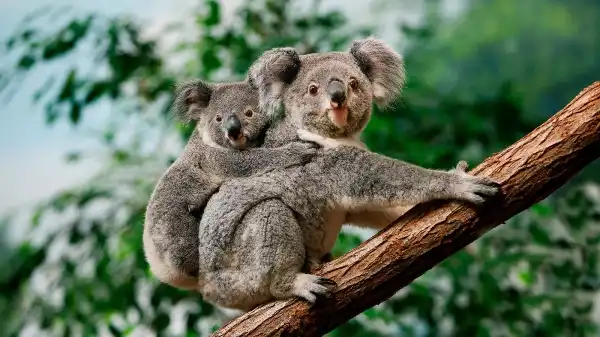
With their fuzzy ears, button noses, and perpetually drowsy expressions, koalas are international symbols of Australian wildlife. These tree-dwelling marsupials spend up to 22 hours daily sleeping or resting, conserving energy from their low-nutrition eucalyptus diet.
Baby koalas, called joeys, are born the size of a jellybean and develop in their mother’s pouch for six months. Once emerged, they cling to mom’s back for another six months, creating adorable piggyback ride scenes.
Koalas aren’t actually bears despite their cuddly appearance. They’re specialized folivores with fingerprints remarkably similar to humans—so similar they can confuse crime scene investigators.
Kangaroos: Iconic Hoppers
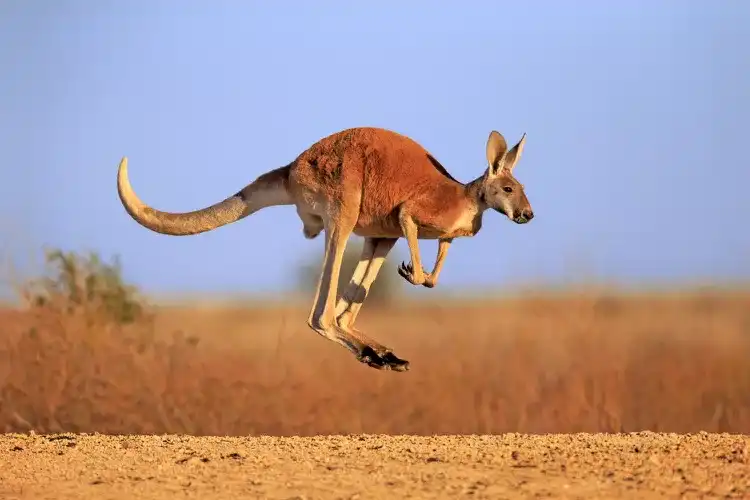
No animal represents Australia more than kangaroos. These powerful marsupials can hop at speeds up to 35 mph and leap 25 feet in a single bound. Yet their most endearing feature is the tiny joey peeking from mom’s pouch.
Red kangaroos are the largest marsupials on Earth, while smaller wallabies offer equally adorable versions. Watching a mob of kangaroos graze peacefully at sunset is quintessentially Australian.
Kangaroos can’t walk backwards, and females can pause their pregnancies if environmental conditions aren’t ideal—a biological superpower called embryonic diapause.
Wombats: Chunky Burrowers
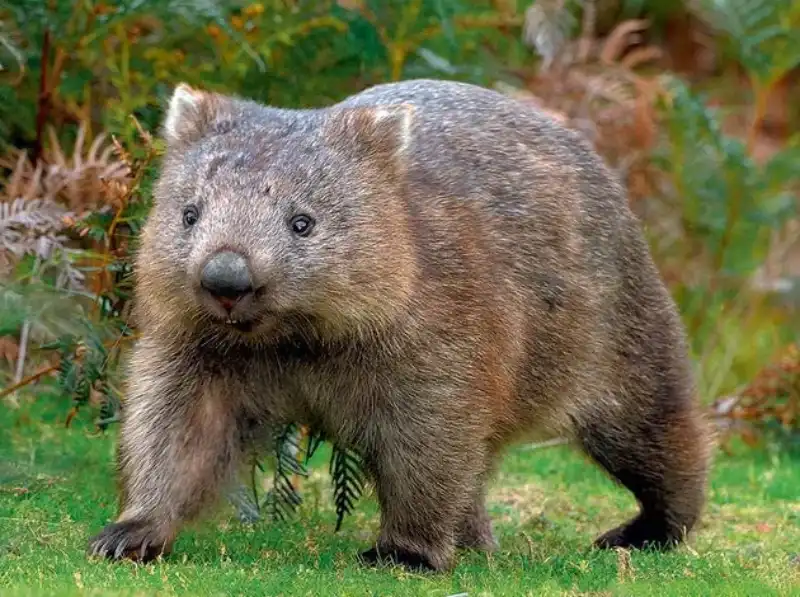
These stocky, ground-dwelling marsupials look like living teddy bears with attitudes. Wombats are surprisingly fast despite their rotund appearance, reaching speeds of 25 mph when needed.
Their most unusual feature? Cube-shaped poop. Scientists believe this prevents their droppings from rolling away, helping mark territory effectively. Wombat burrows can extend over 650 feet underground, creating impressive tunnel systems.
Baby wombats spend 6-8 months in their mother’s backward-facing pouch (designed so dirt doesn’t enter while digging). The result? Some of social media’s most heart-melting wildlife content.
Quokkas: The World’s Happiest Animals
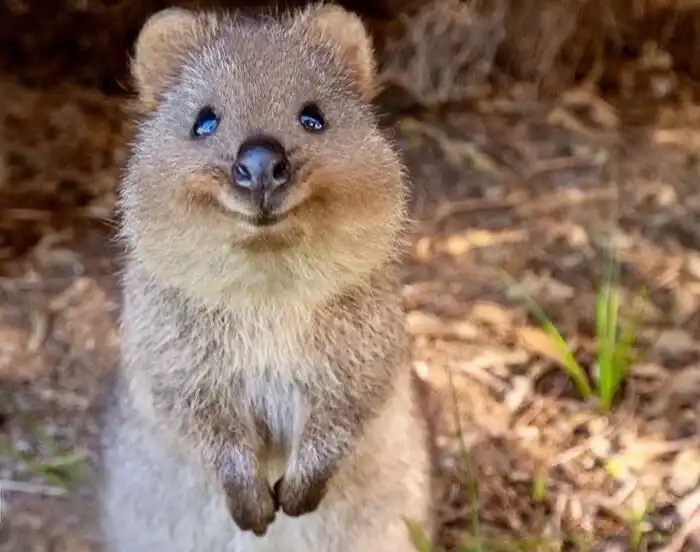
Native to small islands off Western Australia, quokkas have become internet sensations for their seemingly permanent smiles. These wallaby relatives show little fear of humans, often approaching visitors with friendly curiosity.
Quokka “selfies” have become a social media phenomenon, with travelers flocking to Rottnest Island for the perfect photo opportunity. These pint-sized marsupials are most active at night, foraging for vegetation.
Despite their cheerful appearance, quokkas face conservation challenges from habitat loss and introduced predators. Their trusting nature makes them vulnerable but also endears them to conservation advocates.
Sugar Gliders: Pocket-Sized Acrobats
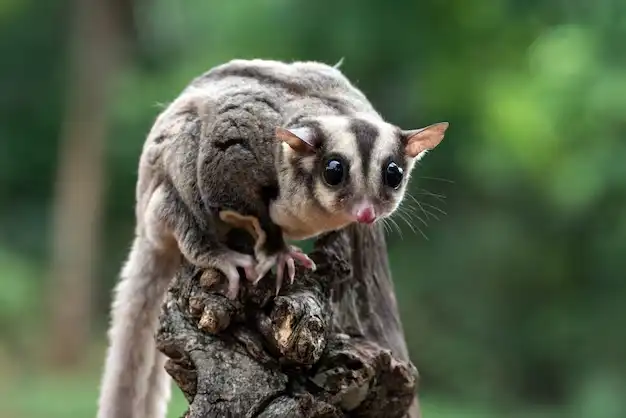
These tiny possums have a membrane stretching from wrist to ankle, allowing them to glide up to 150 feet between trees. With enormous eyes adapted for nocturnal life and soft gray fur, sugar gliders look like miniature flying squirrels.
Highly social creatures, sugar gliders live in colonies and communicate through various chirps and barks. They earned their name from their preference for sweet foods like nectar, sap, and insects.
In captivity, sugar gliders bond strongly with owners, often riding in pockets—hence their popularity (though wildlife belongs in the wild).
Tasmanian Devils: Fierce but Fascinating
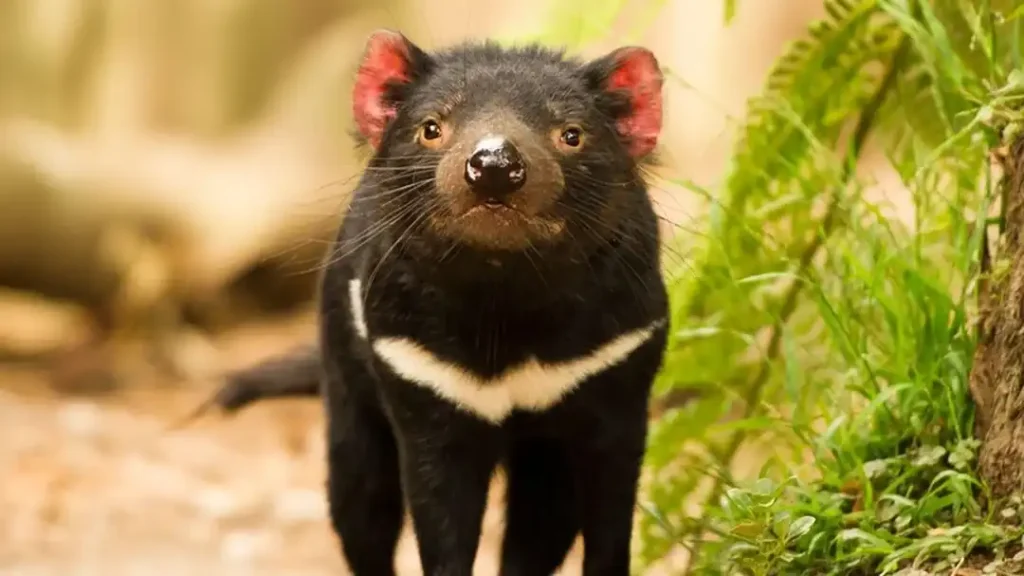
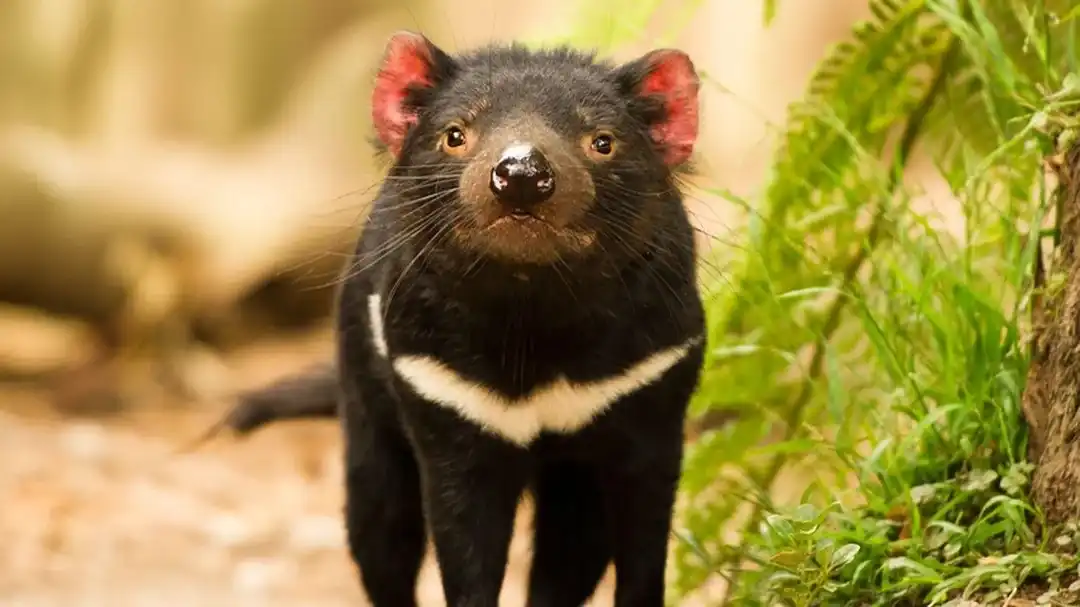
Despite their fearsome name and reputation, Tasmanian devils are surprisingly endearing, especially as youngsters. These carnivorous marsupials are the world’s largest surviving carnivorous marsupial after the extinction of the thylacine.
Devils are known for their powerful jaws, loud screeching, and aggressive feeding behavior. However, they’re also crucial ecosystem cleaners, consuming carrion and preventing disease spread.
Baby devils are called “imps,” fitting their mischievous nature. Conservation efforts have successfully protected devils from a devastating facial tumor disease that nearly wiped them out.
Exploring Cute Animals of Australia: Characteristics and Habitats
| Animal | Size/Weight | Distinctive Features | Primary Habitat | Cuteness Factor |
|---|---|---|---|---|
| Koala | 20-30 inches, 9-33 lbs | Fluffy ears, large nose, eucalyptus scent | Eucalyptus forests, Eastern Australia | Perpetual sleepy expression, joey piggyback rides |
| Red Kangaroo | 3-5 feet, 40-200 lbs | Powerful legs, joey in pouch | Arid and semi-arid grasslands | Tiny joeys, graceful hopping motion |
| Wombat | 30-45 inches, 44-77 lbs | Chunky build, powerful claws, cube poop | Forests, grasslands, mountainous areas | Teddy bear appearance, waddling gait |
| Quokka | 16-21 inches, 5-11 lbs | “Smiling” expression, rounded ears | Rottnest Island, Southwest Australia | Friendliness, photogenic smile |
| Sugar Glider | 6-8 inches, 3-5 oz | Gliding membrane, huge eyes | Forests and woodlands | Pocket-sized, enormous eyes, gliding ability |
| Tasmanian Devil | 20-31 inches, 9-26 lbs | Black fur, pink ears, powerful jaws | Tasmania, forests and scrublands | Pink-eared babies, expressive faces |
| Platypus | 15-24 inches, 1.5-5 lbs | Duck bill, beaver tail, otter feet | Rivers and streams, Eastern Australia | Bizarre combination of features |
| Echidna | 12-18 inches, 4-16 lbs | Spines, long snout, puggles | Various habitats across Australia | Waddling walk, adorable puggles |
| Wallaby | 12-40 inches, 4-53 lbs | Similar to kangaroos but smaller | Forests, scrublands, grasslands | Mini-kangaroo charm, agile movements |
| Bilby | 11-22 inches, 1.8-5.5 lbs | Long ears, silky fur, pointed snout | Arid and semi-arid areas | Rabbit-like ears, gentle nature |
The Land Down Under’s Adorable Wildlife: Behaviors and Adaptations
| Animal Group | Species Examples | Unique Behaviors | Survival Adaptations | Tourist Appeal |
|---|---|---|---|---|
| Arboreal Marsupials | Koalas, Tree Kangaroos, Possums | Sleep 18-22 hours daily, slow movement | Specialized digestion for toxic eucalyptus | High – easy to spot in trees |
| Hopping Marsupials | Kangaroos, Wallabies, Pademelons | Mob grazing, boxing behavior | Energy-efficient locomotion, embryonic diapause | Very High – iconic Australian image |
| Burrowing Marsupials | Wombats, Bilbies, Quolls | Extensive tunnel systems, nocturnal | Cube-shaped droppings, backward pouches | Medium – require specific locations |
| Gliding Marsupials | Sugar Gliders, Feathertail Gliders | Nighttime gliding between trees | Membrane allows 50-150 foot glides | Medium – nocturnal, harder to spot |
| Carnivorous Marsupials | Tasmanian Devils, Quolls | Scavenging, powerful bite force | Jaw strength, immune system adaptations | Medium – mostly in Tasmania |
| Monotremes | Platypus, Echidna | Egg-laying mammals, electroreception | Venomous spurs (platypus), specialized snouts | High – uniquely Australian |
| Marine Mammals | Dolphins, Sea Lions, Dugongs | Social pods, playful behavior | Streamlined bodies, coastal feeding | High – accessible in many locations |
| Small Mammals | Dunnarts, Numbats, Quokkas | Fast metabolism, frequent feeding | Arid adaptation, termite specialization | Variable – location dependent |
| Native Rodents | Hopping Mice, Water Rats | Bipedal hopping, semi-aquatic | Water conservation, unique locomotion | Low – shy and elusive |
| Flying Mammals | Fruit Bats, Microbats | Colony roosting, echolocation | Pollination services, insect control | Medium – spectacular evening flights |
Australia’s Unique Monotremes
Platypuses: Nature’s Frankenstein’s Monster
When European scientists first saw a preserved platypus specimen in 1798, they thought it was a hoax—a duck’s bill sewn onto a beaver-like body. Yet platypuses are real, remarkable, and undeniably adorable in their oddity.
These egg-laying mammals hunt underwater with their eyes closed, using electroreceptors in their bills to detect prey. Male platypuses have venomous spurs on their hind legs—one of nature’s rare venomous mammals.
Baby platypuses, called puggles, emerge from eggs but then nurse from milk patches on their mother’s abdomen (platypuses lack nipples). Spotting a wild platypus is considered a highlight of Australian wildlife watching.
Echidnas: Spiky Anteaters
Also called spiny anteaters, echidnas are covered in sharp spines but have gentle faces and amusing waddling gaits. They use their long, sticky tongues to slurp up ants and termites.
Like platypuses, echidnas lay eggs. Baby echidnas (also called puggles) hatch after 10 days and stay in their mother’s temporary pouch until their spines develop. The result? Some of the cutest baby animal photos imaginable.
Echidnas have no teeth and extremely low body temperatures for mammals. They can live over 50 years in the wild, making them among Earth’s longest-lived mammals relative to size.
Adorable Australian Birds
Kookaburras: Laughing Icons
Known for their distinctive “laughing” call that sounds like human laughter, kookaburras are Australia’s largest kingfishers. Their loud vocalizations establish territory at dawn and dusk, creating the soundtrack of the Australian bush.
Despite being kingfishers, kookaburras rarely fish, preferring snakes, lizards, and insects. They’re famously fearless, often stealing food from outdoor dining areas in parks.
Baby kookaburras have fluffy plumage and oversized beaks, giving them an endearingly awkward appearance as they learn to hunt.
Little Penguins: Twilight Parades
The world’s smallest penguin species, little penguins (also called fairy penguins) nest along Australia’s southern coastlines. Each evening, they waddle ashore from fishing expeditions in adorable groups called rafts.
At Phillip Island and other locations, tourists gather to watch the penguin parade—hundreds of little penguins marching up beaches to their burrows. Their diminutive size (only 13 inches tall) amplifies the cuteness.
These penguins mate for life and return to the same burrows year after year, demonstrating impressive navigation abilities.
Rainbow Lorikeets: Living Rainbows
With brilliant plumage in red, blue, green, and yellow, rainbow lorikeets are among Australia’s most colorful birds. They’re highly social, traveling in noisy flocks and feeding on nectar with specialized brush-tipped tongues.
Lorikeets often appear at outdoor cafes and parks, becoming quite comfortable around humans. Their playful antics and vibrant colors make them photographer favorites.
In some urban areas, lorikeets have become so numerous they’re considered pests, though their beauty keeps them beloved by most Australians.
Marine Marvels of Australian Waters
Sea Lions and Fur Seals
Australian sea lions and fur seals inhabit coastal waters, hauling out on beaches and rocky shores. Pups are born with fluffy coats and spend weeks developing swimming skills under maternal supervision.
These marine mammals are curious and playful, often approaching snorkelers and divers. Sea lion colonies at Kangaroo Island and other locations offer spectacular wildlife viewing opportunities.
Australian sea lions are one of the rarest seal species, making conservation efforts crucial for their survival.
Dugongs: Gentle Sea Cows
These marine mammals, related to manatees, graze on seagrass meadows in tropical Australian waters. Dugongs are rotund, slow-moving, and endearingly awkward, inspiring the “mermaid” legends of early sailors.
Mother dugongs display touching maternal care, nursing calves for up to 18 months. Watching dugongs feed is mesmerizing—they can consume up to 88 pounds of seagrass daily.
Dugongs are culturally significant to Indigenous Australians and protected throughout their range, though they face threats from boat strikes and habitat degradation.
Nocturnal Cuties
Possums: Tree-Dwelling Opportunists
Multiple possum species inhabit Australia, from the common brushtail possum to the tiny feathertail glider. These nocturnal marsupials have adapted remarkably well to urban environments.
Baby possums cling to their mother’s backs once they emerge from pouches, creating adorable family processions through nighttime gardens. Their large eyes and fluffy tails add to their appeal.
Ring-tailed possums are particularly charming, using their prehensile tails as fifth limbs while navigating branches.
Bats: Flying Foxes and Microbats
Australia hosts numerous bat species, including impressive flying foxes with wingspans over three feet. Despite common misconceptions, these fruit-eating bats are gentle and essential pollinators.
Watching thousands of flying foxes emerge at dusk from roosting sites is spectacular. Their fox-like faces and dog-like snouts explain their common name.
Microbats, smaller insect-eating species, use echolocation to hunt. Some Australian microbats are so tiny they weigh less than a coin.
Where to See Australian Cute Animals
Best Wildlife Destinations
Queensland offers the Great Barrier Reef for marine life, rainforest for tree kangaroos, and numerous wildlife sanctuaries for koala encounters.
Tasmania is the only place to see Tasmanian devils in the wild, plus abundant wombats, wallabies, and little penguins.
Kangaroo Island lives up to its name with kangaroos, wallabies, koalas, sea lions, and diverse bird species—all in concentrated areas.
Rottnest Island near Perth is quokka central, where these friendly marsupials create selfie opportunities.
Northern Territory showcases unique tropical wildlife including wallabies, crocodiles, and spectacular bird diversity.
Ethical Wildlife Encounters
Choose accredited wildlife sanctuaries and tour operators committed to animal welfare. Avoid facilities that allow excessive handling of native animals or keep them in inadequate conditions.
Never feed wild animals, as human food causes health problems and dependency. Maintain respectful distances, never chase animals, and follow all posted guidelines in national parks.
Support conservation-focused facilities that rehabilitate injured wildlife and contribute to breeding programs for endangered species.
Conservation Challenges and Successes
Threats to Australian Wildlife
Introduced species—cats, foxes, rabbits, and cane toads—devastate native populations. Small marsupials are especially vulnerable to predation by feral cats.
Habitat loss from urbanization, agriculture, and climate change threatens specialized species like koalas, which need large eucalyptus forest areas.
Climate change affects breeding cycles, food availability, and increases extreme weather events. Bushfires, droughts, and floods can devastate wildlife populations.
Conservation Success Stories
Tasmanian devil breeding programs have created insurance populations, protecting the species from extinction. Devils have even been reintroduced to mainland Australia after 3,000 years.
Bilby conservation programs have stabilized populations through predator control and breeding initiatives. Easter bilbies are promoted as chocolate alternatives to rabbits, raising awareness.
Quokka populations on predator-free islands remain stable, with successful conservation tourism generating funds for protection.
How to Support Australian Wildlife
Direct Conservation Actions
Donate to organizations like the Australian Wildlife Conservancy, WWF Australia, or species-specific programs. These groups conduct vital research and habitat protection.
Participate in citizen science projects that track wildlife populations and movements. Apps like iNaturalist help scientists understand species distributions.
If visiting Australia, choose eco-certified tourism operators whose fees support conservation. Many wildlife sanctuaries use admission revenue for rescue and rehabilitation.
Lifestyle Choices That Help
Support sustainable Australian products that don’t harm wildlife habitats. Palm oil-free products help protect rainforest species.
Reduce your carbon footprint to mitigate climate change impacts on Australian ecosystems. Energy conservation and sustainable transportation choices matter globally.
Educate others about Australian wildlife and conservation needs. Social media sharing of accurate information raises awareness and support.
Australian Wildlife in Popular Culture
Global Ambassadors
Australian animals have starred in countless films, documentaries, and children’s books. From “Finding Nemo’s” sea turtles to “Blinky Bill” the koala, these characters introduce global audiences to Australian wildlife.
Steve Irwin, the Crocodile Hunter, became an international icon who educated millions about Australian animals while promoting conservation. His legacy continues through Australia Zoo and Wildlife Warriors.
Tourism and Economy
Wildlife tourism generates billions for the Australian economy. International visitors cite Australian animals as primary travel motivations, creating incentives for habitat protection.
This economic value helps justify conservation investments and encourages sustainable development practices that preserve wildlife corridors.
Unique Adaptations for Australian Conditions
Desert Survival Specialists
Many Australian animals evolved remarkable adaptations for arid conditions. Bilbies obtain all needed water from food. Red kangaroos can regulate their body temperature by licking their forearms.
Desert-dwelling species often have large ears for heat dissipation, pale coloration for sun reflection, and nocturnal habits to avoid daytime heat.
Marsupial Advantages
The marsupial reproductive system—giving birth to tiny, underdeveloped young that mature in pouches—offers advantages in unpredictable Australian climates.
Females can pause pregnancies during droughts and resume when conditions improve. This flexibility helps populations survive Australia’s variable rainfall patterns.
Photography Tips for Australian Wildlife
Equipment and Techniques
A telephoto lens (200-400mm) allows close-up shots without disturbing animals. Early morning and late afternoon provide best lighting and increased animal activity.
For nocturnal species, use red lights that don’t disrupt animal behavior. Many sanctuaries offer night tours perfect for photography.
Respectful Practices
Never use flash photography on nocturnal animals, as their light-sensitive eyes can be damaged. Keep appropriate distances and never bait or lure animals for photos.
Take time to observe natural behaviors rather than constantly shooting. The best photos capture authentic moments of animals being themselves.
Planning Your Australian Wildlife Adventure
Best Seasons for Wildlife Watching
Spring (September-November) brings baby animals and wildflowers, creating optimal viewing conditions.
Autumn (March-May) offers mild temperatures and active wildlife preparing for winter.
Winter (June-August) is ideal for Tasmania, with less crowded destinations and opportunities to see wombats and devils.
Summer (December-February) is perfect for marine life, though heat limits terrestrial animal activity to dawn and dusk.
Essential Packing Items
Binoculars enhance wildlife watching experiences. Sun protection is crucial—Australia’s UV levels are intense. Insect repellent helps in tropical regions.
Comfortable walking shoes, layered clothing, and reusable water bottles are must-haves. Download wildlife identification apps before visiting remote areas with limited connectivity.
Conclusion: Celebrating Australia’s Living Treasures
Australia’s cute animals represent millions of years of isolated evolution, creating a wildlife collection unlike anywhere else on Earth. From hopping marsupials to egg-laying mammals, these creatures captivate hearts while playing crucial ecosystem roles.
Every Australian species faces conservation challenges, making appreciation inseparable from protection efforts. By supporting ethical wildlife tourism, contributing to conservation organizations, and spreading awareness, we ensure these adorable animals thrive for future generations.
Whether you’re planning an Australian adventure or appreciating these creatures from afar, remember that their cuteness comes with responsibility. These aren’t just photogenic subjects—they’re irreplaceable components of global biodiversity deserving our respect, protection, and wonder.
The Land Down Under’s adorable wildlife reminds us that evolution creates beauty in endless forms, and that protecting these unique animals means preserving some of nature’s most extraordinary achievements.
You May Also Like