Cute Animals in Winter
Winter transforms the natural world into a magical wonderland, and the cute animals that thrive in snowy conditions are absolutely enchanting. From fluffy Arctic foxes to playful snow monkeys, these cold-weather creatures prove that winter is the perfect season for adorable wildlife encounters.
Whether you’re an animal lover seeking winter inspiration or simply need a dose of cuteness during the cold months, this guide showcases the most heartwarming snowy species that call winter home.
Why Winter Animals Are So Adorable
There’s something extraordinarily charming about cute animals adapted to snowy environments. Their thick, fluffy coats make them appear even more huggable, while their playful behavior in the snow creates picture-perfect moments.
Winter survival requires special adaptations that often enhance these animals’ cuteness factor. White fur for camouflage, extra fluffiness for warmth, and compact body shapes all contribute to their irresistible appeal.
The contrast of these creatures against pristine white snow creates stunning visual moments that photographers and nature enthusiasts treasure.
The Most Adorable Winter Animals Around the World
Arctic Fox: The Fluffiest Winter Survivor
The Arctic fox tops the list of cute animals in winter with its incredibly thick, snow-white coat. These small foxes transform completely with the seasons, sporting brown fur in summer and pure white in winter.
Their round faces, small ears, and bushy tails make them look like living plush toys. Arctic foxes can withstand temperatures as low as -70°C thanks to their dense fur and compact bodies.
Despite their cute appearance, these resourceful hunters are tough survivors in some of Earth’s harshest environments.
Snow Leopard: Majestic Mountain Beauty
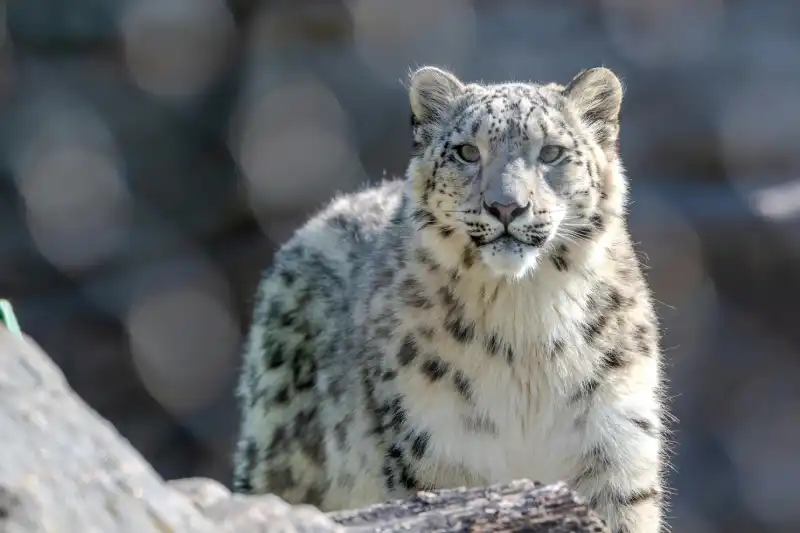
Snow leopards combine power with undeniable cuteness. Their thick, spotted coats and enormous, fluffy tails help them navigate steep mountain terrain in Central Asia.
These solitary cats have rounded faces with large eyes that give them an almost kitten-like appearance, even as adults. Their playful behavior in snow has been captured in numerous viral videos.
Snow leopards wrap their massive tails around their faces for warmth, creating one of nature’s most adorable sleeping positions.
Japanese Snow Monkeys: The Hot Spring Enthusiasts
Japanese macaques, commonly known as snow monkeys, are famous for their love of hot springs during winter months. These red-faced primates have become internet sensations for their relaxed expressions while soaking in natural baths.
Their thick gray-brown fur becomes even fluffier in winter, and baby snow monkeys are particularly endearing as they learn to navigate snowy landscapes. The sight of these cute animals huddled together for warmth melts hearts worldwide.
Snow monkey families display remarkably human-like behaviors, including grooming sessions and playful snowball interactions.
Snowy Owl: Winter’s Elegant Hunter
With their pristine white plumage and striking yellow eyes, snowy owls are among the most beautiful winter birds. These large owls breed in the Arctic tundra and occasionally migrate south during particularly harsh winters.
Their fluffy feathered feet and round faces give them an unexpectedly cute appearance despite their impressive size. Baby snowy owls are bundles of white fluff that look more like animated cotton balls than predators.
Watching a snowy owl silently glide across a snowy field is a magical winter experience.
Harp Seal Pups: The Ultimate Winter Babies
Harp seal pups might be the most universally adored cute animals in winter. Born with fluffy white coats on Arctic ice floes, these pups have large dark eyes and an innocent expression that’s impossible to resist.
The white fur, called lanugo, helps them blend into their icy surroundings and provides insulation during their first weeks of life. As they grow, their coats transition to gray with distinctive harp-shaped markings.
These vulnerable babies depend entirely on their mothers for the first few weeks, creating touching family scenes on the ice.
Red Panda: Year-Round Cuteness, Winter Perfection
Red pandas become even more adorable in winter when their russet-colored fur fluffs up for extra warmth. These tree-dwelling mammals wrap their bushy tails around themselves like scarves during cold mountain nights.
Native to the Himalayas and southwestern China, red pandas navigate snowy bamboo forests with remarkable agility. Their cat-like faces, small rounded ears, and waddling walk make them perpetual favorites among cute animal enthusiasts.
Red pandas often play in snow, rolling and tumbling in ways that seem purely joyful.
Penguin Species: Antarctic Ambassadors of Adorable
Emperor penguins, the largest penguin species, huddle together in massive groups to survive Antarctic winters. Their waddling walk, formal “tuxedo” appearance, and devoted parenting behavior make them incredibly endearing.
Baby emperor penguins are covered in fluffy gray down that makes them look like oversized chicks. The dedication of penguin parents, who take turns traveling vast distances to feed their young, adds an emotional dimension to their cuteness.
Other penguin species, including the smaller Adélie and chinstrap penguins, bring their own brand of charm to polar regions.
Siberian Husky: Domestic Winter Companions
While not wild, Siberian huskies deserve mention as one of the most beloved cute animals perfectly adapted to winter. These energetic dogs have thick double coats, wolf-like features, and often striking blue eyes.
Huskies exhibit pure joy in snowy conditions, making them perfect winter companions for outdoor enthusiasts. Their vocal “talking” and expressive faces create endless entertaining moments.
Watching husky puppies experience their first snow is a guaranteed mood-lifter.
Detailed Winter Animals Guide
| Animal Species | Habitat | Winter Adaptation | Cuteness Factor | Best Viewing Season | Conservation Status |
|---|---|---|---|---|---|
| Arctic Fox | Arctic tundra across North America, Europe, Asia | White winter coat, furry paw pads, fat reserves | 10/10 – Ultimate fluffiness | November – March | Least Concern |
| Snow Leopard | Mountain ranges of Central Asia | Thick fur, large paws for snow walking, long tail for balance | 9/10 – Majestic yet adorable | Year-round (most active dawn/dusk) | Vulnerable |
| Japanese Snow Monkey | Forests and mountains of Japan | Dense fur, social huddling, hot spring usage | 9/10 – Expressive and relatable | December – February | Least Concern |
| Snowy Owl | Arctic tundra, occasional southern migration | White camouflage plumage, feathered feet | 8/10 – Elegant beauty | November – March | Vulnerable |
| Harp Seal Pup | Arctic ice floes of North Atlantic | White insulating fur, rapid weight gain | 10/10 – Peak baby animal cuteness | February – March (pupping season) | Least Concern |
| Red Panda | Himalayan forests and mountains | Extra-fluffy winter coat, tail-wrapping behavior | 10/10 – Perpetually adorable | Year-round (winter fluffiest) | Endangered |
| Emperor Penguin | Antarctic ice shelves | Dense feather layers, communal huddling | 9/10 – Formal and charming | June – August (Antarctic winter) | Near Threatened |
| Siberian Husky | Domesticated, thrives in cold climates | Double-layer coat, high metabolism | 9/10 – Energetic and friendly | Year-round (happiest in winter) | Not Applicable (Domestic) |
Winter vs Summer: Cute Animal Transformations
| Comparison Factor | Winter Characteristics | Summer Characteristics | Which is Cuter? |
|---|---|---|---|
| Coat Thickness | Extra fluffy, dense fur for insulation | Sleeker, thinner coat for heat management | Winter wins for maximum fluffiness |
| Color Patterns | Often white or lighter (camouflage in snow) | Darker or more varied colors | Seasonal tie – each has unique beauty |
| Body Shape | Rounder appearance due to fat reserves and puffed fur | Leaner, more defined features visible | Winter for teddy bear appeal |
| Behavior | Playful snow activities, huddling for warmth | Active foraging, swimming, sunbathing | Winter for photogenic snow play |
| Baby Animals | Specific species birth in winter (seals, some penguins) | Many species birth in spring/summer | Depends on species preference |
| Visibility | Easier to spot against white backgrounds | Better camouflaged in varied terrain | Winter for photography opportunities |
| Energy Levels | Conservation mode for some species | High activity for most species | Summer for action shots |
| Social Interactions | More huddling and group behavior | More independent behavior in many species | Winter for heartwarming group scenes |
Where to See Cute Animals in Winter
Arctic and Subarctic Regions
The far north offers unparalleled opportunities to observe winter-adapted cute animals in their natural habitats. Churchill, Manitoba is known as the “Polar Bear Capital” but also hosts Arctic foxes and snowy owls.
Norway’s Svalbard archipelago provides chances to see Arctic wildlife against dramatic icy backdrops. Alaska’s national parks showcase winter animals from moose to ptarmigan.
Mountain Destinations
High-altitude regions are home to some of the world’s most charming winter species. Japan’s Jigokudani Monkey Park allows visitors to watch snow monkeys in hot springs up close.
The Himalayas offer potential red panda sightings, though these shy creatures require patience and luck. Rocky Mountain national parks host winter-adapted elk, bighorn sheep, and smaller mammals.
Wildlife Sanctuaries and Zoos
For guaranteed cute animal encounters without extreme travel, many quality zoos and sanctuaries maintain winter-adapted species. These facilities often provide educational programs about cold-weather survival strategies.
Rehabilitation centers for injured wildlife sometimes offer viewing opportunities while respecting animal welfare and recovery needs.
Photography Tips for Winter Animals
Equipment Essentials
Capturing cute animals in winter requires preparation. Use fast shutter speeds to freeze playful movement in snow, and bring extra batteries as cold depletes them quickly.
A telephoto lens allows respectful distance while capturing intimate portraits. Weather-sealed cameras protect equipment from snow and moisture.
Timing and Lighting
Winter’s lower sun angle creates beautiful golden light for photography. Early morning and late afternoon provide the most flattering illumination for snowy scenes.
Overcast days offer soft, even lighting that prevents harsh shadows on white fur. Be patient and ready for spontaneous moments of animal behavior.
Ethical Wildlife Photography
Never disturb animals for photos. Maintain appropriate distances, especially with mothers and young. Avoid using flash, which can frighten or disorient wildlife.
Research animal behavior beforehand to anticipate photo opportunities without causing stress. The best wildlife photos come from observation and patience, not interference.
Conservation Concerns for Winter Species
Climate Change Impacts
Many cute animals adapted to winter face existential threats from warming temperatures. Arctic ice loss affects seal breeding grounds and polar bear hunting territories.
Earlier springs and later winters disrupt migration patterns and food availability. Snow-dependent species lose camouflage advantages as snow cover decreases.
How You Can Help
Supporting conservation organizations makes a real difference for winter wildlife. Choose organizations with transparent funding and proven track records in habitat protection.
Reduce your carbon footprint to slow climate change affecting polar and mountain ecosystems. Educate others about the importance of preserving winter habitats.
Responsible tourism that follows ethical wildlife viewing guidelines can provide economic incentives for conservation while creating positive experiences.
Winter Animal Behavior to Watch For
Playfulness in Snow
Many cute animals exhibit genuine playfulness in winter conditions. Otters slide down snowy banks repeatedly, seeming to enjoy the activity beyond any practical purpose.
Fox kits pounce and wrestle in snow, developing hunting skills while looking adorably clumsy. Even serious predators like snow leopards have been filmed rolling and playing in fresh powder.
Survival Strategies
Watching winter animals employ survival techniques provides educational entertainment. Squirrels retrieve cached nuts under feet of snow with remarkable accuracy.
Birds fluff their feathers to trap warm air, doubling their apparent size and cuteness. Deer paw through snow to reach buried vegetation, demonstrating determined resourcefulness.
Social Bonding
Cold weather encourages touching displays of companionship. Otters hold hands while sleeping to avoid drifting apart. Prairie dogs huddle in underground burrows, emerging together to forage.
These cooperative behaviors remind us that cuteness and community often go together in nature.
Creating Your Own Winter Animal Experiences
Backyard Wildlife Watching
You don’t need exotic travel to enjoy cute animals in winter. Set up bird feeders to attract cardinals, chickadees, and other colorful winter birds.
Provide fresh water sources when natural supplies freeze. Create brush piles for small mammals seeking shelter from cold weather.
Document visiting species with photos or a nature journal to deepen your appreciation for local winter wildlife.
Winter Hiking and Nature Walks
Many parks and nature preserves offer winter hiking with animal tracking opportunities. Fresh snow reveals the secret lives of nocturnal and shy species through their prints.
Dress appropriately and bring binoculars for distant observations. Early morning walks offer the best chances for animal sightings.
Virtual Wildlife Experiences
Live wildlife cameras allow you to observe cute animals in winter from the comfort of home. Many zoos, nature centers, and research stations stream 24/7 feeds.
Follow wildlife photographers and conservationists on social media for daily doses of winter animal content with educational context.
The Science Behind Winter Cuteness
Why We Find Winter Animals Irresistible
Humans are evolutionarily programmed to respond to “baby schema” – features like large eyes, round faces, and small bodies. Winter animals often exhibit these characteristics enhanced by fluffy coats.
The contrast of vulnerable-looking creatures thriving in harsh conditions triggers our protective instincts. This emotional response can inspire conservation action when channeled appropriately.
Adaptations That Increase Adorability
Many winter survival features accidentally enhance cuteness. Thick fur, small ears (reducing heat loss), and compact bodies all align with what humans find appealing.
Animals that store fat for winter develop rounder profiles. Species that huddle for warmth create heart-melting group photos that viral content is made of.
Conclusion: Celebrating Winter’s Cutest Residents
Cute animals in winter remind us of nature’s incredible resilience and diversity. These snowy species have evolved remarkable adaptations that happen to make them even more endearing to human observers.
From the Arctic fox’s transformative white coat to the snow monkey’s hot spring relaxation, winter wildlife offers endless fascination and joy. By learning about these animals, we deepen our connection to the natural world and our commitment to its preservation.
This winter, take time to appreciate the cute animals that make cold months magical. Whether through wildlife photography, ethical tourism, or simply enjoying quality nature content, celebrating these species enriches our lives while supporting their conservation.
The next snowfall might reveal tracks of local winter residents you’ve never noticed. Stay curious, stay respectful, and let the cuteness of winter animals brighten even the coldest days.
You May Also Like