Cute Animals and Their Surprising Superpowers
Our Talented Team Members
This section provides a brief overview of the talented professionals on our team.

Team Member One
Job Title One
This team member brings years of experience and a wealth of knowledge.

Team Member Two
Job Title Two
This team member is known for their creativity and problem-solving skills.

Team Member Three
Job Title Three
This team member specializes in technical expertise and innovative solutions.

Team Member Four
Job Title Four
This team member excels in leadership and strategic thinking.
Behind every adorable face in the animal kingdom lies an extraordinary set of abilities that would make any superhero jealous. From tiny frogs that can freeze solid and survive to fluffy sea otters with built-in tool-using skills, cute animals possess remarkable superpowers that help them thrive in challenging environments.
These aren’t just party tricks—these abilities represent millions of years of evolution, creating some of nature’s most impressive survival strategies wrapped in irresistibly cute packages.
Why Cute Animals Need Superpowers
Nature doesn’t hand out adorableness without purpose. Many cute animals are small, seemingly defenseless creatures that need extraordinary abilities to survive in a world full of predators and environmental challenges.
Their superpowers range from biological marvels like regeneration and echolocation to behavioral adaptations like tool use and complex communication. Understanding these abilities gives us a deeper appreciation for the remarkable creatures sharing our planet.
The Most Surprising Animal Superpowers
Axolotls: The Regeneration Masters
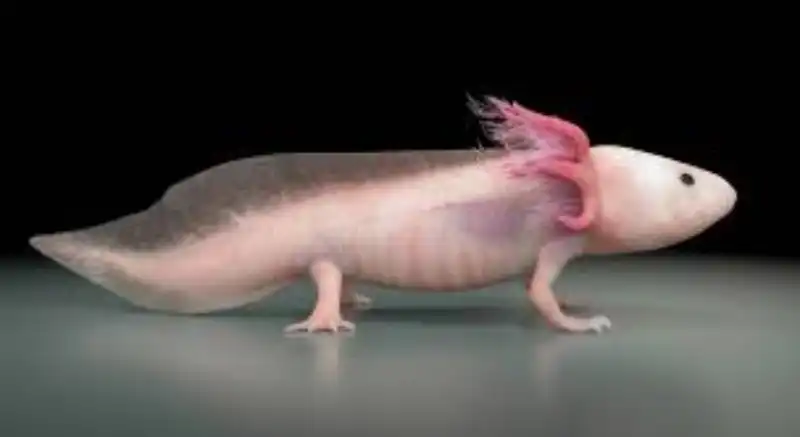
These perpetually smiling salamanders possess one of nature’s most incredible superpowers—complete regeneration. Axolotls can regrow entire limbs, parts of their brain, heart, and spinal cord without scarring.
Unlike most amphibians, axolotls remain in their larval form throughout their lives, a phenomenon called neoteny. Their pink, feathery external gills give them an otherworldly appearance that captivates aquarium enthusiasts worldwide.
Scientists study axolotls intensively, hoping to unlock secrets that could revolutionize human medicine and tissue regeneration.
Sea Otters: Master Tool Users
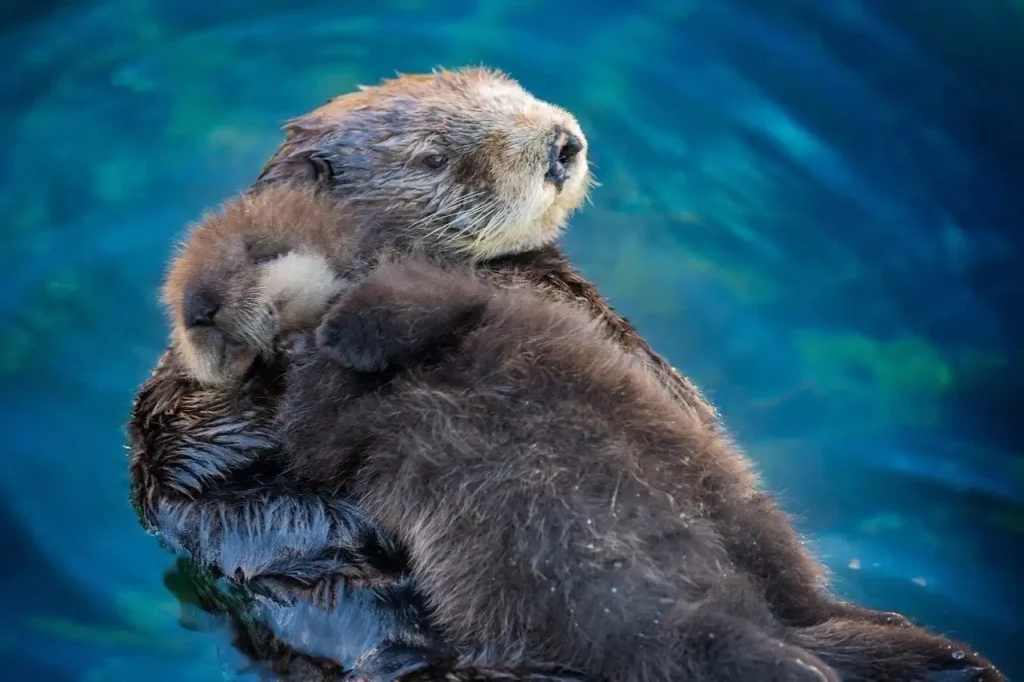
With their fluffy fur and habit of holding hands while sleeping, sea otters seem like nature’s teddy bears. But these marine mammals are sophisticated tool users who carry rocks to crack open shellfish.
Sea otters have the densest fur of any animal, with up to one million hairs per square inch. This incredible insulation allows them to survive in frigid ocean waters without the blubber layer used by other marine mammals.
They’re also keystone species, maintaining healthy kelp forests by controlling sea urchin populations. Remove sea otters, and entire ecosystems collapse.
Tardigrades: Indestructible Water Bears
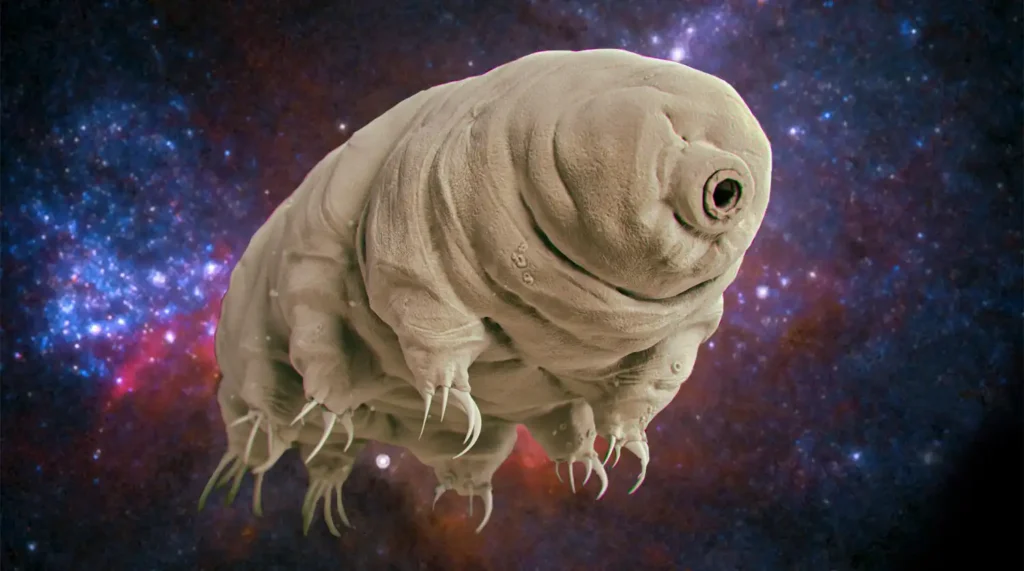
These microscopic creatures, often called water bears or moss piglets, are impossibly cute under a microscope—and virtually indestructible. Tardigrades can survive extreme temperatures from near absolute zero to boiling, withstand radiation levels that would kill humans instantly, and survive without food or water for decades.
Their secret? When conditions become harsh, tardigrades enter a state called cryptobiosis, essentially suspending all metabolic processes. They’ve even survived exposure to the vacuum of space.
Despite being only 0.5mm long, these tiny titans prove that size doesn’t determine survival capabilities.
Sugar Gliders: Built-in Parachutes
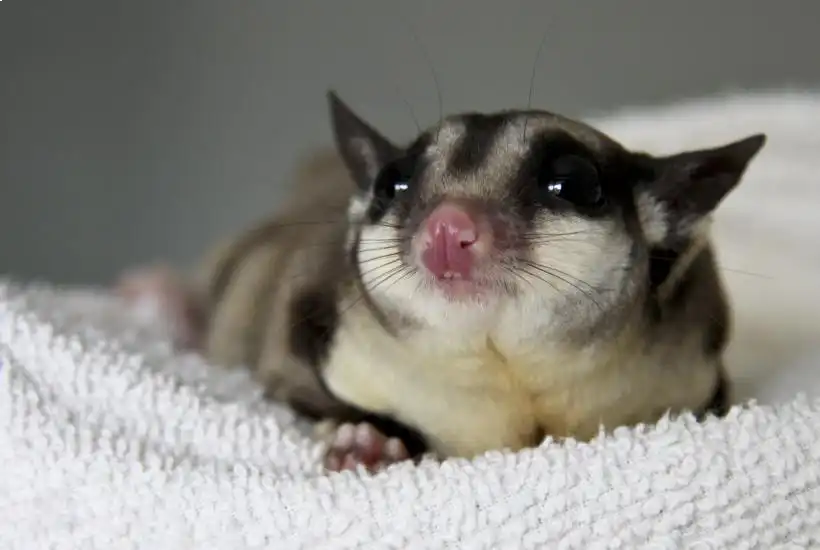
These pocket-sized marsupials have enormous eyes and a furry membrane called a patagium that stretches from wrist to ankle, allowing them to glide up to 150 feet between trees.
Sugar gliders are highly social and communicate through a variety of sounds, including barking and chirping. They’re also incredibly agile, able to change direction mid-glide by adjusting their limbs and tail.
Their name comes from their preference for sweet foods like nectar and sap, which they locate using their exceptional sense of smell.
Hummingbirds: Helicopter Mode Activated
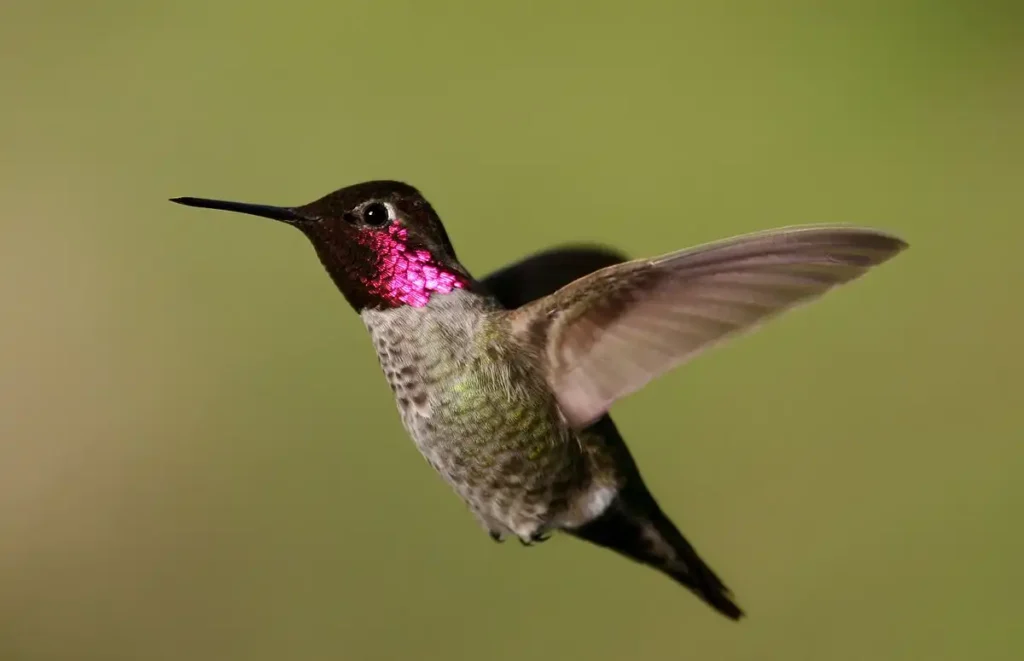
These tiny jewels of the bird world can fly backwards, upside down, and hover in place—abilities unmatched by almost any other bird. Their wings beat up to 80 times per second, creating the distinctive humming sound.
Hummingbirds have the highest metabolism of any animal relative to their size, with hearts that beat over 1,200 times per minute during flight. They must consume half their body weight in sugar daily just to survive.
Despite weighing less than a nickel, some species migrate over 2,000 miles, including non-stop flights across the Gulf of Mexico.
Platypuses: Nature’s Mashup Masters
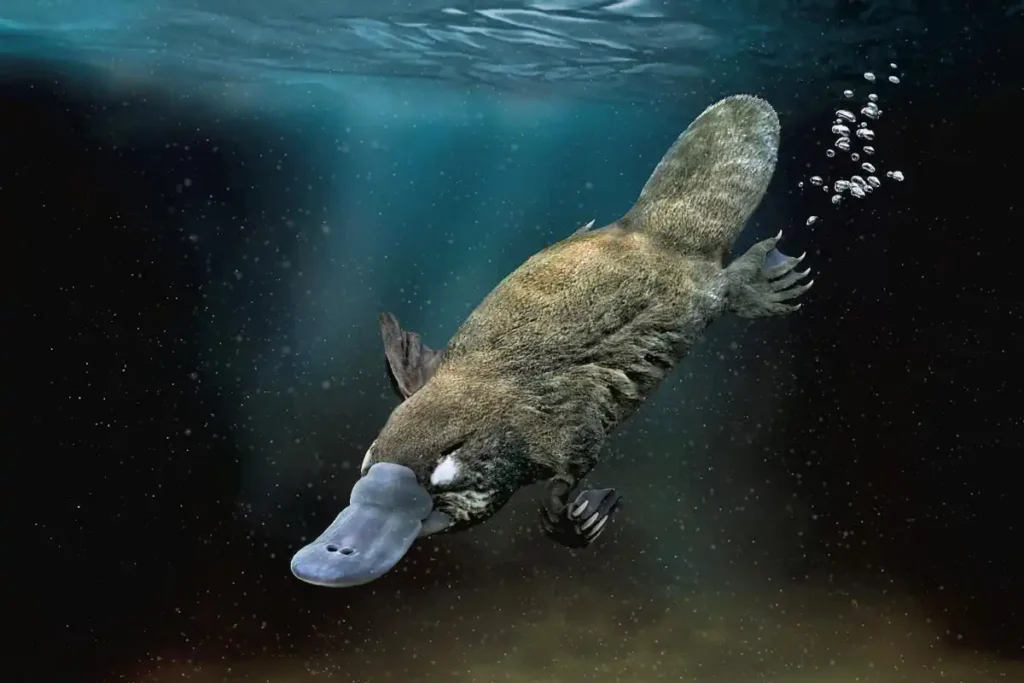
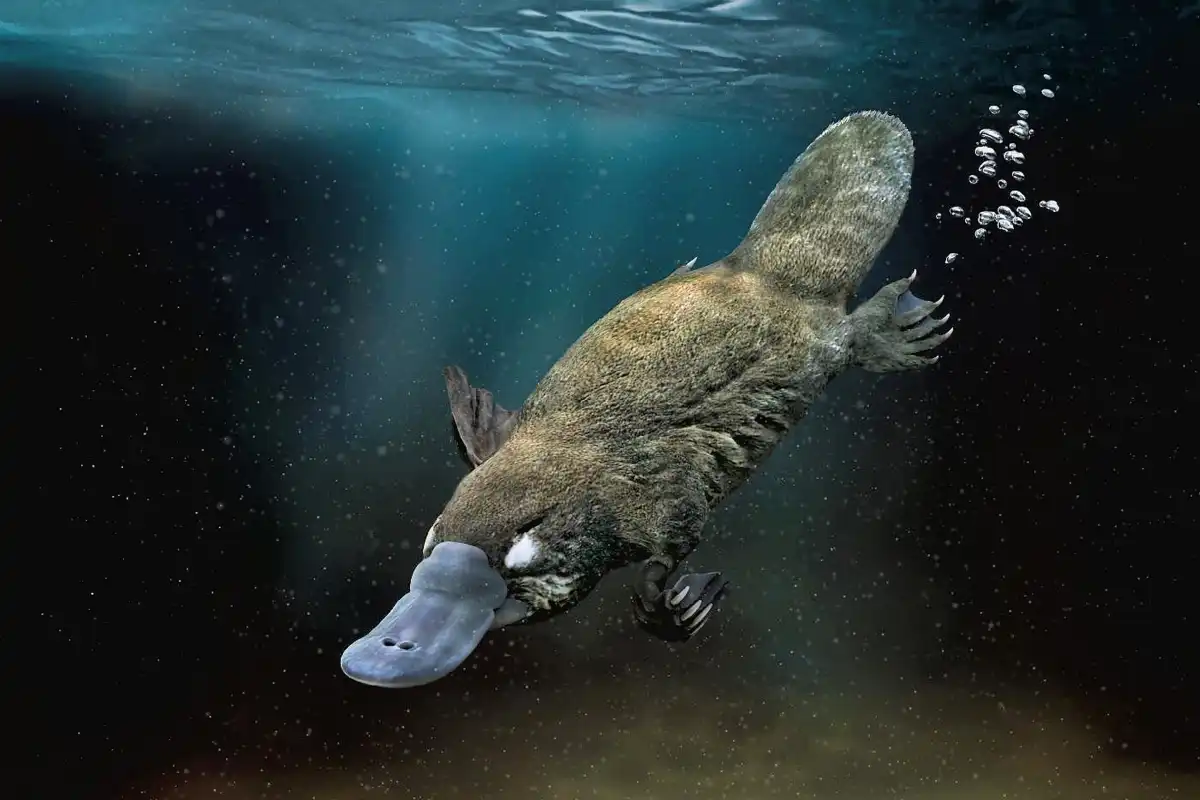
Part duck, part beaver, part otter—the platypus defies categorization. These egg-laying mammals possess electroreception, detecting electrical fields generated by muscle contractions in prey animals.
Male platypuses also have venomous spurs on their hind legs, making them one of the few venomous mammals. The venom isn’t lethal to humans but causes excruciating pain.
With their adorable duck bill and beaver tail, platypuses prove that evolution has a sense of humor alongside its engineering genius.
Fennec Foxes: Built-in Cooling Systems
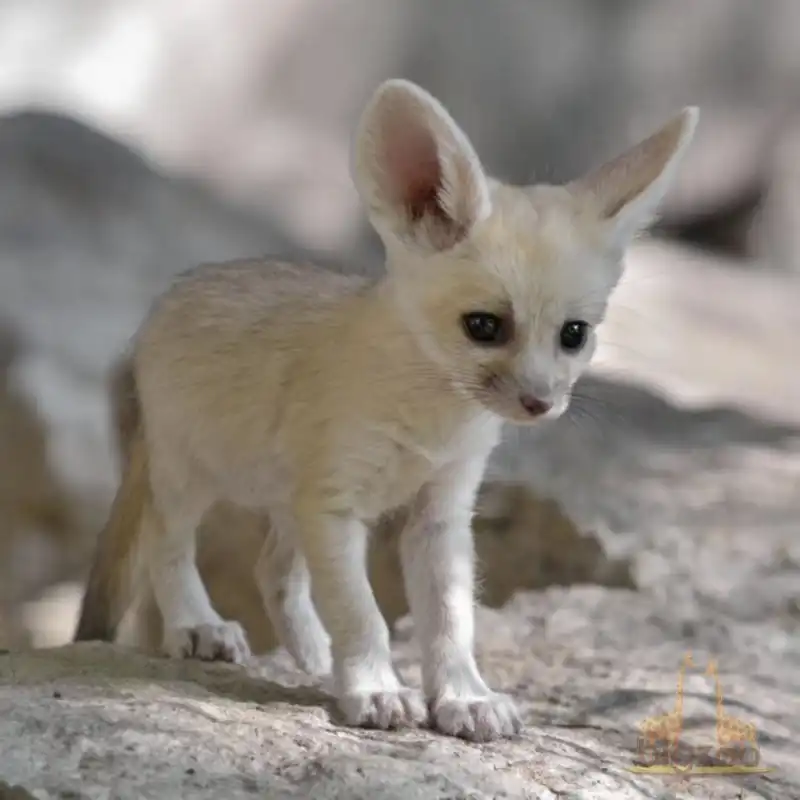
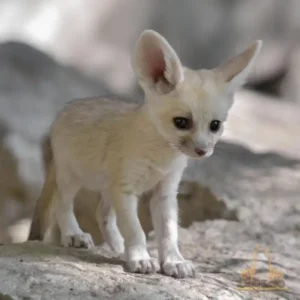
These pint-sized desert dwellers sport comically oversized ears that serve a crucial purpose beyond looking adorable. Their ears, which can be half as long as their body, act as radiators to dissipate heat in scorching desert environments.
Fennec foxes can also hear prey moving underground, using those massive ears as sophisticated listening devices. Their kidneys are specially adapted to conserve water, allowing them to survive with minimal drinking.
Thick fur on their feet protects them from burning desert sand, while their cream-colored coat reflects sunlight.
Red Pandas: Grip Masters with Pseudo-Thumbs
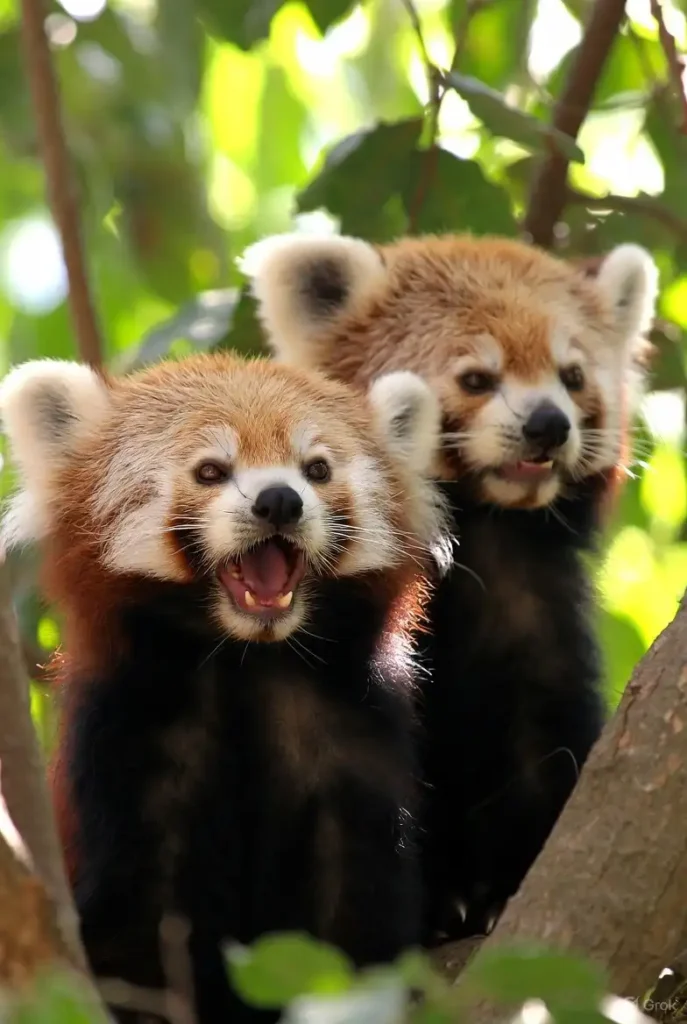
Not actually related to giant pandas, these tree-dwelling mammals possess a “false thumb”—an extended wrist bone that helps them grip bamboo and navigate branches with incredible dexterity.
Red pandas have partially retractable claws and can rotate their ankles to control their descent when climbing down trees headfirst. Their bushy tails help with balance and serve as a warm blanket in cold weather.
They also have taste receptors sensitive to artificial sweeteners, a rare trait in carnivores that hints at their specialized diet.
Exploring Cute Animals and Their Surprising Abilities
| Animal | Size/Weight | Primary Superpower | Secondary Abilities | Cuteness Element |
|---|---|---|---|---|
| Axolotl | 9-12 inches | Complete limb and organ regeneration | Can accept organ transplants from other axolotls | Permanent smile, feathery gills |
| Sea Otter | 4 feet, 65 lbs | Tool use with rocks | Densest fur in animal kingdom, float while sleeping | Hand-holding behavior, facial expressions |
| Tardigrade | 0.5mm | Survives space vacuum and extreme temperatures | Can live 30 years without food/water | Chubby bear-like appearance under microscope |
| Sugar Glider | 5-6 inches | Gliding up to 150 feet | 360-degree head rotation | Enormous eyes, pocket-sized |
| Hummingbird | 3-4 inches | Backward and upside-down flight | Heart beats 1,200 times per minute | Iridescent feathers, tiny size |
| Platypus | 20 inches | Electroreception for hunting | Venomous spurs, egg-laying mammal | Duck bill, beaver tail combination |
| Fennec Fox | 8 inches, 2-3 lbs | Ears regulate body temperature | Can hear prey underground | Oversized ears, tiny body |
| Red Panda | 20-26 inches | False thumb for gripping | Ankle rotation for headfirst descents | Russet fur, masked face |
| Octopus | Varies | Color-changing camouflage | Can squeeze through tiny spaces, uses tools | Expressive eyes, gentle movements |
| Slow Loris | 10-15 inches | Venomous bite (rare in primates) | Can remain motionless for hours | Large round eyes, slow graceful movements |
Surprising Superpowers: How Cute Animals Use Their Abilities
| Superpower Category | Animals | How It Works | Survival Benefit | Cool Factor |
|---|---|---|---|---|
| Regeneration | Axolotls, Starfish, Planarians | Stem cells rapidly differentiate into needed tissues | Survive predator attacks, heal injuries | Can regrow entire body parts perfectly |
| Echolocation | Bats, Dolphins, Shrews | Emit sounds and interpret echoes for navigation | Hunt in complete darkness, avoid obstacles | See with sound like living sonar |
| Electroreception | Platypuses, Echidnas, Sharks | Detect electrical fields from muscle contractions | Find hidden prey in murky water | Hunt with eyes closed |
| Tool Use | Sea Otters, Crows, Elephants | Manipulate objects to achieve goals | Access food sources others cannot | Shows advanced intelligence |
| Hibernation/Torpor | Bears, Chipmunks, Hummingbirds | Dramatically lower metabolism | Survive months without food | Body temperature drops to near-freezing |
| Bioluminescence | Fireflies, Some Squid, Mushrooms | Produce light through chemical reactions | Attract mates, lure prey, communicate | Living nightlights |
| Venom Production | Slow Loris, Platypus, Some Shrews | Specialized glands produce toxic proteins | Defense and subduing prey | Unexpected in such cute creatures |
| Extreme Temperature Tolerance | Tardigrades, Fennec Foxes, Arctic Foxes | Specialized proteins and metabolic adaptations | Thrive in inhospitable environments | Survive absolute zero to boiling |
| Flight Mastery | Hummingbirds, Bats, Flying Squirrels | Unique wing structures and movements | Escape predators, efficient foraging | Impossible aerobatics |
| Camouflage | Chameleons, Octopuses, Cuttlefish | Chromatophores change skin color instantly | Hide from predators and ambush prey | Like having an invisibility cloak |
Defensive Superpowers in Cute Packages
The Slow Loris: Adorable but Armed
With their enormous eyes and slow, deliberate movements, slow lorises look like living plush toys. But they possess a rare and unexpected superpower—venom. These primates have a gland near their elbows that produces a toxin, which they lick and mix with saliva to create a venomous bite.
This defense mechanism keeps predators at bay despite the slow loris’s inability to flee quickly. Sadly, their cuteness has made them targets for the illegal pet trade, devastating wild populations.
Pufferfish: Inflation Defense System
Baby pufferfish are undeniably adorable with their chubby bodies and curious expressions. When threatened, these fish can inflate to several times their normal size by gulping water, making them impossible for predators to swallow.
Many pufferfish species are also highly toxic, containing tetrodotoxin—one of nature’s deadliest poisons. Despite this, pufferfish meat is a delicacy in Japan, where specially trained chefs prepare it safely.
Sensory Superpowers
Star-Nosed Moles: Touch at Lightning Speed
These peculiar creatures sport 22 fleshy tentacles around their noses, creating a star-shaped pattern. This nose is the most sensitive touch organ in the animal kingdom, with over 100,000 nerve fibers.
Star-nosed moles can identify and consume prey in under a quarter of a second, making them the fastest-eating mammals on Earth. They hunt in complete darkness, relying entirely on their remarkable sense of touch.
Mantis Shrimp: Seeing Beyond Human Perception
Though crustaceans rather than typically “cute” animals, mantis shrimp have the most complex eyes in the animal kingdom. They can see polarized light and perceive colors humans can’t imagine, including ultraviolet and infrared wavelengths.
Their eyes move independently, can perceive depth with a single eye, and process visual information faster than any other animal. They’re also incredibly strong, with club-like appendages that strike with the force of a bullet.
Physical Superpowers
Geckos: Gravity-Defying Climbers
With their enormous eyes and perpetual smiles (they lack eyelids and lick their eyes to keep them clean), geckos are impossibly cute. Their superpower? They can walk on walls and ceilings thanks to millions of microscopic hairs on their toe pads.
Each hair branches into hundreds of even tinier tips that use van der Waals forces to stick to virtually any surface. A gecko’s feet are so powerful that all four feet combined could support 280 pounds.
Scientists are developing adhesives inspired by gecko feet, creating removable, reusable sticky materials.
Fleas: Mighty Jumpers
While not traditionally cute, fleas under a microscope have amusing, alien-like features. Their superpower is extraordinary: they can jump 150 times their own height and 200 times their body length.
If humans had equivalent jumping ability, we could leap over skyscrapers. Fleas accomplish this using a protein called resilin in their legs, which stores and releases energy like a spring.
Social and Cognitive Superpowers
Elephants: Memory Masters
Baby elephants, with their oversized ears and clumsy trunks, are undeniably adorable. Adult elephants possess extraordinary memory, never forgetting faces, places, or experiences even decades later.
They demonstrate empathy, mourning their dead and showing concern for injured herd members. Elephants can also communicate through infrasound—low-frequency calls that travel miles, allowing herds to coordinate across vast distances.
Their trunks contain over 40,000 muscles, making them one of nature’s most versatile tools for everything from delicate leaf-plucking to uprooting trees.
Crows: Problem-Solving Geniuses
Young crows are fluffy, awkward bundles of feathers that mature into some of nature’s smartest creatures. Crows can solve multi-step puzzles, use tools, recognize human faces, and hold grudges for years.
They’ve been observed making hooks from wire to retrieve food, using cars to crack nuts by placing them in traffic, and even teaching these skills to their offspring. Crows demonstrate understanding of water displacement, a cognitive ability that rivals young children.
Chemical Superpowers
Bombardier Beetles: Chemical Weapon Masters
These small beetles can spray boiling, noxious chemicals at predators with remarkable accuracy. They mix two chemicals in a special chamber, creating an explosive reaction that fires at 212°F (100°C).
The spray can be aimed in any direction, and the beetle can fire up to 20 times before depleting its reserves. This defensive mechanism is so effective that few predators attempt to eat bombardier beetles twice.
Skunks: Olfactory Warfare
Baby skunks are irresistibly fluffy and playful, but they’re born with one of nature’s most potent defensive weapons. Skunk spray can be detected by humans up to a mile away and causes intense burning and temporary blindness.
The spray’s active ingredient, thiols, binds strongly to proteins, making it notoriously difficult to remove. Despite this fearsome ability, skunks are generally docile and warn potential threats before spraying.
Survival Superpowers
Wood Frogs: Freeze and Thaw
These small frogs survive winter by literally freezing solid. Ice forms throughout their bodies, their hearts stop beating, and they cease breathing. Come spring, they thaw out completely unharmed.
Special proteins and high glucose concentrations protect their cells from damage during freezing. This remarkable ability allows wood frogs to survive in harsh climates where other amphibians cannot.
Camels: Desert Endurance Champions
Baby camels are gangly and endearing, with long eyelashes and gentle expressions. Adult camels can survive weeks without water and withstand losing 40% of their body weight through dehydration—a level that would kill most animals.
Their humps store fat (not water), which provides energy during lean times. Camels can also regulate their body temperature to avoid sweating during the day, conserving precious water.
How Scientists Study Animal Superpowers
Biomimicry: Learning from Nature
Researchers study animal superpowers to develop new technologies. Gecko feet inspire adhesives, sharkskin reduces drag on ships and aircraft, and spider silk could revolutionize materials science.
The axolotl’s regenerative abilities offer hope for human tissue regeneration and organ repair. Understanding how tardigrades survive extreme conditions might help preserve vaccines without refrigeration.
Conservation Through Understanding
Documenting animal superpowers highlights the importance of biodiversity. Each species represents millions of years of evolutionary problem-solving, and losing them means losing potential solutions to human challenges.
Many animals with remarkable abilities are endangered. Protecting their habitats ensures these natural treasures remain available for study and appreciation.
Cute Animals Teaching Us Important Lessons
Adaptability is Key
Every animal superpower represents a solution to environmental challenges. From desert heat to arctic cold, from predator pressure to food scarcity, these abilities show nature’s incredible problem-solving capacity.
Cute animals prove that success doesn’t require size or strength—it requires the right adaptations for your specific ecological niche.
Interconnected Ecosystems
Many superpowers serve ecosystem functions beyond individual survival. Sea otters maintain kelp forests, bats control insect populations, and bees pollinate plants. These abilities make their bearers irreplaceable ecosystem engineers.
Understanding these connections emphasizes why protecting even the smallest, cutest creatures matters for planetary health.
Protecting Animals with Superpowers
Threats to Remarkable Species
Many animals with extraordinary abilities face extinction. Habitat loss, climate change, pollution, and illegal wildlife trade threaten populations worldwide.
The slow loris, despite its venomous bite, cannot defend itself against poachers. Axolotls are critically endangered in the wild, surviving mainly in captivity. Even common species like bats face devastating diseases and habitat destruction.
How You Can Help
Support conservation organizations working to protect endangered species. Choose sustainable products that don’t harm wildlife habitats. Educate others about the remarkable abilities of cute animals and why they deserve protection.
Never purchase wild-caught exotic animals as pets, as this trade drives many species toward extinction. Report illegal wildlife sales and support ethical zoos and aquariums that participate in breeding programs.
Raising Awareness Through Social Media
Sharing the Wonder
Wildlife photographers and videographers share amazing footage of animal superpowers in action. Slow-motion videos of hummingbird flight, time-lapses of chameleon color changes, and underwater footage of octopus camouflage educate and inspire millions.
These glimpses into animal abilities foster appreciation and support for conservation efforts. They remind us that our planet is full of wonders worth protecting.
The Future of Animal Superpower Research
Unlocking Medical Breakthroughs
Studying axolotl regeneration could lead to treatments for spinal cord injuries, heart disease, and limb loss. Research on hibernating animals might improve organ preservation for transplants.
Understanding how tardigrades survive extreme conditions could protect astronauts during space exploration or preserve biological materials in harsh environments.
Technology Inspired by Nature
Engineers increasingly look to animal superpowers for innovation. Robotic designs mimic animal movements, sensors copy animal perception, and materials science learns from biological structures.
Future technologies might include gecko-inspired climbing equipment, chameleon-inspired adaptive camouflage, and octopus-inspired flexible robotics.
Conclusion: Respecting Nature’s Super-Powered Cuties
Cute animals are far more than adorable faces—they’re sophisticated survival machines with abilities that challenge our understanding of biology. From regeneration to electroreception, from extreme temperature tolerance to chemical warfare, these creatures prove that evolution creates solutions more remarkable than any superhero fiction.
Every species with superpowers represents invaluable scientific knowledge and ecosystem services. By appreciating both their cuteness and their capabilities, we develop a deeper respect for biodiversity and the urgent need for conservation.
The next time you encounter a cute animal, remember: behind those big eyes and fluffy fur might be superpowers that would make Marvel Comics jealous. These natural wonders deserve our admiration, protection, and commitment to ensuring they thrive for generations to come.
You May Also Like