Amazing Animals With Unusual Superpowers – Wildlife Documentary HD
Welcome to a stunning exploration of nature’s most extraordinary creatures. In crisp high-definition clarity, we reveal animals possessing abilities that defy logic and challenge our understanding of biology. From invisible octopuses to immortal jellyfish, these remarkable creatures showcase evolution’s most innovative solutions.
This documentary journey takes you across continents and beneath oceans to witness superpowers that would make any comic book hero jealous. Prepare to see the natural world through a lens of wonder as we uncover the science behind these incredible adaptations.
The Science Behind Animal Superpowers
Evolution doesn’t create superpowers for entertainment—every extraordinary ability serves a crucial survival purpose. Over millions of years, natural selection has refined these capabilities, turning simple adaptations into biological marvels.
Modern HD filming technology finally allows us to capture these abilities in unprecedented detail. Slow-motion cameras reveal hummingbird wing mechanics. Infrared imaging shows how snakes see heat. Underwater HD footage brings deep-sea creatures into focus like never before.
Scientists continue discovering new animal superpowers regularly. Each revelation expands our understanding of what’s biologically possible and inspires technological innovations that benefit humanity.
Chapter 1: Masters of Invisibility
Mimic Octopuses: Shape-Shifting Underwater
The mimic octopus possesses perhaps nature’s most impressive camouflage abilities. This cephalopod doesn’t just change color—it transforms its entire body shape and behavior to impersonate at least 15 different species.
Watch in HD as this octopus flattens itself against the seafloor, mimicking a stingray. Seconds later, it bunches its tentacles to impersonate a venomous sea snake. It can even imitate lionfish, sole fish, and jellyfish with stunning accuracy.
Their skin contains millions of specialized cells called chromatophores, iridophores, and leucophores that change color and reflectivity instantly. The octopus brain processes visual information and coordinates these cells in real-time, creating seamless transformations.
Cuttlefish: Living Mood Rings
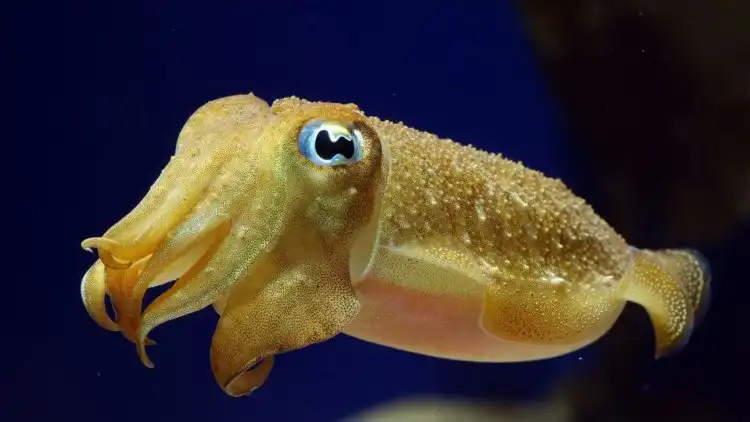
Cuttlefish take camouflage beyond mere concealment—they use it for communication, hunting, and hypnosis. HD footage reveals their skin rippling with waves of color that mesmerize prey into motionless confusion.
These intelligent cephalopods can display different patterns on each side of their body simultaneously. A cuttlefish might show aggression to a rival on one side while courting a female on the other.
The most remarkable aspect? Cuttlefish are colorblind. They achieve their spectacular color matching using texture detection and light polarization, not color vision as scientists originally assumed.
Leaf-Tailed Geckos: Nature’s Perfect Disguise
Found only in Madagascar, leaf-tailed geckos have evolved to look exactly like dead leaves or tree bark. Their flattened bodies, irregular edges, and mottled coloration create flawless camouflage.
Close-up HD filming reveals incredible detail—fake “rot spots,” vein-like patterns, and even moss-like skin texture. When pressed against tree bark, these geckos become virtually invisible even from inches away.
They remain motionless for hours, their only movement being the slow blink of enormous eyes adapted for nocturnal hunting.
Chapter 2: Extreme Sensory Abilities
Mantis Shrimp: Seeing Beyond Human Perception
Mantis shrimp possess the most complex eyes in the animal kingdom. While humans have three color receptors, mantis shrimp have 12-16, allowing them to see colors we can’t imagine.
They perceive ultraviolet light, infrared, and polarized light in ways no other creature can. Our HD cameras can only hint at what mantis shrimp actually see—their visual world remains largely beyond our technological capability to reproduce.
These crustaceans also pack the ocean’s most powerful punch. Their club-like appendages strike with the force of a .22 caliber bullet, creating cavitation bubbles that generate light and heat. The impact can shatter aquarium glass.
Star-Nosed Moles: Touch at Light Speed
The star-nosed mole’s bizarre nose contains 22 pink tentacles covered with over 100,000 sensory receptors—more than in the entire human hand. This creates the most sensitive touch organ known to science.
High-speed HD footage reveals these moles identifying and consuming prey in under 230 milliseconds—faster than human visual perception. They’re the world’s fastest-eating mammals, processing 13 potential food items per second.
Their brain dedicates enormous processing power to interpreting nose data, creating a “touch picture” of their underground world in complete darkness.
Pit Vipers: Thermal Vision
Pit vipers have heat-sensing organs between their eyes and nostrils that detect temperature differences as small as 0.003°C. This allows them to “see” the heat signatures of warm-blooded prey in total darkness.
Thermal imaging cameras approximate what pit vipers perceive—a world painted in temperature gradients. Mice, birds, and other prey glow like beacons against cooler backgrounds.
Combined with infrared sensitivity, pit vipers essentially have two visual systems: one for normal light and one for thermal radiation. This gives them 24/7 hunting capabilities unmatched by non-thermal predators.
Electric Fish: Navigating with Electricity
Electric eels, knife fish, and elephant fish generate electrical fields around their bodies, then sense distortions in these fields to navigate and locate prey in murky water.
This electrolocation is so precise that electric fish can distinguish between different materials, sizes, and even the electrical properties of living tissue versus non-living objects.
The electric eel takes this further, generating shocks up to 860 volts—enough to stun a horse. They use weaker electrical pulses for navigation and communication, reserving full voltage for hunting and defense.
Exploring Amazing Animals With Unusual Superpowers
| Animal | Superpower Category | Specific Ability | Scientific Explanation | Where to Film |
|---|---|---|---|---|
| Mimic Octopus | Camouflage & Mimicry | Impersonates 15+ species | Chromatophores and flexible body structure | Indo-Pacific waters |
| Mantis Shrimp | Super Vision | 12-16 color receptors, polarized light vision | Complex eye structure with specialized photoreceptors | Tropical coral reefs |
| Electric Eel | Electrogenesis | 860-volt electric discharge | Specialized electrocyte cells in series | Amazon River basin |
| Lyrebird | Vocal Mimicry | Perfect reproduction of any sound | Highly developed syrinx (vocal organ) | Australian forests |
| Pistol Shrimp | Sonic Weapon | Creates 210-decibel cavitation bubbles | Specialized claw snaps at supersonic speed | Coral reefs worldwide |
| Turritopsis Jellyfish | Biological Immortality | Reverts to juvenile stage indefinitely | Cellular transdifferentiation | Oceans worldwide |
| Tardigrades | Extreme Survival | Survives space vacuum, extreme temperatures | Cryptobiosis and protective proteins | Everywhere, even space |
| Archerfish | Precision Projectile | Shoots water to knock down insects | Specialized mouth structure and aim calculation | Southeast Asian rivers |
| Bombardier Beetle | Chemical Warfare | Sprays boiling toxic chemicals | Two-chambered reaction in abdomen | Worldwide distribution |
| Peregrine Falcon | Speed | 240 mph diving speed | Streamlined body and specialized respiratory system | Cliffs and urban areas globally |
| Box Jellyfish | Venom Potency | Most venomous marine animal | Nematocysts inject powerful neurotoxins | Indo-Pacific oceans |
| Basilisk Lizard | Water Walking | Runs across water surface | Rapid leg movement creates air pockets | Central American rainforests |
Wildlife Documentary HD: Filming Techniques and Technology
| Documentary Element | Equipment Used | Purpose | Challenges | Best Results |
|---|---|---|---|---|
| Ultra-Slow Motion | High-speed cameras (1000+ fps) | Capture rapid movements invisible to naked eye | Requires intense lighting, large file sizes | Hummingbird flight, predator strikes, insect behavior |
| Macro Photography | Specialized macro lenses, focus stacking | Reveal microscopic detail in small creatures | Tiny depth of field, subject movement | Insect eyes, cellular processes, texture details |
| Underwater 4K/8K | Waterproof housings, specialized lighting | Crystal-clear marine life footage | Pressure limitations, light absorption, particle suspension | Coral reefs, deep sea creatures, marine behavior |
| Thermal Imaging | FLIR cameras, infrared sensors | Show heat signatures and nocturnal hunting | Limited resolution, expensive equipment | Nocturnal predators, thermoregulation, prey detection |
| Drone Aerial | 4K/8K drones with stabilization | Capture migration patterns and landscapes | Weather dependent, wildlife disturbance concerns | Bird migrations, herd movements, habitat overview |
| Night Vision | Infrared and low-light cameras | Film nocturnal behaviors without disturbance | Grainy footage, limited color | Nocturnal hunting, mating rituals, secret behaviors |
| Time-Lapse | Intervalometers, stable mounting | Compress slow processes into viewable sequences | Long filming periods, weather challenges | Plant growth, decomposition, seasonal changes |
| Motion Tracking | AI-powered cameras, gimbal stabilizers | Follow fast-moving subjects smoothly | Expensive, requires skilled operators | Cheetah hunts, bird flights, underwater pursuits |
| Endoscopic Filming | Tiny cameras on flexible probes | Inside burrows, nests, and small spaces | Limited image quality, difficult positioning | Den exploration, nest interiors, underground tunnels |
| Hydrophone Recording | Underwater microphones, specialized software | Capture marine animal vocalizations | Ocean noise pollution, equipment sensitivity | Whale songs, dolphin echolocation, reef sounds |
Chapter 3: Super Strength and Speed
Dung Beetles: World’s Strongest Insects
Pound for pound, dung beetles are Earth’s strongest creatures. The horned dung beetle can pull 1,141 times its own body weight—equivalent to a human pulling six double-decker buses.
HD footage reveals the biomechanics behind this strength. Their legs leverage their body structure perfectly, while specialized muscles generate tremendous force relative to their size.
Male dung beetles use this strength in underground battles for females, pushing rivals out of tunnels in tests of pure power.
Peregrine Falcons: Speed Champions
Peregrine falcons achieve the highest speed of any animal during their hunting stoop (dive). Specialized HD cameras tracking these birds have recorded speeds exceeding 240 mph.
Their bodies feature remarkable aerodynamic adaptations: a streamlined shape, specialized feathers, and protective nictitating membranes over their eyes. Their respiratory system includes baffles in their nostrils that regulate air pressure during high-speed dives.
The impact force when striking prey mid-flight would kill most birds. Peregrines have evolved reinforced skeletons and specialized striking techniques to survive these collisions.
Fleas: Olympic-Level Jumpers
Fleas can jump 150 times their own height and 200 times their body length. If humans had equivalent abilities, we’d leap over 800 feet tall buildings.
Slow-motion HD cameras reveal the secret: a protein called resilin in their legs acts like a compressed spring, storing and releasing energy explosively. The acceleration force reaches 140 Gs—enough to kill a human.
This jumping ability evolved as an escape mechanism and transportation method, allowing fleas to quickly move between hosts.
Chapter 4: Biological Immortality and Regeneration
Turritopsis Dohrnii: The Immortal Jellyfish
This jellyfish possesses biological immortality through cellular transdifferentiation. When stressed, injured, or aged, it reverts to its juvenile polyp stage, essentially resetting its life cycle.
HD microscopy reveals this incredible process. Mature cells transform into different cell types, rebuilding the organism from scratch. Theoretically, this jellyfish could live forever barring disease or predation.
Scientists study Turritopsis hoping to understand cellular aging and potentially apply insights to human medicine. The mechanisms could revolutionize our understanding of aging and cell regeneration.
Axolotls: Regeneration Masters
These permanently juvenile salamanders can regrow entire limbs, portions of their heart, brain, and spinal cord without scarring. Time-lapse HD footage shows this miraculous process over weeks.
Axolotl limb regeneration doesn’t just create scar tissue—it perfectly reconstructs bone, muscle, nerve, and blood vessels in correct positions. The limb functions identically to the original.
Researchers are mapping the genes responsible for this ability, hoping to unlock regenerative capabilities in humans. Axolotls hold potential solutions to spinal cord injuries and organ failure.
Planarian Flatworms: Endless Division
Cut a planarian into pieces, and each piece regenerates into a complete worm. Some species can regenerate from sections containing just 1/279th of the original body.
HD microscopy reveals pluripotent stem cells called neoblasts throughout their bodies. These cells can differentiate into any tissue type needed for reconstruction.
A planarian’s head contains its memory and learned behaviors. Remarkably, regenerated heads retain memories from before decapitation, suggesting memory storage involves mechanisms beyond just brain cells.
Chapter 5: Chemical and Biological Warfare
Bombardier Beetles: Boiling Chemical Spray
Bombardier beetles store two chemicals separately in their abdomen. When threatened, they mix these chemicals in a combustion chamber, creating a boiling, toxic spray that fires at 212°F (100°C).
High-speed HD cameras capture the explosive reaction and precision targeting. Beetles can aim their spray in any direction, including over their backs toward threats behind them.
The chemical reaction occurs in milliseconds, yet the beetle’s body withstands temperatures that would destroy most living tissue. Their combustion chamber has specialized heat-resistant linings.
Poison Dart Frogs: Toxic Skin Warnings
These brilliantly colored frogs advertise their toxicity through vibrant blue, yellow, red, and green patterns. Some species carry enough poison to kill 10 humans.
HD footage reveals the mucus glands that secrete batrachotoxin and other alkaloids onto their skin. Indigenous people historically used this poison for blow darts—hence the common name.
Interestingly, captive-bred poison dart frogs aren’t toxic. They derive their poison from insects in their natural diet, primarily ants and mites that contain the toxic precursors.
Cone Snails: Paralytic Venom Delivery
These beautiful marine snails possess arguably the most sophisticated venom delivery system in the animal kingdom. They fire harpoon-like radular teeth loaded with a cocktail of hundreds of different toxins.
The venom acts faster than sodium pentothal, paralyzing prey instantly. Some species are deadly to humans—no antivenom exists for most cone snail stings.
Scientists are studying cone snail venoms for medical applications. Several compounds show promise as powerful painkillers more effective than morphine without addiction potential.
Chapter 6: Extraordinary Communication
Lyrebirds: Nature’s Perfect Mimics
Male lyrebirds can perfectly reproduce nearly any sound—chainsaws, car alarms, camera shutters, and the calls of dozens of bird species. Their vocal repertoire is the most complex in the animal kingdom.
HD audio recording combined with high-definition video captures their performances. During courtship displays, males perform elaborate dances while cycling through their entire sound library.
Their syrinx (vocal organ) has extraordinary flexibility, allowing independent control of each side to produce multiple sounds simultaneously. Some recordings capture layered audio that sounds like multiple birds singing.
Elephants: Infrasonic Long-Distance Calls
Elephants communicate using sounds below human hearing range. These infrasonic calls can travel over six miles through air and even further through ground vibrations.
Specialized microphones and HD video reveal elephants using this communication to coordinate herd movements, warn of danger, and maintain social bonds across vast distances.
Elephants also demonstrate remarkable memory and emotional intelligence. They mourn their dead, show empathy for injured herd members, and remember individual elephants decades after separation.
Bees: Dance Language
Honeybees communicate food source locations through waggle dances—precise movements that encode distance, direction, and quality of flowers. HD filming reveals this remarkable navigation system.
The duration and angle of the waggle relative to the sun’s position provides GPS-like coordinates. Other bees watch the dance and decode the information to find the same flowers.
This sophisticated symbolic communication represents one of few non-human languages capable of conveying abstract information about distant locations.
Chapter 7: Survival in Extreme Environments
Tardigrades: Life in Space
These microscopic “water bears” survive conditions that kill virtually everything else. They’ve survived exposure to space vacuum, extreme radiation, temperatures from near absolute zero to 300°F, and pressures six times deeper than the deepest ocean trench.
When conditions become harsh, tardigrades enter cryptobiosis—expelling almost all water from their bodies and suspending all metabolic processes. They can remain in this state for decades.
HD microscopy shows the transformation from active to dormant state. Tardigrades essentially become living dust, reviving when conditions improve.
Pompeii Worms: Thriving in Boiling Water
Found near hydrothermal vents, Pompeii worms survive in water temperatures reaching 176°F (80°C)—hot enough to brew tea. Their tail end sits in near-boiling water while their head remains in cooler zones.
They owe their heat tolerance to symbiotic bacteria covering their backs like a fleece coat, providing insulation. The bacteria themselves survive these extreme temperatures.
Filming near hydrothermal vents requires specialized equipment. The resulting HD footage reveals an alien ecosystem thriving in conditions once thought incompatible with life.
Arctic Wood Frogs: Frozen and Alive
These frogs survive winter by freezing solid. Ice forms throughout their bodies, their hearts stop beating, and they cease breathing. Come spring, they thaw and hop away unharmed.
Time-lapse HD photography captures this remarkable process. Special proteins and high glucose concentrations protect cells from ice crystal damage. Their bodies essentially become natural antifreeze factories.
Understanding this freeze tolerance could revolutionize organ preservation for transplants and space exploration.
Behind the Scenes: Documentary Filmmaking
Patience and Preparation
Wildlife cinematography requires extraordinary patience. Some shots take months or years to capture. Filmmakers must understand animal behavior to predict where and when remarkable moments might occur.
Modern HD equipment is more portable than ever, but extreme environments still challenge technology. Waterproof housings, temperature controls, and dust protection are essential for reliable footage.
Ethical Filming Practices
Responsible documentary makers prioritize animal welfare over footage. Never baiting predators, maintaining respectful distances, and minimizing disturbance ensure natural behaviors aren’t disrupted.
Many countries require permits for wildlife filming. These regulations protect vulnerable species and ensure populations aren’t stressed by repeated human presence.
Technological Innovations
HD and 4K technology have revolutionized wildlife documentaries. We can now see details impossible with older equipment—individual feathers during flight, the mechanics of a snake strike, or the eye movements of hunting predators.
Drone technology captures perspectives previously requiring helicopters. Smaller, quieter drones can approach animals without disturbance, revealing behaviors never filmed before.
Chapter 8: Cognitive Superpowers
Crows: Problem-Solving Masters
Crows demonstrate intelligence rivaling great apes. They use tools, solve multi-step puzzles, recognize human faces, and pass knowledge across generations.
HD footage captures crows bending wire into hooks to retrieve food, using cars to crack nuts, and working together to achieve goals beyond individual capability.
Most remarkably, crows understand water displacement—the Aesop’s Fable principle. They drop stones into tubes of water to raise the level and reach floating treats.
Octopuses: Invertebrate Intelligence
Octopuses possess sophisticated intelligence despite evolutionary separation from vertebrates by over 500 million years. They solve puzzles, use tools, and plan future actions.
Their distributed nervous system means each arm processes information semi-independently. Two-thirds of octopus neurons are in their arms, which can “think” and act while the main brain handles other tasks.
Captive octopuses have escaped tanks, traveled across rooms, entered other tanks to hunt fish, then returned to their own enclosures—all during night when humans weren’t watching.
Chapter 9: Architectural Marvels
Beavers: Nature’s Engineers
Beavers create ecosystems. Their dams transform streams into wetlands, creating habitat for countless species. Some beaver dams are visible from space.
HD footage reveals their construction techniques—selecting specific wood types, plastering with mud, and creating spillways to prevent overflow. Their engineering instinct is innate, not learned.
The world’s longest beaver dam in Alberta, Canada, stretches 2,790 feet and is continuously expanded by multiple beaver generations.
Termites: Living Climate Control
Termite mounds maintain nearly constant internal temperature despite external fluctuations. Their architecture creates passive cooling systems that inspire human building design.
HD microscopy and thermal imaging reveal air circulation patterns through the mound’s porous structure. Hot air rises and escapes while cool air enters from below—a natural air conditioning system.
Some African termite mounds reach 30 feet tall—relative to termite size, equivalent to humans building structures over two miles high.
Chapter 10: The Future of Wildlife Documentary
Emerging Technologies
8K cameras capture even greater detail. Virtual reality technology allows viewers to experience animal perspectives. AI-powered tracking systems enable longer, more stable footage of fast-moving subjects.
Environmental DNA (eDNA) sampling helps locate rare species for filming. Scientists extract DNA from water or soil samples, identifying species present without seeing them first.
Conservation Through Film
Wildlife documentaries inspire conservation action. Footage of endangered species generates public support for protection efforts. Charismatic animals become ambassadors for entire ecosystems.
Many production companies now dedicate revenue percentages to conservation. The more successful a documentary, the more funding flows to protecting the species featured.
Accessible Nature Content
Streaming platforms make high-definition wildlife content globally accessible. People worldwide can experience Africa’s Serengeti, Antarctica’s penguins, or Australia’s Great Barrier Reef from their living rooms.
This accessibility fosters environmental awareness and appreciation for biodiversity, creating generations of nature advocates who support conservation efforts.
How to Create Your Own Wildlife Films
Getting Started
Modern smartphones capture HD footage sufficient for compelling wildlife videos. Start locally—documenting backyard birds, insects, or urban wildlife develops skills applicable anywhere.
Learn animal behavior through observation. Understanding patterns helps predict interesting moments worth filming. Study professional documentaries to analyze composition, lighting, and storytelling techniques.
Essential Equipment
A good telephoto lens (or smartphone clip-on lens) allows closer shots without disturbing subjects. Stabilizers or gimbals eliminate shaky footage. External microphones capture clearer audio than built-in options.
Patient observation matters more than expensive equipment. Some viral wildlife videos were shot entirely on smartphones by people in the right place at the right time.
Sharing Your Content
YouTube, Vimeo, and social media platforms allow amateur naturalists to share observations globally. Well-documented rare behaviors contribute to scientific understanding.
Tag videos with accurate species names and locations (unless filming endangered species). Your footage might help researchers track populations or document behavioral changes.
Conclusion: Nature’s Endless Wonders
The animal kingdom’s superpowers remind us that reality surpasses fiction. Evolution has created abilities more remarkable than any comic book, more sophisticated than most human technology.
High-definition documentary filmmaking reveals these wonders in unprecedented detail, bringing us closer to understanding the natural world’s complexity. Each new discovery raises fresh questions about life’s possibilities and limitations.
These animals don’t possess superpowers for our entertainment—they evolved these abilities through millions of years of survival pressures. By appreciating and protecting these species, we preserve both the creatures themselves and the evolutionary secrets they hold.
As filming technology advances, we’ll continue revealing nature’s hidden marvels. The next great wildlife documentary might capture something never seen before, expanding our understanding of what’s biologically possible.
The natural world remains full of mysteries waiting for HD cameras and patient observers. Every species has a story, every adaptation has a purpose, and every documentary brings us closer to comprehending the extraordinary diversity of life on Earth.
You May Also Like