Ever have one of those days where everything feels heavy? You’re scrolling through your phone, hoping for something—anything—to make you smile. I’ve been there countless times. And you know what never fails? Cute animals.
After years of working with animals and talking to pet owners, I’ve noticed something wonderful: certain animals have this almost magical ability to turn our mood around instantly. Their innocent eyes, playful antics, or pure contentment can shift our entire perspective in seconds.
Today, I’m sharing 15 genuinely adorable animals that science shows can actually reduce stress and boost happiness. These aren’t just random cute faces—each one brings something special that connects with us on a deeper level.
- Why Cute Animals Make Us Feel Better
- 15 Adorable Animals Guaranteed to Make You Smile
- 1. Golden Retriever Puppies
- 2. Red Pandas
- 3. Miniature Pigs
- 4. Baby Hedgehogs (Hoglets)
- 5. Pembroke Welsh Corgis
- 6. Sea Otters
- 7. Fennec Foxes
- 8. Alpacas
- 9. Quokkas
- 10. Baby Sloths
- 11. Scottish Fold Cats
- 12. Miniature Donkeys
- 13. Penguins (Especially Little Blue Penguins)
- 14. Bunnies (Holland Lops Especially)
- 15. Baby Elephants
- How to Bring More Animal Joy Into Your Daily Life
- The Deeper Connection: Why This Matters
- A Comparison: Different Animals, Different Benefits
- Common Misconceptions About Cute Animals
- Responsible Animal Appreciation
- When Animal Videos Aren't Enough
- FAQ: Cute Animals and You
- Conclusion: Your Daily Dose of Joy
- 🐾 About the Author
Why Cute Animals Make Us Feel Better
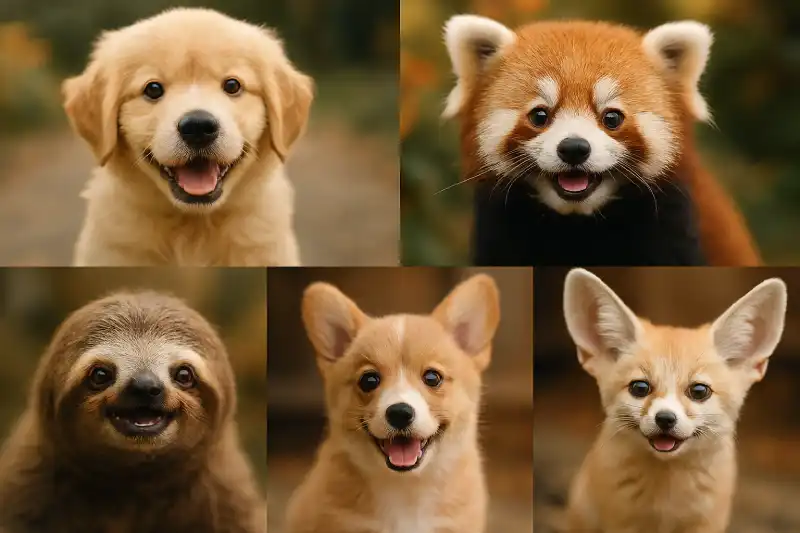
Before we dive into our heart-melting list, let’s talk about why this works.
The Science Behind “Aww”
When you look at cute animals, your brain releases dopamine and oxytocin—the same “feel-good” chemicals that bond parents to babies. This isn’t just anecdotal. Research has shown that viewing cute animal images can:
- Lower cortisol (stress hormone) levels
- Reduce blood pressure and heart rate
- Improve focus and concentration
- Boost mood for hours afterward
- Increase feelings of empathy and care
It’s Called the “Cute Response”
Scientists call this the “baby schema effect.” Animals with large eyes, round faces, and playful behavior trigger our nurturing instincts. It’s hardwired into us—and it’s why even a 10-second video of a clumsy puppy can completely change your afternoon.
15 Adorable Animals Guaranteed to Make You Smile
1. Golden Retriever Puppies
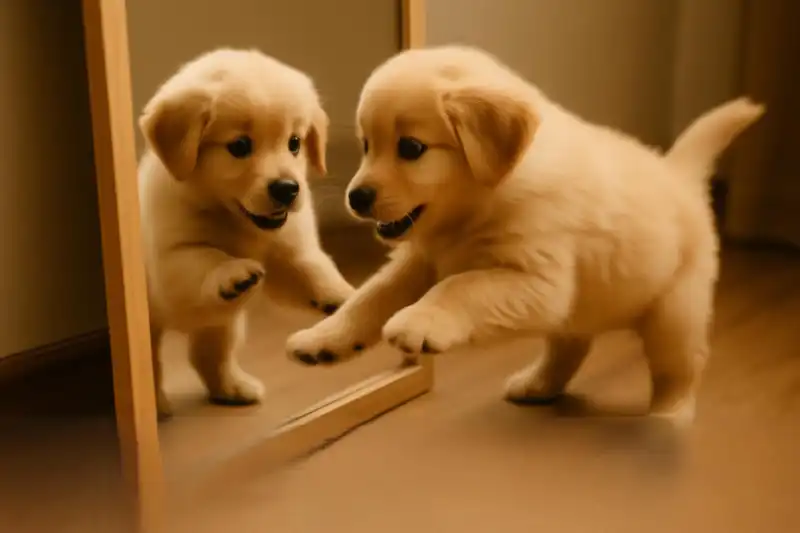
There’s a reason Golden Retriever puppies consistently rank as one of the most beloved animals worldwide.
What makes them special:
- Those soft, floppy ears and perpetually happy faces
- Boundless enthusiasm for absolutely everything
- The way they tumble over their own paws while learning to walk
- Their genuine excitement when meeting new people
Real-world charm: I once watched a Golden puppy discover its reflection in a mirror. For five solid minutes, it play-bowed, wagged, and tried to befriend itself. Pure, unfiltered joy.
2. Red Pandas
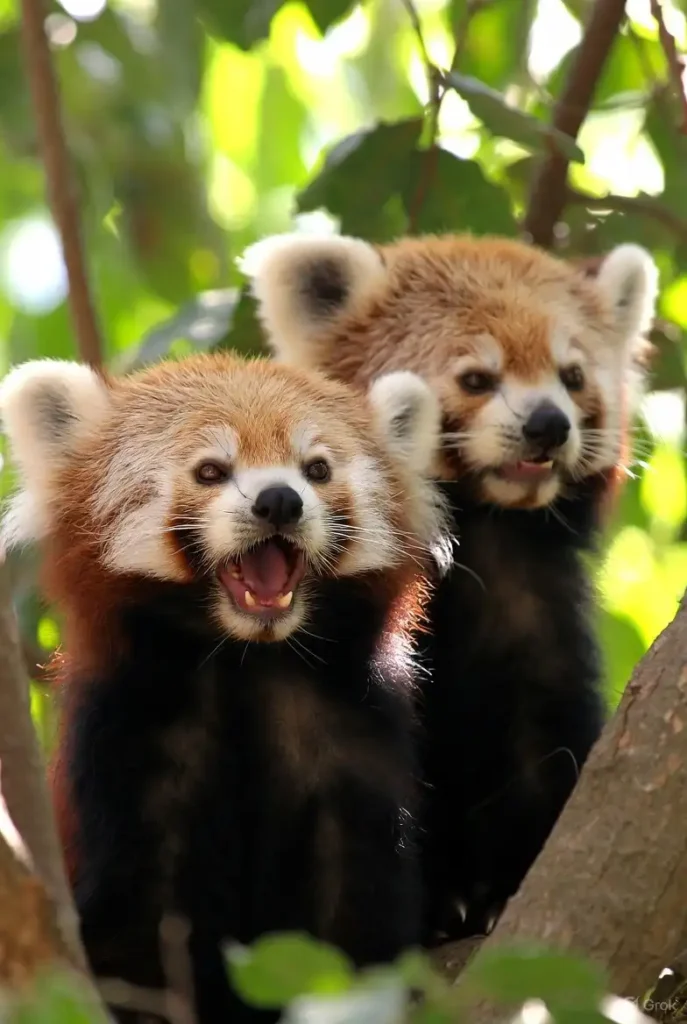
These cat-sized creatures look like nature couldn’t decide between a raccoon, a fox, and a teddy bear—so it made all three.
Why they’re irresistible:
- Their rust-colored fluffy coats
- Standing on hind legs to appear “bigger” (which only makes them cuter)
- Using their bushy tails as blankets when they sleep
- Adorably clumsy movements through trees
Fun fact: Red pandas do a little “wah” sound when they’re content. Look it up. Thank me later.
3. Miniature Pigs
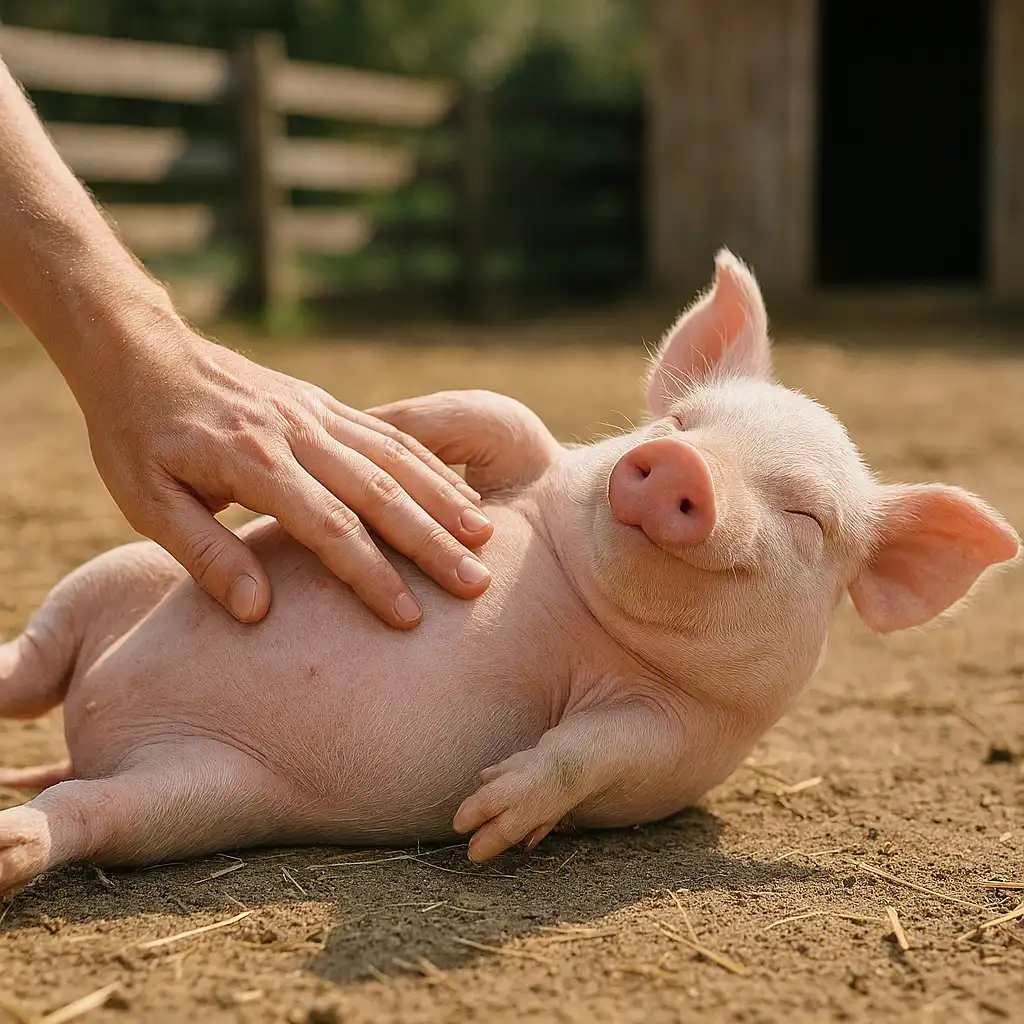
Forget everything you thought about pigs. Miniature pigs are intelligent, clean, and ridiculously photogenic.
Their appeal:
- Little snouts that wiggle when they’re curious
- Surprisingly graceful trotting
- Love of belly rubs (they’ll flop right over)
- Playful personalities rivaling any puppy
Common misconception: “Teacup” pigs don’t stay tiny forever. Most miniature pigs grow to 50-150 pounds. Still adorable, just bigger adorable.
4. Baby Hedgehogs (Hoglets)
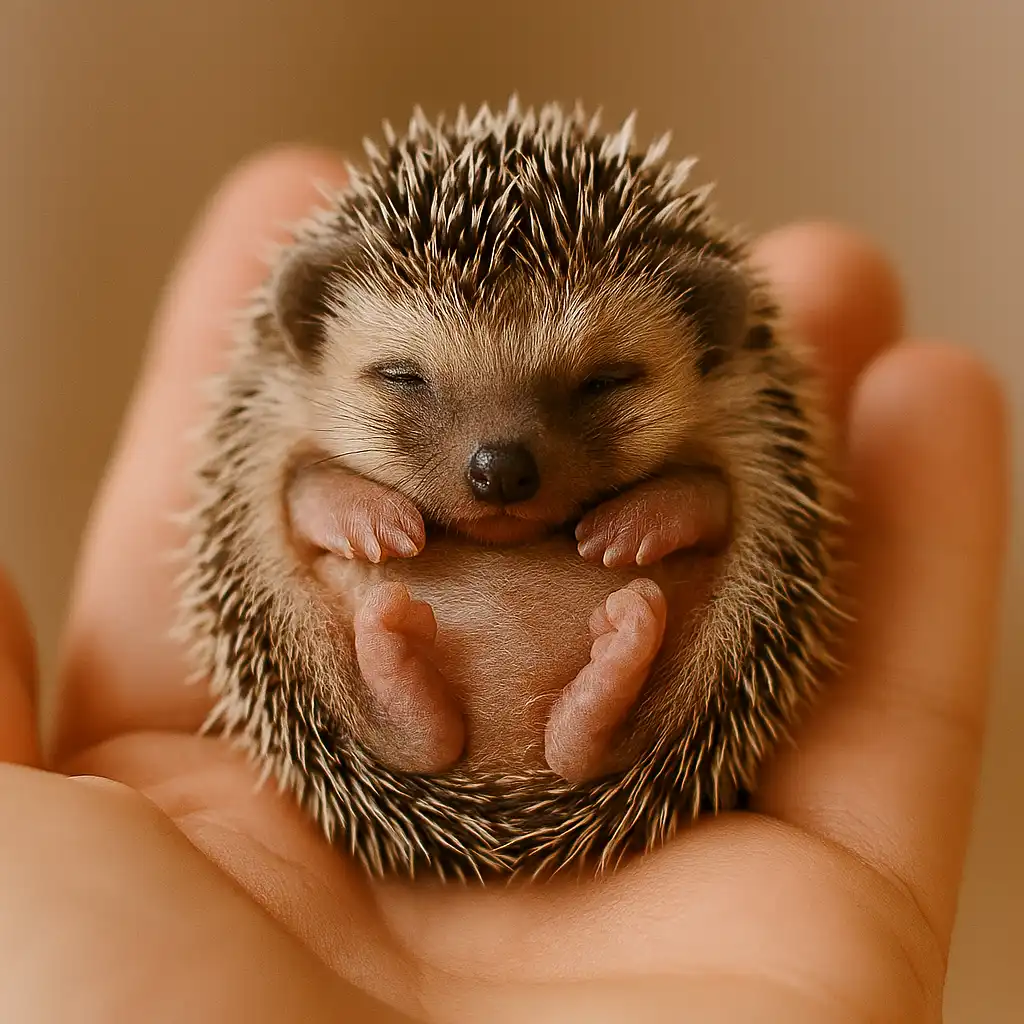
Picture this: a tiny, spiky potato with a pink nose and miniature feet.
What makes hoglets precious:
- Their spines are soft when they’re born
- They make little snuffling sounds while exploring
- The way they curl into defensive balls (so round!)
- Their surprisingly expressive faces
In my experience: Many people don’t realize hedgehogs can be quite social with their owners. They recognize voices and will actually seek out their favorite humans for cuddle time.
5. Pembroke Welsh Corgis
Short legs, long bodies, and personalities that believe they’re much larger than reality suggests.
Why we love them:
- Those ears—always alert, often comically large
- The “Corgi sploot” (lying flat with legs stretched behind)
- Their herding instincts that make them “organize” everything
- Perpetual smiles and wiggling rear ends
Notable trait: Corgis were bred to herd cattle. Their low stature helped them dodge kicks. Now they mostly herd our hearts.
6. Sea Otters
The ocean’s most charming residents, hands down.
Their endearing qualities:
- Holding hands while sleeping so they don’t drift apart
- Using rocks as tools to open shellfish
- Carrying favorite stones in their armpit pouches
- Wrapping themselves in kelp like tiny burritos
Heartwarming behavior: Mother otters will blow air into their pup’s fur to help them float while mom dives for food. The pup bobs on the surface like a fluffy life raft.
7. Fennec Foxes
Desert dwellers with ears that could pick up a whisper three miles away.
Their magic:
- Ears that are comically oversized (but help them stay cool)
- Playful pouncing on imaginary prey
- Soft, sandy-colored coats
- Surprisingly social and affectionate with trusted humans
Size perspective: They’re about the size of a Chihuahua but with the energy of a toddler after three juice boxes.
8. Alpacas
Gentle, curious, and impossibly fluffy.
Why they capture hearts:
- Those long eyelashes and soulful eyes
- Humming softly when content
- Curious nature—they’ll investigate everything
- Fluffy fiber that looks like clouds
Behavioral note: Alpacas are herd animals and get stressed alone. In groups, they’re confident, silly, and wonderfully entertaining.
9. Quokkas
Known as “the world’s happiest animal” for good reason.
Their signature charm:
- Natural facial structure that looks like a permanent smile
- Friendly, approachable demeanor
- Hopping around like tiny, joyful kangaroos
- Genuine curiosity about humans
Important reminder: While quokkas seem friendly, they’re wild animals. Admire them respectfully and don’t feed them human food—it can make them sick.
10. Baby Sloths
Slow-motion sweetness personified.
What makes them precious:
- Permanent sleepy smiles
- Clinging to caregivers with tiny arms
- Moving through life at their own peaceful pace
- Those gentle, slow-blinking eyes
Interesting observation: Baby sloths at rescue centers often need stuffed animals to cuddle. They grip them the same way they’d hold their mothers in the wild.
11. Scottish Fold Cats
Cats with folded ears that give them a perpetually owl-like expression.
Their appeal:
- Round faces with folded ears (genetic trait)
- Sweet, gentle temperaments
- Sitting in the “Buddha position” with legs stretched out
- Soft, plush coats in various colors
Health note: The folded ear gene can sometimes cause cartilage issues. Responsible breeders test for this and prioritize health over appearance.
12. Miniature Donkeys
Regular donkeys, but pocket-sized and even more charming.
Why they’re wonderful:
- Standing only 32-36 inches tall
- Incredibly gentle and patient
- Expressive ears that show every emotion
- Friendly “hee-haw” greetings
Real scenario: I visited a farm where a miniature donkey named Peanut would gently take apple slices from children’s hands. His careful gentleness with tiny humans was remarkable.
13. Penguins (Especially Little Blue Penguins)
Tuxedo-wearing birds that waddle through life with unshakeable confidence.
Their irresistible traits:
- Waddling walks that look like they’re always running late
- Devoted parenting (both parents share duties)
- Sliding on their bellies for fun and transportation
- Little Blue Penguins are only 13 inches tall
Heartwarming fact: Many penguin species mate for life and recognize their partners by unique calls, even in crowds of thousands.
14. Bunnies (Holland Lops Especially)
Soft, floppy-eared companions with gentle souls.
What makes them special:
- Velvet-soft fur
- Floppy ears that hang beside their faces
- “Binkies”—jumping and twisting when happy
- Nose twitches that never stop
Behavioral insight: Bunnies are more complex than people think. They’re territorial, form strong bonds, and can be litter-trained. They’re not “starter pets”—they’re serious companions.
See also: [How Cute Animals Survive in the Wild: Beauty Meets Brains]
15. Baby Elephants
Gentle giants at their most playful.
Why they melt hearts:
- Learning to control their trunks (often tripping over them)
- Sucking their trunks for comfort like human babies suck thumbs
- Playing in mud with pure abandon
- Staying close to protective herd members
Touching behavior: Baby elephants throw themselves down for naps with the same dramatic flair as human toddlers. The entire herd stops and waits patiently for them to wake up.
How to Bring More Animal Joy Into Your Daily Life
You don’t need to own all these animals to benefit from their mood-boosting powers. Here’s how to incorporate more cute creatures into your routine:
Digital Options:
- Follow animal rescue accounts on social media
- Subscribe to live animal cams (zoos, aquariums, sanctuaries)
- Join online communities dedicated to specific animals
- Set cute animal photos as your phone wallpaper
In-Person Experiences:
- Visit local animal shelters and volunteer
- Go to petting zoos or farm sanctuaries
- Attend “puppy yoga” or “kitten therapy” events
- Offer to dog-sit for friends (free snuggles!)
Support and Give Back:
- Donate to wildlife conservation organizations
- Sponsor an animal at a sanctuary
- Share educational content about animal welfare
- Choose products from companies that don’t test on animals
The Deeper Connection: Why This Matters
In my years working with animals and their owners, I’ve witnessed something profound. The joy we get from cute animals isn’t superficial—it’s a reminder of innocence, trust, and unconditional presence.
Animals don’t worry about tomorrow or regret yesterday. They exist fully in the moment. When we watch them play, sleep, or simply be, they invite us into that same present-moment awareness.
This matters for mental health: Studies show that regular exposure to animals or animal content can help with:
- Depression and anxiety
- Loneliness and isolation
- Stress-related conditions
- Post-traumatic stress (therapy animals)
- General life satisfaction
A Comparison: Different Animals, Different Benefits
| Animal Type | Primary Appeal | Mood Benefit | Best For |
|---|---|---|---|
| Puppies | Playful energy | Instant joy, laughter | Quick mood boost |
| Sloths | Peaceful slowness | Calming, stress relief | Anxiety reduction |
| Otters | Social bonding | Warmth, connection | Loneliness |
| Bunnies | Gentle presence | Comfort, peace | Meditation aid |
| Baby elephants | Playful innocence | Nostalgia, wonder | Perspective shift |
Common Misconceptions About Cute Animals
Mistake #1: “Cute = Easy Pet” Just because an animal is adorable doesn’t mean it’s low-maintenance. Fennec foxes, for example, require specialized care and aren’t legal everywhere.
Mistake #2: “Wild Animals Make Good Pets” Quokkas, red pandas, and sloths belong in the wild or accredited facilities. Admire them, support their conservation, but don’t try to own them.
Mistake #3: “All Cute Animals Are Friendly” Even adorable animals can bite, scratch, or become stressed with improper handling. Always respect boundaries.
Mistake #4: “Miniature Breeds Stay Tiny” Research growth expectations carefully. “Teacup” and “micro” marketing can be misleading and sometimes unethical.
Responsible Animal Appreciation
If these cute creatures inspire you to get a pet, wonderful! But please:
Do your homework:
- Research breed/species needs thoroughly
- Consider adoption first (shelters have plenty of cuties)
- Budget for proper care, vet visits, and emergencies
- Ensure your lifestyle matches the animal’s needs
Support ethical sources:
- Avoid puppy mills and backyard breeders
- Choose rescues or responsible, health-testing breeders
- Never support wild animal trafficking
- Report suspected animal abuse
See also: [Link to How to Choose the Right Pet for Your Lifestyle]
When Animal Videos Aren’t Enough
Sometimes cute animal content brings temporary relief, but deeper struggles remain. That’s completely normal and okay.
If you notice:
- Animal videos help momentarily, but sadness quickly returns
- You’re using them to avoid addressing problems
- Your mood doesn’t improve even with positive content
- You feel increasingly isolated
Consider reaching out:
- Talk to a mental health professional
- Connect with friends or family
- Look into therapy animal programs
- Join support groups (many have animal-related activities)
Cute animals are wonderful medicine, but they’re not a substitute for proper support when you truly need it.
FAQ: Cute Animals and You
Q: Can looking at cute animals actually improve my mood scientifically?
Yes! Research from multiple universities shows that viewing cute animal images increases dopamine and oxytocin levels while lowering cortisol. Even 5-10 minutes of watching animal videos can improve concentration and mood for several hours. The effect is real and measurable.
Q: What’s the cutest animal in the world?
That’s wonderfully subjective! Surveys consistently rank puppies, kittens, and baby pandas as top contenders. However, the “cutest” animal for you depends on what features you find most appealing—big eyes, fluffy fur, playful behavior, or gentle demeanor. Your favorite is the right answer.
Q: Why do baby animals look cuter than adults?
Baby animals have what scientists call “baby schema”—large eyes relative to their face, round features, small noses, and clumsy movements. These traits trigger our caregiving instincts and make us want to protect them. It’s evolutionary biology making us go “awww.”
Q: Can I make cute animals my phone wallpaper for stress relief?
Absolutely! Many people report that having cute animal images as their wallpaper gives them quick mood boosts throughout the day. Choose an image that makes you genuinely smile. Some favorites include sleeping puppies, curious otters, or contented cats. Change it regularly to keep the effect fresh.
Q: Are therapy animals the same as cute animals?
Not exactly. Therapy animals are specifically trained to provide comfort and support in therapeutic settings. However, the principle is similar—their presence and cuteness do provide genuine emotional benefits. Any animal can brighten your day, but therapy animals are trained for specific supportive roles.
Q: Is it normal to feel emotional when seeing cute animals?
Completely normal! The same brain chemicals that make us feel protective and joyful can also trigger happy tears. Some people find cute animals so overwhelming they feel a “cute aggression”—the urge to squeeze something adorable. It’s your brain’s way of regulating intense positive emotions.
Q: Should I get a pet if cute animals make me this happy?
Only if you’re prepared for the responsibility. Pets provide tremendous joy, but they also require time, money, training, and long-term commitment. If you’re ready for those responsibilities, adopting a pet can be incredibly rewarding. If you’re unsure, try fostering, volunteering at shelters, or pet-sitting first to test the waters.
Conclusion: Your Daily Dose of Joy
Life gets heavy sometimes. Bills pile up, responsibilities multiply, and the world feels overwhelming. But somewhere right now, a Corgi is wiggling its entire back half in happiness, a sloth is giving the world its sleepy smile, and a sea otter is holding hands with its best friend.
These moments of pure, uncomplicated joy exist constantly around us. They’re reminders that innocence, playfulness, and wonder are still alive in the world.
After working with countless animal lovers, I’ve seen how these small moments of cuteness can shift entire days. A funny cat video before a difficult meeting. A photo of a baby elephant during a stressful afternoon. A quick visit to a pet during lunch break.
You don’t need grand gestures or dramatic changes to feel better. Sometimes you just need a glimpse of a hedgehog doing absolutely nothing in particular, or a puppy discovering snow for the first time.
Keep these cute creatures in your back pocket (metaphorically, of course). When the day gets tough, remember: somewhere, a tiny miniature donkey is getting its ears scratched, and life is pretty wonderful for it right now.
You deserve those moments of lightness too. Seek them out. Savor them. Share them with others who need a smile.
And if you’re inspired to bring an animal into your life, do it thoughtfully, responsibly, and with your whole heart. The joy is real, the love is unconditional, and the cuddles are scientifically proven to reduce stress.
Now if you’ll excuse me, I have some penguin videos to watch.
See also: [Cute Exotic Animals You’ve Probably Never Heard Of]
🐾 About the Author
Written by: Emma Richardson, Pet Care Writer at CuteAnimals.cc
Animal lover with over 8 years of hands-on experience in animal behavior, shelter volunteering, and pet care education. I’ve worked with dogs, cats, rabbits, and exotic animals in various settings, from rescue organizations to behavior consultations. My content combines research-backed knowledge with real-world observations from working directly with animals and their devoted owners.
My mission: Help people understand, appreciate, and responsibly care for the animals that share our world—whether they’re our pets or creatures we admire from afar.
Disclaimer: While I have extensive experience with animal care and behavior, I’m not a veterinarian. For medical concerns about your pet, always consult a licensed veterinarian. Every animal is unique, and what works for one may not work for another. This content is intended for educational and entertainment purposes.
Remember: The animals on this list bring joy, but they also deserve our respect, protection, and responsible stewardship. When we appreciate them properly, everybody wins—especially our hearts. 🐾💙
Leave a Reply