Have you ever scrolled through social media and stumbled upon an adorable creature that made you stop and think, “Wait… what IS that?” You’re not alone. While most of us know about pandas, koalas, and penguins, our planet is home to hundreds of incredibly cute exotic animals that rarely make it into the spotlight.
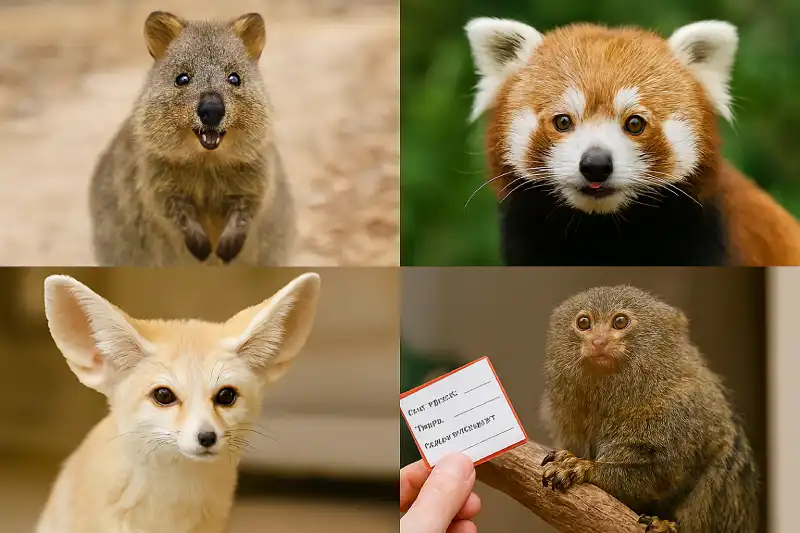
After years of researching and writing about animal behavior and exotic species, I’ve discovered that some of the world’s most endearing creatures remain virtually unknown to the general public. These hidden gems of the animal kingdom deserve their moment in the sun—and trust me, once you learn about them, you’ll be sharing photos with everyone you know.
Let’s explore some of the most adorable exotic animals you’ve probably never encountered, understand what makes them special, and learn how we can appreciate them responsibly.
- Why Some Adorable Animals Remain Unknown
- Meet the Adorable Unknowns: Your New Favorite Animals
- The Pika: Mountain's Tiniest Teddy Bear
- The Quokka: The World's Happiest Animal
- The Fennec Fox: Desert's Big-Eared Beauty
- The Red Panda: The Original Panda
- The Axolotl: The Smiling Salamander
- The Dik-Dik: Tiny Antelope with Enormous Eyes
- The Pygmy Marmoset: Pocket-Sized Primate
- The Japanese Dwarf Flying Squirrel
- The Slow Loris: The Venomous Cutie (with a Warning)
- The Klipspringer: The Tiptoe Antelope
- The Margay: The Tree-Dancing Wild Cat
- Quick Comparison: Exotic Cuties at a Glance
- Why Learning About These Animals Matters
- How to Appreciate Exotic Animals Responsibly
- Common Mistakes People Make with Exotic Animal Content
- What You Can Do Right Now
- Teaching Children About Exotic Animals
- The Bigger Picture: Biodiversity and Ecosystem Health
- A Special Note About Social Media
- Conclusion: Falling in Love with the Unknown
Why Some Adorable Animals Remain Unknown
Before we dive into our list, it’s worth understanding why certain species stay under the radar:
- Remote habitats: Many cute exotic animals live in isolated regions that few people visit
- Nocturnal lifestyles: Some species are active at night, making them hard to observe
- Small populations: Endangered or rare species simply aren’t seen often
- Recent discoveries: Scientists are still finding new species regularly
- Limited media coverage: Conservation efforts often focus on “flagship” species like tigers and elephants
The reality is that charismatic megafauna (think: lions, elephants, whales) dominate wildlife documentaries and conservation campaigns. But the smaller, lesser-known species are equally fascinating and often just as threatened.
Meet the Adorable Unknowns: Your New Favorite Animals
The Pika: Mountain’s Tiniest Teddy Bear
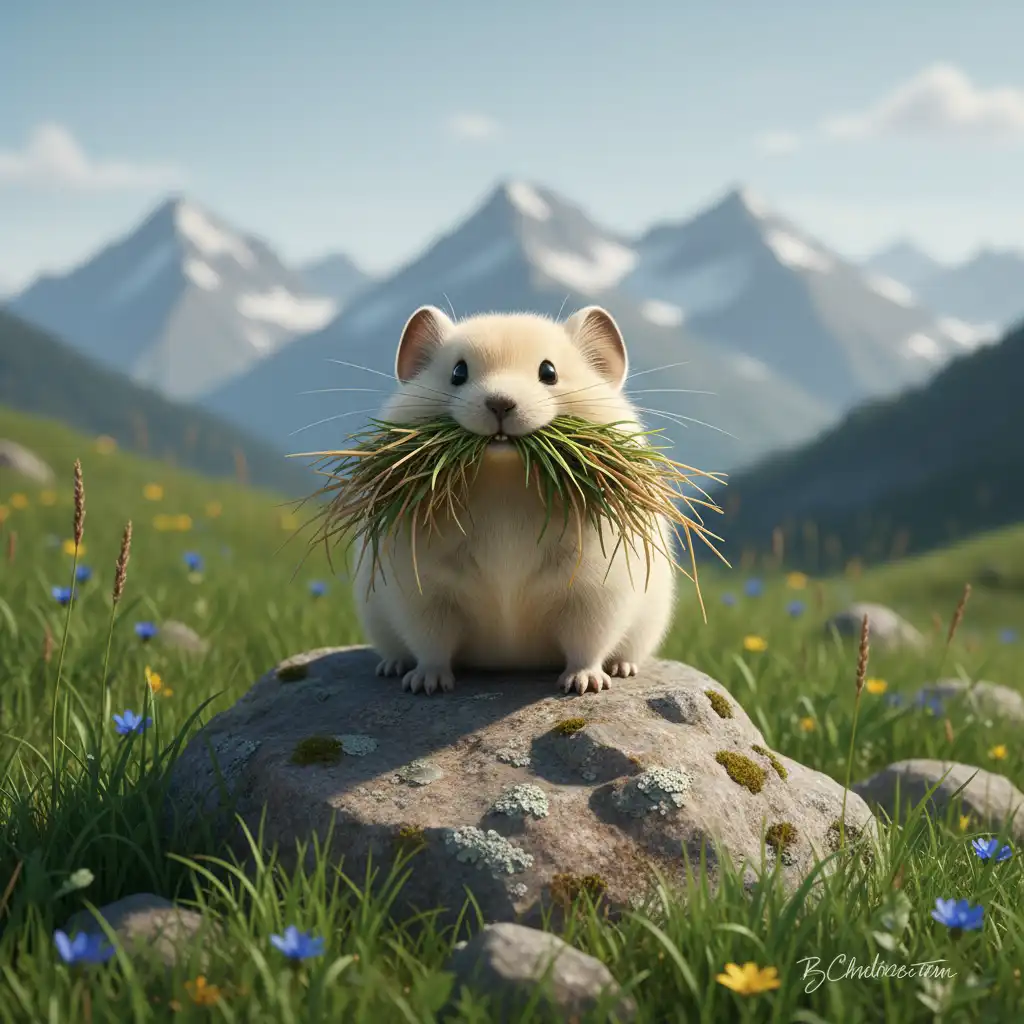
If someone mixed a hamster, a rabbit, and a teddy bear, you’d get a pika. These small mammals live in mountainous regions across Asia and North America, and they’re absolutely precious.
What makes them special:
- Round ears and no visible tail
- High-pitched squeaks that sound like cartoon sound effects
- They create “haypiles” of vegetation to survive winter
- Incredibly fluffy, egg-shaped bodies
Where they live: Rocky mountain slopes in cold climates
In my research on mountain-dwelling species, I’ve learned that pikas are actually indicators of climate health. They’re so sensitive to temperature that even a few degrees of warming can impact their survival. Despite their cuteness overload, most people have never heard of them because they live in such remote, harsh environments.
Conservation note: Several pika species face threats from climate change and habitat loss.
See also: [100 Most Influential Women in History: Leaders Who Changed the World]
The Quokka: The World’s Happiest Animal
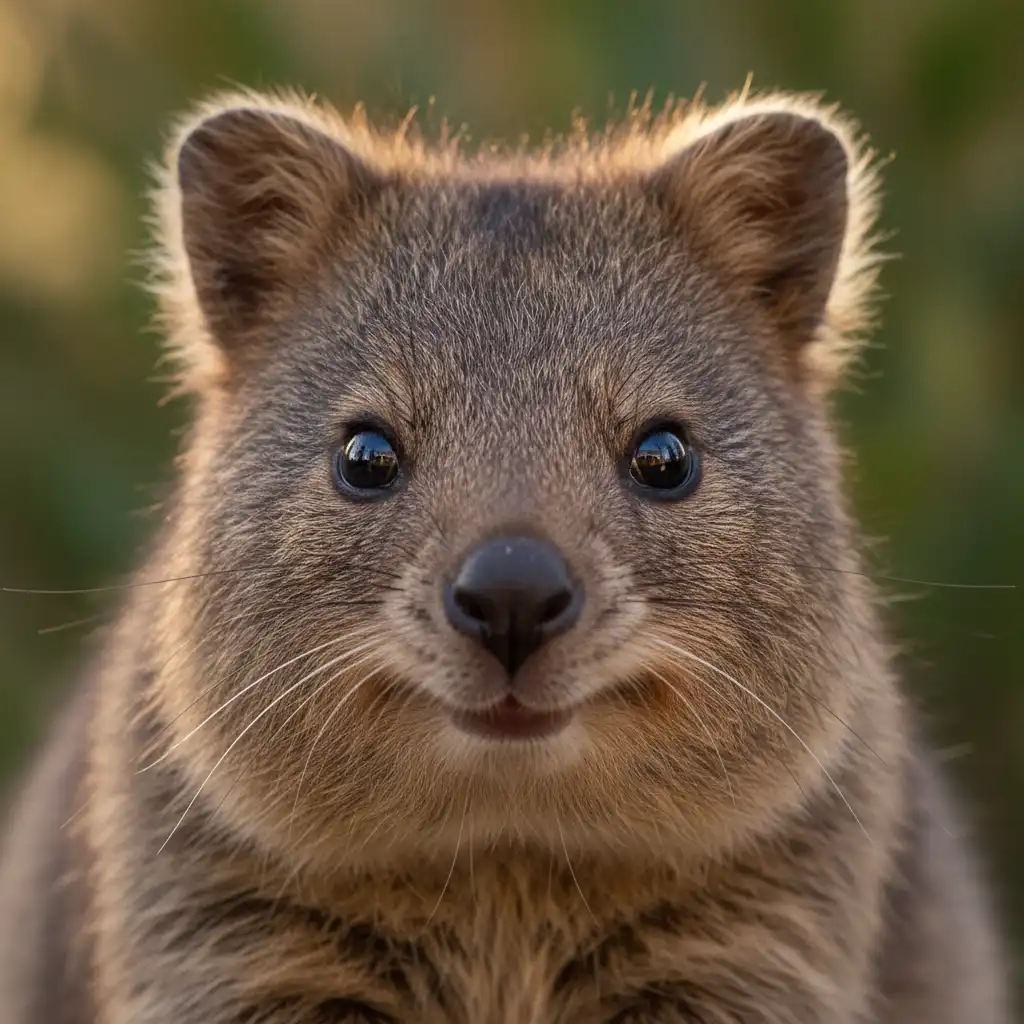
This Australian marsupial has earned internet fame in recent years, but many people still don’t know about it. The quokka looks like it’s perpetually smiling, which has made it a favorite for wildlife selfies.
Why they’re irresistible:
- Naturally “smiling” facial structure
- Extremely friendly and curious around humans
- Hop like tiny kangaroos
- About the size of a domestic cat
Where they live: Primarily Rottnest Island, Western Australia
Important reminder: While quokkas appear friendly, they’re wild animals. In my experience covering wildlife tourism, I’ve noticed that well-meaning visitors sometimes feed or handle them inappropriately. Always observe from a respectful distance and never feed wild animals—it disrupts their natural behavior and diet.
The Fennec Fox: Desert’s Big-Eared Beauty
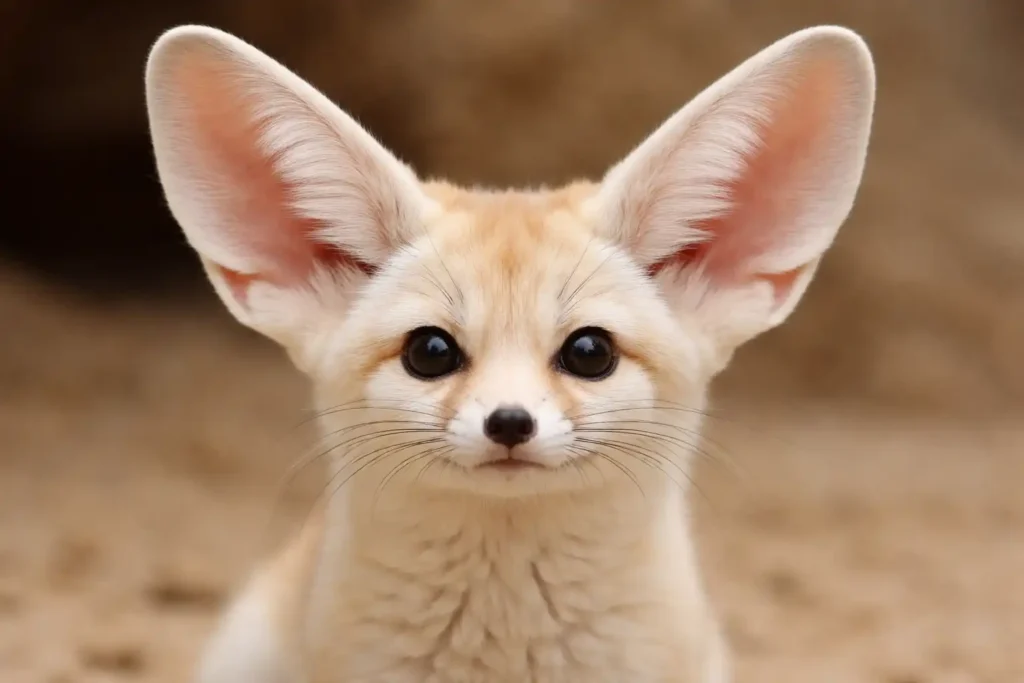
With ears that seem comically oversized for their bodies, fennec foxes are the smallest fox species in the world and absolute scene-stealers.
Distinctive features:
- Enormous ears (up to 6 inches long)
- Cream-colored fluffy coat
- Weighs only 2-3 pounds when fully grown
- Playful, energetic personality
Where they live: Sahara Desert and North Africa
Those oversized ears aren’t just for cuteness—they serve a critical function. The large surface area helps dissipate heat in the scorching desert environment and gives them incredible hearing to locate prey underground.
Can they be pets? In some areas, yes, but I always encourage people to research extensively before considering any exotic pet. Fennec foxes have specialized care needs that differ dramatically from dogs or cats.
See also: [Most Celebrated Female Actors, Artists, and Athletes by Era: A Century of Groundbreaking Women]
The Red Panda: The Original Panda
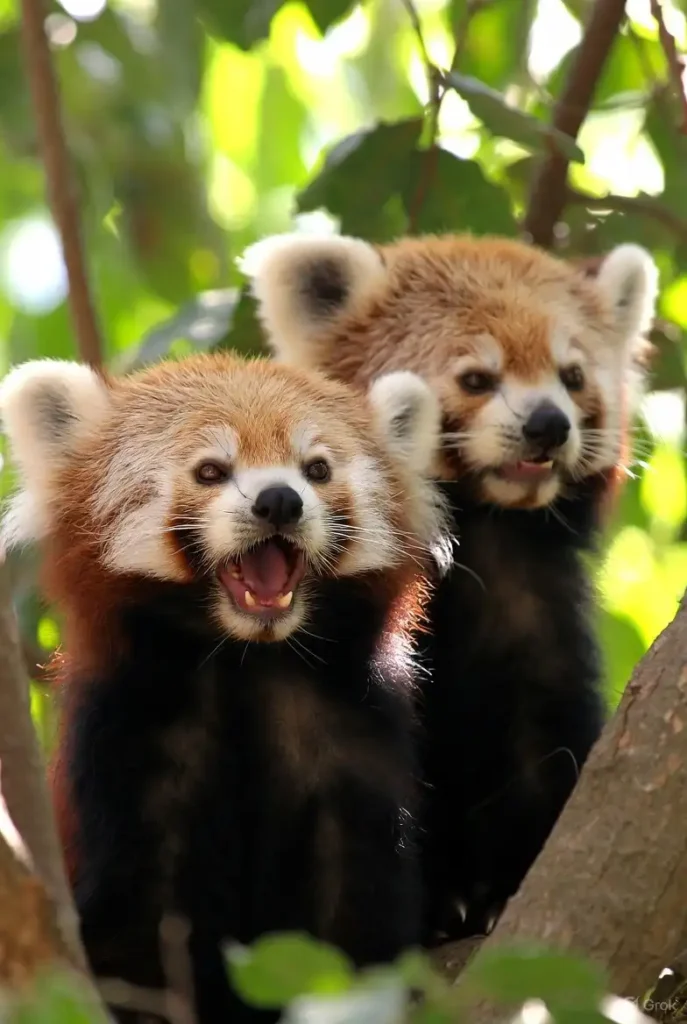
Here’s a fun fact: red pandas were named first, and giant pandas got their name later! Despite their name, red pandas aren’t closely related to giant pandas—they’re actually more similar to raccoons and weasels.
What makes them adorable:
- Russet-red fur with white face markings
- Bushy, ringed tail used for balance and warmth
- About the size of a house cat
- Waddle-walk that’s irresistibly cute
Where they live: Himalayan mountain forests in Nepal, India, Bhutan, China, and Myanmar
After reviewing numerous behavioral studies, I’ve learned that red pandas are primarily solitary and spend much of their time in trees. They’re crepuscular (most active at dawn and dusk), which is one reason they’re not as well-known—they’re often napping when visitors come to zoos!
Conservation status: Endangered, with fewer than 10,000 remaining in the wild.
The Axolotl: The Smiling Salamander
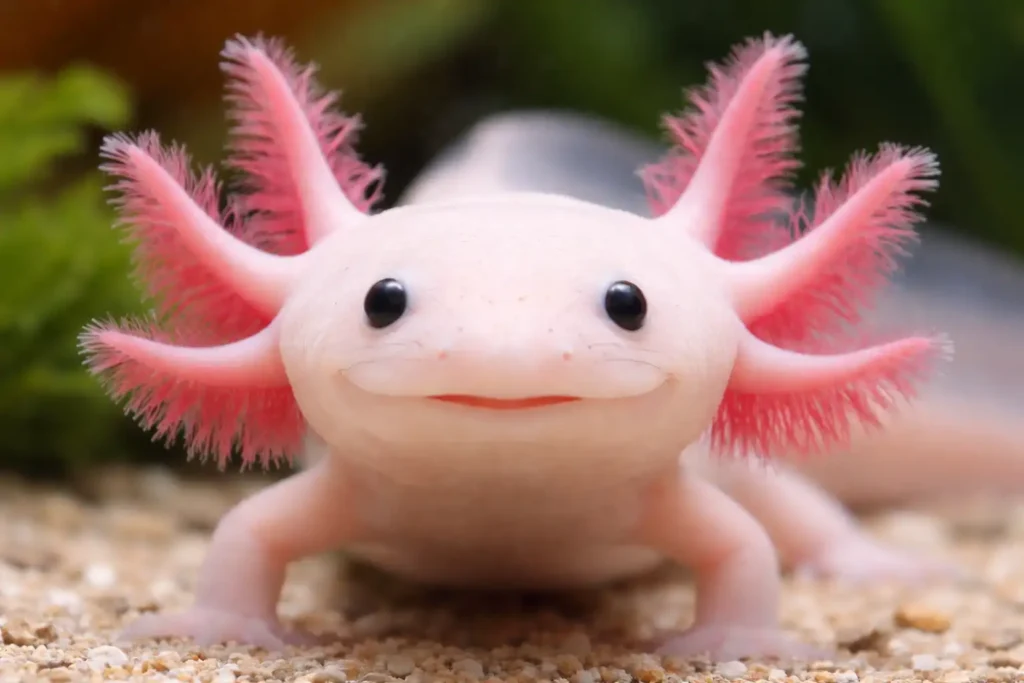
This aquatic salamander from Mexico looks like it’s permanently grinning, with external gills that resemble feathery headpieces.
Unique characteristics:
- Perpetual “smile” appearance
- Frilly external gills that look like elaborate hairstyles
- Can regenerate entire limbs, heart tissue, and even parts of their brain
- Come in various colors: pink, white, gold, and dark gray
Where they live: Originally from Lake Xochimilco in Mexico (now critically endangered in the wild)
What’s fascinating about axolotls is that they exhibit neoteny—they reach sexual maturity without undergoing metamorphosis. In simple terms, they remain in their “baby” form their entire lives, which contributes to their eternally cute appearance.
Pet consideration: Axolotls have become popular in the aquarium hobby, but they require specific water conditions and temperature control. Only consider one if you’re committed to specialized care.
The Dik-Dik: Tiny Antelope with Enormous Eyes
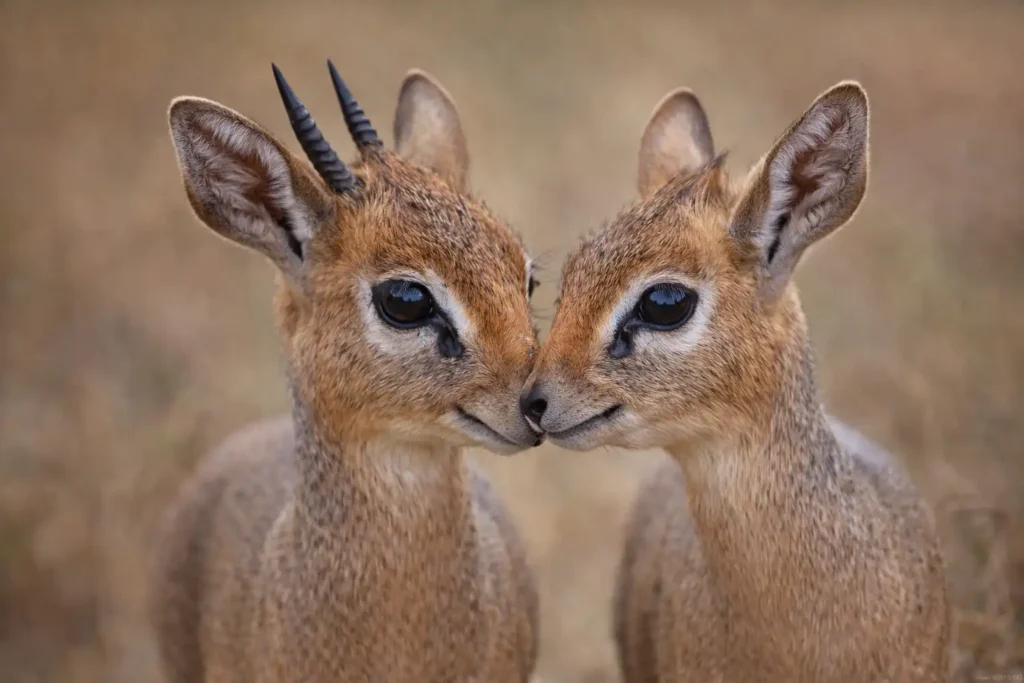
Named for the alarm call females make, dik-diks are miniature antelopes that stand only about 12-16 inches tall at the shoulder.
Adorable features:
- Huge, expressive eyes with built-in “eyeliner”
- Elongated, trunk-like nose
- Weighs only 7-16 pounds
- Forms monogamous pairs that mate for life
Where they live: Eastern and southern Africa
In my experience studying herd animal behavior, I’ve noticed that dik-diks are unusual among antelopes because they’re territorial and monogamous. The couples work together to maintain their territory and raise their young. It’s remarkably sweet!
The Pygmy Marmoset: Pocket-Sized Primate
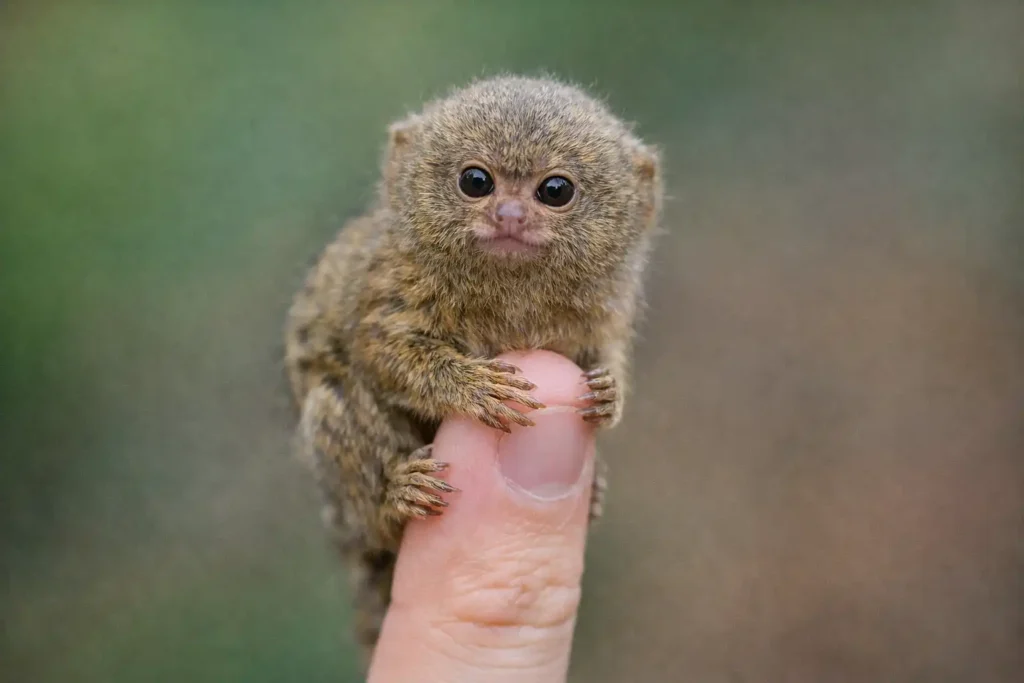
The world’s smallest monkey could fit in the palm of your hand. These tiny primates are full of personality despite their diminutive size.
Why they’re special:
- Adults weigh only about 3.5 ounces
- About 5 inches tall (not including the tail)
- Communicate with high-pitched chirps and squeaks
- Live in family groups with elaborate social structures
Where they live: Rainforests of South America
One thing I always emphasize when writing about primates: they’re cognitively complex and have intricate social needs. While they’re undeniably cute, pygmy marmosets require specialized care and are illegal to own in many places. Appreciate them in their natural habitat or accredited facilities.
See also: [How Cute Animals Survive in the Wild: Beauty Meets Brains]
The Japanese Dwarf Flying Squirrel
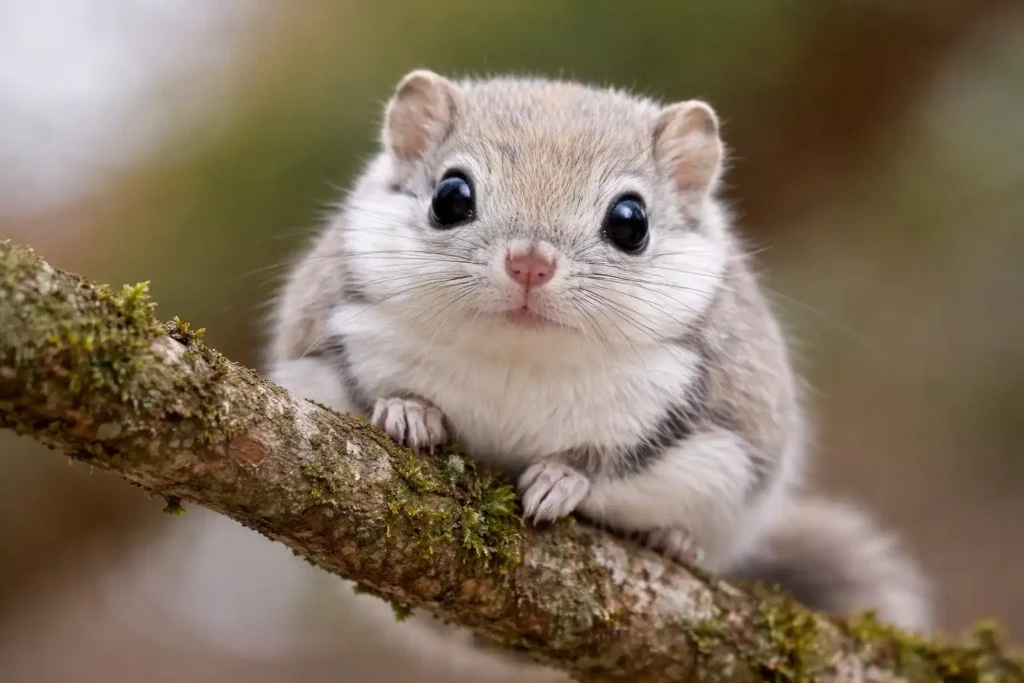
This impossibly cute creature looks like a stuffed animal come to life. With enormous black eyes and a tiny pink nose, it’s peak adorableness.
Distinctive traits:
- Huge, round black eyes (for excellent night vision)
- Can glide up to 100 meters between trees
- About the size of a hamster
- Soft gray fur with white belly
Where they live: Forests of Japan
These nocturnal gliders are rarely seen by humans, which explains why they’re not widely known. Their enormous eyes help them navigate through dark forests, and their gliding membrane allows them to “fly” from tree to tree searching for nuts, seeds, and fruit.
The Slow Loris: The Venomous Cutie (with a Warning)
Here’s where cuteness meets a crucial conservation message. Slow lorises have round faces, huge eyes, and slow, deliberate movements that make them look like living plush toys.
Unique features:
- Enormous, forward-facing eyes
- Slow, deliberate movements
- Grasping hands and feet
- Venomous bite (one of the only venomous mammals)
Where they live: Rainforests of Southeast Asia
Critical conservation issue: I need to address this directly because it’s important. Slow lorises have suffered tremendously from the illegal pet trade. Videos of them being “tickled” went viral, but that raised-arms posture is actually a defensive position—they’re terrified. Additionally, traders often remove their teeth, which is cruel and usually fatal.
If you see a slow loris for sale as a pet or in a setting where you can handle them for photos, please report it to wildlife authorities. These animals belong in the wild, not in captivity.
Conservation status: Most species are endangered or critically endangered.
The Klipspringer: The Tiptoe Antelope
This small African antelope literally walks on the tips of its hooves, like a tiny ballerina of the animal kingdom.
What makes them special:
- Walks on hoof tips rather than the entire hoof
- Stocky, compact body adapted for rocky terrain
- Forms monogamous pairs
- Grizzled, coarse coat that provides camouflage
Where they live: Rocky outcrops and cliffs across eastern and southern Africa
The name “klipspringer” literally means “rock jumper” in Afrikaans, and it’s perfectly descriptive. These small antelopes can leap up steep rock faces with incredible agility, thanks to their specialized hooves that act like suction cups.
The Margay: The Tree-Dancing Wild Cat
If you’ve heard of ocelots, think of margays as their smaller, more acrobatic cousins who’ve mastered the art of life in the trees.
Distinctive characteristics:
- Large eyes for excellent night vision
- Can rotate their ankles 180 degrees
- Descend trees headfirst (unlike most cats)
- Beautiful spotted coat similar to a leopard
Where they live: Central and South American rainforests
What I find most remarkable about margays is their arboreal adaptation. They’re one of only two cat species that can descend trees headfirst (the other is the clouded leopard). This requires incredible ankle flexibility that most cats simply don’t have.
Quick Comparison: Exotic Cuties at a Glance
| Animal | Size | Habitat | Activity Pattern | Conservation Status |
|---|---|---|---|---|
| Pika | 6-9 inches | Mountains | Diurnal | Some species endangered |
| Quokka | 16-21 inches | Australian islands | Nocturnal | Vulnerable |
| Fennec Fox | 9-16 inches | Desert | Nocturnal | Least Concern |
| Red Panda | 20-26 inches | Forest | Crepuscular | Endangered |
| Axolotl | 9-12 inches | Aquatic | Active day/night | Critically Endangered |
| Dik-Dik | 12-16 inches | Savanna/scrubland | Diurnal | Least Concern (varies) |
| Pygmy Marmoset | 5 inches | Rainforest | Diurnal | Vulnerable |
| Japanese Flying Squirrel | 6-8 inches | Forest | Nocturnal | Least Concern |
| Slow Loris | 7-15 inches | Rainforest | Nocturnal | Most are Endangered |
| Margay | 19-31 inches | Rainforest | Nocturnal | Near Threatened |
Why Learning About These Animals Matters
You might wonder, “What’s the point of knowing about animals I’ll probably never see?” Great question. Here’s why it matters:
Conservation awareness: Many of these species face serious threats. Public awareness is the first step toward conservation action.
Biodiversity appreciation: Understanding the incredible diversity of life helps us value ecosystem health and interconnectedness.
Responsible wildlife tourism: If you do travel, knowing about local species helps you make ethical choices about wildlife encounters.
Combating illegal trade: Recognizing exotic species helps you identify (and report) illegal wildlife trafficking.
Education for future generations: Sharing knowledge about diverse species inspires the next generation of conservationists.
How to Appreciate Exotic Animals Responsibly
Support Legitimate Conservation Efforts
- Donate to reputable wildlife organizations working in the field
- Choose conservation-focused zoos and sanctuaries when visiting facilities
- Support habitat preservation initiatives
- Advocate for stronger wildlife protection laws
Avoid Contributing to the Exotic Pet Trade
In my years covering animal welfare, I’ve seen the heartbreaking consequences of the exotic pet trade. Many of these adorable animals:
- Have been illegally captured from the wild
- Suffer during transport
- Cannot have their complex needs met in typical homes
- Often die prematurely in captivity
Red flags for unethical wildlife experiences:
- You can hold or pet wild animals
- Baby animals are separated from mothers for photos
- Animals appear sedated or lethargic
- No information about conservation or animal welfare is provided
Choose Ethical Wildlife Tourism
If you travel to areas where these animals live:
- Use certified, ethical tour operators
- Maintain recommended distances
- Never feed wild animals
- Don’t use flash photography
- Follow all local wildlife regulations
Spread Awareness Thoughtfully
Share information about these amazing creatures, but:
- Include conservation context
- Discourage people from seeking them as pets
- Link to reputable conservation organizations
- Avoid sharing content that shows animals in stressful situations
Common Mistakes People Make with Exotic Animal Content
After working with wildlife educators and conservation organizations, I’ve noticed several problematic patterns:
Mistake #1: Sharing “cute” videos without context That video of a slow loris being tickled? It’s actually showing a terrified animal in distress. Always research before sharing.
Mistake #2: Assuming “I want one!” is harmless Comments like this normalize exotic pet ownership, even when people don’t actually plan to get one. It contributes to demand.
Mistake #3: Comparing wild animals to pets “It’s like a cat/dog/hamster!” diminishes the fact that these are wild species with specialized needs.
Mistake #4: Ignoring conservation status Many of these adorable animals are endangered. Cuteness should come with a conservation message.
Mistake #5: Supporting unethical tourism Those roadside zoos and photo ops often contribute to animal suffering and illegal trade.
What You Can Do Right Now
Want to make a positive impact? Here are actionable steps:
- Educate yourself: Learn about the conservation status of species that interest you
- Support field conservation: Donate to organizations working in natural habitats
- Be a responsible consumer: Research before booking any wildlife experience
- Share responsibly: Post about these animals with conservation context
- Report violations: If you see exotic animals being sold illegally, report it to authorities
- Choose sustainable products: Avoid products that contribute to habitat destruction
- Reduce your footprint: Climate change affects many of these species
See also: [Link to guide: How to Support Wildlife Conservation from Home]
Teaching Children About Exotic Animals
If you have kids fascinated by these creatures (and who wouldn’t be?), here’s how to channel that interest productively:
- Watch quality documentaries together that show animals in their natural habitats
- Read books by wildlife biologists and conservationists written for young readers
- Visit accredited zoos and aquariums with strong conservation programs
- Participate in citizen science projects that contribute to real research
- Encourage critical thinking about wildlife in media—is that animal happy? Safe? Where did it come from?
The Bigger Picture: Biodiversity and Ecosystem Health
Each of these adorable animals plays a specific role in their ecosystem:
- Pikas are ecosystem engineers, affecting plant communities through their foraging
- Red pandas help disperse bamboo seeds through their droppings
- Fennec foxes control rodent and insect populations in desert environments
- Axolotls help control aquatic insect populations and are prey for birds
- Margays help regulate small mammal and bird populations
When we lose species, we lose these ecological functions. It’s not just about losing something cute—it’s about ecosystem stability.
A Special Note About Social Media
Social media has been both beneficial and harmful for exotic animals. On one hand, viral content has raised awareness about species previously unknown to most people. On the other hand, it has fueled the exotic pet trade and created markets for unethical wildlife encounters.
How to engage responsibly online:
- Look for the source of animal videos—are they from sanctuaries, wildlife centers, or private owners?
- Read the captions—do they include educational or conservation information?
- Check the comments—are people encouraging pet ownership or discussing conservation?
- Report content that shows animal suffering or illegal activity
- Follow reputable wildlife organizations and conservationists for accurate information
Q: Can I keep any of these animals as pets?
Most of these animals should not be kept as pets. While a few (like fennec foxes in some regions) may be legal, they require highly specialized care that most people cannot provide. Additionally, the exotic pet trade often contributes to illegal wildlife trafficking and species decline. Always research local laws, ethical considerations, and the true cost (financial, time, specialized knowledge) before considering any exotic pet.
Q: Where can I see these animals in person ethically?
Look for AZA-accredited (Association of Zoos and Aquariums) or equivalent internationally accredited facilities. These institutions participate in conservation programs, provide high-quality animal care, and focus on education. For wild encounters, work with certified eco-tourism operators who prioritize animal welfare and conservation. Never participate in experiences where you can handle, feed, or get unnaturally close to wild animals.
Conclusion: Falling in Love with the Unknown
The animal kingdom is far more diverse and wonderful than most of us realize. These lesser-known exotic animals remind us that there’s always something new to discover, appreciate, and protect.
While their cuteness is undeniable, I hope you’ll remember them for more than just their adorable appearances. Each species represents millions of years of evolution, plays a vital role in its ecosystem, and deserves our respect and protection.
You don’t need to travel the world or work in conservation to make a difference. Simply by learning about these animals, sharing accurate information, making ethical choices, and supporting conservation efforts in small ways, you’re contributing to a future where these remarkable creatures continue to thrive.
The next time you see an animal you don’t recognize, take a moment to learn about it. You might just discover your new favorite species—and in the process, become part of the global community working to ensure these beautiful animals remain part of our world for generations to come.
After all, a planet where red pandas waddle through Himalayan forests, tiny pikas chirp from mountain rocks, and margays dance through rainforest canopies is a planet worth protecting.
Author Bio
Written by: Sarah Mitchell, Pet Care Writer & Wildlife Enthusiast at CuteAnimals.cc
Animal lover with extensive research experience in exotic species, wildlife conservation, and animal behavior. Content created with evidence-based knowledge and a genuine passion for helping people understand and appreciate the incredible diversity of animal life on our planet.
Note: While this article focuses on exotic wildlife species, if you’re considering any animal as a pet—domestic or exotic—always thoroughly research care requirements, legal regulations, and ethical considerations. For any health or behavioral concerns about your own pets, always consult with a licensed veterinarian or certified animal behaviorist.
Leave a Reply