From silent film stars who captivated audiences without speaking a word to modern athletes breaking records and redefining what’s possible, women have shaped culture, inspired movements, and shattered glass ceilings across entertainment and sports. This comprehensive journey through time celebrates the most influential female performers, creators, and competitors who didn’t just participate in their fields—they transformed them.
Understanding Cultural Impact: Why These Women Matter
Before diving into our era-by-era exploration, it’s important to understand what makes someone “celebrated.” We’re focusing on women who:
- Broke barriers in male-dominated industries
- Influenced cultural movements beyond their immediate field
- Achieved unprecedented success in their craft
- Inspired generations of women to pursue their dreams
- Left lasting legacies that continue to resonate today
This isn’t just about fame—it’s about women who fundamentally changed the landscape for those who followed.
The 1920s: The Jazz Age and Silent Screen Goddesses
Film Stars
Mary Pickford (1892-1979) Known as “America’s Sweetheart,” Pickford wasn’t just an actress—she was Hollywood’s first female mogul. Co-founding United Artists in 1919, she controlled her own career at a time when women had barely won the right to vote. Her business acumen matched her on-screen talent, making her one of the wealthiest and most powerful people in early Hollywood.
Clara Bow (1905-1965) The original “It Girl,” Bow embodied the flapper spirit and sexual liberation of the 1920s. Her natural, energetic performance style broke from theatrical traditions, creating a more authentic screen presence that influenced acting for decades.
Greta Garbo (1905-1990) Swedish-born Garbo brought mysterious sophistication to Hollywood. Her ability to convey complex emotions with minimal dialogue made her a perfect transition star between silent films and talkies.
Artists
Josephine Baker (1906-1975) An American-born dancer and singer who became a sensation in Paris, Baker challenged racial boundaries and conventional femininity. Her performances were revolutionary, blending entertainment with social commentary. She later became a French Resistance agent during WWII and a civil rights activist.
Bessie Smith (1894-1937) The “Empress of the Blues” was the highest-paid Black entertainer of her era. Her powerful voice and emotional depth influenced countless musicians and helped bring blues music into mainstream American culture.
Athletes
Gertrude Ederle (1905-2003) In 1926, she became the first woman to swim across the English Channel, beating the existing men’s record by nearly two hours. Her achievement challenged assumptions about women’s physical capabilities.
Suzanne Lenglen (1899-1938) The French tennis player dominated women’s tennis and revolutionized the sport with her athletic style and daring fashion choices, including knee-length skirts that shocked conservative audiences.
The 1930s: Depression-Era Icons and Escapism
Film Stars
Katharine Hepburn (1907-2003) Four-time Academy Award winner Hepburn defied Hollywood conventions with her fierce independence, wearing pants when women were expected in dresses, and choosing complex roles over glamorous ones. Her 66-year career set the standard for longevity and artistic integrity.
Bette Davis (1908-1989) Known for playing strong, uncompromising characters, Davis fought for better roles and became the first woman to serve as president of the Academy of Motion Picture Arts and Sciences. Her willingness to play unsympathetic characters expanded the range of women’s roles.
Marlene Dietrich (1901-1992) German-born Dietrich challenged gender norms with her androgynous style and powerful screen presence. She rejected lucrative Nazi offers to return to Germany, instead entertaining Allied troops during WWII.
Artists
Billie Holiday (1915-1959) Her unique vocal style transformed jazz singing, prioritizing emotional truth over technical perfection. Holiday’s performance of “Strange Fruit,” a haunting anti-lynching song, was a bold political statement during the Jim Crow era.
Frida Kahlo (1907-1954) Though her fame grew posthumously, Kahlo created deeply personal surrealist work exploring identity, pain, and Mexican culture. Her unflinching self-portraits and rejection of conventional beauty standards made her a feminist icon.
Athletes
Mildred “Babe” Didrikson Zaharias (1911-1956) Perhaps the greatest female athlete of all time, Didrikson excelled in basketball, track and field, and golf. She won two Olympic gold medals in 1932 and later dominated professional golf, winning 10 LPGA major championships.
Helen Wills Moody (1905-1998) Dominated tennis throughout the 1920s and 1930s, winning 31 Grand Slam titles. Her focused, powerful playing style and mental toughness set new standards for women’s tennis.
The 1940s: Wartime Strength and Post-War Transformation
Film Stars
Ingrid Bergman (1915-1982) Swedish actress whose natural beauty and nuanced performances in films like “Casablanca” and “Notorious” made her one of cinema’s most celebrated stars. She won three Academy Awards across a 40-year career.
Rita Hayworth (1918-1987) Her iconic role in “Gilda” and her pin-up photos made her the top box office draw of the 1940s. Hayworth’s image adorned the atomic bomb tested at Bikini Atoll, cementing her status as a cultural phenomenon.
Judy Garland (1922-1969) Her vulnerability and powerful voice captivated audiences. “The Wizard of Oz” made her a legend, but her struggles with studio pressures highlighted the dark side of Hollywood’s treatment of young actresses.
Artists
Ella Fitzgerald (1917-1996) The “First Lady of Song” possessed unmatched vocal range and technical ability. Her scat singing and interpretation influenced countless vocalists, and she broke racial barriers in venues across America.
Georgia O’Keeffe (1887-1986) Though her career began earlier, O’Keeffe’s bold, large-scale paintings of flowers, landscapes, and bones gained significant recognition in the 1940s. She was the first woman to have a retrospective at the Museum of Modern Art.
Athletes
Althea Gibson (1927-2003) Broke the color barrier in tennis, becoming the first Black player to compete at the U.S. National Championships (1950) and Wimbledon (1951). She won 11 Grand Slam titles and later became the first Black woman on the LPGA tour.
Fanny Blankers-Koen (1918-2004) At age 30 and as a mother of two, the Dutch athlete won four gold medals in track and field at the 1948 London Olympics, challenging perceptions about women, motherhood, and athletic performance.
The 1950s: The Golden Age of Hollywood and Breaking Barriers
Film Stars
Marilyn Monroe (1926-1962) Beyond the iconic blonde bombshell image, Monroe was a talented comedic actress who started her own production company to gain creative control. Her vulnerability and intelligence challenged the dumb blonde stereotype she was often assigned.
Audrey Hepburn (1929-1993) Elegant, sophisticated, and talented, Hepburn won an Oscar for her first major role in “Roman Holiday.” Her humanitarian work with UNICEF in later years demonstrated her commitment to using fame for good.
Elizabeth Taylor (1932-2011) One of the last true Hollywood stars from the studio system, Taylor’s talent, beauty, and dramatic personal life kept her in the spotlight for decades. She later became a pioneering AIDS activist, raising hundreds of millions for research.
Artists
Maria Callas (1923-1977) The Greek-American soprano revolutionized opera with her dramatic intensity and musical intelligence. She brought opera to mainstream audiences and redefined what it meant to be an opera singer.
Nina Simone (1933-2003) The “High Priestess of Soul” blended classical, jazz, blues, and folk music while using her platform to support the Civil Rights Movement. Songs like “Mississippi Goddam” were powerful political statements.
Athletes
Wilma Rudolph (1940-1994) Overcoming polio as a child, Rudolph became the first American woman to win three gold medals in track and field at a single Olympics (1960). Her grace and speed earned her the title “the fastest woman in the world.”
Tenley Albright (1935-present) Overcame polio to become the first American woman to win an Olympic gold medal in figure skating (1956). She later became a respected surgeon, breaking barriers in medicine as well.
The 1960s: Counterculture Icons and Social Revolution
Film Stars
Sophia Loren (1934-present) The Italian actress brought earthy sensuality and dramatic depth to international cinema. She was the first actor to win an Oscar for a foreign-language performance (“Two Women,” 1961).
Julie Andrews (1935-present) Her wholesome image in “Mary Poppins” and “The Sound of Music” made her a beloved figure, but she later took on more complex roles to avoid typecasting. Her four-octave vocal range remains legendary.
Barbra Streisand (1942-present) Multi-talented performer who refused to conform to Hollywood beauty standards. She won an Oscar for her first film role and later became a successful director, producer, and one of the best-selling recording artists of all time.
Artists
Aretha Franklin (1942-2018) The “Queen of Soul” brought gospel fervor to popular music. Her powerful voice and songs like “Respect” became anthems of both the feminist and Civil Rights movements.
Janis Joplin (1943-1970) Her raw, emotional singing style broke the mold of female vocalists. Joplin’s blues-rock fusion and countercultural lifestyle influenced women’s liberation and rock music.
Diana Ross (1944-present) First as lead singer of The Supremes, then as a solo artist, Ross achieved unprecedented success for a Black female artist. The Supremes’ 12 number-one hits were a Motown record.
Athletes
Billie Jean King (1943-present) Won 39 Grand Slam titles but is equally celebrated for her advocacy for gender equality in sports. Her 1973 “Battle of the Sexes” match against Bobby Riggs was watched by 90 million people and became a defining moment for women’s equality.
Peggy Fleming (1948-present) Her grace and artistry won Olympic gold in 1968 and helped popularize figure skating as a spectator sport. She brought elegance to athleticism at a perfect cultural moment.
The 1970s: Feminism, Disco, and Athletic Revolution
Film Stars
Jane Fonda (1937-present) Two-time Oscar winner who used her platform for political activism, particularly opposing the Vietnam War. Her fitness empire in the 1980s revolutionized how women approached exercise and wellness.
Cicely Tyson (1924-2021) Chose roles that portrayed Black women with dignity and strength. Her performances in “Sounder” and “The Autobiography of Miss Jane Pittman” broke stereotypes and paved the way for more nuanced Black characters.
Meryl Streep (1949-present) Beginning her film career in the late 1970s, Streep’s chameleonic abilities and commitment to craft have made her the most Oscar-nominated actor in history with 21 nominations.
Artists
Joni Mitchell (1943-present) Her confessional songwriting style and musical innovations influenced folk, rock, and jazz. Albums like “Blue” are considered among the greatest ever recorded, showcasing unprecedented emotional honesty.
Dolly Parton (1946-present) Country music icon who wrote thousands of songs, built a business empire, and used her wealth for literacy programs and COVID-19 vaccine research. Her authenticity and business savvy make her a model of success.
Stevie Nicks (1948-present) As part of Fleetwood Mac and as a solo artist, Nicks brought mystical, poetic sensibilities to rock music. She was the first woman inducted into the Rock and Roll Hall of Fame twice.
Athletes
Chris Evert (1954-present) Won 18 Grand Slam singles titles with her baseline precision game. Her rivalry with Martina Navratilova elevated women’s tennis and proved women’s sports could draw massive audiences.
Nadia Comăneci (1961-present) At age 14, the Romanian gymnast scored the first perfect 10 in Olympic history at the 1976 Montreal Games. Her performance transformed gymnastics into a major spectator sport.
Martina Navratilova (1956-present) Won 18 Grand Slam singles titles and 31 major women’s doubles titles. Her athletic approach to tennis and openness about her sexuality broke barriers on and off the court.
The 1980s: Power, Pop, and Athletic Excellence
Film Stars
Sigourney Weaver (1949-present) Her role as Ripley in the “Alien” franchise created a new archetype for action heroines—intelligent, capable, and human. She proved women could lead blockbuster franchises.
Whoopi Goldberg (1955-present) One of only 17 people to achieve EGOT status (Emmy, Grammy, Oscar, Tony). Her comedy and dramatic range, plus her work as a moderator on “The View,” have kept her culturally relevant for four decades.
Michelle Pfeiffer (1958-present) Versatile actress who moved seamlessly between drama, comedy, and action. Her performances in “The Fabulous Baker Boys” and “Dangerous Liaisons” showcased her range.
Artists
Madonna (1958-present) The “Queen of Pop” reinvented herself repeatedly while maintaining superstar status. Her control over her image, music, and business dealings set the template for modern pop stars. She challenged sexual norms and censorship throughout her career.
Whitney Houston (1963-2012) Possessed one of the most powerful and technically perfect voices in pop music history. “I Will Always Love You” became one of the best-selling singles of all time, and she opened doors for Black women in pop music.
Tina Turner (1939-2023) After leaving an abusive relationship with Ike Turner, she launched a phenomenal solo comeback in the 1980s. Her story of survival and triumph made her an icon of resilience.
Athletes
Florence Griffith-Joyner (1959-1998) “Flo-Jo” set world records in the 100m and 200m at the 1988 Olympics that still stand today. Her speed, style, and long fingernails made her unforgettable.
Jackie Joyner-Kersee (1962-present) Considered the greatest female athlete of all time by many, she dominated the heptathlon and long jump. She won three gold, one silver, and two bronze Olympic medals while managing asthma.
Steffi Graf (1969-present) Won 22 Grand Slam singles titles and achieved the “Golden Slam” in 1988 (all four majors plus Olympic gold). Her powerful forehand revolutionized women’s tennis.
The 1990s: Girl Power, Grunge, and Global Expansion
Film Stars
Julia Roberts (1967-present) Her megawatt smile and charisma made her Hollywood’s highest-paid actress. “Pretty Woman” made her a star, but her Oscar-winning performance in “Erin Brockovich” proved her dramatic range.
Halle Berry (1966-present) Became the first Black woman to win the Academy Award for Best Actress for “Monster’s Ball” (2002). Her success in action films like the X-Men franchise expanded opportunities for women of color.
Cate Blanchett (1969-present) Australian actress whose transformative performances and artistic choices have earned her two Oscars. Her portrayal of complex, powerful women has been consistently celebrated.
Artists
Mariah Carey (1969-present) Five-octave vocal range and songwriting prowess made her the best-selling female artist of the 1990s. She co-wrote nearly all her hits and influenced a generation of vocalists with her melismatic style.
Celine Dion (1968-present) Quebec’s most successful musical export, Dion’s powerful voice and emotional delivery made her a global superstar. “My Heart Will Go On” from “Titanic” became one of the best-selling singles ever.
Lauryn Hill (1975-present) “The Miseducation of Lauryn Hill” won five Grammy Awards and revolutionized hip-hop, R&B, and soul. Her blend of rap and singing influenced countless artists.
Athletes
Mia Hamm (1972-present) Face of women’s soccer who led the U.S. to World Cup victory in 1991 and 1999. Her competitiveness and skill made her the sport’s first international superstar and inspired millions of girls to play soccer.
Sheryl Swoopes (1971-present) Three-time WNBA MVP and four-time champion, Swoopes was the first player signed to the WNBA. She proved women’s professional basketball could thrive.
Venus Williams (1980-present) & Serena Williams (1981-present) The Williams sisters transformed tennis with their power, athleticism, and dominance. They broke racial barriers and became advocates for equal prize money in tennis.
The 2000s: Digital Age Stars and Global Influence
Film Stars
Angelina Jolie (1975-present) Oscar-winning actress who became equally known for humanitarian work with refugees. Her combination of action roles, dramatic performances, and advocacy created a new model for celebrity activism.
Kate Winslet (1975-present) Refused to conform to Hollywood body standards while delivering consistently powerful performances. Her Oscar-winning role in “The Reader” capped a career of choosing artistic integrity over commercial appeal.
Penélope Cruz (1974-present) First Spanish actress to win an Oscar, Cruz brought international sophistication to Hollywood while maintaining a successful career in European cinema.
Artists
Beyoncé (1981-present) From Destiny’s Child to solo superstardom, Beyoncé has become one of the most influential artists of all time. Her visual albums, business acumen, and cultural impact extend far beyond music. She’s won 32 Grammy Awards, more than any artist in history.
Alicia Keys (1981-present) Classical training combined with R&B sensibilities created a unique sound. Her message of self-empowerment and her “Songs in A Minor” debut album won five Grammy Awards.
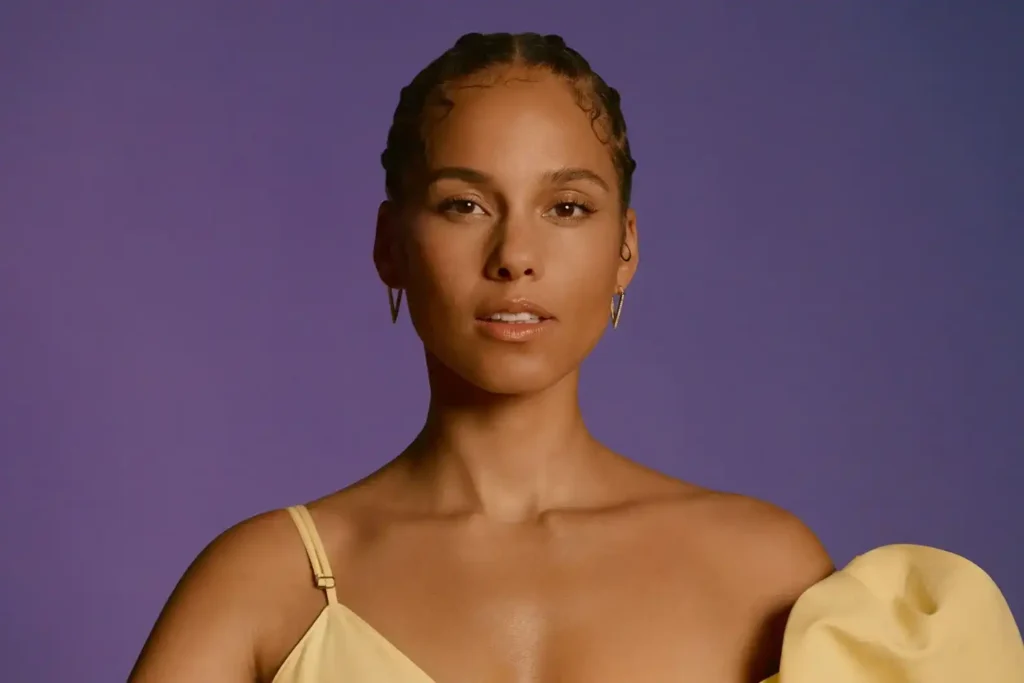
Taylor Swift (1989-present) Beginning as a country singer-songwriter, Swift transitioned to pop while maintaining unprecedented commercial success. Her re-recording of her masters to regain creative control became a landmark moment in artists’ rights.
Athletes
Serena Williams (1981-present) 23 Grand Slam singles titles and a revolutionary approach to the sport. Williams overcame racism, body-shaming, and countless obstacles to become arguably the greatest tennis player ever, male or female.
Lindsey Vonn (1984-present) Won 82 World Cup races, the most by any female alpine skier. She competed at the highest level despite multiple serious injuries, showing remarkable resilience.
Ronda Rousey (1987-present) Olympic bronze medalist in judo who became UFC’s first female champion. She made women’s MMA mainstream and proved women could be draws in combat sports.
The 2010s: Social Media Icons and Representation Revolution
Film Stars
Jennifer Lawrence (1990-present) Won an Oscar at 22 for “Silver Linings Playbook” and became the face of “The Hunger Games” franchise. Her advocacy for equal pay and authenticity resonated with younger audiences.
Lupita Nyong’o (1983-present) Won an Oscar for her debut film role in “12 Years a Slave.” She’s used her platform to advocate for diversity in Hollywood and challenge Eurocentric beauty standards.
Viola Davis (1965-present) Achieved the Triple Crown of Acting (Oscar, Emmy, Tony) and became the first Black actress to do so. Her powerful performances and advocacy for diversity have made her a force in Hollywood.
Artists
Adele (1988-present) Her powerful voice and emotional songwriting have made her one of the best-selling artists of all time. Albums “21” and “25” broke sales records and won multiple Grammys.
Rihanna (1988-present) Beyond music success with hits spanning pop, R&B, and dancehall, Rihanna built a beauty empire with Fenty Beauty that revolutionized inclusive makeup. Her business acumen made her a billionaire.
Lady Gaga (1986-present) Pop provocateur whose avant-garde fashion and musical experimentation pushed boundaries. Her acting in “A Star Is Born” proved her versatility, and her advocacy for mental health and LGBTQ+ rights amplified her impact.
Athletes
Simone Biles (1997-present) Most decorated gymnast in World Championship history with 25 medals. Her difficulty level and execution are unprecedented, with multiple skills named after her. Her advocacy for mental health at the 2021 Olympics sparked important conversations.
Katie Ledecky (1997-present) Dominates distance freestyle swimming with seven Olympic gold medals and 21 world records. Her margin of victory in events is historically unprecedented.
Alex Morgan (1989-present) Key player in U.S. women’s soccer’s World Cup victories and a leader in the fight for equal pay. Her visibility and advocacy have advanced women’s sports.
The 2020s: Streaming Era and Continued Evolution
Film Stars & Content Creators
Zendaya (1996-present) Emmy-winning actress who transitioned from Disney star to serious dramatic actor in “Euphoria.” Her fashion influence and advocacy for representation make her a Gen Z icon.
Florence Pugh (1996-present) Rapidly rising star with Oscar-nominated performances showcasing remarkable range. Her refusal to conform to Hollywood pressures and body standards resonates with audiences.
Awkwafina (1988-present) Breakthrough performances in “Crazy Rich Asians” and “The Farewell” showcased her range. She represents increasing Asian-American representation in mainstream entertainment.
Artists
Billie Eilish (2001-present) Youngest person to win all four major Grammy categories in one year. Her distinctive sound, visual aesthetic, and authentic personality have redefined pop stardom for a new generation.
Olivia Rodrigo (2003-present) Debut album “SOUR” became a cultural phenomenon, with confessional songwriting that connected deeply with Gen Z. Three Grammy wins established her as a major force.
SZA (1989-present) Her neo-soul sound and vulnerable songwriting have made her one of the most critically acclaimed R&B artists. “SOS” became the longest-running #1 album by a Black female artist.
Athletes
Naomi Osaka (1997-present) Four Grand Slam titles and advocacy for mental health and racial justice. Her decision to prioritize mental health at major tournaments sparked important conversations about athlete wellbeing.
Chloe Kim (2000-present) Olympic gold medalist in snowboarding at age 17, Kim has dominated halfpipe competitions. Her social media presence and personality have made action sports more accessible.
Coco Gauff (2004-present) U.S. Open champion who became a sensation as a teenager. Her maturity, activism, and skill point to a bright future in tennis and beyond.
The Impact of Representation: Why Diversity Matters
Throughout this journey, we’ve seen how representation has evolved. Early Hollywood was dominated by white actresses, with women of color relegated to stereotypical roles or excluded entirely. The gradual breaking of these barriers by trailblazers like Josephine Baker, Hattie McDaniel, Dorothy Dandridge, and later Cicely Tyson, Whoopi Goldberg, and Halle Berry paved the way for today’s diverse landscape.
Key Milestones in Representation:
1940 – Hattie McDaniel becomes first Black actor to win an Oscar (though she had to sit at a segregated table at the ceremony)
1954 – Dorothy Dandridge becomes first Black actress nominated for Best Actress Oscar
2002 – Halle Berry becomes first Black woman to win Best Actress Oscar
2019 – The Academy becomes more diverse in membership, leading to more varied nominations
2021 – Chloé Zhao becomes first woman of color to win Best Director Oscar
How These Women Changed Their Industries
In Film:
- Created production companies to control their own content (Mary Pickford, Reese Witherspoon)
- Fought for equal pay and exposed wage gaps (Jennifer Lawrence, Patricia Arquette)
- Demanded better roles that went beyond stereotypes (Bette Davis, Geena Davis)
- Used their platforms for social causes (Jane Fonda, Angelina Jolie)
In Music:
- Wrote their own material when women were expected to sing others’ songs (Carole King, Joni Mitchell)
- Built business empires beyond performing (Madonna, Rihanna, Beyoncé)
- Challenged industry sexism and ageism (Tina Turner, Cher)
- Advocated for artists’ rights (Taylor Swift re-recording her albums)
In Sports:
- Fought for equal prize money (Billie Jean King, Venus Williams)
- Demanded equal resources for women’s teams (U.S. Women’s National Soccer Team)
- Broke color barriers in segregated sports (Althea Gibson, Wilma Rudolph)
- Prioritized mental health over winning at all costs (Simone Biles, Naomi Osaka)
Lessons from Legendary Women
What can we learn from these trailblazers?
1. Authenticity Wins
Women who stayed true to themselves—whether Barbra Streisand refusing nose jobs or Billie Eilish rejecting sexualized imagery—built lasting careers and loyal followings.
2. Business Savvy Matters
From Mary Pickford founding United Artists to Rihanna building Fenty Beauty, controlling your own career and business creates lasting impact and wealth.
3. Advocacy Amplifies Impact
Athletes and entertainers who used their platforms for social causes—from Billie Jean King’s fight for equality to LeBron James and Serena Williams speaking on social justice—created legacies beyond their performances.
4. Resilience Overcomes Obstacles
Whether overcoming polio (Wilma Rudolph), abuse (Tina Turner), or industry sexism (virtually all of them), these women’s perseverance inspired millions.
5. Representation Opens Doors
Every barrier broken made it easier for the next generation. Josephine Baker’s success abroad helped Dorothy Dandridge in Hollywood, who helped Halle Berry, who helped Lupita Nyong’o and Viola Davis.
The Future: What’s Next for Women in Entertainment and Sports
Emerging Trends:
Streaming Democracy – Platforms like Netflix, Hulu, and YouTube are creating more opportunities for diverse stories and stars who might not fit traditional Hollywood molds.
Social Media Influence – Artists can build careers without traditional gatekeepers, allowing more authentic voices to emerge.
Equal Pay Progress – While gaps remain, increased transparency and advocacy are creating change, especially in entertainment and soccer.
Mental Health Priority – Athletes like Simone Biles and Naomi Osaka normalizing mental health conversations is shifting sports culture.
Behind-the-Camera Power – More women are directing, producing, and running studios, changing what stories get told and how.
How to Support Women in Arts and Sports
As Consumers:
- Buy tickets to women’s sporting events
- Stream and purchase music and films by women
- Share and promote women artists on social media
- Call out inequality when you see unequal coverage or pay
- Support women-owned businesses in entertainment and sports
For Aspiring Artists and Athletes:
- Study the pioneers who came before you
- Build your business skills alongside your craft
- Create support networks with other women
- Use your platform for causes you believe in
- Don’t wait for permission – create your own opportunities
Final Thoughts: A Century of Excellence
From Mary Pickford’s business acumen in 1919 to Simone Biles’ advocacy for mental health in 2021, women have consistently pushed boundaries, challenged norms, and achieved excellence despite systemic barriers. Each generation built on the previous one’s foundation, creating expanding opportunities for diverse voices and talents.
These women weren’t just celebrated—they were revolutionary. They proved women could be box office draws, stadium fillers, and record breakers. They showed that femininity and strength aren’t contradictory, that motherhood and career excellence can coexist, and that speaking truth to power is worth the risk.
As we look forward, the barriers continue to fall. Women are directing blockbusters, running studios, coaching professional teams, and building billion-dollar empires. The future promises even more diversity, more authentic stories, and more opportunities for women to excel on their own terms.
The legacy of these celebrated women isn’t just what they achieved—it’s the doors they opened and the paths they cleared for everyone who follows.
Who inspires you most from this list? Share your thoughts and help celebrate the women who changed culture, sports, and entertainment forever.
Leave a Reply