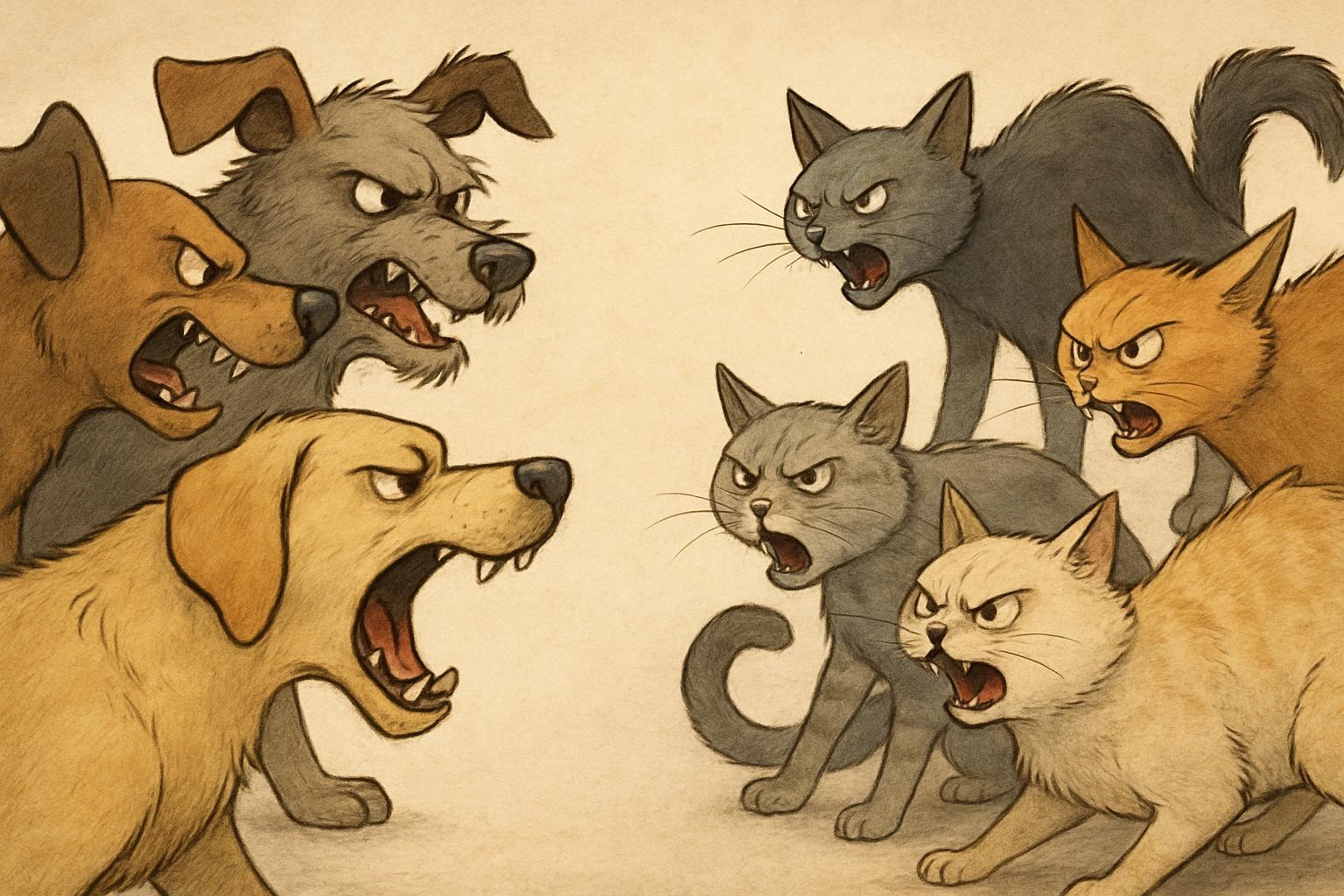
The age-old debate between dog lovers and cat enthusiasts has raged for generations. But what if we expanded the competition? How do our beloved pets stack up against other adorable animals in the cuteness arena?
In this ultimate showdown, we’ll settle the score once and for all. We’re pitting dogs against cats against a roster of other cute contenders to determine which animals truly reign supreme in companionship, charm, and overall adorability.
The Great Pet Debate: Why It Matters
Understanding what makes different animals appealing helps us make better choices about pet ownership and wildlife appreciation. This isn’t just about picking favorites—it’s about recognizing the unique qualities that make each animal special.
Whether you’re team dog, team cat, or rooting for an underdog (or under-bunny), this comprehensive comparison will give you scientific backing, behavioral insights, and plenty of “aww” moments to inform your position.
Exploring Dogs vs Cats vs Other Cute Animals
Before we dive into head-to-head comparisons, let’s understand the key factors that determine an animal’s overall appeal. This comprehensive table breaks down what makes each category of animal special:
| Category | Dogs | Cats | Other Cute Animals (Rabbits, Hamsters, Guinea Pigs) | Wild Cute Animals (Otters, Foxes, Red Pandas) |
|---|---|---|---|---|
| Companionship Level | Extremely high; actively seek human interaction and bonding | Moderate to high; affectionate on their terms | Moderate; can bond but often more independent | Low; wild animals not suited for companionship |
| Trainability | Highly trainable; can learn complex commands and tasks | Moderately trainable; selective about compliance | Limited; basic litter training and simple tricks | Not trainable for domestic purposes |
| Maintenance Requirements | High; daily walks, grooming, training, socialization | Moderate; self-grooming, litter box, independent play | Moderate; cage cleaning, regular feeding, social time | N/A; wild animals require specialized care |
| Space Needs | Varies by breed; generally need room to move and play | Adaptable; can thrive in apartments with vertical space | Small to moderate; cage or hutch plus exercise area | Large; natural habitats with specific requirements |
| Lifespan | 10-13 years average (breed dependent) | 12-18 years average | 5-10 years depending on species | 10-20+ years in wild (species dependent) |
| Cuteness Factors | Expressive faces, wagging tails, playful energy, loyalty | Independent grace, soft purring, acrobatic play, mysterious charm | Small size, twitchy noses, soft fur, gentle nature | Unique features, wild behaviors, endangered appeal |
| Social Behavior | Pack mentality; thrive on group interaction | Solitary hunters; selective about social time | Social in groups (species dependent) | Varies; some social, some solitary |
| Cost of Care | $1,500-$2,500+ annually | $800-$1,500 annually | $500-$800 annually | Illegal/impractical for private ownership |
| Health Considerations | Breed-specific issues; require regular vet care | Generally hardy; dental and kidney issues common | Sensitive digestive systems; specialized vet care | Wild animals carry diseases; not domesticated |
| Emotional Intelligence | Highly empathetic; read human emotions exceptionally well | Sensitive to moods; more subtle emotional responses | Limited emotional reading; basic bonding | Wild instincts; limited human emotional connection |
This table reveals that each category excels in different areas. Dogs dominate in trainability and companionship, cats win on independence and adaptability, small pets offer low-maintenance cuteness, and wild animals provide unmatched visual appeal despite being unsuitable as pets.
Dogs: The Ultimate Companions
Why Dogs Win Hearts
Dogs have earned the title “man’s best friend” through thousands of years of evolution alongside humans. Their loyalty, trainability, and enthusiastic affection create bonds that feel genuinely familial.
No other animal greets you with such pure joy after a long day. That tail-wagging, full-body wiggle represents unconditional love in its purest form.
The Cuteness Factor
Puppies rank among the world’s cutest creatures with their oversized paws, floppy ears, and clumsy movements. Different breeds offer distinct types of adorable—from the wrinkled charm of bulldogs to the fluffy appeal of golden retrievers.
Adult dogs maintain cuteness through expressive faces that seem to understand every word. Those soulful eyes and head tilts communicate across the species barrier in ways few other animals manage.
Lifestyle Compatibility
Dogs require significant commitment but reward it generously. Active individuals find perfect workout partners in energetic breeds. Families gain protective guardians and playful companions for children.
The versatility of dog breeds means there’s a perfect match for almost any lifestyle. Apartment dwellers have lap dogs, while rural homeowners can choose working breeds that thrive with space and purpose.
The Drawbacks
Dogs demand time, energy, and financial resources. Daily walks aren’t optional, training requires patience, and veterinary care can be expensive. Travel becomes complicated, and destructive behavior can result from boredom or separation anxiety.
For people with busy schedules or limited space, dogs may be more commitment than they can reasonably handle.
Cats: The Independent Charmers
Why Cats Captivate Us
Cats offer affection without neediness. Their independent nature appeals to people who want companionship that respects boundaries. When a cat chooses to cuddle, it feels earned rather than expected.
Their mysterious personalities and acrobatic abilities provide endless entertainment. Watching a cat transform from dignified observer to frantic toy-hunter showcases their complex nature.
The Cuteness Factor
Kittens weaponize cuteness with their tiny mews, oversized eyes, and fearless exploration. Their play behavior mimics hunting, creating adorable displays of pouncing and stalking.
Adult cats maintain appeal through graceful movements and that distinctive purr that vibrates with contentment. Their self-grooming habits keep them perpetually photogenic, and their ability to fit into impossibly small spaces creates countless viral moments.
Lifestyle Compatibility
Cats excel in apartments and suit busy professionals. They don’t require walks, can be left alone during work hours, and entertain themselves effectively. Litter box training is typically straightforward.
Multiple cats can keep each other company, though personalities must be considered. The lower time investment makes cats ideal for people who want animal companionship without restructuring their entire life.
The Drawbacks
Cats can be aloof when you crave affection. Their independence sometimes reads as indifference. Litter boxes require daily maintenance, and some cats develop behavioral issues like scratching furniture or inappropriate elimination.
Allergies to cats are more common than dog allergies, and their hunting instincts can be problematic for wildlife if they’re outdoor cats.
Other Cute Animals: The Rising Contenders
Rabbits: Underrated Companions
Rabbits combine the best features of cats and dogs. They can be litter trained like cats but form strong bonds like dogs. Their binky jumps (joyful leaps and twists) rival any puppy’s enthusiasm.
With their soft fur, twitching noses, and gentle personalities, rabbits offer substantial cuteness in a manageable package. They’re surprisingly social and can learn tricks, defying their reputation as boring pets.
Care Considerations: Rabbits need spacious enclosures, specialized diets high in hay, and regular veterinary care from exotic animal specialists. They’re more fragile than cats or dogs and require gentle handling.
Guinea Pigs: Social Sweethearts
These vocal rodents communicate through adorable squeaks and purrs. Guinea pigs thrive in pairs or groups, creating entertaining social dynamics. Their enthusiasm during feeding time (called “wheeping”) is irresistibly cute.
Different breeds offer varying aesthetics from smooth-coated to long-haired varieties. Their docile nature makes them excellent first pets for responsible children.
Care Considerations: Guinea pigs require vitamin C supplementation, spacious cages, and daily vegetables. They’re more social than hamsters and shouldn’t be kept alone.
Hamsters: Pocket-Sized Personalities
Hamsters pack surprising personality into tiny packages. Watching them stuff their cheek pouches or run obsessively on wheels provides endless amusement. Their small size makes them apartment-friendly.
Dwarf hamsters and Syrian hamsters each offer distinct temperaments and appearances. Their nighttime activity can be problematic for light sleepers but entertaining for night owls.
Care Considerations: Hamsters are solitary and territorial (except dwarf varieties). They require escape-proof cages, as they’re expert escapologists. Their shorter lifespans mean less long-term commitment but also more frequent goodbyes.
Ferrets: Playful Troublemakers
Ferrets bring dog-like playfulness and cat-like curiosity into an elongated package. Their war dances (excited hopping and jumping) demonstrate pure joy. They’re incredibly social and bond strongly with owners.
Their mischievous nature means they’ll steal and hide objects, creating both frustration and laughter. Ferrets require ferret-proofing similar to baby-proofing.
Care Considerations: Ferrets need several hours of supervised playtime daily, specialized diets, and regular veterinary care. They have distinct musky odors even when descented. Not legal in all locations.
Wild Cute Animals: Look But Don’t Touch
The Allure of Wild Cuteness
Red pandas, otters, foxes, and raccoons captivate us with behaviors that seem almost magical. These animals provide cuteness without the responsibilities of pet ownership—when observed ethically in nature or quality sanctuaries.
Their wild nature adds appeal. Watching otters hold hands while sleeping or foxes pounce on prey under snow showcases behaviors we’d never see in domesticated animals.
Why Wild Animals Don’t Make Good Pets
Despite their cuteness, wild animals have not undergone the generations of selective breeding that created domestic pets. They retain strong instincts incompatible with home life.
Health Risks: Wild animals can carry diseases transmissible to humans. They require specialized diets impossible to replicate without extensive knowledge and resources.
Legal Issues: Many cute wild animals are illegal to own as pets. Laws exist to protect both animals and people from inappropriate captivity situations.
Ethical Concerns: The exotic pet trade threatens wild populations and creates suffering when animals are removed from natural habitats. Even captive-bred wild animals maintain instincts that make domestic life stressful.
Appreciating Wild Animals Responsibly
Support accredited zoos, wildlife sanctuaries, and conservation organizations. These facilities allow you to appreciate wild animals while contributing to their protection.
Wildlife photography and nature documentaries bring wild cuteness into our homes without exploitation. Social media accounts featuring animals in sanctuaries or rehabilitation facilities can satisfy the desire to see adorable wild creatures.
Cute Animals: The Ultimate Showdown
Now for the moment of truth—how do our contenders stack up in head-to-head competition across the factors that matter most?
| Criteria | Dogs | Cats | Rabbits | Guinea Pigs | Hamsters | Ferrets | Wild Animals (Viewing Only) |
|---|---|---|---|---|---|---|---|
| Cuteness (1-10) | 9 | 9 | 8 | 7 | 7 | 8 | 10 |
| Companionship (1-10) | 10 | 7 | 6 | 6 | 4 | 8 | 1 |
| Ease of Care (1-10) | 4 | 7 | 5 | 6 | 8 | 3 | N/A |
| Trainability (1-10) | 10 | 6 | 5 | 3 | 2 | 7 | 0 |
| Space Requirements (1-10) | 5 | 8 | 6 | 7 | 9 | 6 | N/A |
| Good with Children (1-10) | 8 | 6 | 7 | 8 | 6 | 5 | N/A |
| Lifespan Value (1-10) | 7 | 8 | 6 | 5 | 3 | 6 | N/A |
| Entertainment Value (1-10) | 9 | 8 | 7 | 6 | 7 | 9 | 10 |
| Allergy Friendly (1-10) | 4 | 3 | 7 | 8 | 8 | 6 | N/A |
| Budget Friendly (1-10) | 3 | 5 | 6 | 7 | 9 | 4 | 10 |
| TOTAL SCORE | 69/100 | 67/100 | 63/100 | 63/100 | 63/100 | 62/100 | 31/30 |
Scoring Notes: Wild animals receive perfect scores in applicable categories but aren’t practical pets, so they’re scored separately. Among practical pets, dogs narrowly edge out cats for overall appeal, though individual circumstances drastically affect which animal is the best choice.
Matching Animals to Lifestyles
Best for Active Individuals
Winner: Dogs (High-Energy Breeds)
Border collies, Australian shepherds, and retrievers thrive with active owners. These dogs need jobs—whether that’s agility training, hiking, or running. They’ll motivate you to stay active while providing loyal companionship.
Runner-Up: Ferrets
Ferrets’ playful energy requires several hours of interaction daily. They’re entertaining workout buddies during play sessions and can even learn to walk on harnesses.
Best for Apartment Living
Winner: Cats
Cats utilize vertical space efficiently and don’t require outdoor access. They adapt beautifully to smaller spaces and won’t disturb neighbors with barking.
Runner-Up: Hamsters
Hamsters require minimal space and can thrive in properly sized cages. Their quiet nature (except for wheel running) makes them ideal for apartment life.
Best for Families with Children
Winner: Dogs (Family-Friendly Breeds)
Golden retrievers, Labrador retrievers, and beagles typically show patience with children. They become protective family members and teach children responsibility.
Runner-Up: Guinea Pigs
Guinea pigs’ gentle nature and vocal communication make them excellent first pets. They’re sturdy enough to handle gentle children and provide interactive experiences without overwhelming independence.
Best for Busy Professionals
Winner: Cats
Cats don’t suffer from being alone during work hours. They’re self-sufficient enough to handle your schedule while still providing affection during off-hours.
Runner-Up: Fish or Reptiles (Not Covered in Depth)
For those wanting even less maintenance, fish or reptiles offer visual appeal with minimal daily interaction requirements.
Best for Allergy Sufferers
Winner: Hamsters
Small rodents typically cause fewer allergic reactions than cats or dogs. Their dander is contained to smaller areas, and they don’t shed throughout your home.
Runner-Up: Hypoallergenic Dog Breeds
Poodles, Portuguese water dogs, and similar breeds produce less dander. While no dog is truly hypoallergenic, these breeds work better for mild allergy sufferers.
Best for First-Time Pet Owners
Winner: Guinea Pigs
Guinea pigs balance interactive personality with manageable care requirements. They’re hardy enough to forgive beginner mistakes while teaching responsibility.
Runner-Up: Cats
Cats’ independence helps first-time owners avoid feeling overwhelmed. Their straightforward care requirements build confidence before considering higher-maintenance animals.
The Science of Pet Preferences
Personality Predictions
Research suggests personality traits correlate with pet preferences. Dog lovers tend to score higher in extroversion and agreeableness, while cat lovers often show higher openness to experience and neuroticism.
These aren’t hard rules—plenty of extroverted cat lovers and introverted dog lovers exist. But understanding these tendencies helps explain why certain animals resonate with different people.
Cultural Influences
Pet preferences vary globally. Western cultures show strong dog and cat traditions, while other regions favor different animals. Cultural attitudes toward animals as companions versus working creatures shape these preferences.
Social media has globalized cute animal appreciation, introducing people to species they might never encounter locally. This exposure creates interest in exotic pets, sometimes problematically.
The Benefits of Pet Ownership
Regardless of species, pet ownership provides measurable benefits. Pets reduce stress, lower blood pressure, and combat loneliness. They create routine, encourage responsibility, and facilitate social connections with other pet owners.
Dogs specifically encourage exercise through required walks. Cats offer calming companionship. Even small pets provide purpose and entertainment that enhances mental wellbeing.
Making Your Decision
Questions to Ask Yourself
Before choosing a pet, honestly assess these factors:
Time Availability: How many hours daily can you dedicate to pet care? Dogs need several hours; cats need less; small pets vary.
Financial Capacity: Can you afford not just adoption but ongoing care, emergencies, and unexpected veterinary bills?
Living Situation: Does your housing allow pets? Do you have appropriate space? Will you be moving soon?
Long-Term Commitment: Can you care for this animal for its entire lifespan? What happens if your circumstances change?
Physical Ability: Can you handle the physical demands of walking dogs, cleaning cages, or managing grooming?
The Multi-Pet Household
Many people discover they don’t have to choose—they can have both dogs and cats, or cats and rabbits, creating multi-species households. This requires careful introduction and understanding of each animal’s needs.
Dogs with high prey drives may not coexist peacefully with small animals. Some cat personalities clash with dogs. Research specific breeds and species compatibility before combining animals.
Adoption vs. Purchasing
Shelters overflow with dogs, cats, rabbits, and other animals needing homes. Adoption gives deserving animals second chances while often costing less than purchasing from breeders.
If specific breeds matter for lifestyle or allergy reasons, reputable breeders exist. Avoid puppy mills and pet stores that source from irresponsible breeders. Research thoroughly and meet parent animals when possible.
The Verdict: Which Animal Wins?
The truth? There’s no universal winner in the dogs vs cats vs other cute animals showdown. The “best” animal depends entirely on your unique situation.
Dogs win for: Active lifestyles, desire for trainable companions, families wanting interactive pets, and people who thrive on routine and structure.
Cats win for: Apartment dwellers, busy professionals, people wanting lower-maintenance companionship, and those who appreciate independent personalities.
Other small pets win for: Limited space situations, first-time owners, people with pet allergies, and those wanting animals with shorter lifespans and lower commitment.
Wild animals win for: Visual appreciation only—they should remain in nature or accredited facilities, never as pets.
The real victory comes from choosing an animal that matches your lifestyle, then providing the best possible care. A well-loved cat brings more joy than a neglected dog, and vice versa.
Creating the Best Life for Your Chosen Pet
Dogs Need
Consistent training, daily exercise, mental stimulation through puzzle toys, regular socialization, proper nutrition, and preventive veterinary care. They thrive on routine and clear expectations.
Cats Need
Clean litter boxes, vertical spaces for climbing, interactive play sessions, scratching posts, puzzle feeders for mental stimulation, and respect for their independent nature. They thrive on environmental enrichment.
Small Pets Need
Appropriately sized enclosures (much larger than pet stores suggest), species-appropriate diets, veterinary care from exotic specialists, social companions when applicable, and safe exploration time outside cages.
All Pets Need
Love, patience, understanding of species-specific behaviors, financial commitment, and owners who view them as family members deserving proper care, not disposable entertainment.
Conclusion: Celebrating All Cute Animals
The dogs vs cats vs other cute animals debate will never have a definitive winner—and that’s perfect. The diversity of adorable animals means everyone can find their ideal companion.
Dogs offer unmatched loyalty and active companionship. Cats provide independent affection and graceful entertainment. Rabbits, guinea pigs, hamsters, and ferrets each bring unique charm to smaller packages. Wild animals remind us of nature’s incredible diversity while teaching us about conservation.
Rather than declaring one supreme, we can appreciate what makes each special. The bond between humans and animals transcends species—it’s about mutual respect, proper care, and the joy that comes from sharing life with another creature.
Whatever animal captures your heart, commit to being the owner they deserve. Research thoroughly, prepare properly, and embrace the responsibility along with the cuteness. That’s how we all win in the ultimate animal showdown.
Leave a Reply