35 Baby Cute Animals That Are Too Precious for Words
Baby animals possess a special kind of magic that makes even the most stoic person melt with affection. Their oversized features, clumsy movements, and innocent expressions trigger deep nurturing instincts that transcend species boundaries.
From fluffy mammals to awkward birds taking their first steps, baby cute animals represent new life, vulnerability, and the promise of growth. These tiny creatures remind us of nature’s beauty and the importance of protecting the next generation of wildlife.
- Why Baby Animals Are Irresistibly Cute
- 35 Baby Cute Animals
- 1. Red Panda Cubs: Miniature Teddy Bears
- 2. Penguin Chicks: Fluffy Gray Puffballs
- 3. Elephant Calves: Trunk-Learning Giants
- 4. Otter Pups: Floating Furballs
- 5. Fennec Fox Kits: Oversized Ears on Tiny Bodies
- 6. Hedgehog Hoglets: Soft-Spined Babies
- 7. Koala Joeys: Eucalyptus Babies
- 8. Seal Pups: White Fluffy Bundles
- 9. Bunny Kits: Cotton Ball Babies
- 10. Piglets: Tiny Oinkers
- 11. Fawn: Spotted Forest Babies
- 12. Duckling: Fluffy Yellow Followers
- 13. Kitten: Tiny Feline Chaos
- 14. Puppy: The Universal Favorite
- 15. Giraffe Calves: Long-Legged Wonders
- 16. Lamb: Bouncing White Clouds
- 17. Chick: Fluffy Chirpers
- 18. Pigmy Hippo Calf: Miniature Water Baby
- 19. Sloth Baby: Slow-Moving Clinger
- 20. Red Fox Kit: Tiny Woodland Hunters
- 21. Chipmunk Pup: Striped Speedsters
- 22. Panda Cub: Pink to Fuzzy Transformation
- 23. Dolphin Calf: Aquatic Playmate
- 24. Owl Chick: Fluffy White Puffball
- 25. Squirrel Kit: Bushy-Tailed Babies
- 26. Kangaroo Joey: Pouch Dweller
- 27. Beaver Kit: Tiny Engineers
- 28. Armadillo Pup: Armored Baby
- 29. Peacock Peachick: Future Showstoppers
- 30. Alpaca Cria: Fluffy Fiber Babies
- 31. Meerkat Pup: Tiny Sentinels
- 32. Turtle Hatchling: Determined Travelers
- 33. Porcupine Porcupette: Soft-Quilled Babies
- 34. Walrus Calf: Whiskered Water Baby
- 35. Bat Pup: Tiny Flying Mammal
- Complete Guide to Baby Cute Animals
- Comparing Baby Animal Cuteness Factors
- Why Baby Animal Cuteness Matters
- The Science of Baby Animal Development
- Baby Animal Seasons and Breeding
This comprehensive guide showcases 35 of the most heart-meltingly adorable baby animals from around the world, celebrating their unique characteristics and the fleeting period of babyhood that makes them so impossibly precious.
Why Baby Animals Are Irresistibly Cute
The Baby Schema Effect
Scientists have identified specific features that trigger our “aww” response—large eyes relative to head size, round faces, short limbs, and clumsy movements. This “baby schema” (kindchenschema) is universal across cultures.
Evolution programmed humans to respond protectively to these features to ensure we’d care for our own helpless infants. Baby animals exploit the same neurological triggers, activating our caregiving instincts.
This response isn’t just emotional—brain scans show baby faces activate reward centers, releasing dopamine and oxytocin. Baby cute animals literally make us feel good at a chemical level.
Vulnerability Creates Connection
Baby animals’ obvious helplessness makes them endearing. Their dependence on parents, awkward first attempts at walking or flying, and tiny sizes make us want to protect them.
This vulnerability also makes us more aware of conservation needs. Seeing endangered baby animals creates emotional investment in protecting their species and habitats.
The contrast between their fragility and the harsh world they must navigate creates compelling narratives that stick with us long after we see them.
Universal Appeal Across Species
Whether furry, feathery, or scaly, baby animals share common traits that appeal to humans. Even baby crocodiles and spiders can trigger cuteness responses when they’re tiny enough.
This universal appeal crosses cultural boundaries. Baby cute animals are beloved worldwide, creating common ground among diverse human populations.
Social media has amplified this appeal, with baby animal content consistently ranking among the most shared and viewed across all platforms.
35 Baby Cute Animals
1. Red Panda Cubs: Miniature Teddy Bears
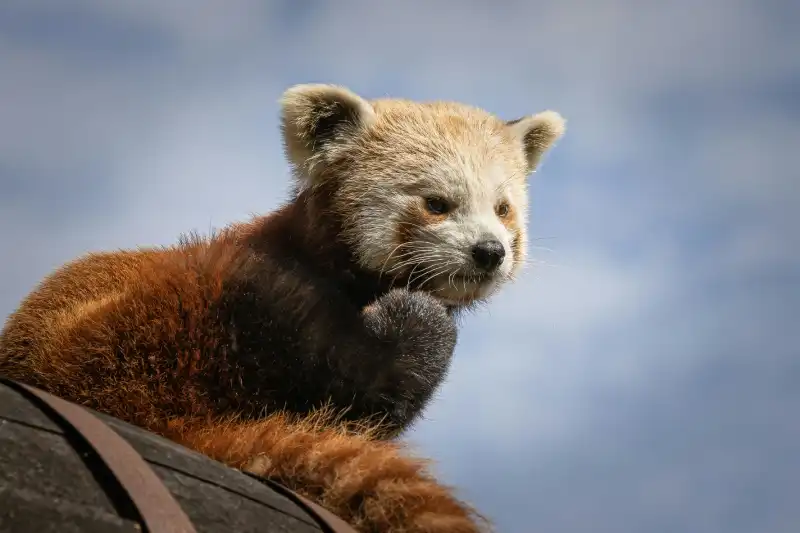
Red panda babies are born blind and helpless, covered in gray fur that later turns to their distinctive russet color. At birth, they weigh just 3-4 ounces—about the size of a stick of butter.
Cubs stay in their nest for the first 90 days, emerging as miniature versions of adults with oversized ears and fluffy tails. Their first wobbly steps and tumbling attempts at climbing are impossibly endearing.
Precious Factor: Tiny size, gray-to-red color transformation, clumsy climbing attempts, and the way they tumble like living teddy bears.
2. Penguin Chicks: Fluffy Gray Puffballs
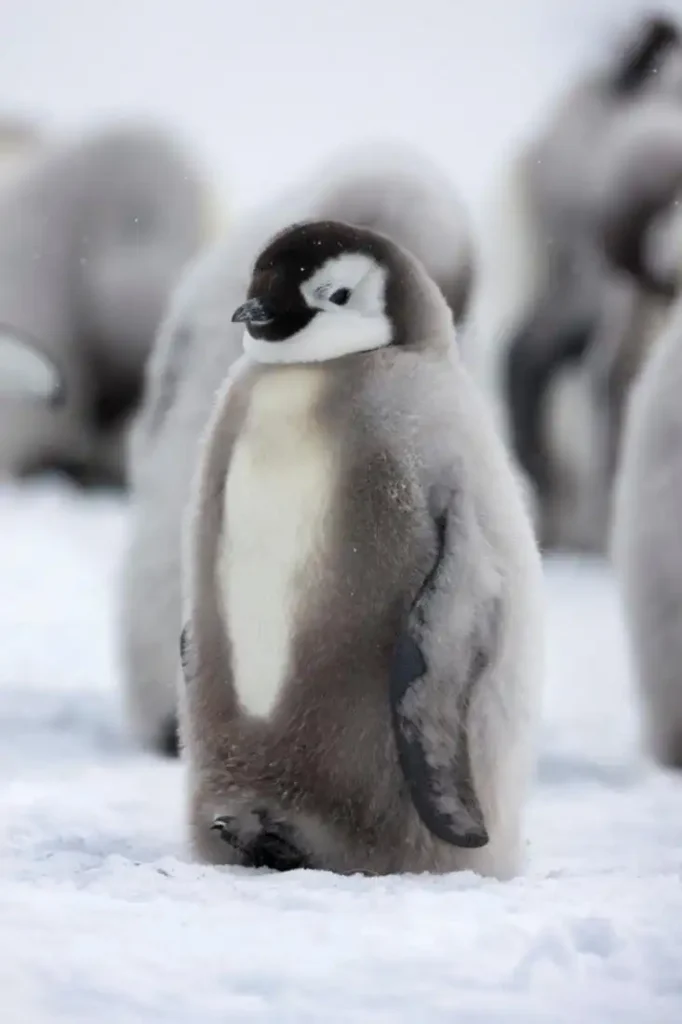
Emperor penguin chicks are covered in silver-gray down that makes them look like fluffy clouds. They huddle together in crèches (nurseries) while parents hunt for food.
Baby penguins are helpless against cold and predators, relying entirely on parental care and group warmth. Their oversized feet and wobbly walking attempts are comical and touching.
Precious Factor: Impossibly fluffy down, group huddling behavior, oversized feet, and the dramatic transformation to sleek adult plumage.
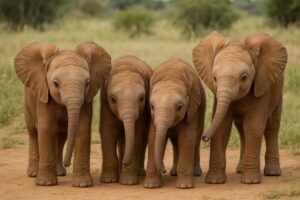
3. Elephant Calves: Trunk-Learning Giants
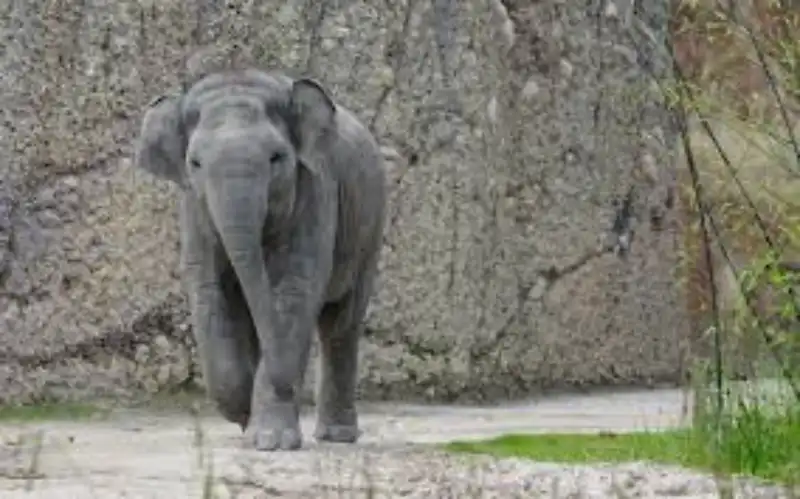
Baby elephants are born weighing 200+ pounds but appear tiny next to their mothers. They’re covered in fuzzy hair and have little control over their trunks, which flop about adorably.
Calves learn trunk control gradually, often tripping over their own trunks or sucking them like thumbs. The entire herd protects and dotes on babies, making them some of nature’s most cherished infants.
Precious Factor: Fuzzy baby hair, uncontrolled floppy trunks, their tendency to hide under mom’s belly, and whole-herd devotion.
4. Otter Pups: Floating Furballs
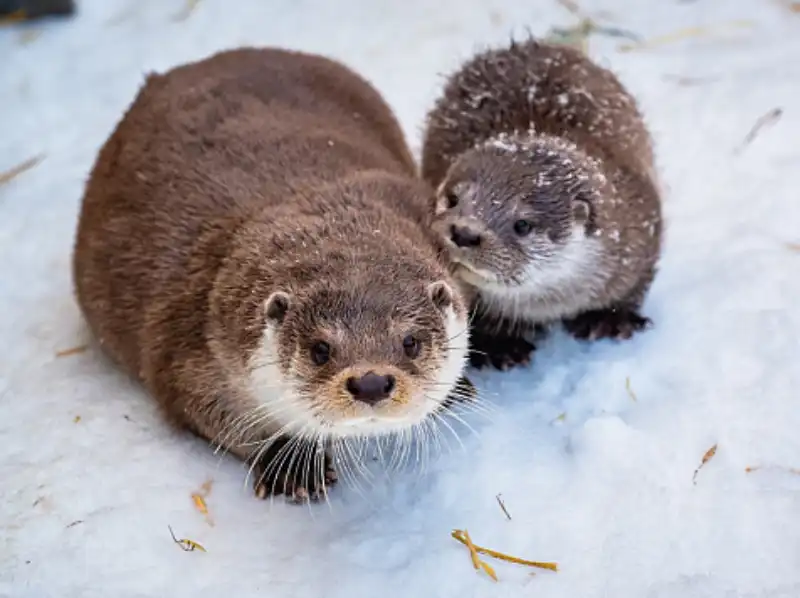
Sea otter pups are born with fluffy, buoyant fur that keeps them floating like corks. They can’t dive initially and rest on their mothers’ bellies while she forages.
Baby otters make high-pitched crying sounds when separated from mom. Their tiny paws and whiskered faces combined with their floating helplessness create peak cuteness.
Precious Factor: Impossibly fluffy fur, floating like toys, high-pitched cries, and riding on mom’s belly through the waves.
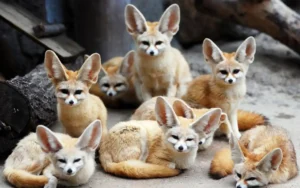
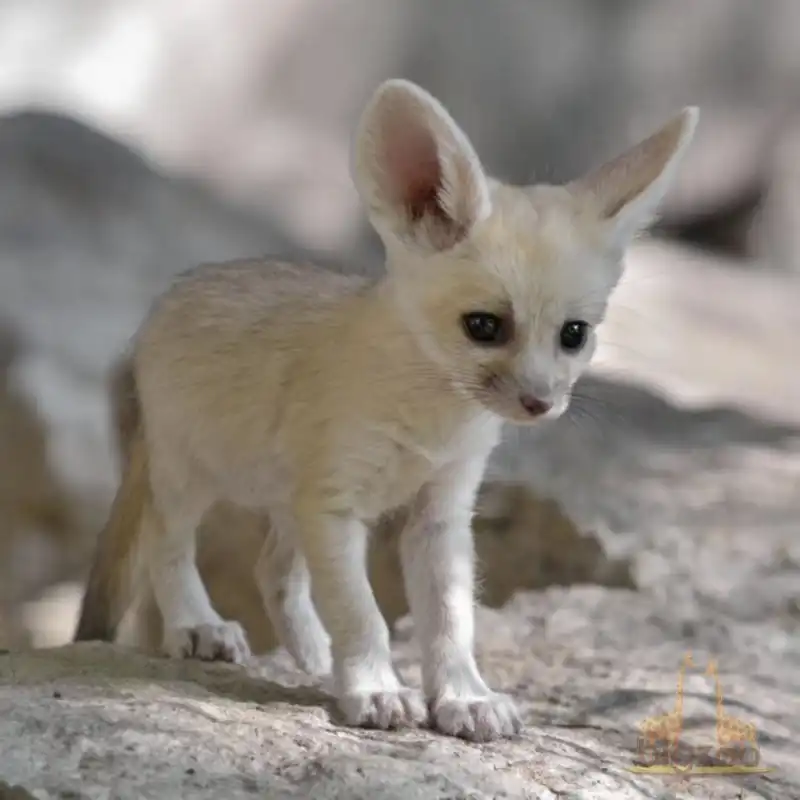
5. Fennec Fox Kits: Oversized Ears on Tiny Bodies
Fennec fox babies are born with ears that seem impossibly large for their tiny heads. These desert foxes weigh just 2 ounces at birth—smaller than a tennis ball.
Kits are playful and curious, exploring their desert dens with oversized ears swiveling to catch every sound. Their cream-colored fluff and disproportionate features maximize cuteness.
Precious Factor: Gigantic ears on tiny bodies, miniature size, fluffy cream fur, and playful, curious personalities.
6. Hedgehog Hoglets: Soft-Spined Babies
Baby hedgehogs are born with soft, white spines that don’t harden for several weeks. Newborn hoglets are pink, blind, and completely helpless.
As they grow, their spines harden and darken, but babies remain impossibly tiny. Their snuffling sounds and miniature curling behavior are endearing even at their smallest.
Precious Factor: Soft spines that won’t prick, tiny pink bodies, miniature snouts, and the way they curl into tiny balls.
7. Koala Joeys: Eucalyptus Babies
Koala babies are born the size of jelly beans—just 2cm long—and climb into mom’s pouch to continue developing. When they emerge months later, they’re fluffy miniatures clinging to mom’s back.
Joeys eat a special substance called “pap” from their mother before transitioning to eucalyptus leaves. Their oversized fuzzy ears and constant clinging to mom are heart-melting.
Precious Factor: Jelly bean birth size, fuzzy gray fur, oversized ears, koala-back riding, and perpetual sleepy expressions.
8. Seal Pups: White Fluffy Bundles
Harp seal pups are born with fluffy white coats that make them look like living stuffed animals. Their large, dark eyes create stunning contrast against white fur.
Pups nurse on rich milk, gaining several pounds daily. During this time, they’re almost immobile, simply lying on ice looking impossibly cute and vulnerable.
Precious Factor: Pure white fluffy coats, enormous dark eyes, helpless immobility on ice, and rapid transformation to adult coloring.
9. Bunny Kits: Cotton Ball Babies
Baby rabbits are born hairless and blind, but within weeks become impossibly fluffy miniatures. Their tiny pink noses, oversized ears, and hopping practice attempts are precious.
Kits huddle together in fur-lined nests, looking like piles of cotton balls. Their twitching noses and the way they clean their tiny faces are endearing behaviors.
Precious Factor: Extreme fluffiness, oversized ears on tiny bodies, miniature hops, nose twitching, and cotton ball appearance.
10. Piglets: Tiny Oinkers
Baby pigs are surprisingly small, clean, and adorable. Newborn piglets can fit in your hand and make the sweetest snuffling, squeaking sounds.
Piglets are incredibly playful, running in groups and engaging in mock battles. Their curly tails, pink snouts, and enthusiastic personalities make them charming babies.
Precious Factor: Handheld size at birth, curly tails, playful running, sweet vocalizations, and surprising cleanliness as babies.
11. Fawn: Spotted Forest Babies
Baby deer are born with white spots for camouflage and incredibly long, wobbly legs. Their first attempts at standing and walking are both awkward and endearing.
Fawns “freeze” when threatened, lying perfectly still while mom forages. Their huge eyes, spots, and delicate features make them storybook perfect.
Precious Factor: White spots, impossibly long legs, huge dark eyes, wobbling first steps, and their instinct to freeze when scared.
12. Duckling: Fluffy Yellow Followers
Baby ducks are covered in soft yellow down and follow their mother in adorable single-file lines. Their cheeping sounds and constant motion make them perpetual entertainment.
Ducklings can swim almost immediately after hatching. Watching them paddle with tiny webbed feet while keeping up with mom is precious.
Precious Factor: Bright yellow fluff, single-file following, tiny webbed feet, constant cheeping, and immediate swimming ability.
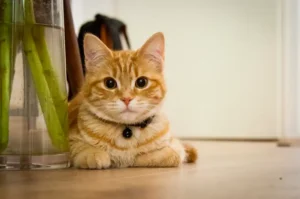
13. Kitten: Tiny Feline Chaos
Baby cats are born with closed eyes and tiny, folded ears. Within weeks, they transform into playful bundles of energy with oversized paws and ears.
Kittens learn through play—pouncing, tumbling, and “hunting” anything that moves. Their tiny meows, toe beans, and habit of falling asleep mid-play are endearing.
Precious Factor: Oversized paws and ears, tiny meows, surprise pouncing, toe beans, and falling asleep instantly in weird positions.
14. Puppy: The Universal Favorite
Baby dogs come in endless varieties but share common traits—floppy ears, puppy breath, oversized paws, and boundless enthusiasm. Puppies experience the world with uninhibited joy.
Their clumsy tumbling, tail-chasing, and the way they fall asleep suddenly anywhere make them endlessly entertaining. Puppies show pure, unfiltered emotion in everything they do.
Precious Factor: Floppy ears, oversized paws, puppy breath, clumsy tumbles, instant exhaustion, and unconditional enthusiasm.
15. Giraffe Calves: Long-Legged Wonders
Baby giraffes are born after a 6-foot drop to the ground, standing within an hour. Despite their height (6 feet at birth!), they appear adorably disproportionate.
Calves have shorter necks relative to their bodies than adults, and their gangly legs make early walking attempts wobbly. Their long eyelashes and gentle expressions are beautiful.
Precious Factor: Extreme height at birth, wobbly walking on long legs, shorter necks than adults, and incredibly long eyelashes.
16. Lamb: Bouncing White Clouds
Baby sheep are born with woolly coats and immediately try to stand on wobbly legs. Within days, they’re bouncing and leaping in groups—behavior called “gamboling.”
Lambs have tiny bleats and often race around in small herds, jumping over each other for pure joy. Their fluffy white wool and playful energy are irresistible.
Precious Factor: Woolly white coats, bouncing “gamboling” behavior, tiny bleats, and pure joy in movement.
17. Chick: Fluffy Chirpers
Baby chickens emerge from eggs as tiny, fluffy yellow or brown balls. They cheep constantly, communicate with mother hens, and follow her everywhere.
Chicks learn by watching mom, pecking at potential food items and seeking warmth under her wings. Their tiny size and constant motion are endearing.
Precious Factor: Egg-breaking emergence, constant cheeping, hiding under mom’s wings, and pecking at everything to learn.
18. Pigmy Hippo Calf: Miniature Water Baby
Baby pygmy hippos are much smaller than their common hippo cousins but equally adorable. They’re born on land and follow mom to water within days.
Calves have smooth, dark skin and stay close to mom, nursing both underwater and on land. Their tiny snouts and ears are perfect miniatures of adult features.
Precious Factor: Miniature versions of already cute adults, smooth baby skin, underwater nursing, and tiny ears and snouts.
19. Sloth Baby: Slow-Moving Clinger
Baby sloths cling to their mothers’ bellies for the first months of life, barely moving. Their tiny claws grip mom’s fur while she slowly navigates the canopy.
Sloth babies have oversized eyes and permanent slight smiles. Everything they do happens in slow motion, including their adorable yawning and stretching.
Precious Factor: Clinging to mom, slow-motion everything, oversized eyes, permanent slight smile, and barely-there movements.
20. Red Fox Kit: Tiny Woodland Hunters
Baby red foxes are born dark gray or brown, gradually developing their characteristic red coats. Kits are playful, wrestling with siblings and stalking insects.
Fox kits have oversized ears relative to their heads and make various vocalizations including small barks and screams. Their hunting play and sibling interactions are entertaining.
Precious Factor: Color transformation, oversized ears, playful stalking behaviors, wrestling matches, and tiny vocalizations.
21. Chipmunk Pup: Striped Speedsters
Baby chipmunks are born hairless but quickly develop their distinctive stripes. By the time they emerge from burrows, they’re miniature versions of adults.
Pups learn to stuff their cheek pouches, often overfilling them comically. Their quick movements, tiny size, and striped patterns make them forest favorites.
Precious Factor: Distinctive stripes, overstuffed cheek pouches, quick darting movements, and tiny size with full adult patterns.
22. Panda Cub: Pink to Fuzzy Transformation
Giant panda babies are born surprisingly tiny—about 1/900th of their mother’s weight, making them among the smallest mammal babies relative to adult size.
Newborn pandas are pink, hairless, and blind. Within weeks, they develop their iconic black and white pattern. Their transformation and clumsy tumbling are world-famous.
Precious Factor: Extreme size difference from mom, pink newborn appearance, developing black and white pattern, and clumsy rolling.
23. Dolphin Calf: Aquatic Playmate
Baby dolphins are born tail-first and immediately swim to the surface for their first breath. They stay close to mom, matching her swimming movements.
Calves are lighter colored than adults with visible fetal folds (lines from being curled in the womb). Their playful jumps and spins begin early.
Precious Factor: Immediate swimming ability, visible fetal folds, matching mom’s movements, early jumping attempts, and playful personality.
24. Owl Chick: Fluffy White Puffball
Baby owls emerge as white or gray fluffy masses with closed eyes. As they grow, their eyes open to reveal large, curious stares.
Owlet behavior is hilariously awkward—bobbing heads, falling over, and making various strange sounds. Their transformation to sleek adults is dramatic.
Precious Factor: Extreme fluffiness, bobbing head movements, falling over frequently, huge eyes opening, and awkward sounds.
25. Squirrel Kit: Bushy-Tailed Babies
Baby squirrels are born hairless, but within weeks sport fluffy fur and developing bushy tails. Their oversized ears and eyes dominate tiny faces.
Kits practice jumping between branches, often miscalculating and tumbling. Their tiny claws and determination to master squirrel skills are endearing.
Precious Factor: Developing bushy tails, oversized features, practicing jumps and failing adorably, and tiny determined expressions.
26. Kangaroo Joey: Pouch Dweller
Kangaroo babies are born tiny (about 1 inch) and crawl into mom’s pouch to continue developing. When they emerge months later, they peek out adorably.
Joeys gradually leave the pouch for longer periods, sometimes diving back in headfirst when scared. Their hopping practice attempts are clumsy and sweet.
Precious Factor: Tiny birth size, pouch peeking, headfirst diving back in, clumsy hopping practice, and gradual independence.
27. Beaver Kit: Tiny Engineers
Baby beavers are born fully furred with open eyes and can swim within days. Despite this precociousness, they’re tiny versions of parents with small flat tails.
Kits learn building behaviors by watching parents and practicing with small sticks. Their tiny squeaks and miniature dam-building attempts are precious.
Precious Factor: Born ready to swim, miniature flat tails, tiny building attempts, swimming behind parents, and squeaky vocalizations.
28. Armadillo Pup: Armored Baby
Baby armadillos have soft, leathery shells that harden over time. They’re born with open eyes and can walk within hours, though unsteadily.
Pups follow mom in single file, looking like tiny armored tanks. Their soft shells, tiny claws, and determined walking are endearing.
Precious Factor: Soft baby shells, miniature armored appearance, following mom in lines, and transformation to hard shells.
29. Peacock Peachick: Future Showstoppers
Baby peacocks lack the spectacular tails of adults but are adorable in their own right. Peachicks have fluffy brown and tan plumage and follow parents closely.
They practice displaying behaviors even without proper tails, spreading their tiny tail feathers adorably. Their transformation to colorful adults takes years.
Precious Factor: Fluffy brown babies transforming to colorful adults, tiny display attempts, following parents, and gradual feather development.
30. Alpaca Cria: Fluffy Fiber Babies
Baby alpacas (crias) are born during daylight hours and stand within an hour. They’re incredibly fluffy, often appearing to be wearing oversized sweaters.
Crias pronk (jump with all four legs) when playing, looking like fluffy springs. Their long necks, huge eyes, and constant humming are charming.
Precious Factor: Extreme fluffiness, pronking jumps, long necks on small bodies, humming sounds, and sweater-like appearance.
31. Meerkat Pup: Tiny Sentinels
Baby meerkats are born in underground burrows and emerge after several weeks. Pups are taught to hunt and stand guard by the entire mob.
Young meerkats practice standing sentry, though they’re too short to see far. Their diligent attempts at adult behaviors while tiny are precious.
Precious Factor: Learning sentry behavior while too small, group raising by mob, practice hunting, and determined expressions.
32. Turtle Hatchling: Determined Travelers
Baby sea turtles break out of eggs buried in beach sand and immediately scramble toward the ocean. These tiny turtles face enormous challenges from their first moments.
Hatchlings are miniature versions of adults with oversized flippers. Their determined crawl to the sea and immediate swimming ability are remarkable and touching.
Precious Factor: Tiny size, oversized flippers, determined beach scramble, immediate ocean swimming, and pure survival instinct.
33. Porcupine Porcupette: Soft-Quilled Babies
Baby porcupines (porcupettes) are born with soft quills that harden within hours. They’re born with open eyes and can climb trees within days.
Porcupettes have endearing faces with tiny features and make various sounds including whines and squeaks. Their rapid development doesn’t diminish their cuteness.
Precious Factor: Soft quills at birth, quick development, climbing ability, whimpering sounds, and tiny faces with quills.
34. Walrus Calf: Whiskered Water Baby
Baby walruses are born on ice with thick blubber and distinctive whiskers. They’re gray at birth, turning brown as they age.
Calves are incredibly vocal, maintaining constant communication with mothers. Their whiskers, flippers, and devoted mother-calf bonds are touching to observe.
Precious Factor: Thick whiskers at birth, vocal communication, devoted mother bond, gray-to-brown color change, and blubbery appearance.
35. Bat Pup: Tiny Flying Mammal
Baby bats cling to their mothers with tiny claws and thumbs. Many bat pups are born hairless and pink, developing fur quickly.
Fruit bat babies have dog-like faces and large eyes, while other species have various adorable features. Pups practicing flight often have awkward first attempts.
Precious Factor: Clinging to mom, tiny wings, puppy-like faces (fruit bats), first flight attempts, and miniature features.
Complete Guide to Baby Cute Animals
| Baby Animal | Adult Name | Birth Weight | Time to Walk/Move | Baby-Specific Name | Development Speed | Cuteness Peak Age | Parental Care Level | Birth Condition | |————-|———–|————–|——————-|——————-|——————-|——————-|——————–|-|—————-| | Red Panda Cub | Red Panda | 110-130g | 90 days | Cub | Slow | 3-6 months | High (maternal) | Altricial (helpless) | | Penguin Chick | Penguin | 150-315g | Immediate (limited) | Chick | Moderate | 1-3 months | Very High (both parents) | Semi-precocial | | Elephant Calf | Elephant | 90-120kg | 1 hour | Calf | Slow | 0-2 years | Very High (herd) | Precocial | | Otter Pup | Sea Otter | 1.4-2.3kg | Weeks (swimming later) | Pup | Moderate | 0-6 months | Very High (maternal) | Altricial | | Fennec Kit | Fennec Fox | 50g | 2-3 weeks | Kit | Moderate | 2-4 months | High (both parents) | Altricial | | Hoglet | Hedgehog | 10-25g | 2-3 weeks | Hoglet | Fast | 2-4 weeks | Moderate (maternal) | Altricial | | Joey | Koala | 0.5g | Months (in pouch) | Joey | Very Slow | 6-12 months | High (maternal) | Extremely altricial | | Seal Pup | Harp Seal | 11kg | Hours | Pup | Fast | 0-3 weeks | High (maternal) | Precocial | | Kit | Rabbit | 30-50g | 3 weeks | Kit | Fast | 2-4 weeks | Moderate (maternal) | Altricial | | Piglet | Pig | 1-1.5kg | Minutes | Piglet | Fast | 0-2 months | Moderate (maternal) | Precocial | | Fawn | Deer | 3-4kg | Hours | Fawn | Moderate-Fast | 0-3 months | Moderate (maternal) | Precocial | | Duckling | Duck | 25-75g | Hours | Duckling | Very Fast | 0-4 weeks | Moderate (maternal) | Precocial | | Kitten | Cat | 85-115g | 2-3 weeks | Kitten | Moderate | 2-8 weeks | Moderate (maternal) | Altricial | | Puppy | Dog | 150-700g | 2-3 weeks | Puppy | Moderate | 4-12 weeks | High (maternal) | Altricial | | Calf | Giraffe | 50-70kg | 1 hour | Calf | Fast | 0-6 months | Moderate (maternal) | Precocial | | Lamb | Sheep | 2-6kg | Hours | Lamb | Fast | 0-2 months | Moderate (maternal) | Precocial | | Chick | Chicken | 35-40g | Hours | Chick | Very Fast | 0-3 weeks | Moderate (maternal) | Precocial | | Calf | Pygmy Hippo | 4.5-6kg | Days | Calf | Moderate | 0-6 months | High (maternal) | Semi-precocial | | Baby | Sloth | 200-450g | Months (clinging) | Baby | Very Slow | 0-9 months | High (maternal) | Altricial | | Kit | Red Fox | 50-150g | 3-4 weeks | Kit | Moderate | 1-3 months | High (both parents) | Altricial | | Pup | Chipmunk | 2-3g | 4-6 weeks | Pup | Moderate | 5-8 weeks | Moderate (maternal) | Altricial | | Cub | Giant Panda | 90-130g | 3 months | Cub | Very Slow | 3-12 months | Very High (maternal) | Extremely altricial | | Calf | Dolphin | 10-20kg | Seconds (swimming) | Calf | Fast | 0-12 months | Very High (maternal) | Precocial | | Owlet/Chick | Owl | 10-50g | Weeks | Owlet | Moderate | 2-6 weeks | High (both parents) | Altricial | | Kit/Pup | Squirrel | 10-18g | 5-6 weeks | Kit/Pup | Moderate | 6-10 weeks | High (maternal) | Altricial | | Joey | Kangaroo | <1g | Months (in pouch) | Joey | Very Slow | 6-18 months | High (maternal) | Extremely altricial | | Kit | Beaver | 300-600g | Days | Kit | Fast | 0-3 months | High (both parents) | Precocial | | Pup | Armadillo | 80-150g | Hours | Pup | Fast | 0-2 months | Moderate (maternal) | Precocial | | Peachick | Peacock/Peafowl | 80-100g | Hours | Peachick | Moderate | 0-3 months | Moderate (maternal) | Precocial | | Cria | Alpaca | 6-9kg | 1 hour | Cria | Fast | 0-6 months | Moderate (maternal) | Precocial | | Pup | Meerkat | 25-35g | 3-4 weeks | Pup | Moderate | 4-10 weeks | Very High (mob) | Altricial | | Hatchling | Sea Turtle | 15-50g | Minutes | Hatchling | Immediate | 0-1 day | None | Super-precocial | | Porcupette | Porcupine | 350-650g | Days | Porcupette | Fast | 0-3 months | Moderate (maternal) | Precocial | | Calf | Walrus | 45-75kg | Immediate (in water) | Calf | Moderate | 0-12 months | Very High (maternal) | Semi-precocial | | Pup | Bat | 2-25g | Weeks | Pup | Moderate-Fast | 2-6 weeks | High (maternal) | Altricial |
Comparing Baby Animal Cuteness Factors
| Cuteness Factor | Animals with This Feature | Why It’s Precious | Human Response | Development Purpose | When It Peaks | How Long It Lasts |
|---|---|---|---|---|---|---|
| Oversized Eyes | Red Pandas, Seals, Owls, Deer, Sloths, Alpacas | Triggers protective instincts | “Aww” response, desire to protect | Better vision development, communication | Birth to 3 months | Gradually proportional |
| Fluffy Fur/Feathers | Penguins, Otters, Bunnies, Ducklings, Chicks, Seals | Soft, huggable appearance | Want to touch, cuddle | Insulation before adult coat | 1-8 weeks | Until first molt |
| Clumsy Movement | Elephants, Giraffes, Puppies, Kittens, Pandas | Appears vulnerable, endearing | Patience, amusement | Learning motor control | 1-6 weeks | Until coordination develops |
| Small Size | All babies relative to adults | Appears non-threatening, precious | Protective urges | Efficient energy use during development | Birth | Until juvenile stage |
| High-Pitched Sounds | Kittens, Puppies, Chicks, Piglets, Calves | Sounds needy, appeals for help | Attention, caregiving response | Communicating needs to parents | Birth to weaning | Until voice deepens |
| Disproportionate Features | Puppies (paws), Fennec Foxes (ears), Fawns (legs) | Appears awkward, unfinished | Amusement, affection | Growing into adult proportions | First months | Until growth evens out |
| Following Behavior | Ducklings, Fawns, Lambs, Chicks | Shows dependence, trust | Protective feelings | Imprinting, learning survival skills | First weeks | Until independence |
| Playful Behavior | Kittens, Puppies, Fox Kits, Otter Pups | Pure joy, entertainment | Delight, laughter | Learning hunting/survival skills | 3-12 weeks | Into juvenile stage |
| Pouch/Clinging | Joeys, Sloths, Bats, Koalas | Complete dependence shown | Extreme protective response | Extended development in safety | First months | Until ready for independence |
| Color Transformation | Pandas, Red Pandas, Seals, Foxes | Dramatic visible change | Fascination with development | Camouflage or adult coloration | Varies | Weeks to months |
| Helplessness | All altricial babies (birds, cats, dogs) | Cannot survive alone | Strong urge to help | Complete parental dependence necessary | Birth to weeks | Until eyes open, mobility |
| Immediate Competence | Turtles, Deer, Giraffes, Horses | Inspiring determination | Admiration, respect | Prey animal survival necessity | Birth | Brief—quickly become capable |
Why Baby Animal Cuteness Matters
Evolutionary Benefits for Babies
Cuteness isn’t accidental—it’s a survival strategy. Baby animals that trigger stronger protective responses in parents receive better care and have higher survival rates.
Cross-species adoption occasionally occurs because other animals respond to baby cuteness features too. Goats have adopted puppies, and dogs have nursed kittens, showing how universal these triggers are.
The more helpless the baby, the cuter it typically appears. This maximizes parental investment during the vulnerable period when babies can’t survive independently.
Conservation Through Emotional Connection
People support conservation more readily for cute animals, especially babies. Images of endangered baby animals raise more funds and awareness than adult photos.
This emotional leverage, while seemingly superficial, creates real-world protection. Cute baby animals become ambassadors for entire ecosystems and conservation efforts.
Organizations strategically use baby animal images in campaigns because they work—cuteness translates to action and donations more effectively than scientific data alone.
Educational Opportunities
Baby animals provide perfect teaching moments about reproduction, parenting, and life cycles. Children naturally connect with babies and remember lessons learned through cute examples.
Zoos and sanctuaries time educational programs around baby seasons when possible, knowing that baby animals attract visitors and create memorable learning experiences.
Watching baby animals develop teaches patience, responsibility, and the value of nurturing—lessons transferable to human relationships and environmental stewardship.
The Science of Baby Animal Development
Precocial vs. Altricial
Precocial babies (deer, ducks, turtles) are born relatively mature—eyes open, mobile, and somewhat independent. They’re cute through competence and determination.
Altricial babies (kittens, puppies, pandas) are born helpless—blind, immobile, and completely dependent. They’re cute through vulnerability and dramatic development.
This difference affects cuteness duration. Precocial babies are briefly cute before becoming juveniles. Altricial babies have extended cute periods as they slowly develop capabilities.
Growth Rates and Cute Windows
Fast-growing babies have shorter cute periods. Ducklings and chicks are adorable for just weeks before resembling small adults.
Slow developers like pandas, elephants, and primates stay cute longer—months or even years. Their extended babyhood creates longer windows for bonding and learning.
Understanding these timelines helps appreciate the fleeting nature of babyhood. That tiny kitten will be an adult cat in months—enjoy the baby phase while it lasts.
Parental Investment Strategies
Species with high parental investment (elephants, primates, wolves) have cuter babies that stay dependent longer. Extended cuteness maintains parental motivation during lengthy care periods.
Species with low investment (turtles, many fish) have babies that look like miniature adults and receive no parental care. They’re cute but don’t need to be as extremely so.
The level of baby cuteness often correlates directly with how much parental care the species requires for survival.
Baby Animal Seasons and Breeding
Spring Babies
Most temperate species birth in spring when food becomes abundant. This timing means late winter/early spring is peak cute baby season in many regions.
Fawns, lambs, bunnies, and chicks all typically arrive in spring. Wildlife rehabilitation centers see influxes of baby animals during
You May Also Like