15 Cute Animals with Fascinating Hidden Talents
15 Cute animals capture our hearts with their adorable appearances, but many possess extraordinary abilities that go far beyond their charming looks. These hidden talents range from superhuman senses to incredible problem-solving skills that would impress any scientist.
Nature has equipped even the smallest, fluffiest creatures with remarkable capabilities that help them survive, thrive, and sometimes outperform humans in specific tasks. These talents often go unnoticed because we’re distracted by their cuteness.
This comprehensive guide reveals the secret superpowers of 15 adorable animals, proving that being cute and being capable aren’t mutually exclusive. Prepare to see your favorite animals in an entirely new light.
Why Cute Animals Develop Amazing Abilities
Survival Necessities
Cute animals often develop extraordinary talents out of necessity. Small size or adorable appearance don’t deter predators, so these animals need compensating abilities to survive.
Exceptional hearing, unique communication methods, or surprising intelligence help cute animals thrive despite physical limitations. Evolution doesn’t care about appearance—only survival.
Many talents that seem like party tricks serve critical survival functions. A raccoon’s dexterous hands aren’t cute accessories—they’re sophisticated tools for finding food.
Evolutionary Advantages
Hidden talents often provide competitive advantages within ecosystems. Animals with superior abilities to find food, avoid predators, or communicate outcompete others.
These capabilities sometimes develop over millions of years through natural selection. Other times, intelligent species develop new skills within their own lifetimes.
Understanding these talents helps us appreciate the complexity of even the smallest, cutest creatures sharing our planet.
15 Cute Animals with Incredible Hidden Talents
1. Octopus: The Underwater Genius
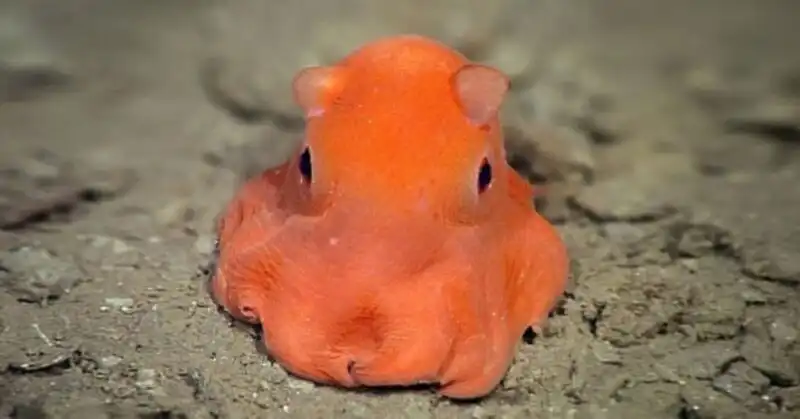
Octopuses are undeniably cute with their bulbous heads and eight wiggly arms, but their intelligence rivals some mammals. These marine invertebrates possess approximately 500 million neurons—more than dogs.
Hidden Talent: Problem-Solving and Tool Use – Octopuses open childproof containers, navigate mazes, and use coconut shells as portable shelters. They’ve been observed carrying tools for later use, showing planning ability.
They can also change color and texture in milliseconds, becoming invisible against virtually any background. This camouflage ability involves controlling millions of specialized skin cells simultaneously.
Each octopus arm contains two-thirds of the animal’s neurons, allowing independent decision-making. Arms can solve problems and manipulate objects without direct brain involvement.
2. Sea Otter: The Marine Toolmaker
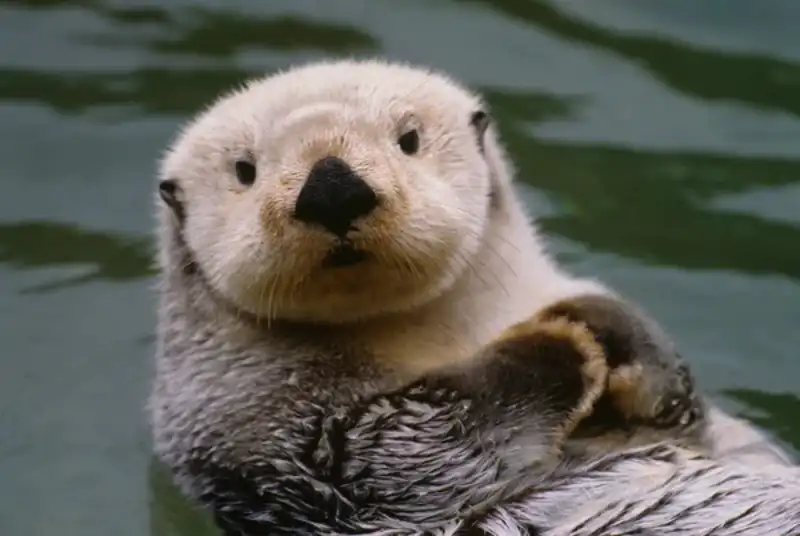
Sea otters float adorably on their backs, often holding hands while sleeping, but they’re among the few animals that regularly use tools in the wild.
Hidden Talent: Advanced Tool Use – Sea otters use rocks as anvils to crack open shellfish, storing favorite rocks in pouches under their arms. They’ve been observed using the same rock repeatedly, showing preference and planning.
Their fur is the densest in the animal kingdom with up to 1 million hairs per square inch. This incredible insulation allows them to survive in cold ocean waters without blubber.
Sea otters are also keystone species—their presence maintains entire ecosystem health by controlling sea urchin populations that would otherwise devastate kelp forests.
3. Crows and Ravens: Feathered Einsteins
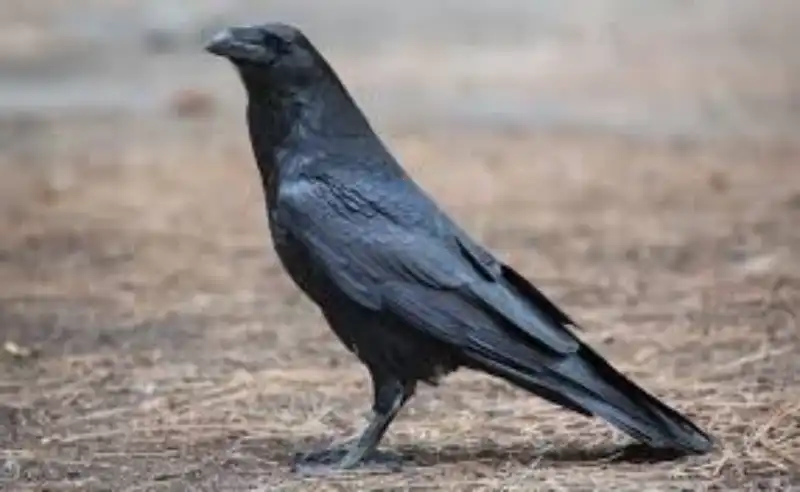
These glossy black birds are adorable when young and surprisingly intelligent throughout their lives. Their problem-solving abilities rival great apes in many tests.
Hidden Talent: Multi-Step Problem Solving – Crows solve complex puzzles requiring up to eight sequential steps. They understand water displacement (like Aesop’s fable) and create hooked tools from straight wire.
Ravens plan for future needs, a cognitive ability once thought unique to humans and great apes. They cache food in locations they’ll visit later and adjust behavior based on who’s watching.
These birds also hold “funerals” where they gather around dead flock members, possibly learning about threats. They remember human faces for years and share information about dangerous people.
4. Bumblebees: Tiny Mathematicians
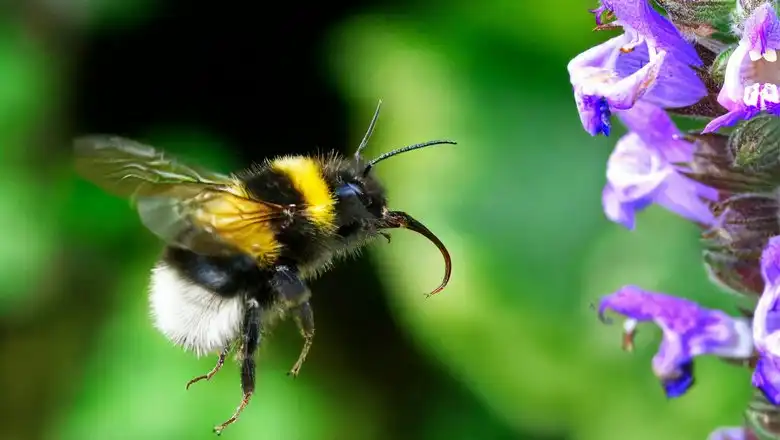
Bumblebees are impossibly fuzzy and adorable, bumbling through gardens with surprising grace. Despite having brains smaller than sesame seeds, they perform mathematical calculations.
Hidden Talent: Mathematical Problem-Solving – Bumblebees solve the “traveling salesman problem,” calculating the most efficient route between flowers. This complex optimization challenge stumps computers with many variables.
They can also learn abstract concepts like “sameness” and “difference,” and even understand the concept of zero—an abstract mathematical concept that took humans millennia to develop.
Bumblebees communicate through “waggle dances” that convey precise information about distance, direction, and quality of food sources. This symbolic language rivals human communication complexity.
5. Elephants (Baby): Empathetic Giants
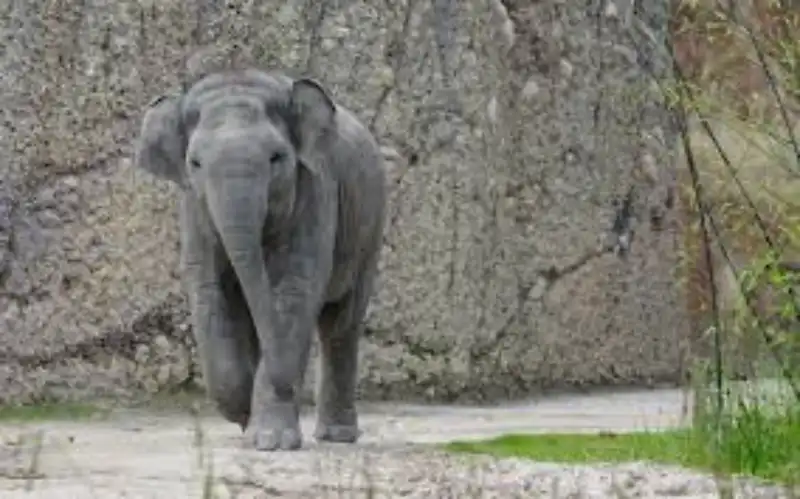
Baby elephants are universally beloved with their floppy ears, tiny trunks, and playful antics. Adult elephants maintain remarkable emotional and cognitive abilities throughout their lives.
Hidden Talent: Exceptional Memory and Empathy – Elephants truly never forget, remembering individuals and locations for decades. They navigate using mental maps spanning hundreds of miles.
They demonstrate genuine empathy, comforting distressed herd members and mourning their dead with apparent grief. Elephants have been observed trying to “bury” deceased companions with branches and soil.
Elephants also use tools, create art, and recognize themselves in mirrors—one of the rarest signs of self-awareness. They can distinguish between different human languages and age groups by voice alone.
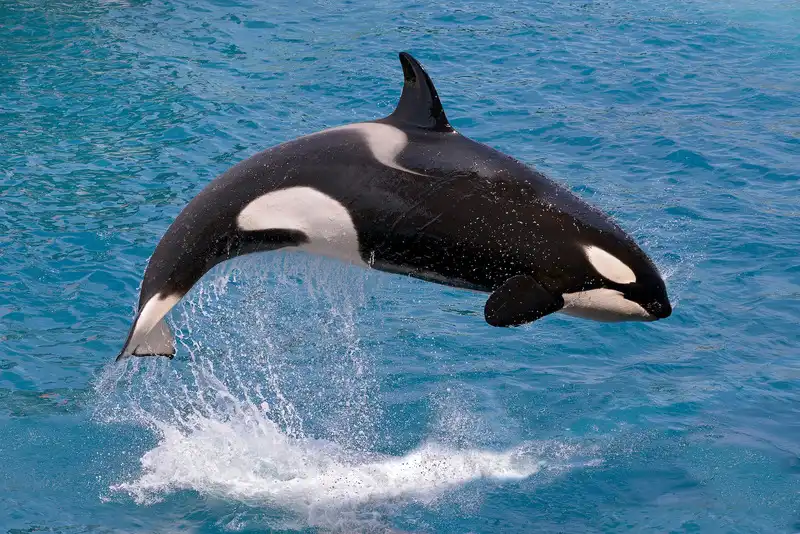
6. Dolphins: Aquatic Acrobats with Superpowers
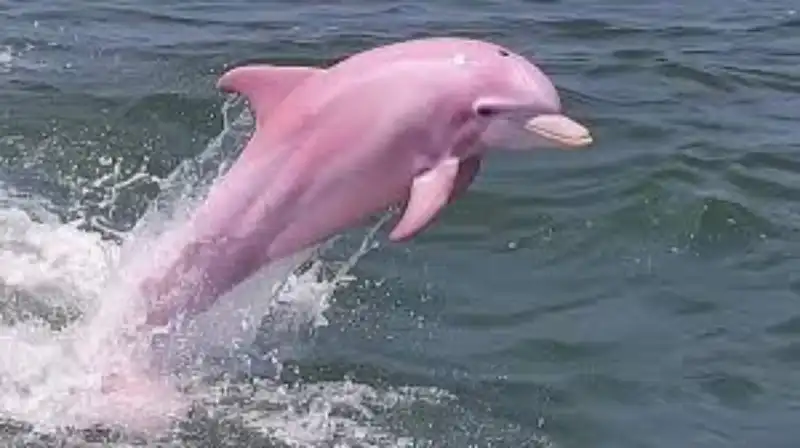
Dolphins captivate audiences with their playful jumps and permanent “smiles.” Their intelligence and social complexity rival primates.
Hidden Talent: Echolocation and Name Recognition – Dolphins use sophisticated echolocation to “see” with sound, detecting objects hundreds of meters away. They can identify object material, size, and shape through echolocation alone.
Each dolphin has a unique signature whistle functioning as a name. They use these names to call specific individuals, and dolphins respond when they hear their name called.
Dolphins also demonstrate self-awareness, use tools (like sponges to protect their snouts while foraging), and pass cultural knowledge between generations—behaviors once considered uniquely human.
7. Squirrels: Nature’s Master Planners
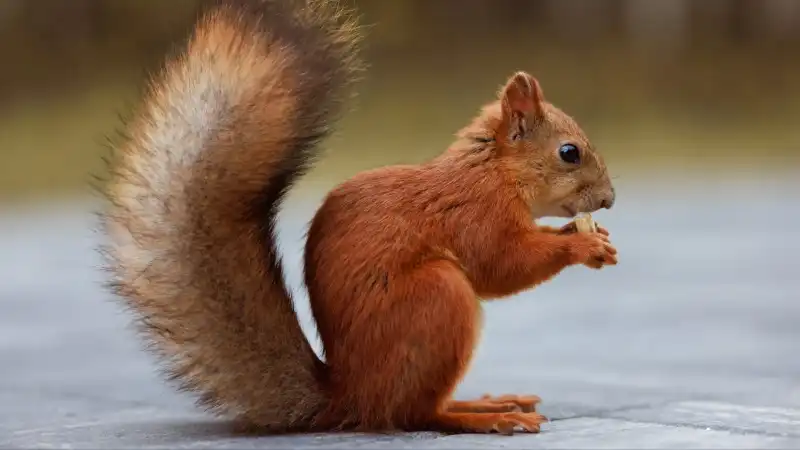
Squirrels delight observers with their fluffy tails and acrobatic leaps. These common animals possess planning abilities that would make professional organizers jealous.
Hidden Talent: Strategic Deception and Memory – Squirrels create false food caches to deceive potential thieves, only pretending to bury food when they sense they’re being watched. This shows understanding of others’ mental states.
They remember thousands of cache locations throughout winter using spatial memory and landmark navigation. Their memory rivals GPS systems in accuracy and efficiency.
Squirrels also calculate jumping trajectories accounting for branch flexibility, wind, and landing surface—all in split-second decisions during high-speed chases.
8. Axolotl: The Regeneration Marvel
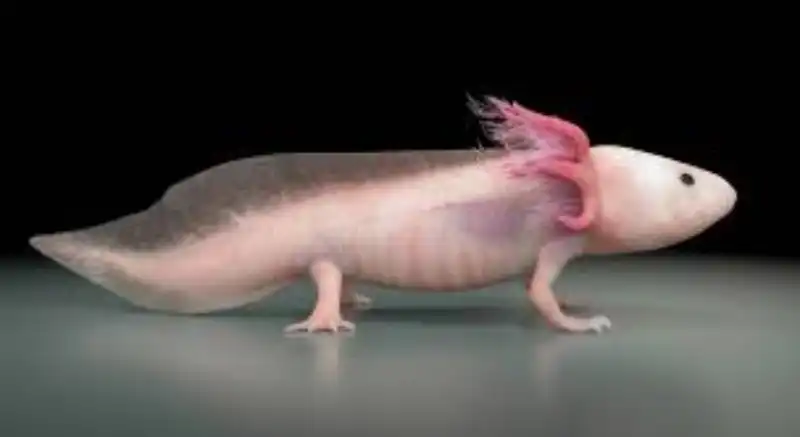
Axolotls are aquatic salamanders with external gills resembling feathery crowns and perpetual smiles. Their cuteness hides one of nature’s most remarkable abilities.
Hidden Talent: Complete Limb Regeneration – Axolotls can regrow entire limbs, including bones, muscles, nerves, and blood vessels. They can even regenerate portions of their hearts, spines, and brains without scarring.
This regenerative ability works throughout their lives, not just when young. Scientists study axolotls intensively, hoping to unlock regenerative medicine secrets for human healthcare.
Unlike most amphibians, axolotls reach sexual maturity while retaining juvenile features (neoteny), essentially remaining “babies” their entire lives—explaining their perpetual cuteness.
9. Sheep: Underestimated Intellectuals
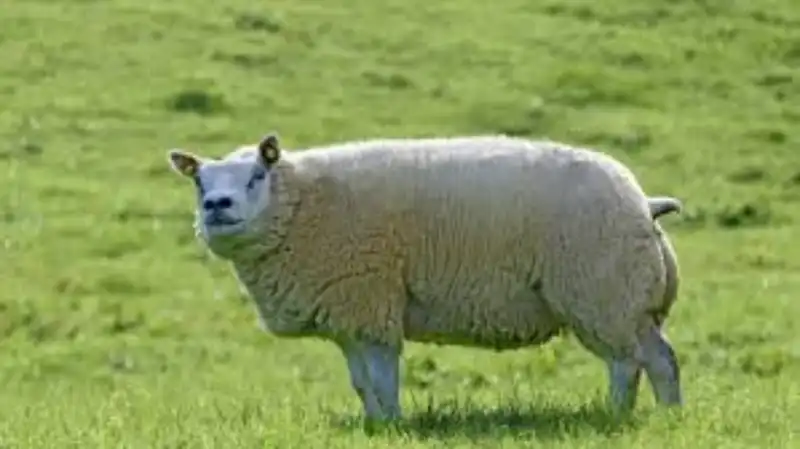
Sheep appear fluffy and somewhat vacant, but research reveals impressive cognitive abilities hidden beneath their wooly exteriors.
Hidden Talent: Facial Recognition and Emotional Intelligence – Sheep recognize and remember at least 50 individual faces (both sheep and human) for years. They form preferential relationships based on these recognitions.
They also demonstrate emotional intelligence, showing empathy toward other sheep and responding to emotional expressions in faces. Sheep can distinguish between happy and angry human expressions.
Sheep solve problems, navigate complex mazes, and learn from watching others—abilities that surprise people who consider them simple herd animals.
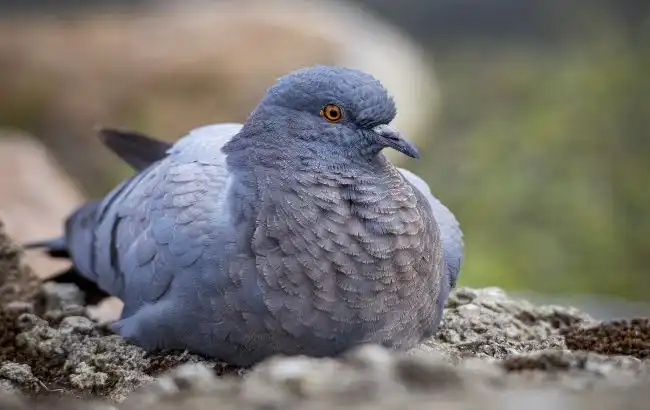
10. Pigeons: The Feathered Navigators
Pigeons are often dismissed as “rats with wings,” but these adorable birds possess navigation abilities that baffle scientists.
Hidden Talent: Superior Navigation and Pattern Recognition – Pigeons navigate using Earth’s magnetic fields, polarized light, infrasound, and visual landmarks simultaneously. They return home from unfamiliar locations hundreds of miles away.
These birds also categorize images as well as humans, distinguishing between Picasso and Monet paintings, recognizing cancerous tissue in medical images, and identifying specific human faces in crowds.
Pigeons can learn up to 1,800 images and remember them for years. Their visual processing and memory rival artificial intelligence systems designed for pattern recognition.
11. Raccoons: The Masked Problem-Solvers
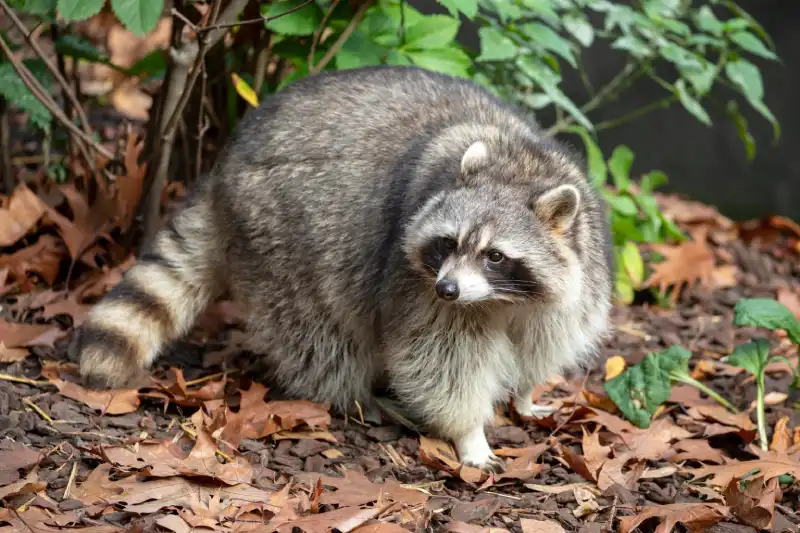
Raccoons are adorable with their bandit masks and dexterous paws. Their problem-solving abilities and adaptability make them urban survival experts.
Hidden Talent: Lock-Picking and Problem-Solving – Raccoons manipulate complex latches, open “childproof” containers, and remember solutions for at least three years. They solve problems requiring sequential steps and adapt strategies when situations change.
Their front paws contain more sensory receptors than human hands. Raccoons “see” with their hands, using touch to identify objects in muddy water or darkness.
Raccoons also demonstrate understanding of abstract concepts and can work cooperatively to solve problems requiring coordination between individuals.
12. Hummingbirds: Tiny Memory Champions
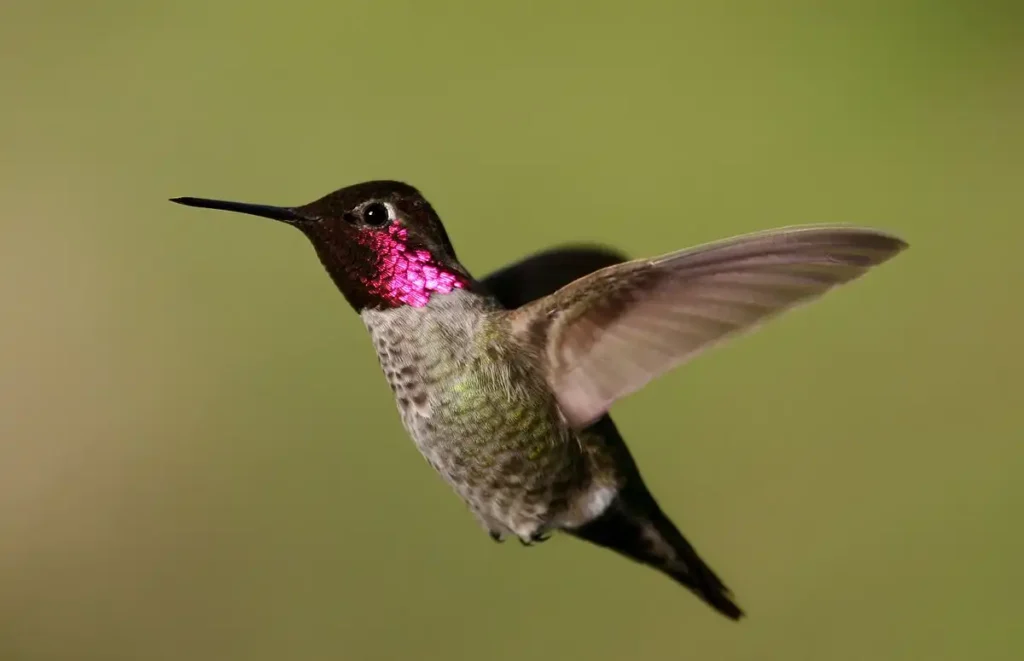
Hummingbirds are jewel-like wonders hovering on invisible wings. Their diminutive size belies extraordinary memory and metabolic capabilities.
Hidden Talent: Photographic Spatial Memory – Hummingbirds remember every flower they’ve visited and exactly when each will refill with nectar. They create mental maps of vast territories and time their visits optimally.
They can fly backwards, upside down, and hover motionless—the only birds with such comprehensive flight control. Their wings beat up to 80 times per second during courtship displays.
Despite weighing less than a nickel, hummingbirds migrate thousands of miles, including 500-mile non-stop flights across the Gulf of Mexico. Their metabolic rate is the highest of any vertebrate.
13. Cats (Domestic): The Liquid Physicists
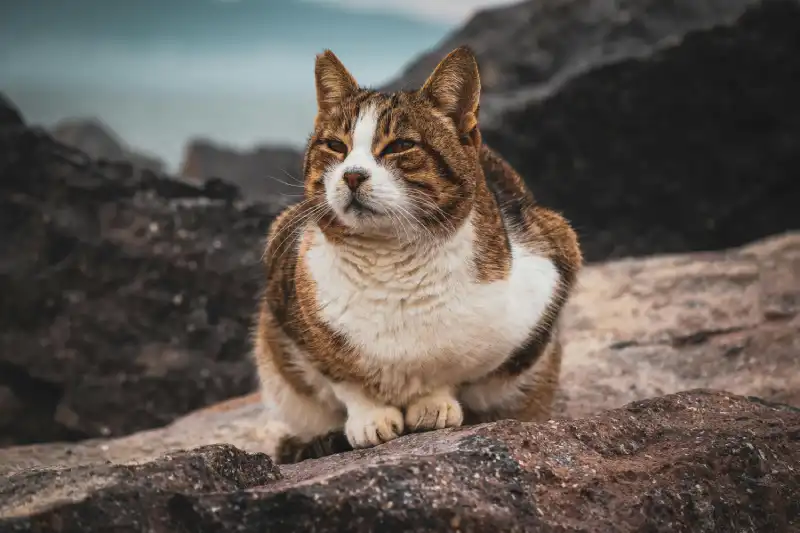
Domestic cats are endlessly cute with their big eyes, toe beans, and playful antics. Their physical abilities demonstrate understanding of physics that would impress scientists.
Hidden Talent: Physics Intuition and Flexible Bodies – Cats understand gravity, object permanence, and cause-and-effect relationships. They calculate trajectories before jumping and adjust mid-air for perfect landings.
Their flexible spines and lack of functional collarbone allow them to squeeze through any space their head fits through. This “liquid” ability is biomechanically remarkable.
Cats also communicate using over 100 vocal sounds (dogs use about 10) and tailor their meowing specifically to human communication—a behavior they developed through domestication.
14. Beavers: The Natural Engineers
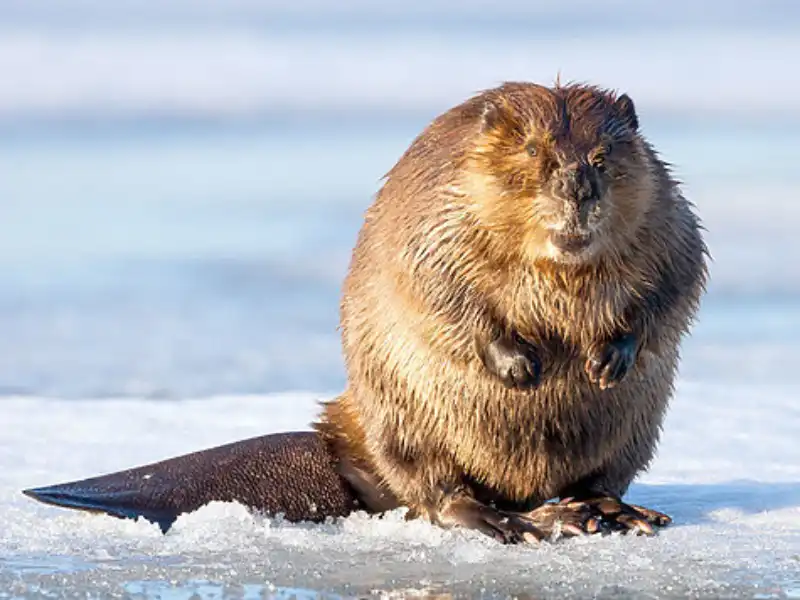
Beavers are undeniably cute with their paddle tails, prominent teeth, and industrious nature. Their engineering abilities reshape entire ecosystems.
Hidden Talent: Environmental Engineering – Beavers build dams that can span hundreds of feet and last for decades. They understand water flow, structural integrity, and maintenance requirements intuitively.
Their construction creates wetlands that support hundreds of other species. Beavers are “ecosystem engineers” whose presence increases biodiversity dramatically.
Beavers also demonstrate family cooperation, with multiple generations working together on construction projects. They communicate through tail slaps that warn of danger across long distances.
15. Dogs: The Emotion Readers
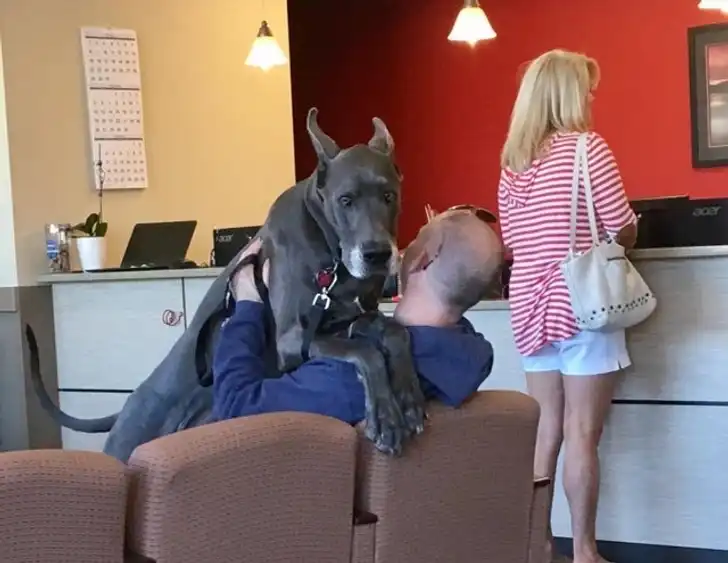
Dogs are humanity’s best friends, combining cuteness with abilities specifically evolved through partnership with humans.
Hidden Talent: Reading Human Emotions and Intent – Dogs read human facial expressions, body language, and vocal tones with accuracy surpassing most humans. They distinguish between happy, sad, angry, and fearful human expressions.
They can detect diseases like cancer, predict seizures, and sense blood sugar changes in diabetics. Their olfactory abilities allow them to smell chemical changes in human bodies before symptoms appear.
Dogs also understand up to 250 words and gestures, perform simple mathematics, and deliberately deceive humans when it serves their interests—showing complex social intelligence.
Complete Guide to Cute Animals with Hidden Talents
| Animal | Cuteness Factor (1-10) | Primary Hidden Talent | Intelligence Level | Most Surprising Ability | Scientific Applications | Conservation Status | How They Use Their Talent |
|---|---|---|---|---|---|---|---|
| Octopus | 8/10 | Problem-solving, tool use | Very High | Each arm thinks independently | Robotics, AI development | Varies by species | Opening containers, using tools, escaping enclosures |
| Sea Otter | 10/10 | Tool use, fur density | High | Keeping favorite rocks | Insulation technology | Endangered | Cracking shellfish, maintaining kelp forests |
| Crows/Ravens | 7/10 | Multi-step problem solving | Very High | Planning for future needs | Cognitive science research | Least Concern | Creating tools, solving 8-step puzzles, facial recognition |
| Bumblebees | 9/10 | Mathematical optimization | High (relative to size) | Understanding concept of zero | Algorithm optimization | Varies by species | Efficient foraging routes, abstract learning |
| Elephants | 10/10 | Memory, empathy | Very High | Mourning their dead | Memory research, empathy studies | Endangered | Navigating vast territories, social cooperation |
| Dolphins | 9/10 | Echolocation, language | Very High | Using unique “names” | Sonar technology, communication | Varies by species | Hunting cooperation, social bonding |
| Squirrels | 9/10 | Deceptive caching, memory | Moderate-High | Creating false food caches | Memory enhancement research | Mostly Least Concern | Food storage, predator avoidance |
| Axolotl | 10/10 | Complete regeneration | Moderate | Regrowing brain tissue | Regenerative medicine | Critically Endangered | Healing any injury, surviving attacks |
| Sheep | 8/10 | Facial recognition, empathy | Moderate-High | Remembering 50+ faces | Facial recognition tech | Domesticated | Social bonding, identifying threats |
| Pigeons | 6/10 | Navigation, pattern recognition | High | Distinguishing art styles | Navigation systems, medical imaging | Least Concern | Homing ability, finding food, recognizing individuals |
| Raccoons | 9/10 | Lock-picking, tactile sensitivity | High | Remembering solutions for 3+ years | Robotics (hand design) | Least Concern | Opening containers, finding food, urban adaptation |
| Hummingbirds | 10/10 | Spatial-temporal memory | High | Non-stop 500-mile migrations | Memory research, flight technology | Varies by species | Optimizing feeding routes, migration |
| Cats | 10/10 | Physics intuition, communication | Moderate-High | Developing human-specific communication | Biomechanics, flexibility studies | Domesticated | Hunting, escaping, manipulating humans |
| Beavers | 9/10 | Environmental engineering | Moderate-High | Building structures lasting decades | Sustainable engineering | Least Concern | Creating habitat, storing food, family cooperation |
| Dogs | 10/10 | Emotion reading, disease detection | High | Detecting cancer by smell | Medical diagnostics, therapy | Domesticated | Human partnership, hunting, protection |
Comparing Hidden Talents Across Cute Animals
| Talent Category | Animals with This Ability | Complexity Level | How It Compares to Humans | Real-World Applications | Most Impressive Example |
|---|---|---|---|---|---|
| Tool Use | Octopus, Sea Otter, Crows/Ravens, Elephants | Very High | Some exceed human children under 7 | Robotics, AI development | New Caledonian crows creating hooked tools from straight wire |
| Problem-Solving | Octopus, Crows/Ravens, Raccoons, Dogs | High-Very High | Match or exceed young children | Cognitive behavioral therapy insights | Crows solving 8-step sequential puzzles |
| Memory | Elephants, Squirrels, Sheep, Hummingbirds, Pigeons | High-Very High | Exceed humans in spatial memory | Memory enhancement techniques | Squirrels remembering thousands of cache locations |
| Navigation | Pigeons, Hummingbirds, Elephants | Very High | Far exceed human natural abilities | GPS alternatives, migration tracking | Pigeons homing from 600+ miles away |
| Communication | Dolphins, Bumblebees, Dogs, Crows/Ravens | High-Very High | Symbolic language comparable to human | AI language processing | Dolphins using unique signature whistles as names |
| Empathy/Emotion | Elephants, Dogs, Sheep, Dolphins | High | Match or approach human emotional intelligence | Therapy applications, social AI | Elephants mourning their dead with apparent grief |
| Physical Abilities | Cats, Hummingbirds, Octopus, Sea Otter | Very High | Exceed human capabilities | Biomechanics, materials science | Cats squeezing through any space their head fits |
| Pattern Recognition | Pigeons, Bumblebees, Dogs, Sheep | High | Match humans in specific tasks | Medical imaging, quality control | Pigeons identifying cancerous tissue in x-rays |
| Regeneration | Axolotl | Extreme (unique) | Far exceed any human capability | Regenerative medicine revolution | Regrowing entire limbs including bones and nerves |
| Deception | Squirrels, Raccoons, Dogs, Crows | Moderate-High | Show understanding of others’ minds | Understanding consciousness | Squirrels creating false caches to trick thieves |
| Mathematical Reasoning | Bumblebees, Dogs, Crows, Dolphins | Moderate-High | Solve problems challenging for humans | Algorithm development | Bumblebees solving traveling salesman problem |
| Sensory Superpowers | Dogs, Dolphins, Cats, Elephants, Raccoons | Extreme | Far exceed human sensory abilities | Medical devices, security systems | Dogs detecting cancer at earlier stages than medical tests |
How These Talents Benefit the Animals
Survival Advantages
Hidden talents directly contribute to survival. Octopuses’ problem-solving helps them escape predators and access food in shells or crevices. Pigeons’ navigation ensures they find food sources and return to safe nests.
Beavers’ engineering creates safe aquatic habitats protecting them from land predators. Sea otters’ tool use allows exploitation of food sources competitors can’t access.
Even abilities that seem purely cognitive provide advantages—elephants’ memory helps them find water during droughts and avoid locations where family members died.
Reproductive Success
Intelligent animals often have greater reproductive success. Crows that solve problems better secure more food, raising healthier offspring. Hummingbirds with superior memory visit flowers more efficiently, maintaining energy for courtship.
Social intelligence particularly impacts reproduction. Dogs that read human emotions effectively receive better care. Dolphins with sophisticated communication maintain stronger social bonds supporting calf survival.
Deception abilities also aid reproduction—squirrels that fool competitors secure more food, surviving winter to breed again.
Adapting to Change
Animals with flexible intelligence adapt to environmental changes more successfully. Raccoons thrive in cities by solving human-created puzzles. Pigeons navigate urban landscapes using abilities evolved for natural environments.
Climate change and habitat loss increasingly threaten wildlife. Species with problem-solving abilities and behavioral flexibility have better odds of adapting to rapidly changing conditions.
This adaptability explains why intelligent cute animals often thrive despite human encroachment—they learn to exploit new opportunities rather than only mourning lost habitats.
Scientific Research and Applications
Medical Breakthroughs
Axolotl regeneration research could revolutionize medicine, potentially enabling humans to regrow damaged tissues or organs. Scientists study their cellular mechanisms intensively.
Dogs’ disease-detection abilities inspire development of electronic “noses” for medical diagnostics. Their scent work has already saved countless lives through early cancer detection.
Dolphin echolocation informs ultrasound technology improvements. Understanding how dolphins process acoustic information advances both medical imaging and treatment methods.
Technological Innovations
Octopus arms inspire soft robotics—robots without rigid structures that can squeeze through tight spaces and manipulate objects gently. Military and medical applications are being developed.
Bee navigation algorithms optimize routing problems in logistics, delivery services, and network design. Their mathematical problem-solving directly improves human technologies.
Cat biomechanics inform materials science, inspiring flexible yet strong materials. Their landing abilities inspire shock-absorption systems for vehicles and protective equipment.
Cognitive Science Advances
Studying animal intelligence reveals insights into consciousness, problem-solving, and learning. Crows’ tool use shows intelligence can evolve very differently from mammalian cognition.
Sheep’s facial recognition helps us understand how brains process social information. This research applies to both artificial intelligence and understanding human social disorders.
Dolphin language research challenges assumptions about what constitutes true language. Their communication complexity forces us to reconsider how we define linguistic ability.
Teaching Moments: Learning from Cute Animals
Problem-Solving Lessons
Crows teach us that there’s rarely just one solution to problems. They try multiple approaches, learn from failures, and share successful strategies with others.
Raccoons demonstrate persistence—they’ll work on problems for extended periods, trying variations until something works. This persistence transfers to human endeavors.
Octopuses show that intelligence takes many forms. Their distributed nervous system reminds us that centralized control isn’t the only path to smart behavior.
Memory and Organization
Squirrels’ caching strategies offer organizational lessons. They don’t just hide food randomly—they categorize by type, location, and expected retrieval time.
Elephants prove the value of experiential learning. Their matriarchs’ decades of knowledge benefit entire herds, showing how accumulated wisdom guides communities.
Hummingbirds demonstrate that even tiny brains can achieve remarkable feats through specialized optimization. Sometimes efficiency matters more than raw capacity.
Social Intelligence
Dogs remind us that emotional intelligence matters as much as analytical ability. Reading social cues and responding appropriately creates successful relationships.
Elephants exemplify empathy’s survival value. Caring for group members isn’t weakness—it’s a strategy that strengthens entire communities.
Dolphins show the power of individual identity within groups. Their name system balances collective benefit with individual recognition.
Conservation Through Appreciation
Protecting Talented Species
Understanding animals’ hidden talents makes conservation more compelling. It’s easier to protect “smart” animals because people value intelligence.
Each species with remarkable abilities represents millions of years of evolution. Losing them means losing unique solutions to survival challenges—knowledge that might benefit humanity.
Many of these cute animals face threats from habitat loss, climate change, or human conflict. Their talents don’t protect them from bulldozers or pollution.
Ecosystem Roles
Talented animals often play crucial ecosystem roles. Beavers’ engineering creates habitat for hundreds of species. Losing beavers means losing entire wetland ecosystems.
Sea otters maintain kelp forests through their feeding behavior. Without them, sea urchins devastate these underwater forests, eliminating habitat for countless species.
Even common animals like bumblebees provide irreplaceable pollination services. Their mathematical route optimization evolved to efficiently pollinate plants humans depend on.
Supporting Research
Funding research on animal cognition and abilities advances both conservation and human knowledge. Understanding axolotl regeneration could save human lives while protecting their species.
Citizen science projects allow everyone to contribute. Recording bird behaviors, reporting animal sightings, or documenting migration patterns supports professional research.
Visiting accredited zoos and aquariums that fund conservation research turns appreciation into action. Many facilities study their animals while protecting wild populations.
Fostering Respect for Animal Intelligence
Challenging Anthropocentrism
Recognizing animal talents challenges the assumption that humans are fundamentally superior. Different doesn’t mean less—it means specialized for different challenges.
Octopuses solve problems we’d struggle with despite having completely different brain structures. This shows intelligence isn’t one thing—it’s diverse adaptations to life’s challenges.
Respecting animal intelligence means treating them ethically. Knowing dolphins have names and mourn losses makes confining them in tiny tanks clearly cruel.
Ethical Treatment
Understanding that animals think, feel, and problem-solve imposes ethical obligations. We can’t claim ignorance about their experiences or needs.
Entertainment that exploits animal talents (forcing animals to perform tricks) becomes harder to justify when we recognize their cognitive complexity.
Research using intelligent animals must include strong ethical oversight. If animals understand their situations, we must minimize distress and ensure welfare.
Educational Opportunities
Teaching children about animal talents cultivates respect for nature. Kids who learn crows use tools and pigs solve puzzles grow into adults who value animal welfare.
School programs featuring local wildlife’s abilities connect children to their environments. Understanding that “ordinary” animals possess extraordinary talents changes how we view nature.
Documentaries showcasing animal intelligence reach millions, shifting public perception. Quality media that respects animals while revealing their abilities serves conservation.
Experiencing These Talents Firsthand
Ethical Wildlife Watching
Observing animals using their talents in nature provides unforgettable experiences. Watch otters crack open shellfish, see crows creating tools, or observe beavers building dams.
Choose ethical wildlife tourism that prioritizes animal welfare. Operations should maintain proper distances, limit group sizes, and never bait or harass animals for better views.
Local wildlife often displays remarkable abilities. You don’t need exotic travel—backyard birds, urban squirrels, and neighborhood cats all demonstrate fascinating talents.
Citizen Science Participation
Join projects documenting animal behavior. Apps like iNaturalist and eBird let you contribute observations while learning about local species.
Some projects specifically study animal intelligence—reporting crow tool use, documenting octopus behavior, or recording hummingbird memory. Your observations contribute to scientific knowledge.
Photography with purpose documents animal talents while creating shareable content that educates others. Post with informative captions explaining what animals are actually doing.
Sanctuary and Rescue Support
Visit or support sanctuaries caring for these animals. Many rescued animals can’t return to the wild but serve as ambassadors, demonstrating their species’ abilities.
Volunteer opportunities exist at many facilities. Working directly with intelligent animals provides insights no documentary can match while supporting conservation.
Educational programs at quality sanctuaries teach about animal cognition using ambassador animals. These experiences are particularly impactful for children developing attitudes toward nature.
Conclusion: Beyond Cuteness to Capability
The 15 cute animals featured here represent just a fraction of nature’s intelligent creatures. Every species possesses abilities honed over millions of years of evolution.
Looking beyond cuteness to recognize capability changes our relationship with animals. They’re not just decorative elements of nature—they’re sophisticated beings with remarkable abilities.
Next time you see an adorable animal, pause to consider what hidden talents might lie beneath that cute exterior. That squirrel isn’t just fluffy—it’s a master strategist. That dog isn’t just loyal—it’s reading your emotions with sophisticated social intelligence.
Appreciating animals’ full complexity—their intelligence, problem-solving, and specialized abilities—enriches our understanding of life’s diversity. It also imposes responsibilities to protect species representing millions of years of evolutionary innovation.
Share knowledge about animal talents with others. Every person who learns that bumblebees understand zero or that sheep remember faces becomes a potential conservation advocate.
The cute animals that bring us joy deserve our respect for both their appearance and their abilities. By recognizing their hidden talents, we honor the full complexity of these extraordinary creatures sharing our planet.
Watch, learn, appreciate, and protect. The talented cute animals of our world need advocates who value them for everything they are—not just how they look.
You May Also Like