12 Cute Animals That Look Like Stuffed Toys
Have you ever spotted an animal so adorable that you had to do a double-take? Some creatures in the wild look so impossibly fluffy, round, and cuddly that they seem more like plushies than living beings. From cartoonishly large eyes to impossibly soft fur, these animals challenge our perception of what’s real and what belongs on a toy store shelf.
Why Do Some Animals Look Like Stuffed Toys?
Before we dive into our list, it’s worth understanding why certain animals trigger our “aww” response so intensely. Scientists believe our brains are wired to respond to “baby schema” features—large eyes, round faces, and small bodies—which make us want to nurture and protect. Many of these toy-like animals have evolved these features naturally, making them irresistible to humans while serving important survival purposes in the wild.
1. Red Panda: Nature’s Perfect Plushie
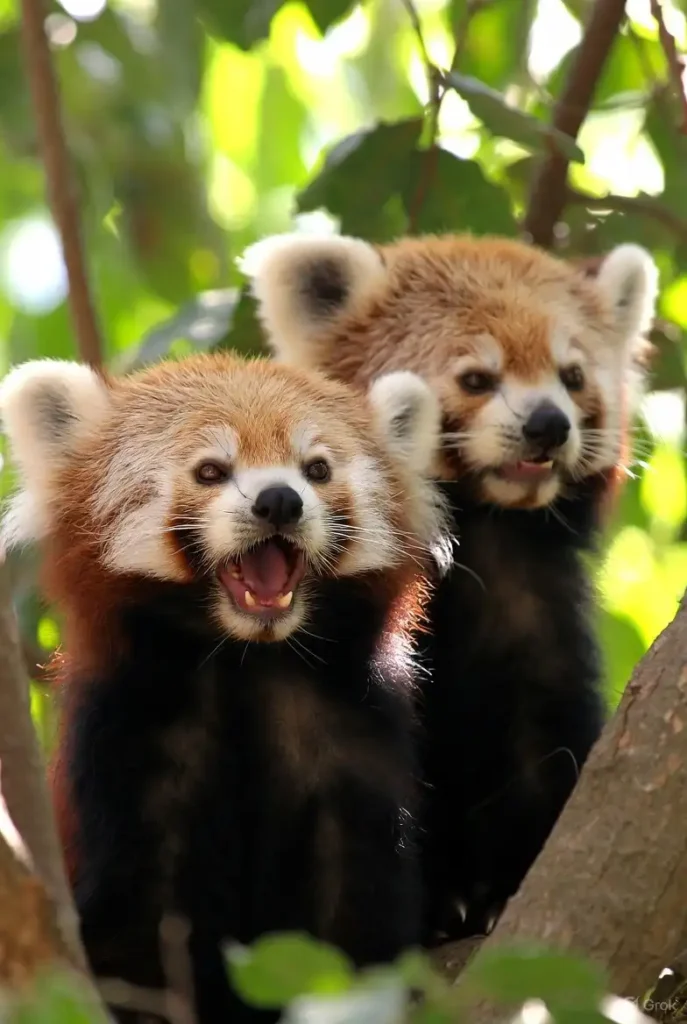
With cinnamon-colored fur, a bushy ringed tail, and an endearing waddle, red pandas look like they were designed by a toy company. These tree-dwelling mammals from the Himalayas have round faces and small, rounded ears that amplify their stuffed animal appearance. Their habit of standing on their hind legs when startled only adds to their toy-like charm.
Where to see them: Mountain forests of Nepal, India, Bhutan, and China
2. Quokka: The Smiling Sensation
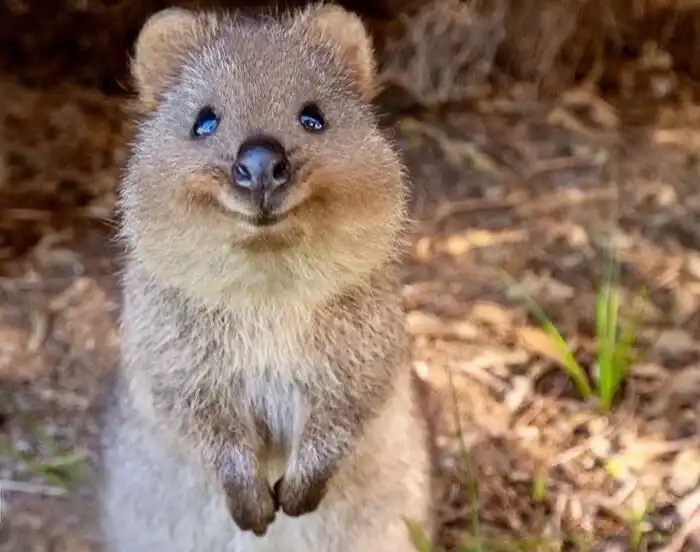
Often called the world’s happiest animal, quokkas sport a permanent smile that makes them look like cheerful stuffed companions. These small marsupials from Australia have rounded bodies, tiny ears, and an impossibly friendly facial expression. Their lack of fear around humans has made them social media stars, though they’re wild animals that deserve respectful distance.
Conservation status: Vulnerable due to habitat loss
3. Pika: The Real-Life Pokémon
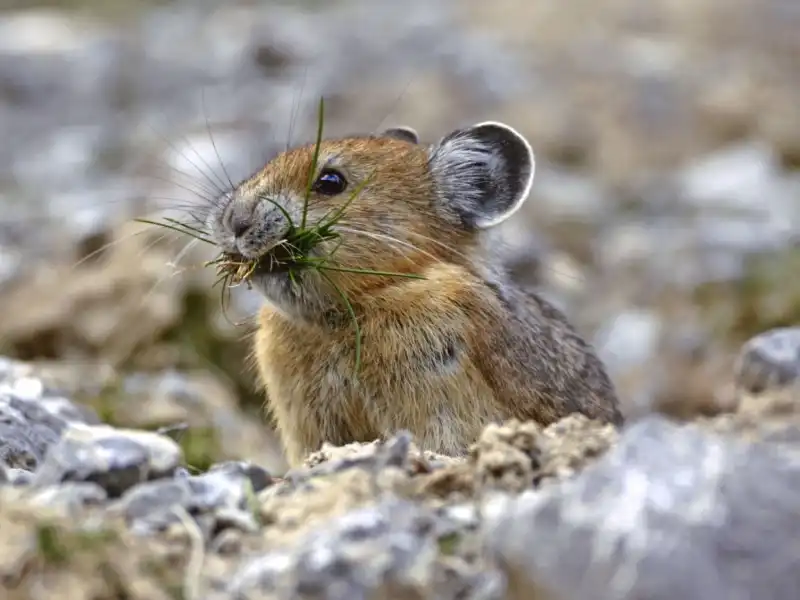
These mountain-dwelling relatives of rabbits look remarkably like fuzzy tennis balls with ears. American pikas have dense, soft fur that makes them appear almost spherical, especially when they’re calling out with their distinctive “meep” sound. Their tiny size and round bodies make them nature’s pocket-sized stuffed animals.
Interesting fact: Pikas don’t hibernate and spend summers collecting vegetation for winter food storage
4. Chinchilla: Cloud-Soft Cuteness
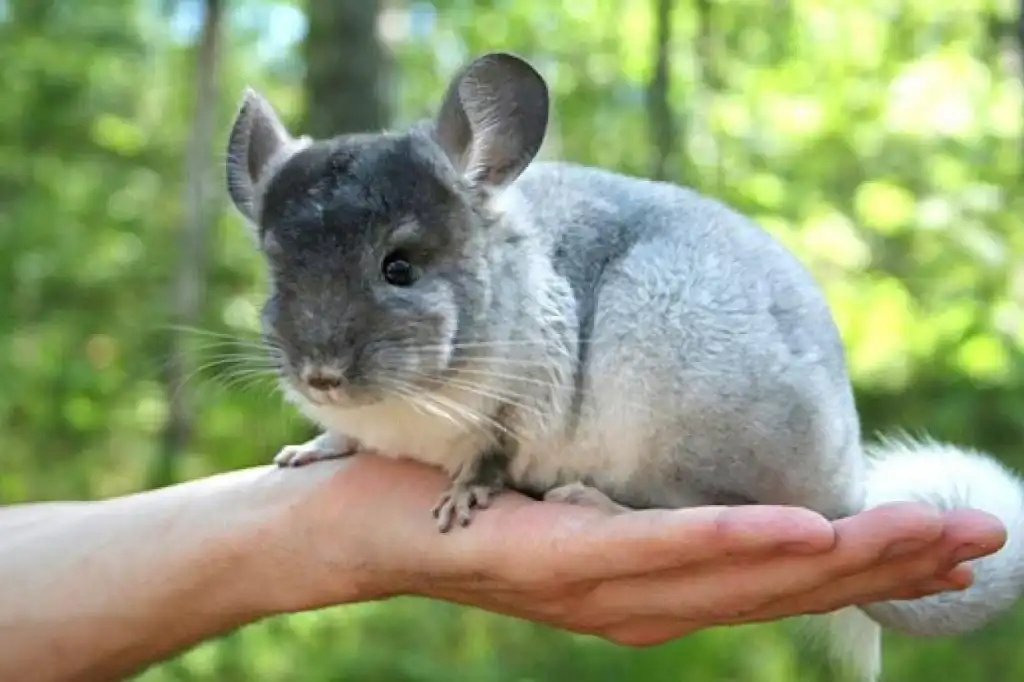
With the densest fur of any land mammal—up to 60 hairs per follicle—chinchillas feel softer than any stuffed toy. Their plush gray coats, large ears, and bright eyes create an almost unreal appearance. These South American rodents take dust baths to maintain their incredible fur, a behavior that’s as adorable as it sounds.
Care tip for pet owners: Never get chinchilla fur wet, as it can lead to fungal infections
5. Pygmy Slow Loris: Big-Eyed Wonder
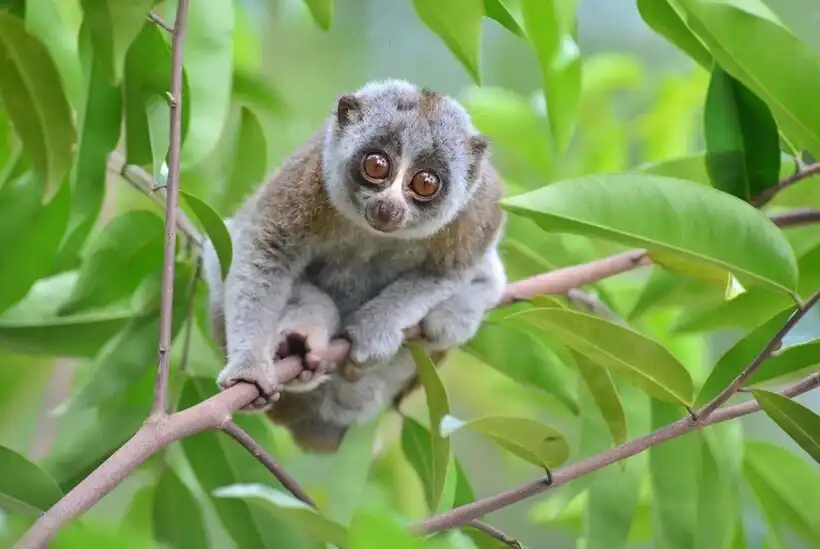
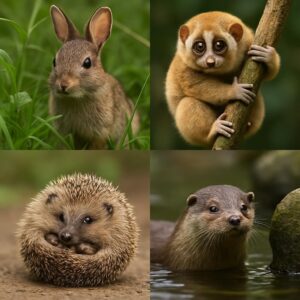
Those enormous, forward-facing eyes make pygmy slow lorises look like plush toys come to life. Their soft, dense fur and slow, deliberate movements add to the illusion. However, these nocturnal primates from Southeast Asia are venomous—a reminder that toy-like appearance doesn’t mean safe to cuddle.
Important note: Slow lorises are illegally trafficked as exotic pets, which harms wild populations
6. Arctic Fox (Winter Coat): Living Snow Ball
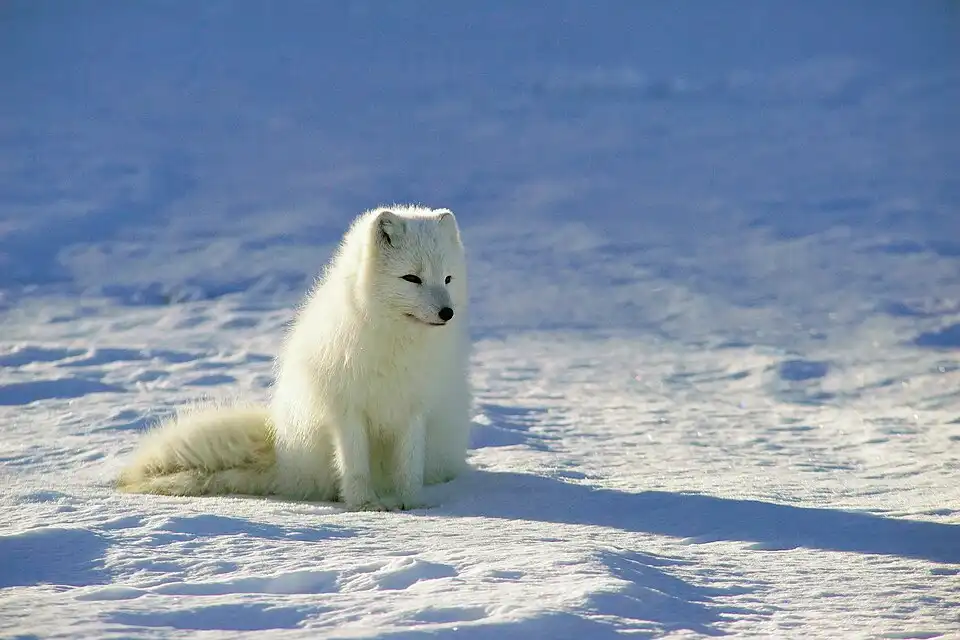
During winter, Arctic foxes transform into impossibly fluffy white orbs with legs. Their thick winter coat makes them look stuffed to bursting, designed to insulate them in temperatures as low as -70°F. Their rounded ears and compact bodies minimize heat loss while maximizing their resemblance to luxury plush toys.
Adaptation marvel: Their fur changes color seasonally for camouflage
7. Baby Seal Pups: Nature’s Plushies
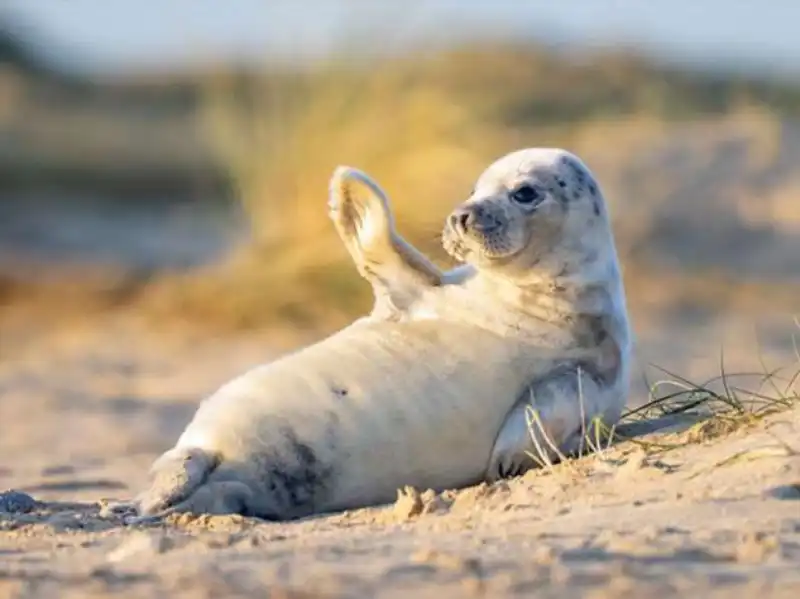
Harp seal pups are born with white, fluffy fur called lanugo that makes them look exactly like oversized stuffed animals. Their large, dark eyes and whiskered faces complete the toy-like appearance. This fluffy coat provides insulation until they develop their adult blubber layer.
Development timeline: Seal pups shed their white coat after about three weeks
8. Fennec Fox: Oversized-Ear Adorableness
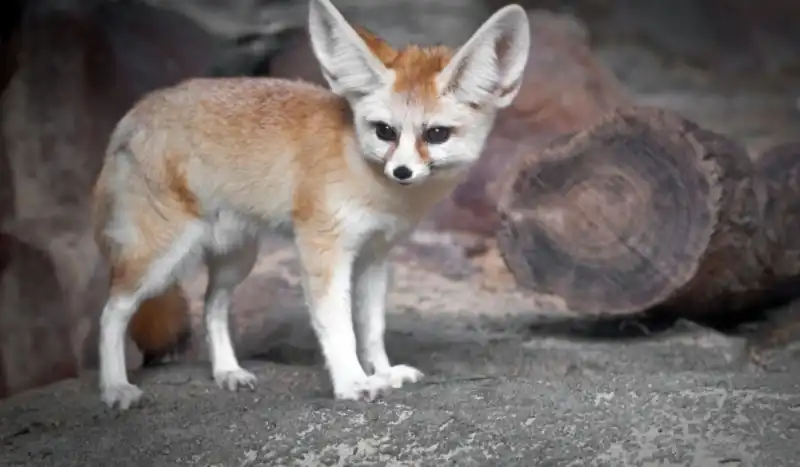
With ears that seem too large for their petite bodies, fennec foxes look like cartoon characters brought to life. These desert-dwelling foxes from North Africa have soft, sand-colored fur and enormous eyes that enhance their toy-like appearance. Their ears aren’t just cute—they dissipate heat and help them hear prey underground.
Size comparison: Fennec foxes are the smallest fox species, weighing just 2-3 pounds
9. Japanese Dwarf Flying Squirrel: Button-Eyed Cuteness
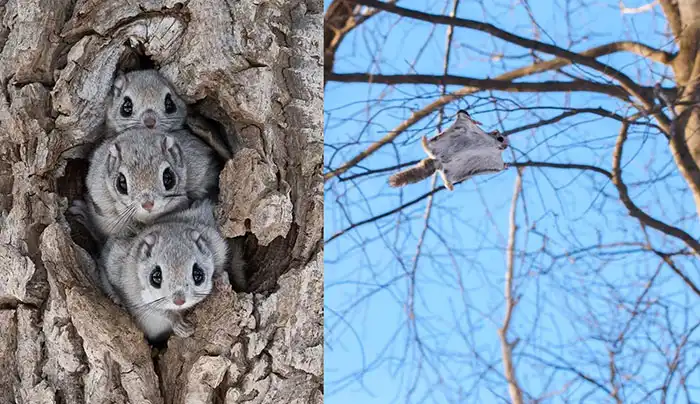
These tiny squirrels from Japan have huge, round eyes and soft gray-brown fur that makes them look like miniature stuffed animals. Their gliding membranes and compact size add to their toy-like charm. They’re so perfectly proportioned that they seem designed rather than evolved.
Unique ability: Can glide up to 100 meters between trees
10. Alpaca (Cria): Fluffy Baby Perfection
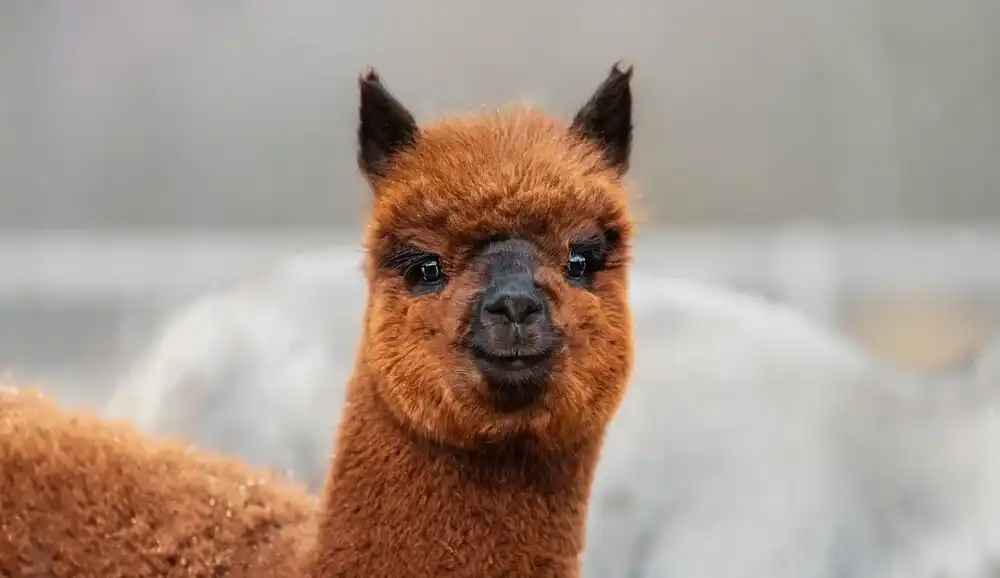
Baby alpacas, called crias, are essentially walking teddy bears. Their thick, fluffy fleece, long necks, and expressive faces give them an unmistakable plush toy appearance. Alpacas come in over 20 natural colors, each looking like a different limited-edition stuffed animal.
Social animals: Alpacas are herd animals and become stressed when alone
11. Pallas’s Cat: Grumpy Fluffball
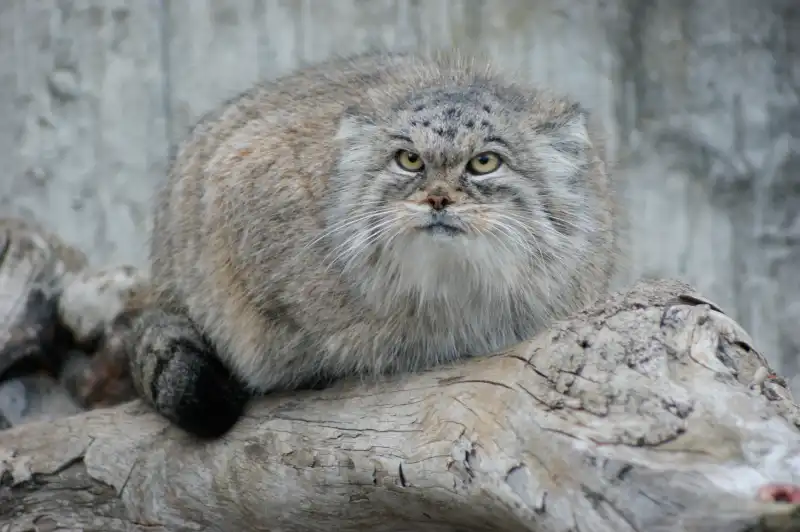
With the fluffiest fur in the cat family and a perpetually grumpy expression, Pallas’s cats look like disgruntled stuffed animals. Their stocky build, short legs, and extremely dense coat create a rounded, toy-like silhouette. Despite their cuddly appearance, they’re fierce predators of the Central Asian steppes.
Survival adaptation: Their flat face helps them peer over rocks without exposing themselves
12. Pygmy Hippopotamus: Miniature River Horse
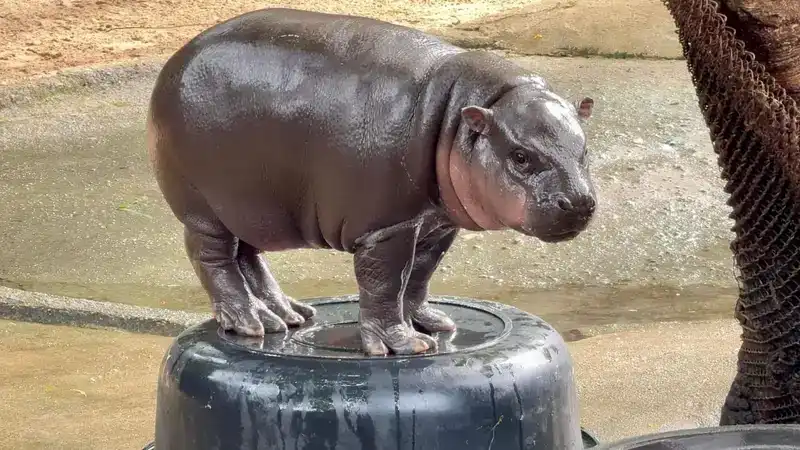
Baby pygmy hippos look like shiny, dark plush toys with their rounded bodies, tiny ears, and perpetually smiling faces. These rare animals from West African forests are much smaller than their common cousins, weighing around 400-600 pounds as adults. Their glossy skin and compact proportions amplify their toy-like appearance.
Conservation concern: Fewer than 2,500 remain in the wild
The Importance of Admiring from Afar
While these animals may look like stuffed toys, it’s crucial to remember they’re wild creatures with specific needs and behaviors. Many face conservation challenges including habitat loss, climate change, and illegal wildlife trade. The best way to appreciate these adorable animals is through responsible wildlife tourism, supporting conservation efforts, and never purchasing wild animals as pets.
How You Can Help Protect These Species
- Support reputable conservation organizations working to protect habitats
- Choose eco-friendly tourism operators that prioritize animal welfare
- Educate others about the dangers of exotic pet trade
- Reduce your carbon footprint to combat climate change affecting their habitats
- Never share or support content showing wild animals as pets
Final Thoughts
Nature has created some truly remarkable animals that blur the line between reality and imagination. These 12 species remind us that sometimes truth is cuter than fiction. While we may never be able to cuddle them (nor should we try), we can appreciate their existence and work to ensure future generations can marvel at these living, breathing “stuffed toys” in their natural habitats.
Whether you’re a wildlife enthusiast, a photography lover, or simply someone who appreciates adorable animals, these creatures prove that nature remains the ultimate creator of charm and cuteness.
You May Also Like