10 Cute Animals That Should Be More Famous
While pandas, puppies, and kittens dominate the cute animal spotlight, countless equally adorable species remain virtually unknown to most people. These underappreciated creatures deserve their moment in the viral video sun.
From tiny marsupials to fluffy rodents, the animal kingdom is filled with photogenic species that could easily compete with mainstream favorites. Many possess unique characteristics that make them even more fascinating than their famous counterparts.
This guide celebrates the cute animals that haven’t received their fair share of attention—yet. Prepare to discover your new favorite species and wonder why they aren’t already internet sensations.
Why Some Cute Animals Remain Unknown
Geographic Limitations
Many adorable species live in remote regions far from major population centers. Animals native to isolated islands, dense rainforests, or mountain ranges rarely encounter humans or cameras.
Limited habitat ranges mean fewer opportunities for viral moments. A species found only in Madagascar or Papua New Guinea simply has less exposure than animals living near major cities.
Conservation restrictions also limit access to certain cute animals. Protected areas maintain boundaries that prevent casual encounters, keeping some species obscure despite their charm.
Lack of Media Representation
Popular culture heavily influences which cute animals become famous. Species featured in animated films, nature documentaries, or social media algorithms gain massive followings.
Animals without charismatic advocates or media presence remain in obscurity. One viral video or celebrity endorsement can transform an unknown species into an overnight sensation.
Marketing and merchandise play surprising roles in animal fame. Plush toys, cartoons, and branding campaigns have made certain animals household names while equally cute species languish in obscurity.
Nocturnal and Shy Behaviors
Many adorable animals are naturally elusive. Nocturnal species are harder to observe and photograph, limiting their social media presence.
Shy creatures that flee from humans don’t create the interactive moments that drive viral content. Animals comfortable around people naturally generate more shareable content.
Some of the cutest animals are also the most secretive, making quality footage rare and special when it does emerge.
The 10 Cutest Animals Deserving More Fame
1. Quokka: Nature’s Happiest Face
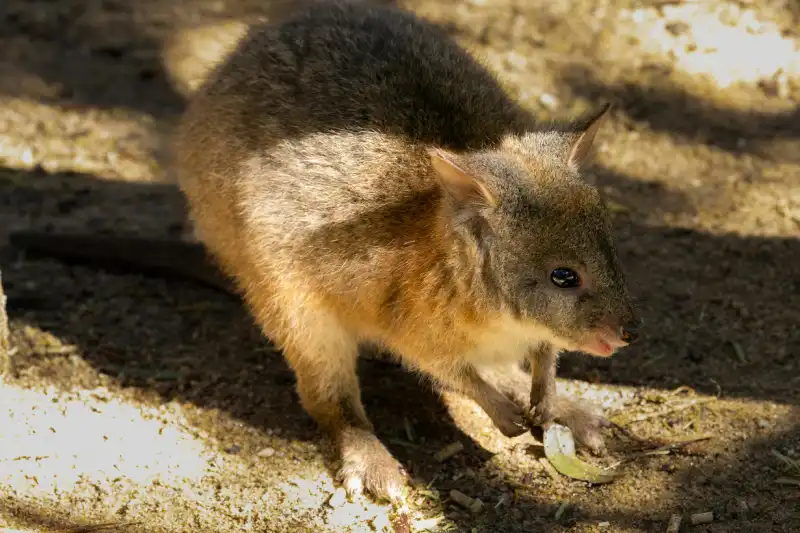
Quokkas are small marsupials native to Western Australia with permanent “smiles” that make them appear perpetually joyful. These cat-sized animals have round faces, small ears, and friendly dispositions.
Their approachable nature on Rottnest Island has created a selfie phenomenon among visitors who’ve discovered them. Quokkas seem to enjoy human interaction, often posing for photos with tourists.
Despite their growing popularity in Australia, quokkas remain relatively unknown globally. These cute animals deserve recognition as one of nature’s most photogenic species.
2. Axolotl: The Smiling Salamander
Axolotls are aquatic salamanders with external gills that resemble feathery crowns and upturned mouths that create perpetual smiles. Native to Mexican lakes, these amphibians remain in their juvenile form throughout life.
Available in colors from pink to golden to black, axolotls have become popular pets for exotic animal enthusiasts. Their regenerative abilities allow them to regrow entire limbs, making them fascinating beyond their appearance.
Their adorable faces and unique biology make axolotls perfect candidates for mainstream cute animal fame. They deserve the same recognition as more famous amphibians and reptiles.
3. Fennec Fox: Desert’s Big-Eared Wonder
Fennec foxes are the world’s smallest fox species with disproportionately large ears that give them an eternally youthful appearance. Native to North African deserts, these nocturnal hunters weigh just 2-3 pounds.
Their oversized ears serve practical purposes—dissipating heat and detecting prey underground—while maximizing cuteness. Fennec foxes have soft cream-colored fur and playful personalities when raised in captivity.
These tiny foxes occasionally appear in exotic pet circles but deserve broader recognition among cute animals. Their combination of fox charm and pocket-sized proportions is irresistible.
4. Pika: The Mountain’s Tiny Teddy Bear
Pikas are small, round mammals related to rabbits that inhabit mountain ranges across Asia and North America. Their compact bodies, round ears, and squeaky vocalizations make them irresistibly cute animals.
These industrious creatures spend summers gathering vegetation for winter, creating “haypiles” that can contain 60 pounds of food. Their preparation behaviors rival any productivity influencer.
Pikas face threats from climate change as rising temperatures push them higher into mountains with nowhere left to go. Increased fame could drive conservation support for these vulnerable cute animals.
5. Dik-Dik: Africa’s Miniature Antelope
Dik-diks are tiny antelopes standing just 12-16 inches tall at the shoulder with enormous eyes and delicate features. Named for the alarm calls females make, these animals form lifelong monogamous pairs.
Their diminutive size makes adult dik-diks look like permanent babies. Males have tiny horns and both sexes have elongated snouts perfect for reaching vegetation in arid habitats.
These charming antelopes remain largely unknown outside Africa despite being perfect ambassadors for cute animals. Their devoted pair bonds add romantic appeal to physical adorability.
6. Red Panda (The Lesser-Known One)
While red pandas have growing recognition, they still live in the shadow of giant pandas despite being arguably cuter. These tree-dwelling mammals have russet fur, ringed tails, and cat-like faces.
Red pandas are more closely related to raccoons than giant pandas despite sharing a name. They’re skilled climbers who spend most of their time in trees, emerging primarily to feed on bamboo.
These adorable animals deserve equal billing with their black-and-white namesakes. Their active, playful nature and spectacular coloring make them more entertaining than the lounging giants.
7. Margay: The Tree-Dancing Wild Cat
Margays are small wild cats from Central and South American rainforests with enormous eyes adapted for nocturnal hunting. These arboreal specialists can rotate their ankles 180 degrees to climb down trees headfirst.
Weighing just 6-9 pounds, margays resemble eternally young domestic cats with enhanced wild beauty. Their spotted coats and expressive faces combine domestic cat charm with exotic appeal.
Few people have heard of margays despite their remarkable abilities and undeniable cuteness. These cats deserve recognition among cute animals for their unique adaptations and photogenic features.
8. Pygmy Slow Loris: Big Eyes, Slow Moves
Pygmy slow lorises are tiny primates with massive forward-facing eyes and slow, deliberate movements. Native to Southeast Asian forests, these nocturnal animals have dense, soft fur and grasping hands.
Their slow-motion lifestyle and wide-eyed expressions create almost cartoon-like appearances. Unfortunately, illegal pet trade threatens wild populations as people seek these cute animals as exotic pets.
Raising awareness about slow lorises’ conservation needs while celebrating their natural cuteness could reduce harmful pet trade. They deserve fame that protects rather than endangers them.
9. Viscacha: The Rabbit-Chinchilla Hybrid
Viscachas are South American rodents that look like combinations of rabbits and chinchillas with luxuriously soft fur. Mountain viscachas have long, bushy tails and often sit upright on rocks like tiny sentinels.
Their facial expressions appear perpetually curious or surprised, adding personality to their physical appeal. Viscachas live in rocky mountain areas, often sunbathing in groups on prominent boulders.
These adorable rodents remain virtually unknown outside South America despite having all the qualities of viral cute animals. Their rabbit-like charm combined with unique features deserves more attention.
10. Klipspringer: The Rock-Hopping Cutie
Klipspringers are small African antelopes that walk on the tips of their hooves, giving them a tip-toe appearance. Adapted for rocky terrain, these animals can bound up near-vertical cliff faces.
Their compact size (about 40 pounds), large eyes, and permanent alert expression make them endearing. Klipspringers mate for life and often stand on hind legs to survey their territory together.
Despite their remarkable abilities and adorable features, few people outside Africa know klipspringers. These cute animals combine athleticism with cuteness in ways that deserve viral recognition.
Complete Guide to Underrated Cute Animals
| Animal Name | Native Location | Size | Distinctive Features | Why They’re Cute | Conservation Status | Famous Relative |
|---|---|---|---|---|---|---|
| Quokka | Western Australia | 2.5-5 kg | Permanent “smile,” friendly | Appears constantly happy, photogenic | Vulnerable | Kangaroos (more famous) |
| Axolotl | Mexican lakes | 15-45 cm | External gills, perpetual smile | Cartoon-like face, unique colors | Critically Endangered | Salamanders (more common) |
| Fennec Fox | North African deserts | 0.7-1.6 kg | Enormous ears, tiny body | Kitten-like with fox features | Least Concern | Red Fox (more famous) |
| Pika | Asian/North American mountains | 120-350 g | Round body, squeaky calls | Living teddy bear appearance | Varies by species | Rabbits (more famous) |
| Dik-Dik | Eastern/Southern Africa | 3-6 kg | Enormous eyes, tiny size | Looks like baby antelope forever | Least Concern | Gazelles (more famous) |
| Red Panda | Himalayan forests | 3-6 kg | Ringed tail, russet fur, masked face | Cat-meets-fox cuteness | Endangered | Giant Panda (more famous) |
| Margay | Central/South America rainforests | 2.5-4 kg | Huge eyes, rotating ankles | Kitten face with wild markings | Near Threatened | Domestic cats (more famous) |
| Pygmy Slow Loris | Southeast Asian forests | 265-700 g | Massive eyes, slow movements | Looks perpetually surprised | Vulnerable/Endangered | Lemurs (more famous) |
| Viscacha | South American mountains | 3-9 kg | Long tail, rabbit-like face, soft fur | Fluffy with expressive face | Least Concern | Chinchillas (more famous) |
| Klipspringer | Rocky areas across Africa | 8-18 kg | Walks on hoof tips, bouncy gait | Graceful and perpetually alert | Least Concern | Impalas (more famous) |
Fame Comparison: Unknown vs Famous Cute Animals
| Unknown Cute Animal | Why They’re Less Famous | Famous Counterpart | Why Counterpart is More Famous | Cuteness Comparison | Unique Advantages | Should Switch Fame Levels? |
|---|---|---|---|---|---|---|
| Quokka | Limited to Australia, small range | Koala | International zoo presence, Qantas mascot | Equally cute, more interactive | Actually smiles, not sleepy | Definitely! |
| Axolotl | Aquatic habitat, pet trade only | Goldfish | Universal availability, historical | Much cuter, more unique | Regenerates limbs, always smiles | Absolutely! |
| Fennec Fox | Exotic pet, desert habitat | Arctic Fox | Wider range, more footage | Fennec has bigger ears, tinier | Extreme ear-to-body ratio | Yes! |
| Pika | Mountain habitat, climate-sensitive | Hamster | Domestic pet, global presence | Pika more expressive, natural | Lives in dramatic landscapes | Strong yes! |
| Dik-Dik | African wildlife, small territory | Fawn (Baby Deer) | North American/European presence | Dik-dik stays tiny forever | Permanent baby appearance | Yes! |
| Red Panda | Lesser-known panda, rising fame | Giant Panda | Zoo celebrity, conservation icon | Red panda more active, colorful | Actually climbs and plays | Arguably! |
| Margay | Rainforest rarity, illegal pet trade | Ocelot | Slightly more documented | Margay has bigger eyes, smaller size | Can hang by one foot | Yes! |
| Pygmy Slow Loris | Illegal trade threat, nocturnal | Sugar Glider | Legal pet, more videos | Equal cuteness, different charm | Slow-motion movements | Different niches! |
| Viscacha | South American mountains only | Bunny | Global domestic presence | Viscacha fluffier, longer tail | Wild lifestyle, dramatic habitat | Nature lovers say yes! |
| Klipspringer | Rocky African habitat, specialized | Springbok | More widespread, national symbol | Klipspringer tinier, tip-toe walk | Incredible climbing ability | Deserves more fame! |
How These Animals Could Become Famous
Social Media Strategies
Creating dedicated accounts for these cute animals would build followings similar to famous animal influencers. Regular content showing their unique behaviors in natural habitats generates engagement.
Partnering with wildlife photographers and conservation organizations provides quality content while supporting protection efforts. Behind-the-scenes footage from zoos housing these species humanizes them.
Hashtag campaigns specifically highlighting lesser-known cute animals can trend when properly coordinated. TikTok and Instagram Reels excel at launching unknown species to fame through short, engaging clips.
Documentary and Media Features
Major streaming platforms could produce series specifically showcasing underrated cute animals. “Our Planet” style cinematography applied to these species would reveal their charm to millions.
Children’s programming featuring these animals as characters introduces them to young audiences. Animated films starring quokkas or fennec foxes could replicate the “panda effect.”
Celebrity endorsements accelerate fame exponentially. When influential people champion specific cute animals, their followers discover and share content about them.
Merchandise and Branding
Successful merchandise lines have launched obscure animals to fame. Pusheen (the cat character) and Gudetama (lazy egg) prove fictional characters work, but real animals have authentic appeal.
Creating high-quality plush toys, stationery, and clothing featuring these cute animals gives people tangible connections. Licensing agreements with major retailers provide visibility.
Branding campaigns by conservation organizations using these species as mascots serve dual purposes—raising awareness while generating funding for protection efforts.
Conservation Benefits of Fame
The Panda Effect
Giant pandas demonstrate how fame drives conservation funding. Their celebrity status has generated billions in conservation dollars benefiting entire ecosystems.
Lesser-known cute animals could leverage similar appeal. A beloved species becomes an umbrella for protecting its habitat and ecosystem companions.
Public investment follows public interest. When people care about a species, they support its protection through donations, advocacy, and sustainable tourism.
Ecotourism Opportunities
Fame creates sustainable economic incentives for conservation. Communities protecting quokka habitats profit from tourism while animals remain wild and safe.
Controlled wildlife viewing programs generate revenue far exceeding habitat destruction alternatives. This makes conservation economically viable for local populations.
Visitors who encounter these cute animals often become lifelong advocates, amplifying awareness and support when they return home.
Education Through Engagement
Famous cute animals serve as ambassadors for broader environmental issues. A person drawn in by axolotl cuteness learns about wetland conservation and pollution.
Emotional connections with specific species make abstract environmental problems personal and urgent. Conservation messaging reaches people who might ignore traditional approaches.
Children who love these animals grow into adults who prioritize environmental protection. Early connections shape lifelong values and behaviors.
Where to See These Adorable Animals
Wildlife Sanctuaries and Rescues
Many underrated cute animals live in accredited sanctuaries open to visitors. These facilities prioritize animal welfare while providing educational experiences.
Sanctuary visits directly support conservation through admission fees and donations. Animals in human care often serve as ambassadors for their wild counterparts.
Research facilities, like those studying axolotl regeneration, sometimes offer public programs showcasing their work and residents.
Ethical Zoos and Aquariums
Top-tier zoos maintain populations of rare cute animals as part of species survival programs. These institutions balance public viewing with animal welfare.
Behind-the-scenes tours and keeper talks provide intimate encounters that build connections. Many zoos now stream animal cams allowing virtual visits.
Choose facilities accredited by reputable organizations ensuring high standards. Quality institutions contribute meaningfully to conservation while educating millions.
Responsible Wildlife Tourism
For adventurous travelers, seeing these cute animals in natural habitats creates unforgettable experiences. Rottnest Island in Australia offers quokka encounters done right.
Himalayan treks sometimes reveal pikas and red pandas. South American mountain tours might showcase viscachas in their rocky homes.
Always choose operators prioritizing animal welfare and habitat protection. Responsible tourism funds conservation while minimizing disturbance.
Why These Animals Matter Beyond Cuteness
Ecosystem Roles
Every cute animal on this list serves crucial ecological functions. Pikas are ecosystem engineers whose activities benefit numerous alpine species.
Fennec foxes control rodent and insect populations in harsh desert environments. Margays help maintain healthy forest ecosystems through predation.
Appreciating their ecological importance adds depth to superficial cute animal admiration. Beauty and function combine in these remarkable species.
Scientific Significance
Axolotls revolutionize regenerative medicine research. Understanding their limb regrowth could transform human healthcare.
Slow lorises produce venomous bites—rare among mammals—making them valuable for toxicology studies. Even their cuteness serves scientific purposes in studying human psychological responses.
These cute animals aren’t just pretty faces. They’re keys to understanding biology, ecology, and evolution.
Cultural Importance
Many underrated animals hold significance in local cultures often unknown to outsiders. Indigenous peoples have lived alongside these species for millennia.
Preserving these cute animals means protecting cultural heritage and traditional knowledge. Their stories intertwine with human histories in their native ranges.
Fame that respects and incorporates indigenous perspectives creates more meaningful and ethical appreciation.
How You Can Help Make Them Famous
Share Quality Content
When you encounter content about these cute animals, share it enthusiastically. Algorithms favor engagement, so likes, comments, and shares boost visibility.
Create your own content if you encounter these species. Quality photos and videos fill information gaps while building public interest.
Tag conservation organizations and animal accounts to amplify reach. Collaborative sharing extends content to diverse audiences.
Support Conservation Organizations
Financial contributions to groups protecting these cute animals fund crucial field work. Even small donations accumulate into significant impact.
Many organizations offer adoption programs where donors “adopt” specific animals or species. These programs fund care while creating personal connections.
Volunteer opportunities exist for various skill levels. Conservation needs everyone from field researchers to social media managers.
Educational Advocacy
Teach others about these adorable animals whenever opportunities arise. Classrooms, social gatherings, and online communities all offer platforms for sharing knowledge.
Correct misinformation gently but firmly. Many cute animals suffer from myths that harm conservation efforts.
Make learning fun. The same cuteness that attracts attention makes education enjoyable and memorable.
The Future of Animal Fame
Digital Platforms Changing Discovery
Social media has democratized animal fame. A single viral video can launch unknown species to global recognition overnight.
Platforms like TikTok favor novelty, giving lesser-known cute animals advantages over overexposed species. Fresh content about unfamiliar animals performs well algorithmically.
Virtual reality and augmented reality technologies will create new ways to experience these animals, potentially accelerating their rise to fame.
Shifting Conservation Priorities
As climate change and habitat loss accelerate, conservation increasingly focuses on lesser-known species. Many underrated cute animals face greater threats than famous counterparts.
Public awareness drives funding allocation. Building fame for vulnerable species ensures resources flow to where they’re most needed.
The next generation of conservation icons might come from this list. Early support positions these animals for long-term protection success.
Your Role in Their Stories
Every famous animal once had its first fan. Your enthusiasm for these cute animals could spark movements that ensure their survival.
Advocacy doesn’t require expertise—just genuine care and willingness to share. Collective individual actions create cultural shifts that protect species.
The cute animals on this list are waiting for their moment. Will you help give it to them?
Conclusion: Celebrating Unsung Cute Animals
These ten adorable species represent countless others deserving recognition. The animal kingdom’s diversity includes unlimited cuteness waiting to be discovered.
Fame brings resources, protection, and appreciation that can save species from extinction. By celebrating underrated cute animals, we expand conservation success beyond a few charismatic megafauna.
Every animal on this list possesses unique qualities making them worthy of viral stardom. From the quokka’s perpetual smile to the klipspringer’s graceful leaps, these creatures offer endless fascination.
As you share this article and discover these species, remember that appreciation leads to protection. Your newfound love for these cute animals could literally save lives and habitats.
The next time you’re scrolling through cute animal content, look beyond the usual suspects. Give these underrated species the attention they deserve. They’re not just cute—they’re remarkable survivors with stories worth telling.
Who knows? Maybe the next global animal sensation is among these ten. With your help, these adorable creatures could finally claim their rightful place in the spotlight.
Start following, start sharing, and start caring. These cute animals are counting on advocates like you to bring them the fame that leads to lasting conservation success.
You May Also Like